Kiran Mazumdar-Shaw: The Garage Brewer Who Built India's Biotech Powerhouse
Kiran Mazumdar-Shaw faced gender bias, scarce capital, and a young biotech market, then built Biocon from industrial enzymes into a global biopharma platform.
View all stories about this mogul
Kiran Mazumdar-Shaw wanted to become a master brewer. The breweries of 1970s India did not want a woman running fermentation tanks. That rejection pushed her toward a harder industry—and eventually made her one of biotechnology’s most consequential entrepreneurs.
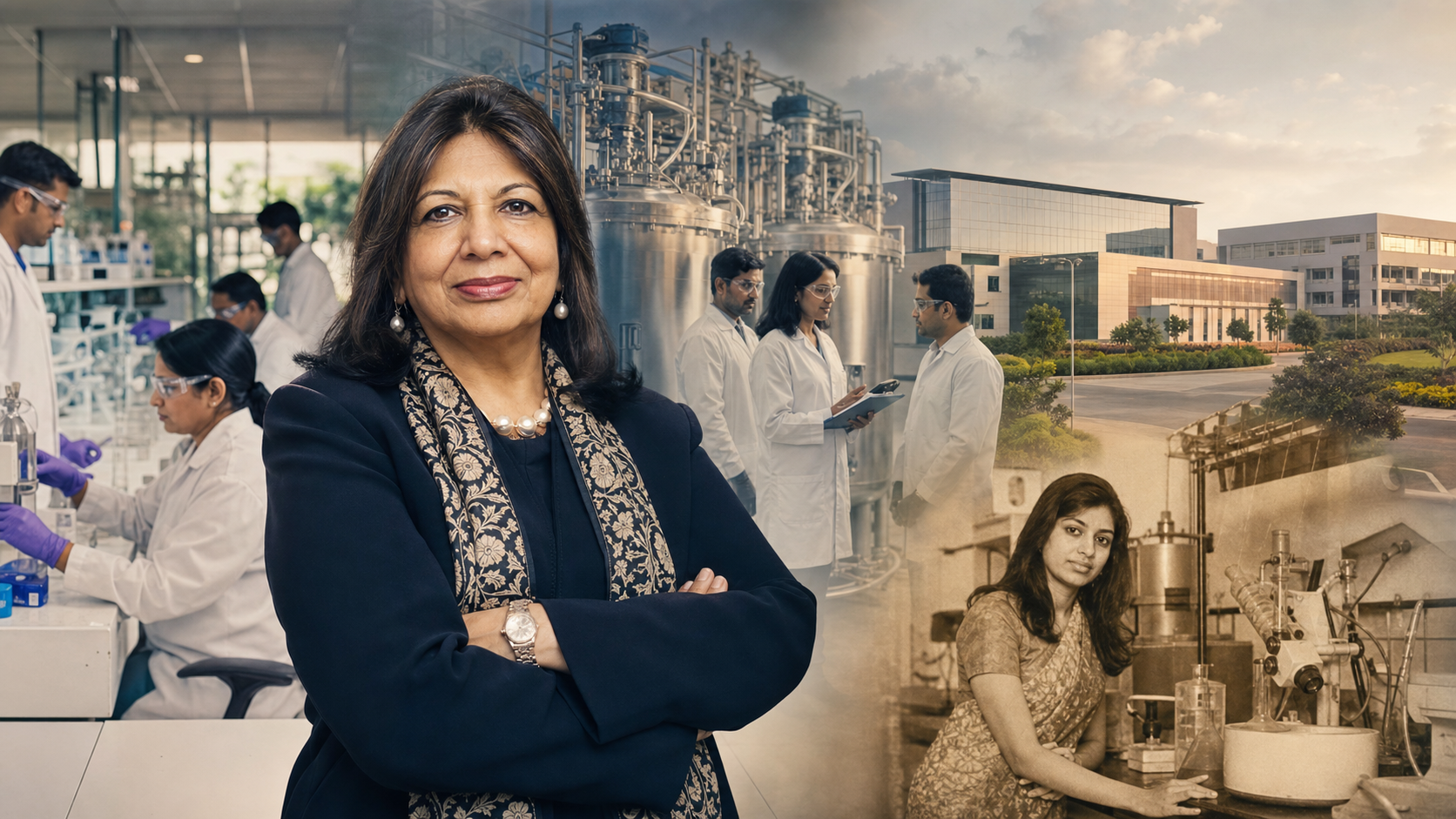
Biocon began in 1978 with modest capital, limited infrastructure, and an initial focus on industrial enzymes. It grew into a biopharmaceutical group spanning biologics, biosimilars, research services, and manufacturing.
The rise was not a straight line from garage to glory. It was a climb through increasingly difficult layers of the pharmaceutical value chain, each demanding more capital, scientific talent, quality control, regulatory trust, and patience.
How did Kiran Mazumdar-Shaw turn brewing expertise into biotechnology?
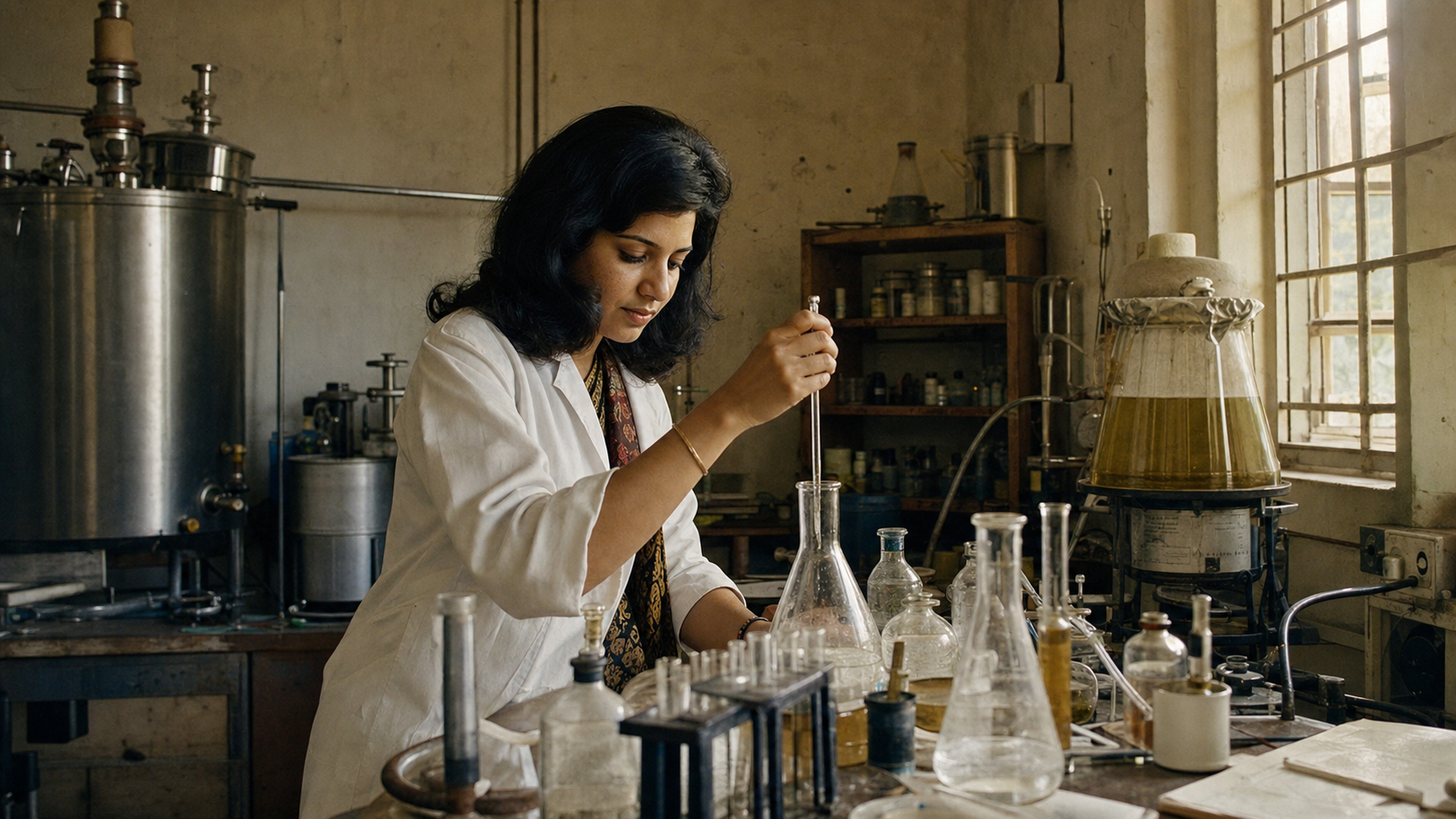
Mazumdar-Shaw was born in Bengaluru in 1953. Her father worked as a brewmaster, and she studied biology before training in malting and brewing in Australia. She returned with specialized expertise but encountered a rigid assumption: breweries would not hire a woman for operational leadership.
The obstacle redirected her toward enzymes, which use fermentation principles familiar to a brewer. She partnered with Ireland’s Biocon Biochemicals and started Biocon India in Bengaluru.
The early company produced enzymes for industries such as food processing, brewing, textiles, and animal feed. It was an ingenious entry point. Enzymes required scientific process control but did not carry the full cost and regulatory burden of developing medicines. Revenue and export relationships could support gradual capability building.
| Year | Turning point | Why it mattered |
|---|---|---|
| 1978 | Biocon India was founded | Fermentation knowledge became an industrial enzyme business |
| 1980s–1990s | Export and manufacturing capabilities expanded | The company built quality credibility and cash flow |
| 2004 | Biocon completed a major public listing | Capital markets recognized India’s biotechnology potential |
| 2000s | Biocon expanded biopharma programs | The company moved higher into regulated medicines |
| 2010s | Biosimilars and global partnerships grew | Regulatory reach became central to strategy |
| 2020s | Biologics scale and integration deepened | Biocon pursued a larger global platform |
Capital was difficult to obtain. Biotechnology was unfamiliar to many Indian lenders, and a young woman founder without conventional collateral faced additional skepticism. Recruiting was also hard because experienced biotech talent in India was scarce.
Mazumdar-Shaw’s answer was to build credibility through exports, quality, and technical delivery. Each successful shipment made the next conversation with a bank, scientist, or partner slightly easier.
How did Biocon climb from enzymes to biopharmaceuticals?
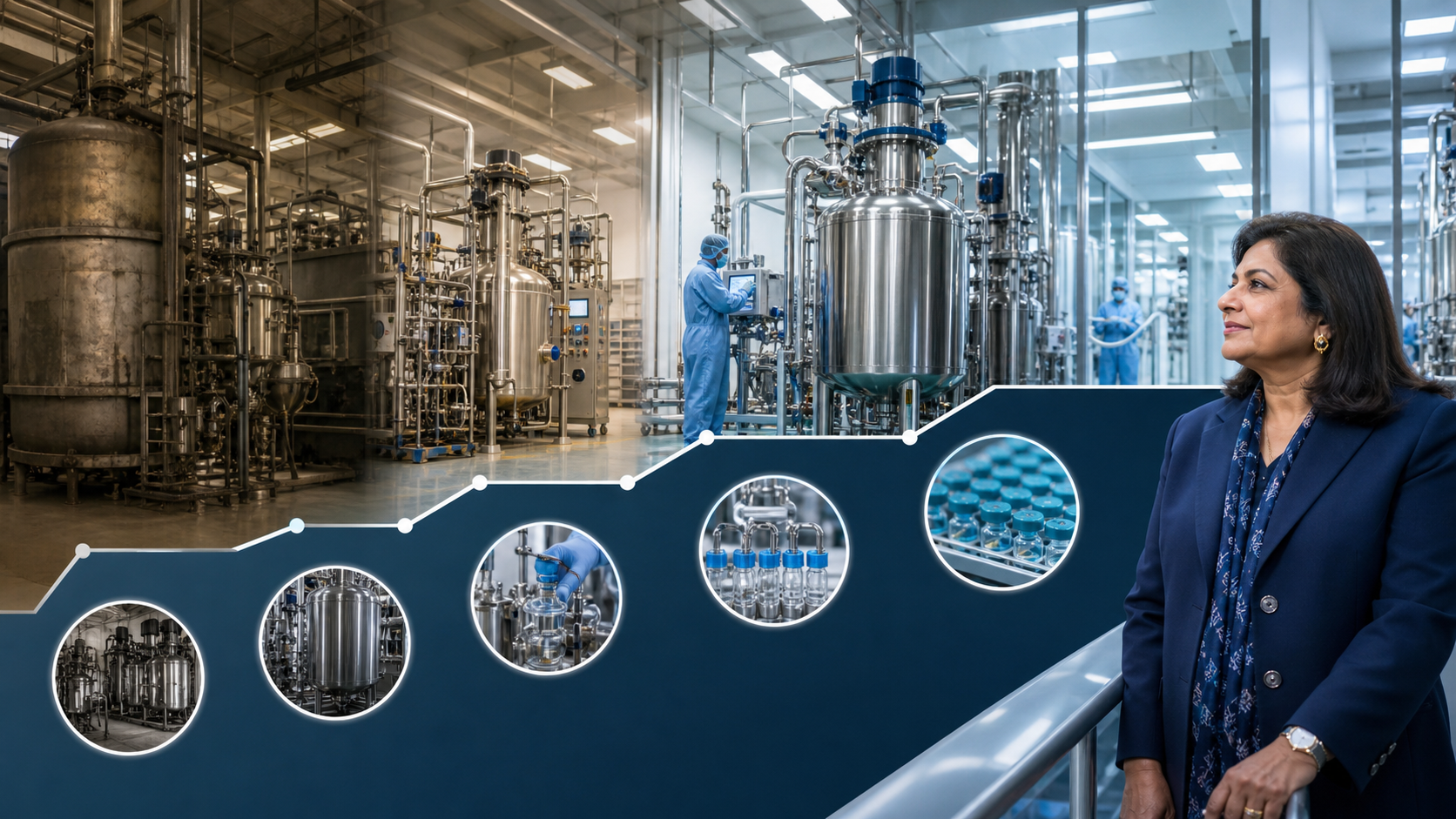
Industrial enzymes can create a strong business, but medicines offer a larger and more defensible value pool. Moving into pharmaceuticals, however, changes almost everything.
The company must manage clinical evidence, regulatory submissions, pharmacovigilance, sterile manufacturing, intellectual property, long development cycles, and the possibility that years of investment produce no approved product.
Biocon’s evolution involved several layers:
- Fermentation and enzyme production built process expertise.
- Active pharmaceutical ingredients deepened chemistry and manufacturing.
- Branded formulations created commercial capabilities.
- Biologics and biosimilars required complex development and regulatory systems.
- Research services created another way to monetize scientific infrastructure.
Biosimilars became especially important. Unlike small-molecule generics, biologic medicines are large, complex molecules produced in living systems. A biosimilar must demonstrate close similarity to a reference product and satisfy demanding regulatory standards. Manufacturing consistency is strategic.
Biocon pursued products in areas including diabetes, oncology, and immunology. Partnerships helped share cost, access markets, and navigate regulation. The company also developed research-services businesses, including Syngene, which offered scientific capabilities to global clients.
This portfolio reduced dependence on one bet but increased organizational complexity. A founder who begins with a small fermentation operation must eventually manage scientists, regulators, global partners, manufacturing plants, investors, and public-health expectations.
What risks came with Biocon’s global ambition?

Biopharma growth is uneven. Regulatory timelines slip. Manufacturing observations can delay supply. Partnerships change. Acquisitions can add scale while increasing debt and integration risk. Product prices face political pressure because medicines affect lives, not merely consumer preference.
Biocon’s move toward a larger global biologics footprint required substantial capital and management attention. The strategic case was clear: own more of the development, manufacturing, and commercial chain. The execution burden was equally clear.
Mazumdar-Shaw also operated inside a public debate about affordable access. Biosimilars can expand competition in expensive biologic categories, but producing them is not cheap. Companies must balance affordability, quality, return on capital, and continued research.
Her public profile expanded beyond Biocon. She became an advocate for science, entrepreneurship, healthcare capacity, and philanthropy. This visibility helped make biotechnology legible to a broader Indian business audience. It also tied her reputation closely to the company’s successes and setbacks.
The larger economic story is significant. India had already demonstrated strength in generic pharmaceuticals and technical talent. Biocon argued that the country could also build complex biologics, research platforms, and global intellectual property.
That climb matters because emerging economies often get trapped in lower-margin manufacturing. Mazumdar-Shaw pursued a different arc: use manufacturing discipline as the base, then keep moving toward harder science and higher-value capabilities.
What is Kiran Mazumdar-Shaw’s real business legacy?
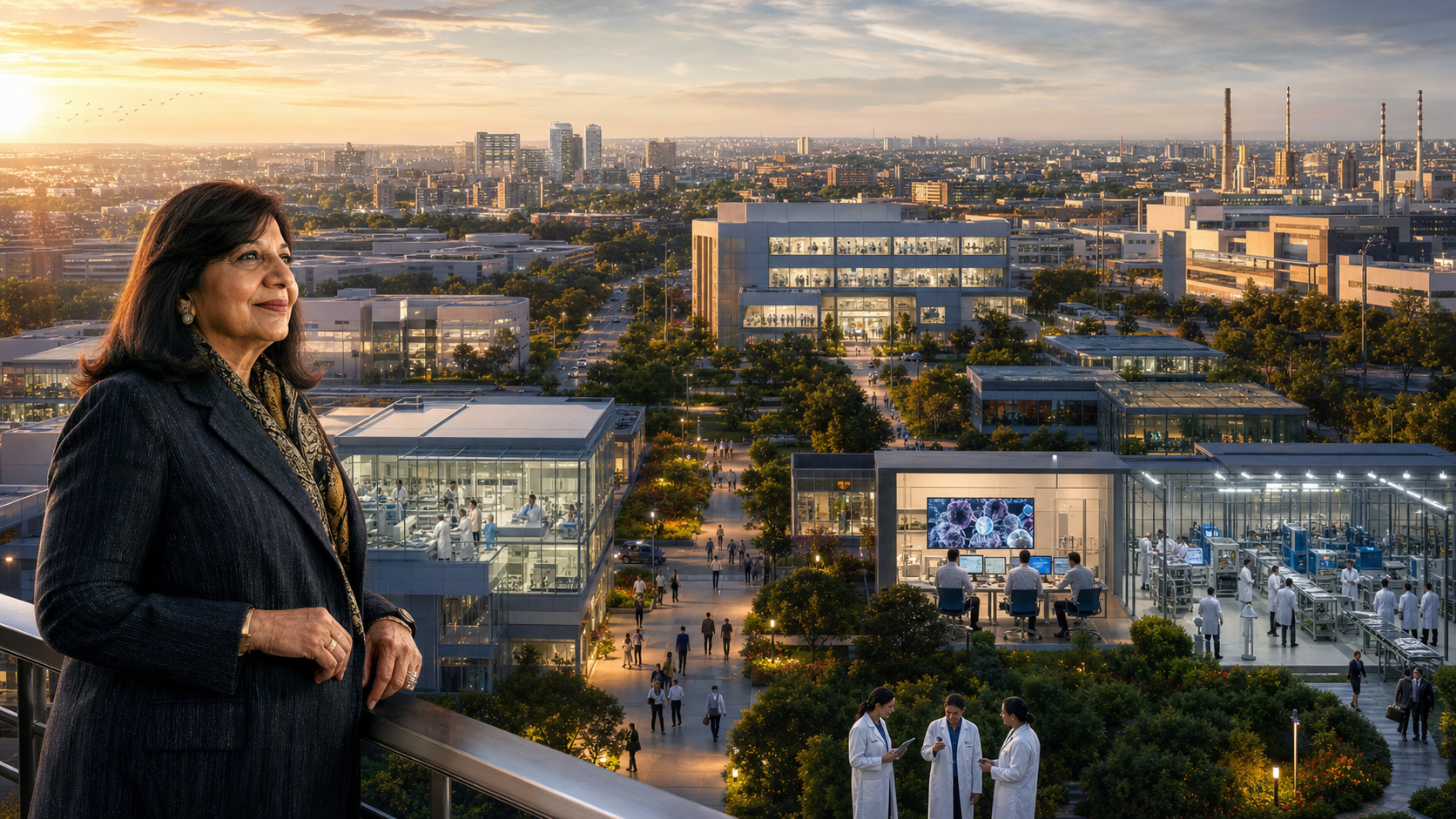
Mazumdar-Shaw’s story is often framed as triumph over sexism, and that is undeniably part of it. But the business lesson goes deeper.
She converted rejection into strategic adjacency. Brewing led to fermentation; fermentation led to enzymes; enzymes led to biopharma; biopharma led to a platform. Each step reused knowledge from the previous one while demanding a new organizational capability.
She also understood the compounding value of credibility. In regulated science, brand is not merely marketing. It is a record of quality systems, inspections, data, delivery, and ethical conduct. Credibility can take decades to build and one failure to damage.
Frequently asked questions
When did Kiran Mazumdar-Shaw found Biocon?
She founded Biocon India in Bengaluru in 1978.
What did Biocon originally produce?
The company began with industrial enzymes made through fermentation processes.
How did Biocon enter medicine?
It progressively expanded from enzymes into pharmaceutical ingredients, formulations, biologics, biosimilars, and research services.
Why are biosimilars strategically important?
They can introduce competition into expensive biologic medicine categories, but require sophisticated manufacturing and regulatory evidence.
The real lesson is that founders do not always leap into the final market. Sometimes they build a staircase. Mazumdar-Shaw began with a capability the market would buy, used it to earn capital and trust, and climbed toward a more difficult ambition. Biocon’s empire was fermented slowly—one layer of credibility at a time.
💡 Key Insights
- ▸ Mazumdar-Shaw entered biotechnology through fermentation, turning brewing expertise into a platform for enzymes and medicines.
- ▸ Biocon's evolution required moving from service and manufacturing economics toward regulated products and intellectual property.
- ▸ Building scientific credibility in India demanded patient capital, talent development, and international quality standards.
- ▸ The company demonstrates how an emerging-market founder can climb a value chain rather than remain a low-cost supplier.