Mary Barra: The GM Operator Betting Detroit's Future on an Electric Transition
Mary Barra rose from a GM co-op student to chief executive, then committed America's largest automaker to a costly reinvention spanning EVs, software, batteries, and autonomy.
View all stories about this mogul
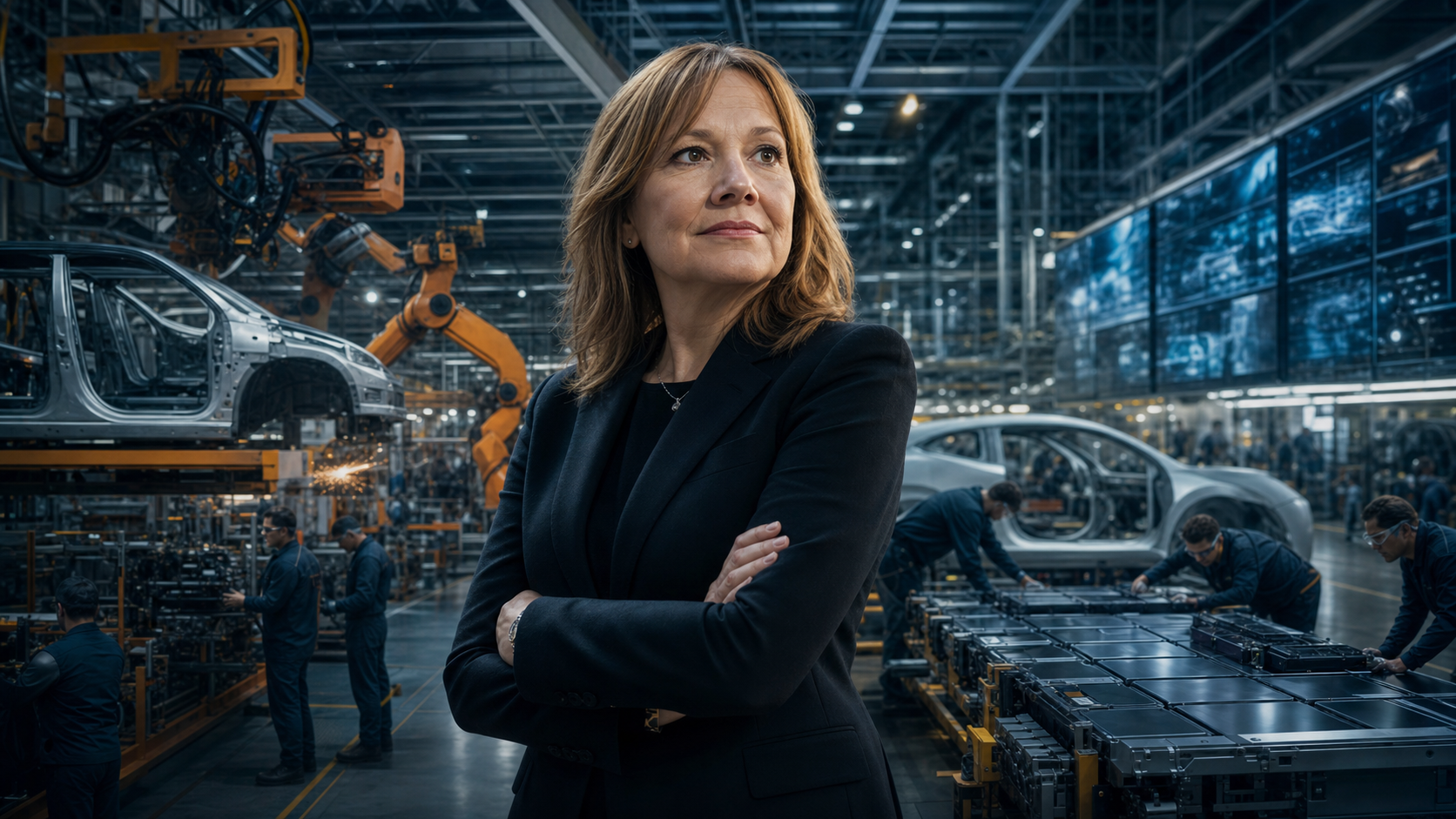
Mary Barra did not arrive at General Motors as a celebrity turnaround artist. She entered as an engineering co-op student in 1980, learned the company from inside its factories and staff functions, and climbed for more than three decades before becoming chief executive in 2014. Her wager is that the same industrial giant that mastered the combustion era can survive the software-and-battery era without destroying the cash engine funding the transition.
That is harder than declaring an all-electric future. GM must design batteries, secure minerals, retool plants, negotiate with labor, maintain profitable trucks and SUVs, build charging partnerships, improve software, and persuade mainstream customers that the new vehicles are better—not merely newer.
How did Mary Barra rise from the factory floor to GM’s top job?
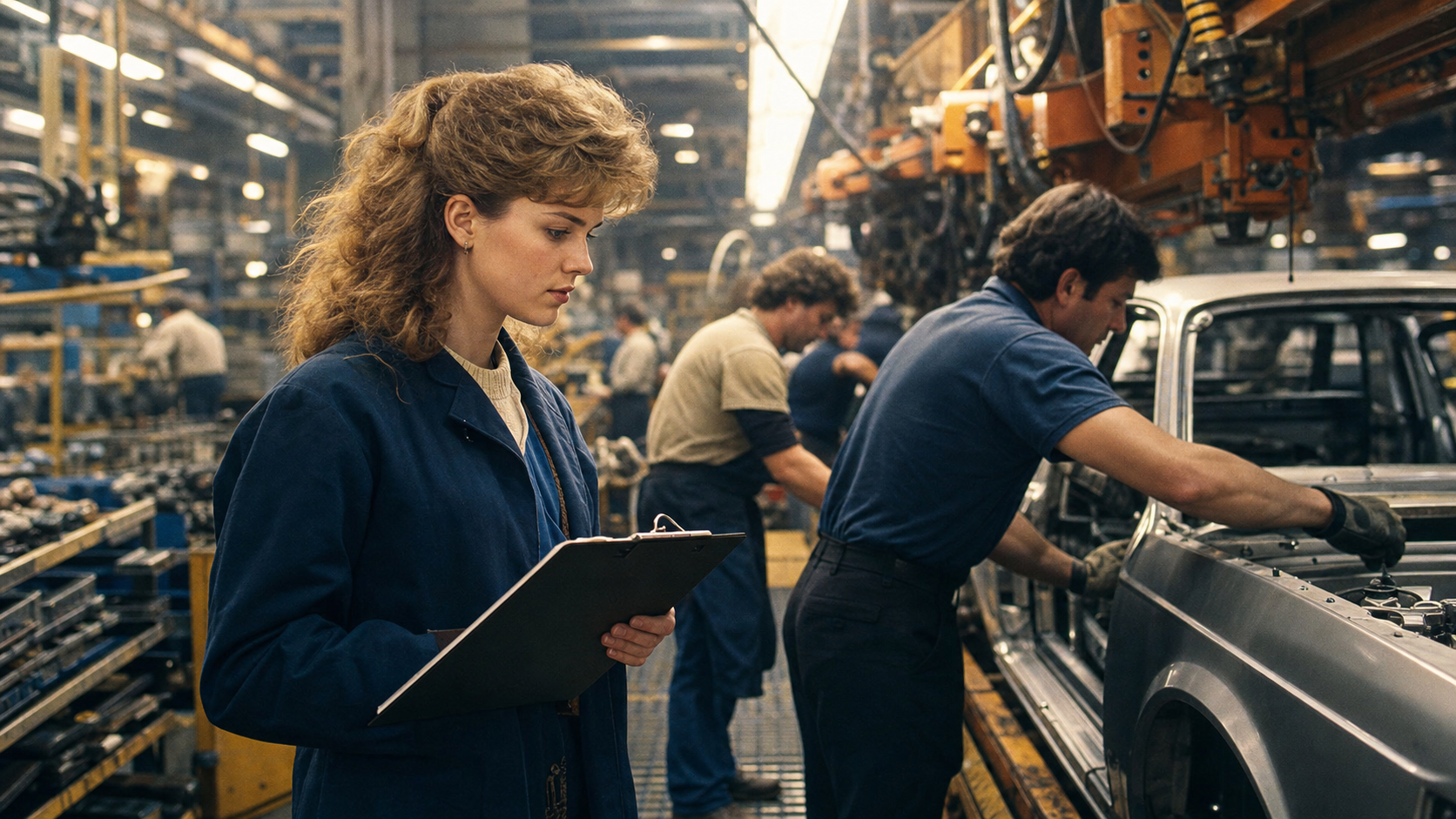
Barra began at the General Motors Institute, now Kettering University, and worked in a Pontiac plant while studying electrical engineering. The co-op route mattered. It exposed her to the physical reality of manufacturing: quality problems become warranty costs, late parts stop lines, and a design choice that looks elegant on paper can punish the worker assembling it thousands of times.
Her career moved through engineering, manufacturing, human resources, product development, purchasing, and supply chain leadership. Those roles gave her an unusually broad view of how decisions travel through GM’s bureaucracy.
When Barra became CEO, GM had emerged from its 2009 bankruptcy but still carried the habits of a sprawling legacy organization. Almost immediately, she faced the ignition-switch crisis involving defective switches linked to crashes and deaths. Barra testified before Congress and ordered internal investigations. The episode placed safety, accountability, and information flow at the center of her early tenure.
The managerial lesson was brutal: a company can possess immense engineering talent while still failing when warnings scatter across silos. Barra pushed the phrase “speak up for safety” and reorganized parts of product development. Whether any culture is permanently fixed is difficult to prove, but the crisis defined the standard against which her leadership would be judged.
Why is GM’s electric transition an industrial systems bet?
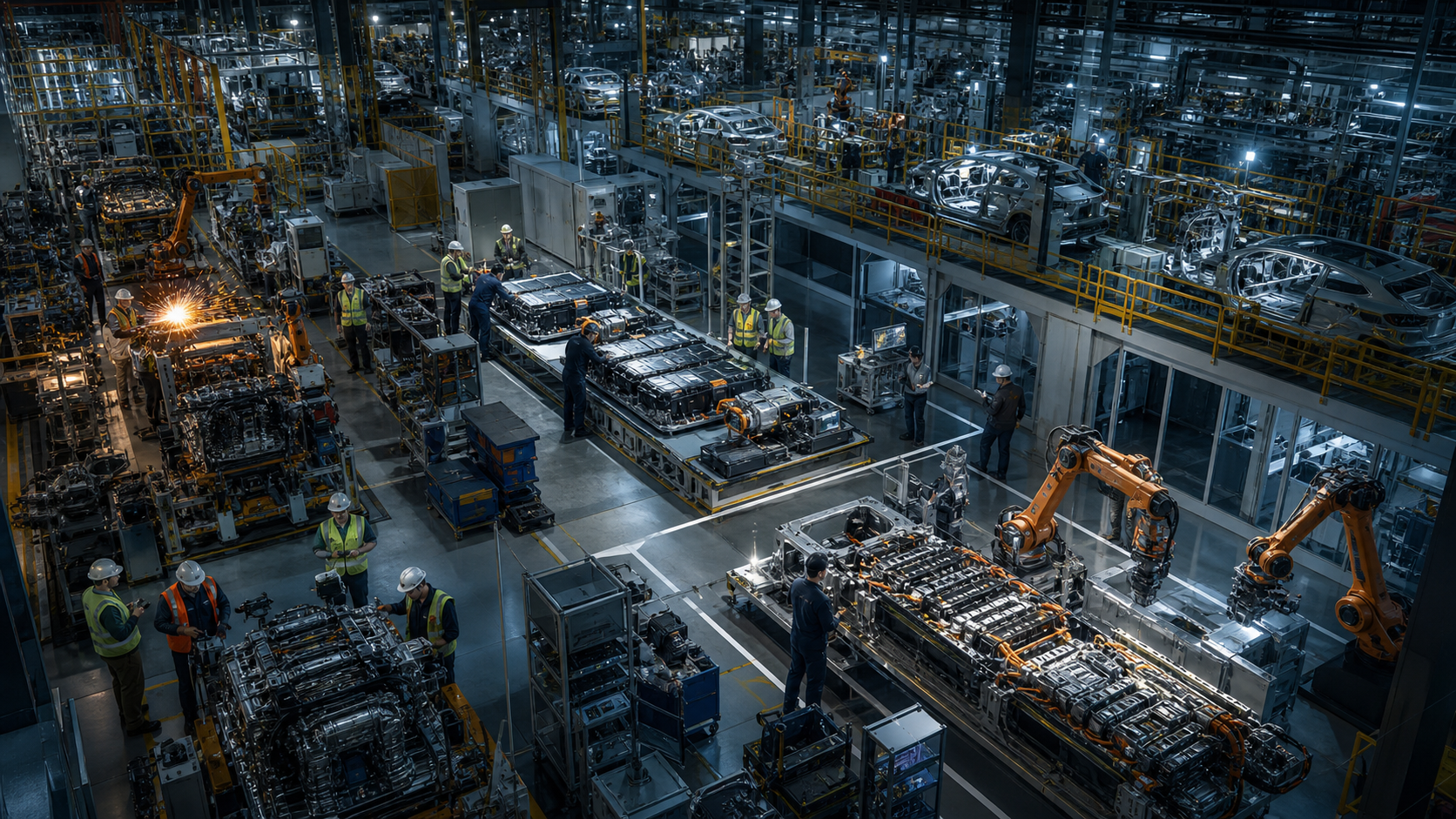
Electric vehicles remove the engine and transmission that organized much of the old automotive value chain. They add large battery packs, power electronics, electric motors, thermal systems, and far more dependence on software. For GM, the transition reaches every layer of the business.
The company developed its Ultium battery architecture as a flexible foundation for multiple vehicle sizes and brands. The promise of a common system is purchasing scale and faster product development. The danger is concentration: when a shared component, manufacturing process, or software layer struggles, delays can spread across several launches.
GM invested in battery-cell joint ventures and North American manufacturing. Local production can qualify vehicles for policy incentives and reduce some supply-chain exposure, but plants demand billions before they reach efficient utilization. If demand grows slower than expected, fixed costs weigh on margins. If demand accelerates, a late factory becomes a bottleneck.
Barra therefore has to run two companies inside one balance sheet. Combustion vehicles, especially pickups and large SUVs, generate much of the cash. Electric programs consume capital as they scale. Killing the old business too quickly would starve the new one; protecting it too long could surrender the future.
What did software and autonomy reveal about the limits of scale?
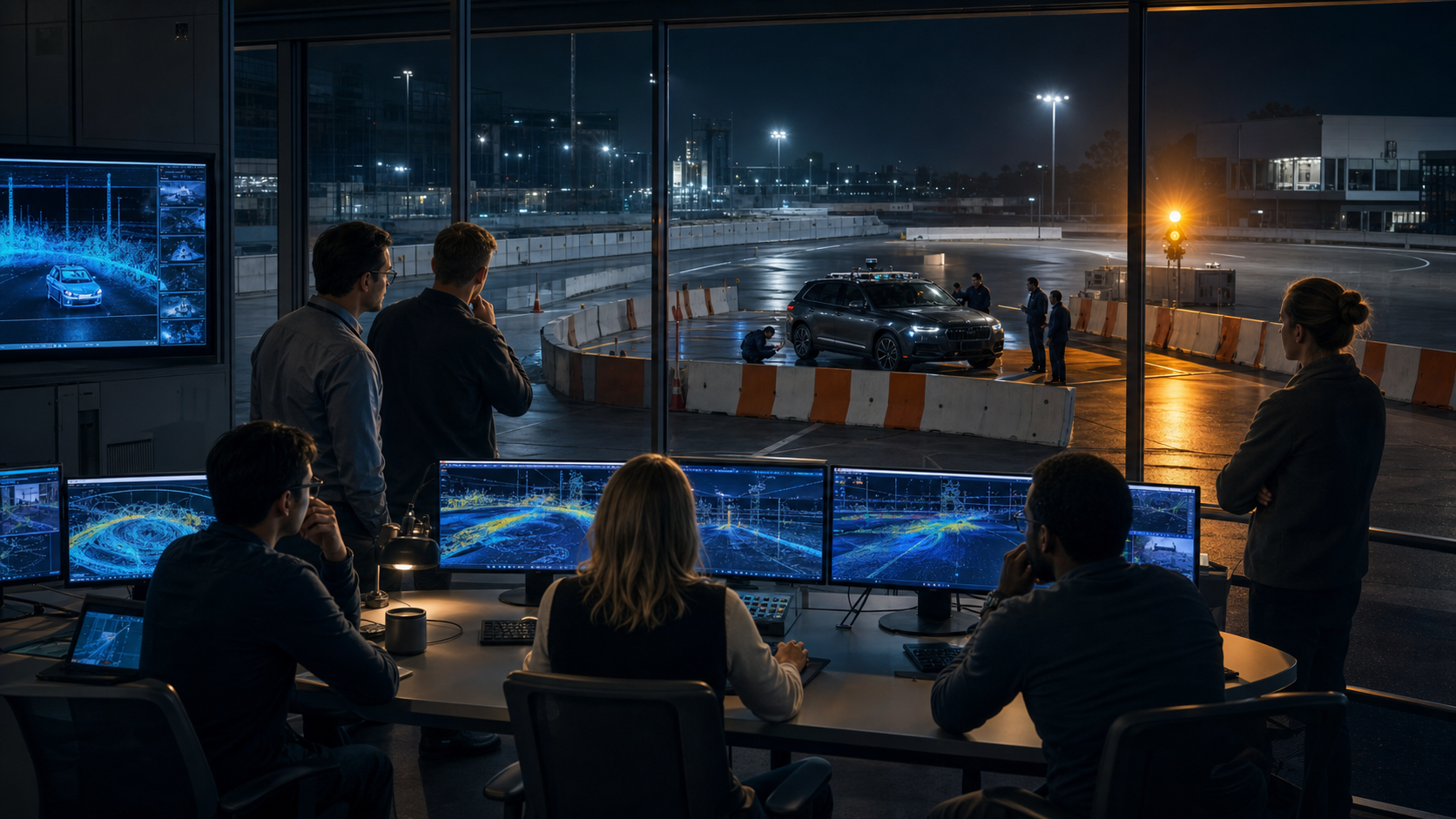
Tesla demonstrated that software could shape the ownership experience long after a car left the factory. Traditional automakers were built around model years, supplier contracts, and dealer service. Continuous updates require different engineering practices, data systems, and accountability.
GM has tried to build more software internally, connect vehicles through its OnStar heritage, and expand advanced driver-assistance systems such as Super Cruise. It also backed Cruise, the autonomous-vehicle company whose driverless ambitions promised a new mobility platform.
Cruise’s progress and setbacks showed why capital alone cannot compress safety learning. Autonomous systems operate in public space, where edge cases have human consequences and regulators demand evidence. After a serious 2023 incident and regulatory scrutiny, Cruise paused driverless operations and GM tightened control and spending.
For Barra, the episode exposed a recurring tension. A large company can fund moonshots that smaller rivals cannot. It can also create distance between a subsidiary’s growth incentives and the parent company’s risk tolerance. The job is not simply to encourage innovation; it is to know when enthusiasm has outrun operating evidence.
What will determine Mary Barra’s legacy at General Motors?
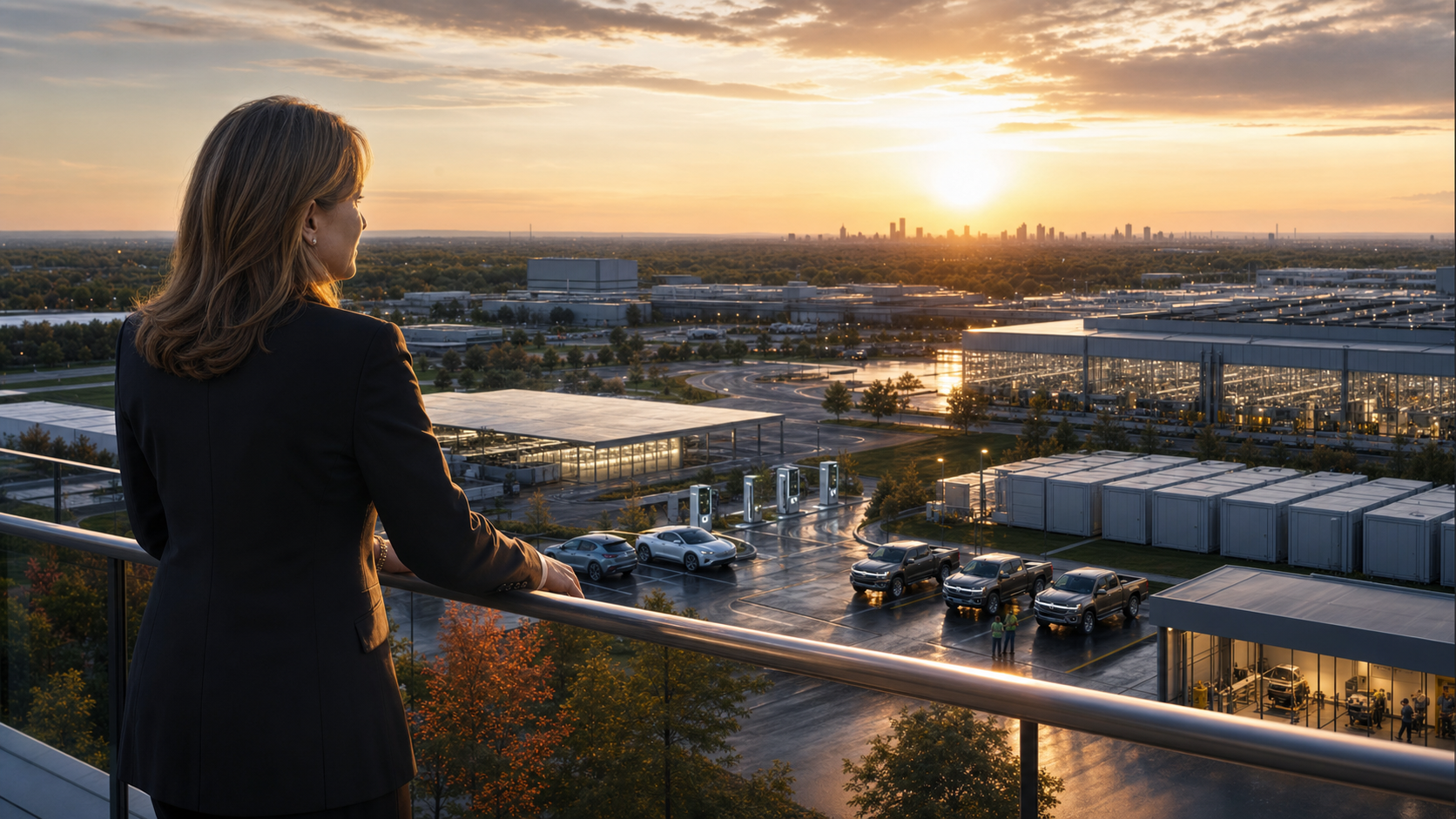
Barra’s legacy will not be settled by one launch or one annual delivery number. The transition will be judged across a cycle: product desirability, battery cost, plant utilization, software quality, warranty performance, dealer execution, and return on invested capital.
GM retains formidable advantages. It understands mass manufacturing, crash standards, supply chains, financing, service networks, and the preferences of millions of buyers. Its pickup and SUV franchises create brand loyalty and cash flow. Those strengths matter when a vehicle must perform for years in heat, snow, and heavy use.
The liabilities are equally real. Organizational size slows feedback. Dealers and factories add stakeholders to every decision. New competitors can design around electric architecture without defending an installed combustion base. Chinese automakers have increased pressure on battery costs and product cadence, even where trade barriers limit direct competition.
Barra’s strategy is ultimately an argument that industrial competence compounds. She is betting GM can learn batteries and software without forgetting the manufacturing discipline that built its scale.
Frequently asked questions
When did Mary Barra become CEO of GM?
She became chief executive in January 2014 and later also became chair of the board.
Did Mary Barra start her career at GM?
Yes. She joined the company as a co-op student in 1980 while studying engineering.
What is the central risk in GM’s EV strategy?
GM must invest ahead of demand while continuing to fund and manage its profitable combustion portfolio. Mistiming either side can damage returns.
The real lesson is that reinvention at industrial scale is a sequencing problem. Barra cannot replace one company with another overnight. She must make the old machine finance the new machine, then prove that the new machine can stand on its own.
💡 Key Insights
- ▸ Barra's rise shows how operational depth can become strategic authority in a century-old industrial company.
- ▸ An electric transition is not a product launch; it is a simultaneous rewrite of factories, suppliers, software, labor, and capital allocation.
- ▸ Scale protects GM during reinvention, but it also makes every platform decision expensive and slow to reverse.
- ▸ Legacy will depend on converting announced ambition into vehicles customers choose at sustainable margins.