Mary Kay Ash: The Sales System That Turned Recognition Into a Cosmetics Empire
Mary Kay Ash built a direct-selling giant by converting recognition, flexible work, and repeatable rituals into a powerful field-sales operating system.
View all stories about this mogul
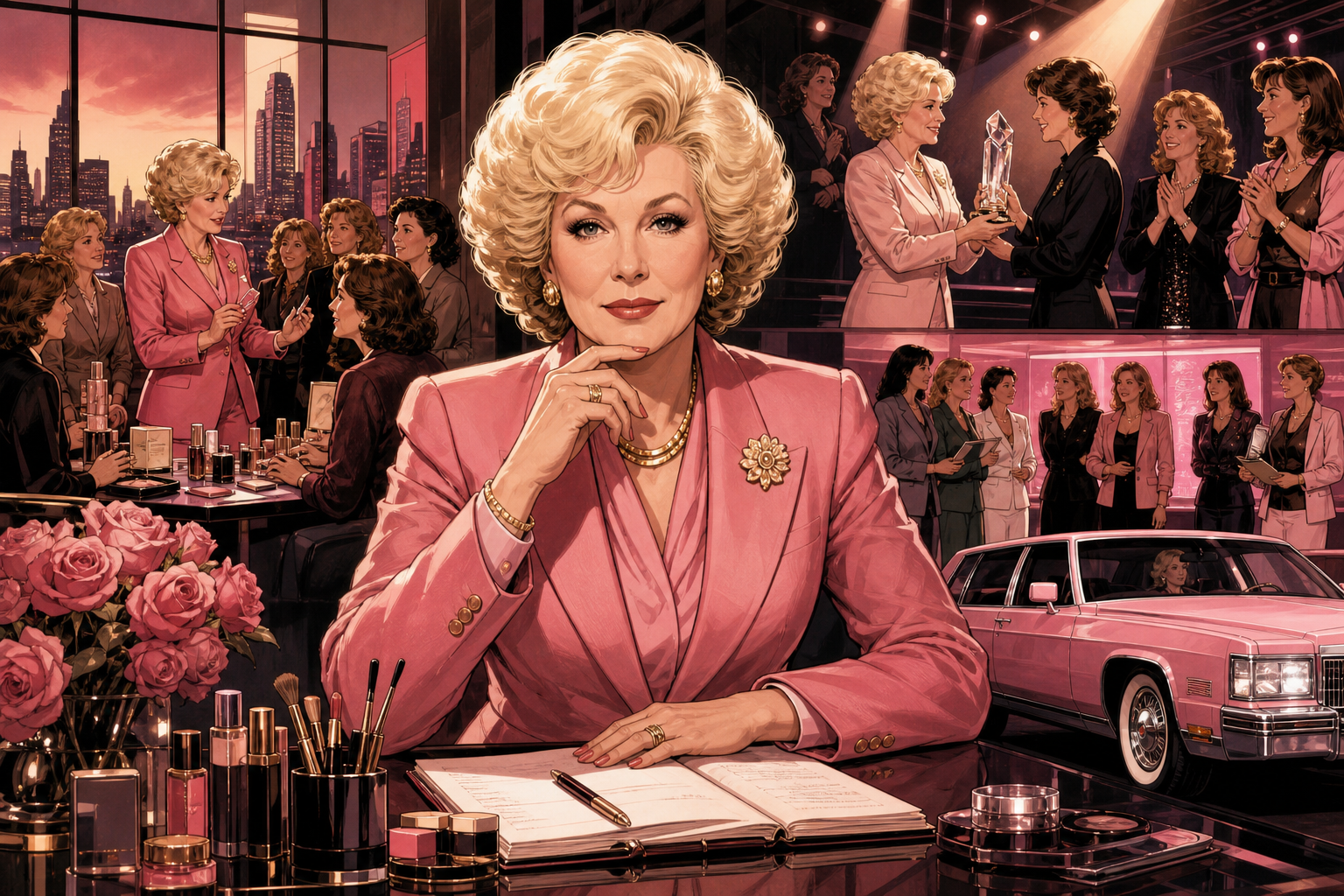
Mary Kay Ash did not build a cosmetics company by inventing lipstick. She built it by turning recognition into an operating system.
When Ash started Beauty by Mary Kay in Dallas in 1963, she had years of direct-sales experience and a clear grievance. Women could sell, recruit, train, and manage, yet watch men they had prepared receive the promotions. Her response was not merely to leave. She designed a company around the incentives and respect she believed the existing system withheld.
The resulting business combined cosmetics with independent beauty consultants, home demonstrations, recruiting, training, prizes, and a culture famous for pink Cadillacs. The visible symbols were sometimes dismissed as pageantry. Economically, they performed serious work: they made achievement legible across a distributed sales force and taught participants which behaviors the organization valued.
How did workplace frustration become a repeatable sales architecture?
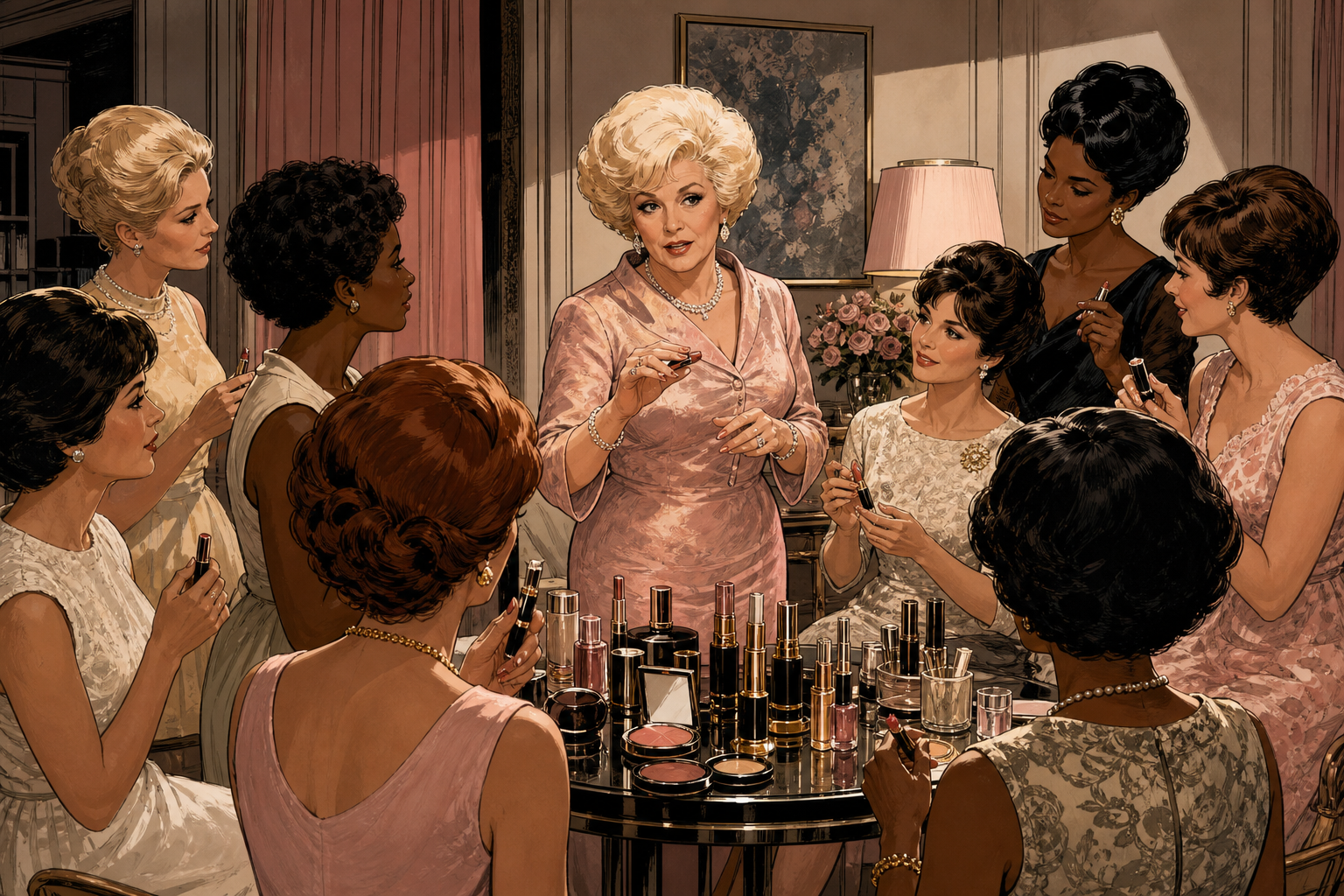
Ash had worked in direct selling for companies including Stanley Home Products and World Gift. She learned the mechanics of person-to-person commerce: demonstrations reduce uncertainty, relationships support repeat purchases, and a strong field leader can multiply herself by teaching others.
She also learned where the model could fail. A dispersed workforce receives little of the daily feedback available in an office. Pay may be variable, rejection is frequent, and advancement can feel arbitrary. Without a clear ladder and social reinforcement, sellers leave.
Mary Kay addressed that coordination problem with a structured culture. Consultants received product knowledge, sales scripts, meeting rituals, recognition events, and the possibility of building teams. The company sold inventory and support to a field organization that then sold to consumers through personal relationships.
The product mattered. Skin-care routines and color cosmetics could be demonstrated, replenished, and expanded into a basket. A customer who trusted a consultant had someone to call for advice and reorders. That relationship acted as a distribution channel before digital subscriptions and influencer commerce made recurring personal recommendations familiar.
Ash articulated principles such as treating others as one wished to be treated and ordering priorities around faith, family, and career. Those ideas gave the company a distinct language. They also matched a practical recruitment message: women could pursue income while retaining more control over their schedules than many conventional jobs offered at the time.
This was empowerment expressed through a commercial structure. It was not risk-free. Independent sellers carried uncertainty over demand, time, and expenses. The strength of the architecture depended on whether product sales to real customers remained central.
Why did pink Cadillacs and praise function like business infrastructure?
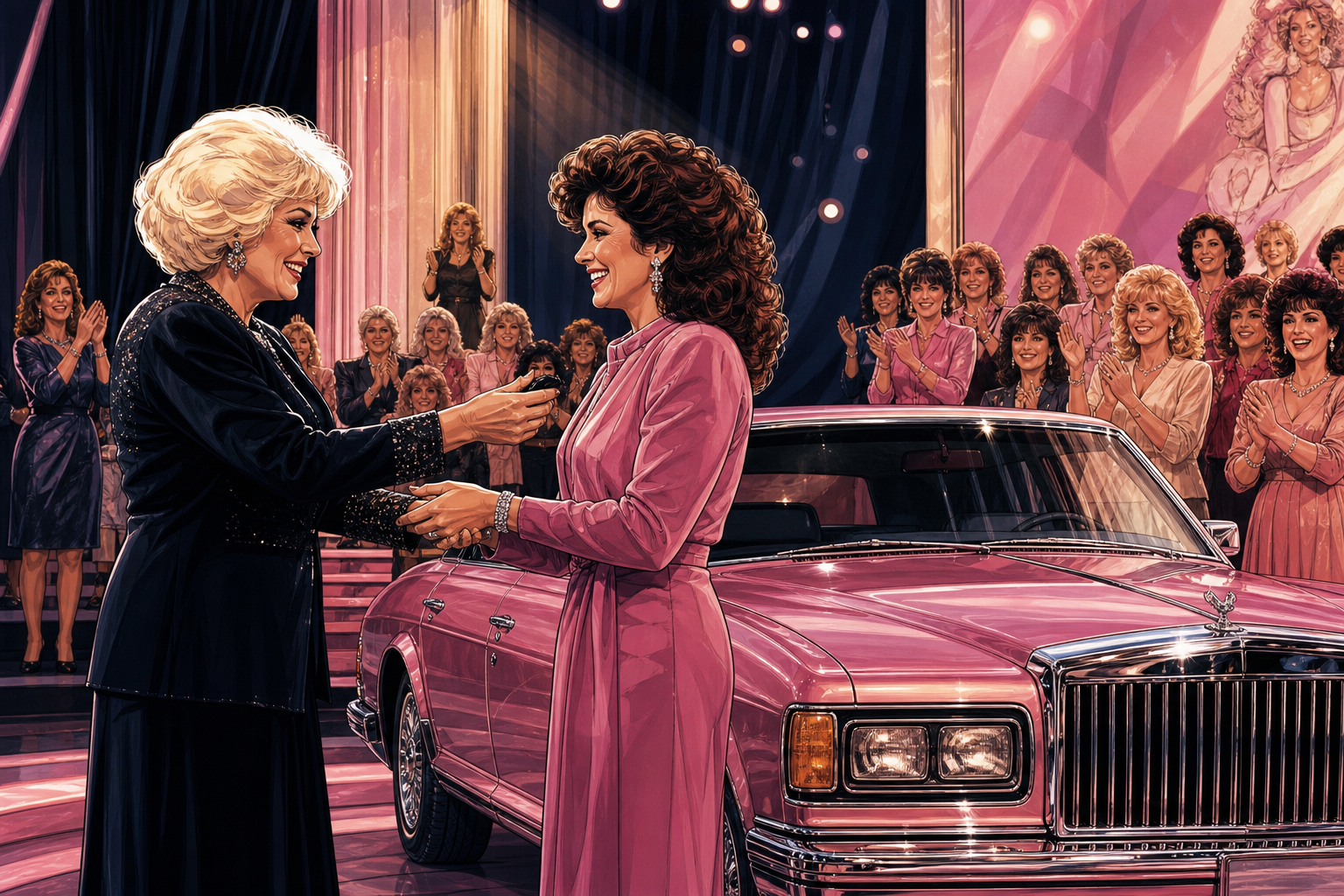
In 1969, the company began using pink Cadillacs as highly visible rewards for top performers. The car was extravagant, unmistakable, and mobile. Every trip through a neighborhood advertised both the brand and a possible status inside the organization.
Recognition solved several problems simultaneously. It replaced some of the titles and offices unavailable in a decentralized network. It created stories for meetings. It gave new consultants a concrete image of progress. And it allowed the company to reward behavior without controlling every interaction.
The deeper mechanism was a tournament. Salespeople could see ranks, prizes, and celebrated examples above them. Tournaments can motivate extraordinary effort, but they also concentrate attention on winners. Responsible interpretation requires looking beyond the most visible success story to the range of participant outcomes, costs, and hours worked.
Ash understood that money alone did not produce loyalty. Public praise, handwritten notes, stage recognition, and leadership access could carry emotional value. In a workforce often treated as marginal, being seen was powerful.
But culture is not a substitute for unit economics. A consultant needs products customers want at prices they will pay. Inventory must turn. Returns and repurchases must be clear. Training must improve customer service rather than only recruiting enthusiasm. When symbols become detached from consumer demand, recognition can conceal fragility instead of reinforcing performance.
Mary Kay’s system endured because the rituals were teachable. Directors could run meetings and recognize consultants without Ash in the room. The founder’s personality became a set of routines distributed through thousands of local interactions.
What does the Mary Kay model reveal about opportunity and risk?

The company created a path into selling and leadership for many women when corporate options were narrower. A consultant could begin with limited formal credentials, learn presentation and management skills, and build a network. For some, that flexibility and community were meaningful economic and personal assets.
The model also shifted important risks away from a centralized retail employer. Independent participants supplied time, social relationships, and sometimes inventory capital. Income was not guaranteed. Recruiting incentives could complicate the boundary between building a productive team and expanding a network faster than customer demand justified.
Those tensions belong in any serious assessment of direct selling. Celebrating access does not require ignoring uneven outcomes; criticizing risk does not erase the agency of people who valued the model. The essential governance question is whether incentives reward sustainable retail activity and transparent participant economics.
Ash stepped down from day-to-day management but remained a defining presence until her death in 2001. The company expanded internationally and preserved a recognizable identity across markets. Its longevity demonstrates the strength of a culture encoded in stories, ceremonies, colors, and promotion systems.
Modern digital commerce has changed the terrain. Social platforms make personal selling easier to broadcast but harder to control. Consumers can compare prices instantly, while consultants compete with creators, marketplaces, and brand-owned channels. The original relationship advantage must now earn attention in a crowded feed.
The real lesson is that culture becomes an economic asset when it coordinates behavior at scale. Mary Kay Ash transformed recognition from a courtesy into a distribution technology—but the system remains credible only when its symbols are backed by customer value and honest opportunity.
💡 Key Insights
- ▸ Recognition can be an operating tool when it reinforces specific selling and leadership behaviors.
- ▸ A field-sales network scales only when training and rituals travel without the founder.
- ▸ Flexible entrepreneurship creates opportunity while shifting inventory and income risk toward participants.
- ▸ A distinctive culture can lower coordination costs, but it must remain accountable to economic reality.