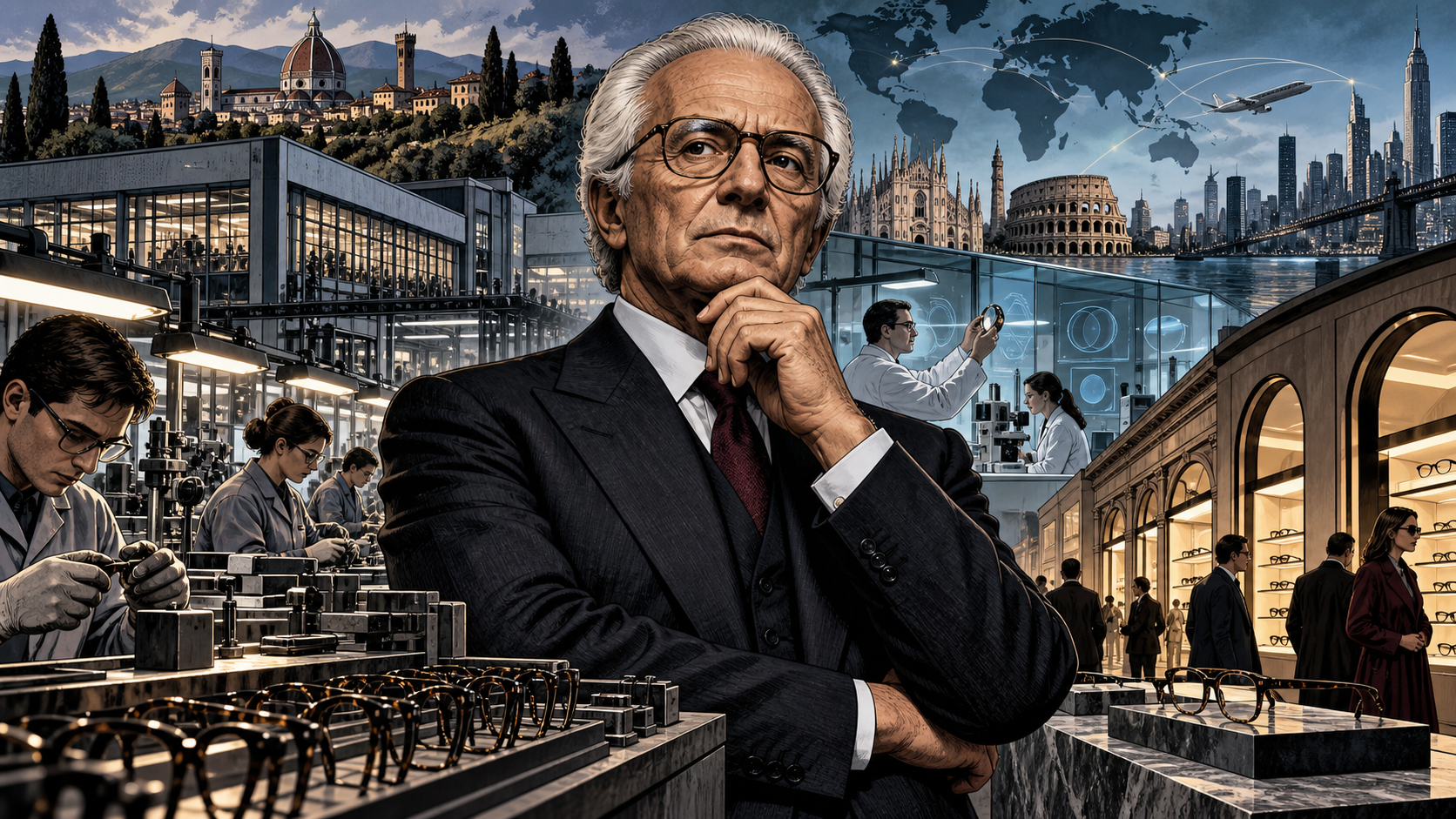
Miuccia Prada: The Contrarian Designer Who Turned Ugly Chic Into a Global Luxury Empire
Miuccia Prada rejected obvious glamour, made industrial nylon luxurious, and built a fashion empire on intellectual tension—then had to industrialize the contradiction.
View all stories about this mogul
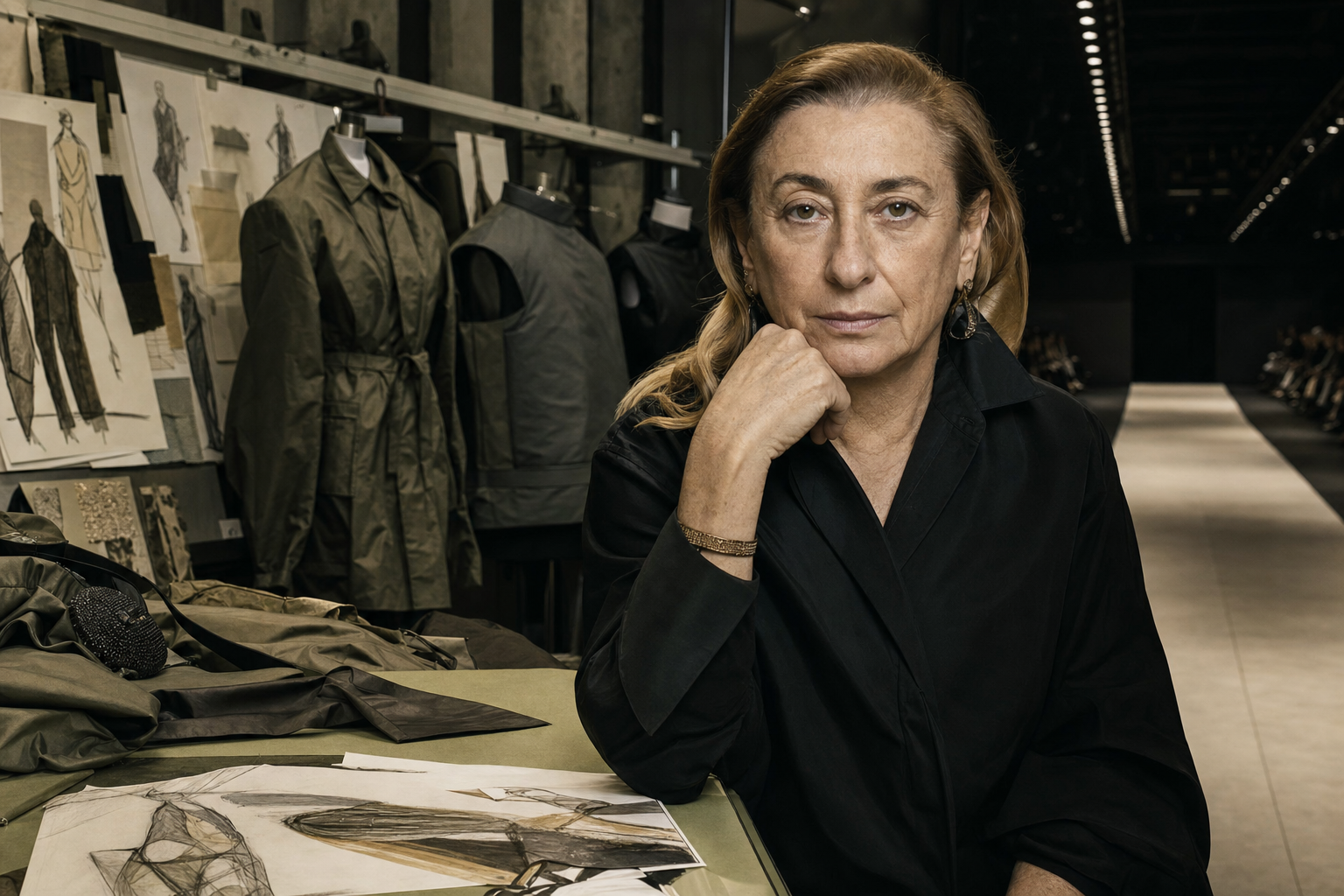
Miuccia Prada made luxury feel intelligent enough to argue with itself.
Where rivals offered obvious seduction, she offered austere nylon, severe shapes, strange color combinations, and collections that could appear deliberately awkward. The point was not ugliness for shock. It was tension: bourgeois and rebellious, beautiful and unsettling, practical and precious.
That creative position turned a Milanese leather-goods house into a global fashion force. The business story is about converting contrarian taste into repeatable economic power without smoothing away the contradiction customers came to buy.
Chapter 1: The Heir Who Distrusted Fashion
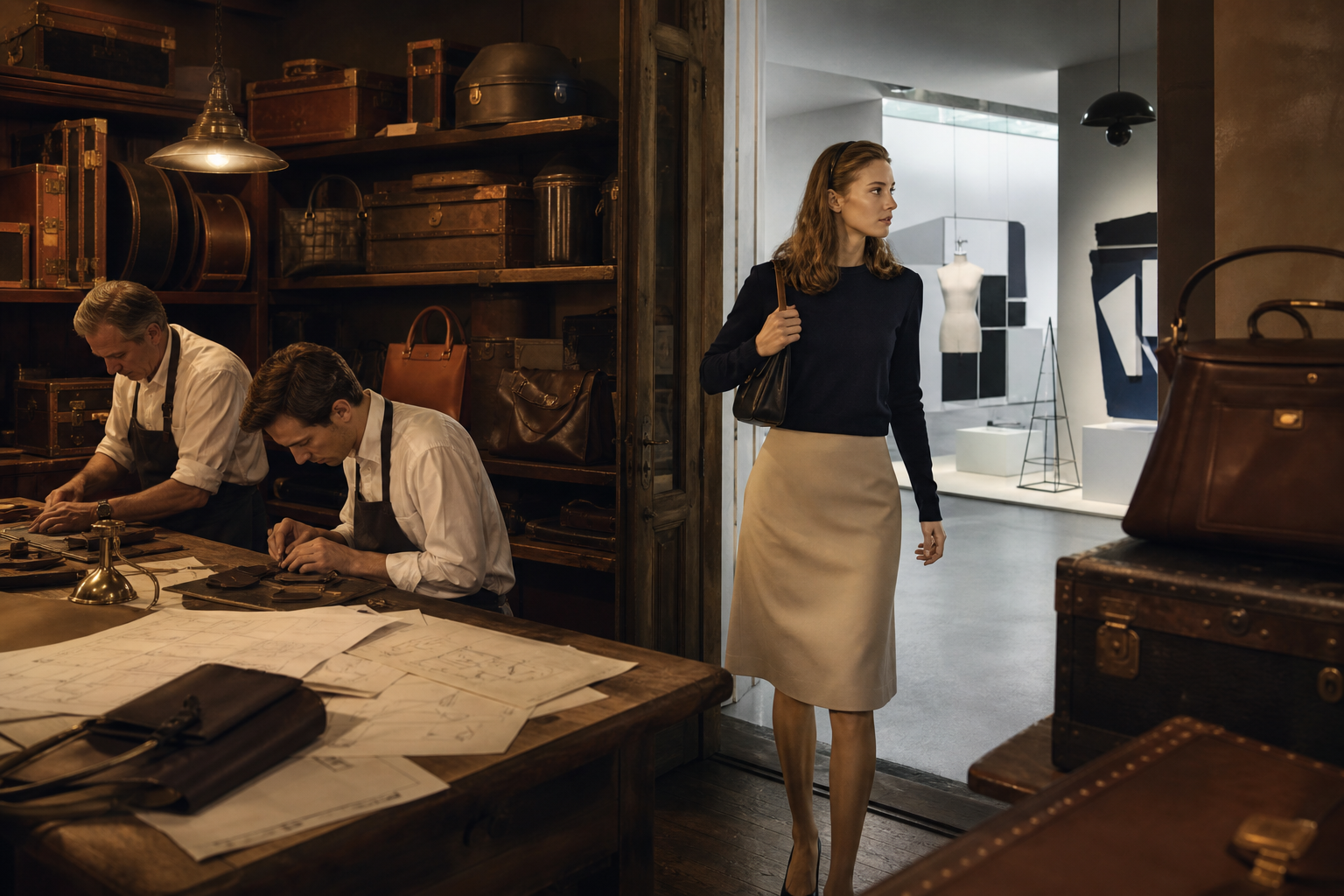
The Prada business began in 1913 as a Milan shop known for leather goods and travel items. Miuccia Prada joined the family company decades later with an intellectual background and interests that did not fit the standard profile of a luxury heiress.
That distance became an advantage. She did not treat inherited codes as sacred. With Patrizio Bertelli, her business partner and later husband, she developed a combination that would define the group: Miuccia supplied the difficult creative proposition; Bertelli supplied industrial urgency and commercial structure.
The black nylon backpack became the clearest early symbol. Nylon was associated with function, not aristocratic luxury. Prada changed the context—precise design, subtle branding, high price, selective distribution—and made material contradiction desirable.
This was more than a hit accessory. It established a brand grammar. Prada customers were invited to recognize taste that did not shout. The absence of conventional decoration became its own status signal.
When the company expanded into ready-to-wear, the clothes carried the same refusal of easy glamour. Collections mixed refinement with elements that looked uniform-like, domestic, retro, or intentionally wrong. Critics eventually coined phrases such as “ugly chic” because conventional vocabulary was insufficient.
Chapter 2: Turning Contrarian Taste Into a Retail System
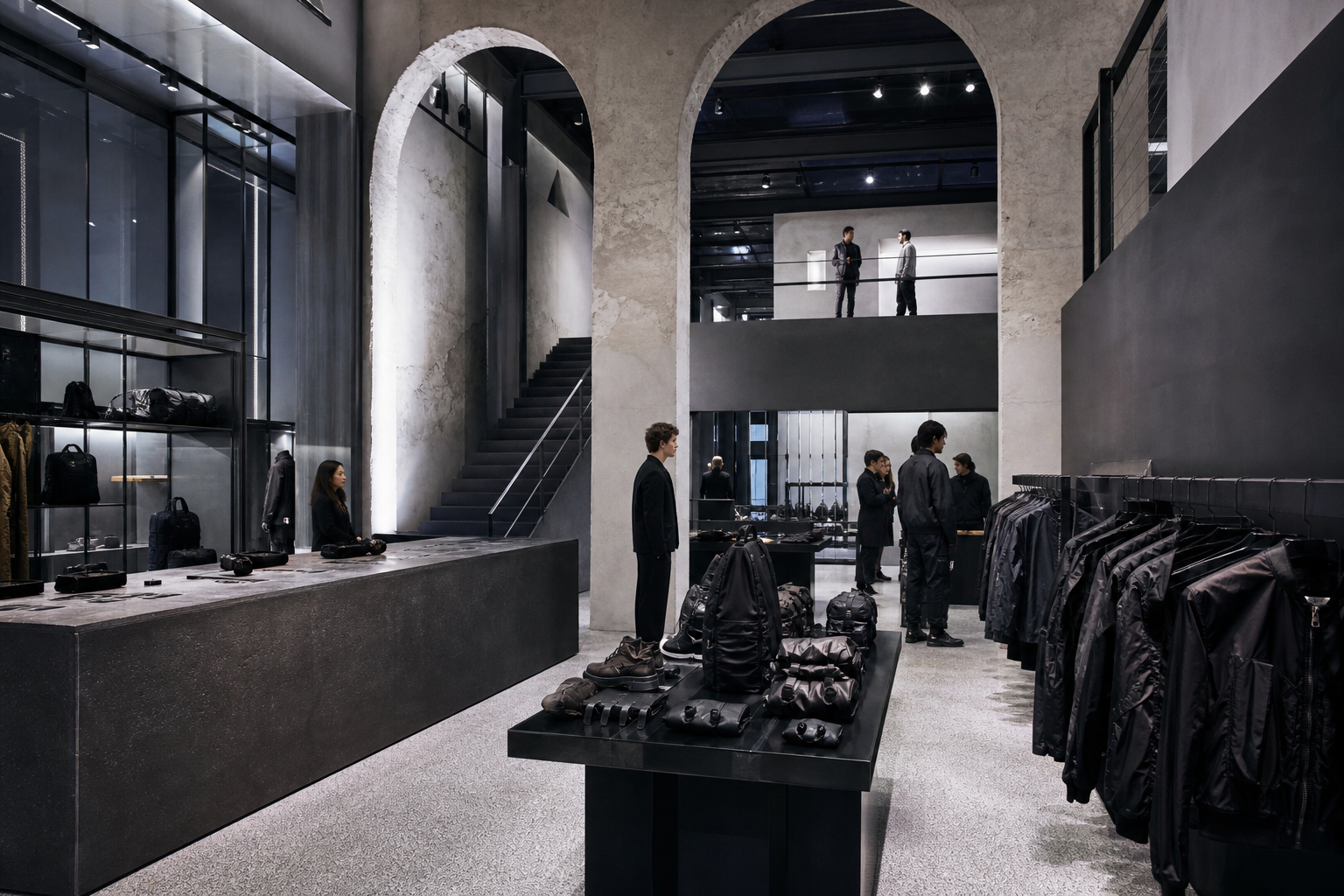
A provocative runway collection creates attention. A luxury empire requires stores, production planning, accessories, merchandising, and inventory discipline.
Prada expanded internationally through highly controlled retail. Architecture became part of the product. Stores did not merely hold handbags; they staged the brand’s modernity. The customer entered an environment where industrial materials and intellectual severity made sense.
Accessories provided economic ballast. Apparel establishes authority, but bags and footwear often reach more customers and generate repeatable volume. Prada’s challenge was to make commercial products recognizable without turning the subtle code into mass-market noise.
The company also launched Miu Miu, a brand with a more playful and youthful identity. It proved that Miuccia’s creativity could operate through a second vocabulary rather than simply producing a cheaper Prada.
This portfolio logic matters. Luxury groups grow when brands attract distinct desires while sharing capabilities behind the scenes. If identities blur, the group gains complexity without gaining customer territory.
Prada’s strongest periods combined creative heat with product clarity. When the runway idea translated into accessories and retail, cultural relevance became cash flow.
Chapter 3: Acquisition Ambition Meets Luxury Economics
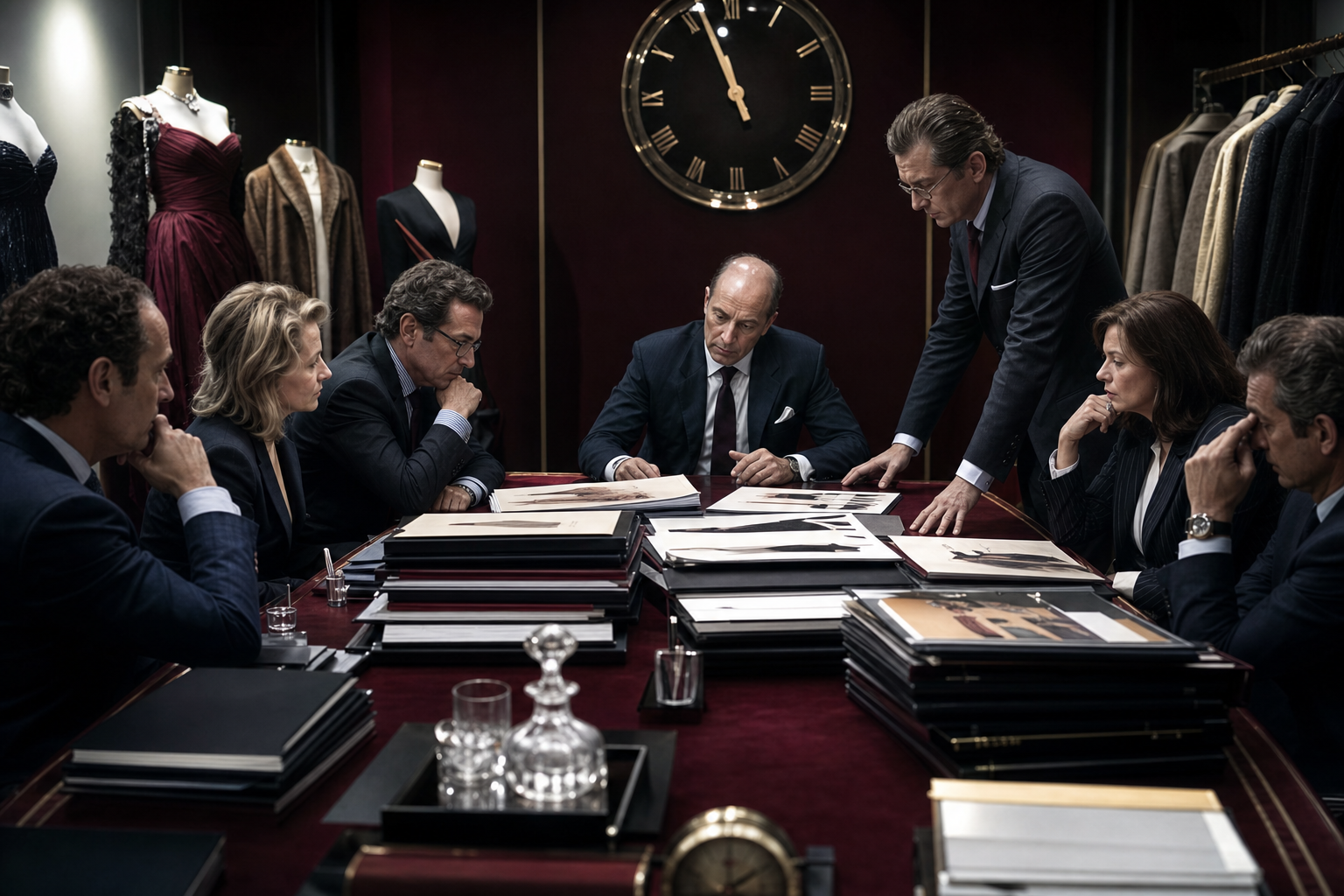
During luxury’s consolidation era, Prada pursued acquisitions and stakes in other fashion businesses. The ambition was understandable. Larger groups could spread distribution, real estate expertise, manufacturing, and capital across multiple houses.
But buying a brand is easier than restoring desire. Fashion assets carry creative histories, wholesale relationships, leases, and organizational habits that resist simple integration. Debt adds a clock: the financial structure demands performance even when brand rehabilitation needs patience.
Prada eventually retreated from parts of the acquisition strategy and concentrated on its core houses. The episode exposed a central rule of luxury: operational synergy cannot substitute for cultural energy.
The group also had to manage cycles in its own brand. Rapid store expansion can produce visibility while locking in fixed costs. Wholesale can extend reach while weakening control. Discounts move inventory but train customers to wait.
Prada’s later work emphasized tighter distribution, stronger digital capability, and renewed creative relevance. The company benefited when consumers again valued distinctive point of view over ubiquitous logos.
The business and creative sides were not enemies. They were a tension that needed active management—much like the clothes themselves.
The Real Lesson
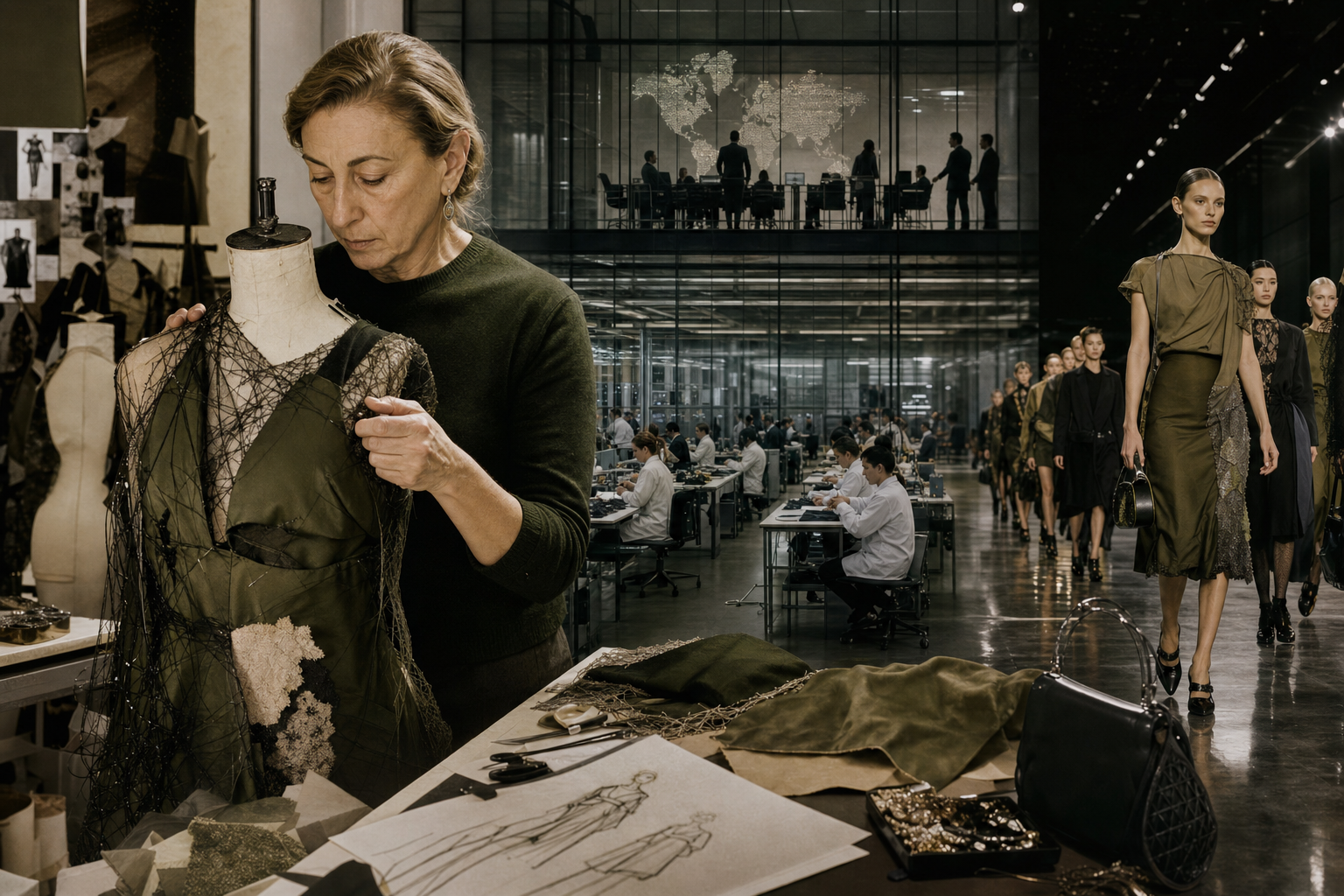
Miuccia Prada demonstrated that luxury value can come from interpretation rather than material alone. Nylon became expensive because the brand taught customers how to see it. An awkward silhouette became desirable because it signaled participation in a more demanding aesthetic conversation.
That power is difficult to copy. A competitor can copy a bag shape faster than it can copy decades of coherent contradiction.
Yet creative authority remains fragile. Scale brings pressure for understandable products, frequent launches, and global consistency. Those forces can erase the strangeness that made a brand matter.
Prada’s empire works when discipline protects experimentation. Production, stores, balance sheets, and succession planning create the platform on which difficult ideas can survive long enough to become desirable.
The lesson is not “be weird.” It is to build an organization capable of monetizing a specific point of view without normalizing it into blandness. Miuccia’s greatest business achievement was making discomfort commercially durable.
💡 Key Insights
- ▸ Prada created scarcity through taste: customers paid for a difficult point of view, not visible ornament alone.
- ▸ Industrial nylon became luxury because design, context, and distribution changed its meaning.
- ▸ Creative contradiction scales only when retail, production, and finance provide disciplined support.
- ▸ A multi-brand luxury group needs distinct identities; acquisition alone does not create a coherent empire.