Ralph Lauren: How Polo Turned a Tie Business Into a Lifestyle Empire
Ralph Lauren sold more than clothes: he built a coherent American world, then extended its symbols across fashion, homes, hospitality, and generations.
View all stories about this mogul
Ralph Lauren began with neckties, but the real product was always a life. The designer born Ralph Lifshitz in the Bronx imagined English estates, Western ranches, Ivy League campuses, coastal holidays, and polished city apartments, then translated those worlds into clothes ordinary customers could buy. Polo became one of fashion’s most recognizable symbols because it offered entry into a story, not merely a shirt.
That storytelling powered a global public company, but it also created a difficult management problem: how do you scale one person’s taste across thousands of products without turning aspiration into clutter?
How did a wide tie reveal Ralph Lauren’s larger ambition?
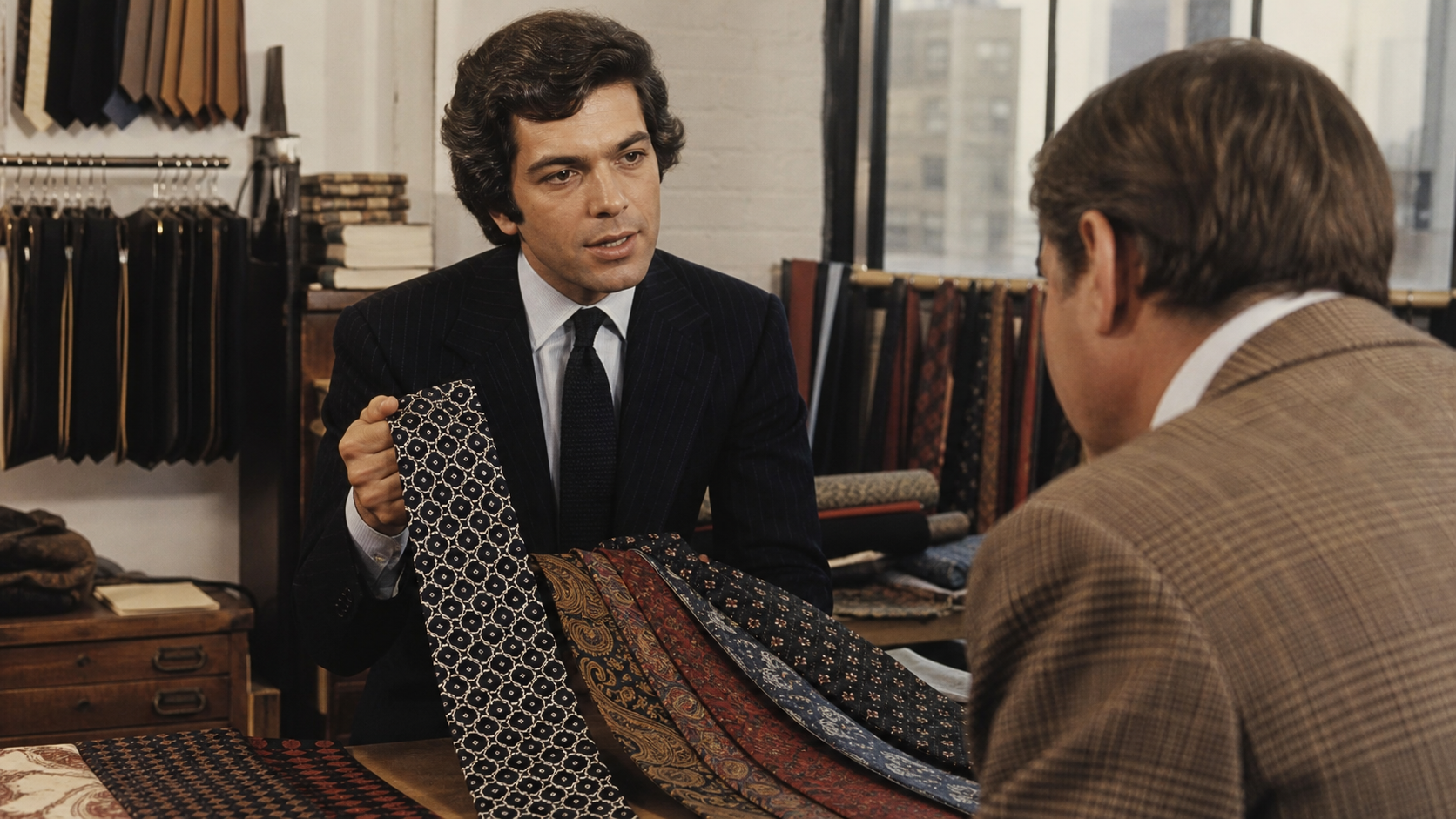
Lauren grew up in New York and developed an early fascination with film stars, athletes, and elegant clothing. After working in menswear sales, he proposed wide, European-influenced ties at a time when narrow styles dominated. His employer rejected the idea, so he began selling the ties himself under the Polo name in 1967.
The choice of “Polo” was strategic. The sport evoked leisure, tradition, athleticism, and inherited confidence even for customers who had never approached a horse. Lauren understood that a name could carry an entire social atmosphere.
Bloomingdale’s agreed to sell his ties, helping turn a small product experiment into a credible label. Menswear followed, then womenswear. Lauren borrowed from familiar archetypes—prep-school blazers, military jackets, cowboy denim, safari clothing—but recombined them with unusual color, proportion, and polish.
He was not claiming to document one authentic elite. He was editing cultural memory into a consistent fantasy. That ability to make aspiration feel both cinematic and wearable became the foundation of the business.
Why did the polo player become a global shortcut for aspiration?
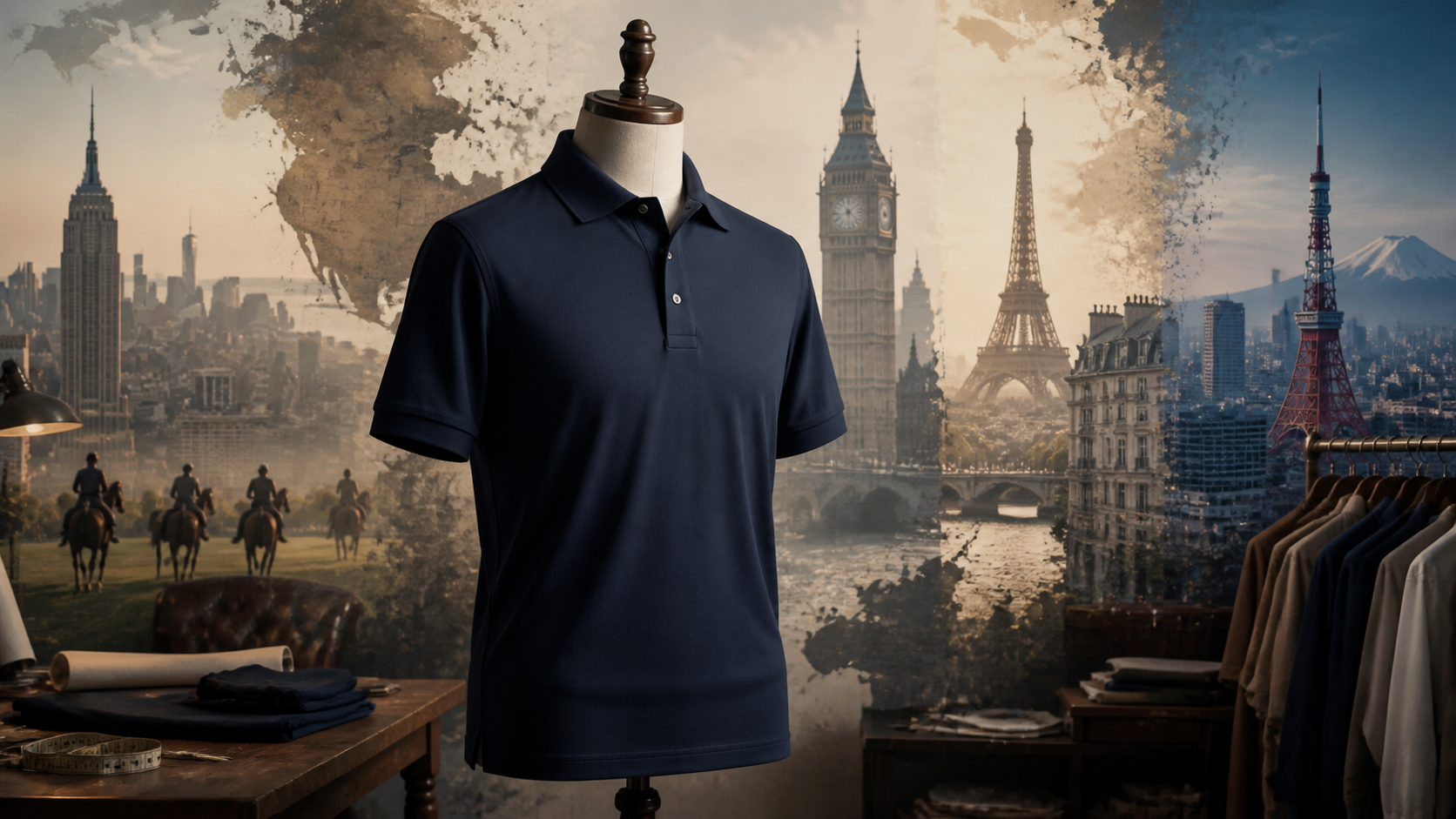
The Polo shirt, introduced in the 1970s, distilled the brand into a repeatable object. It was casual but respectable, athletic but not technical, colorful but anchored by the small embroidered player. Customers could recognize it across a room.
That logo did more than signal price. It connected the wearer to the brand’s imagined world. Because the basic product changed little, new colors and fits could generate variety without sacrificing recognition. The shirt became a durable entry point while tailored clothing and runway collections maintained prestige.
Lauren reinforced the system through photography, stores, and styling. Campaigns resembled scenes from unwritten films. Flagship stores felt residential, using wood, leather, art, and carefully arranged rooms to make the lifestyle physical. Products were shown together so that a jacket, rug, lamp, and fragrance appeared to belong to the same person.
The brand crossed cultural boundaries in ways its founder could not fully control. Different communities adopted Polo as a symbol of success, collecting and remixing it into new identities. That appropriation proved the symbols were flexible enough to travel beyond their original marketing script.
How did Lauren extend fashion into an entire designed world?
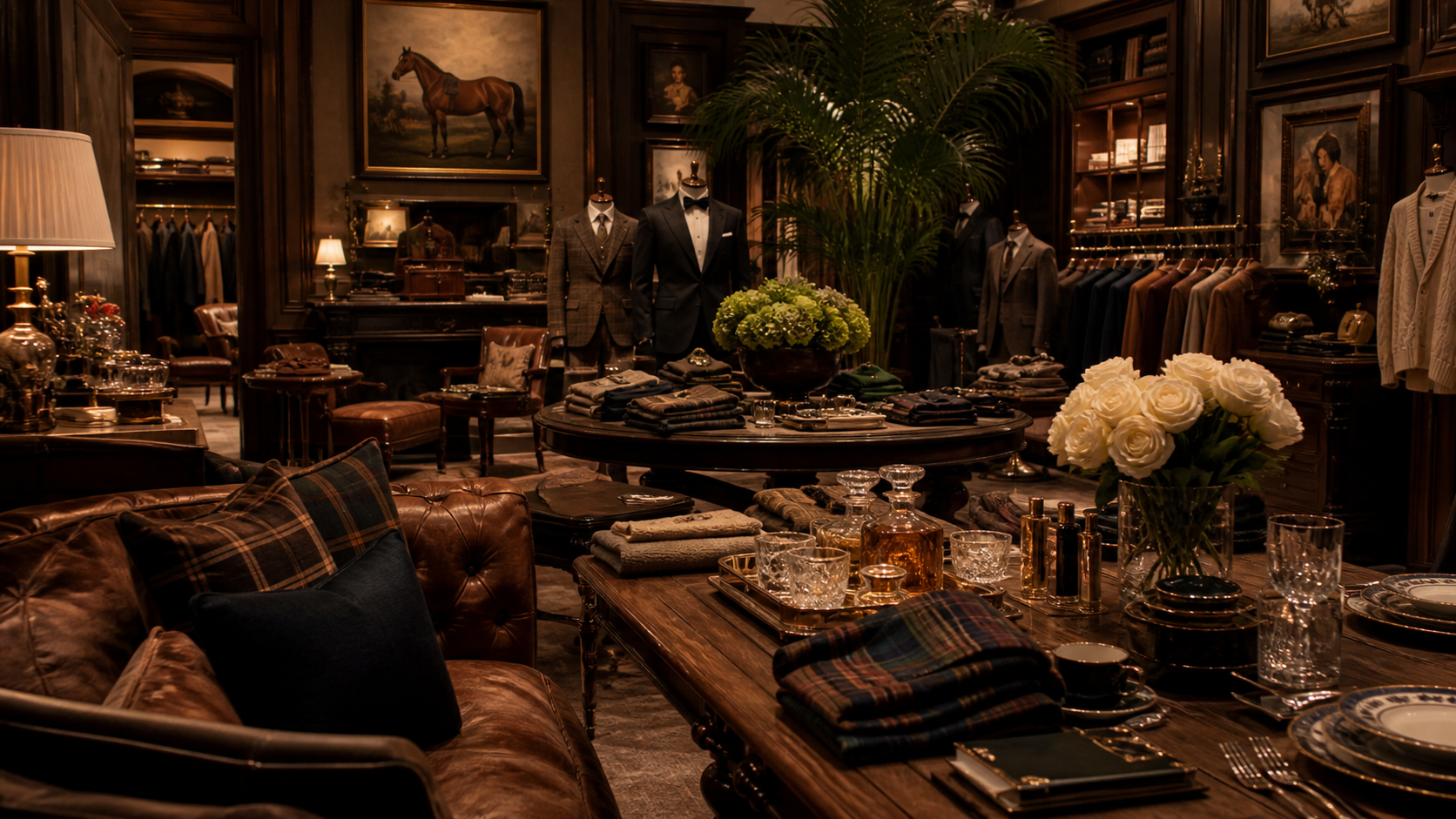
Many designers license their names to adjacent products. Lauren pursued something more integrated. Ralph Lauren Home brought the same narratives into furniture, bedding, paint, and tableware. Fragrances, accessories, children’s clothing, restaurants, and hospitality experiences widened the number of ways customers could participate.
This extension worked because the brand had multiple recognizable worlds. One customer might prefer equestrian formality, another weathered Western textures, another nautical minimalism. The collections differed, but the visual direction remained legible as Ralph Lauren.
Licensing helped the company grow quickly and enter categories requiring specialized manufacturing. It also created risk. Too many products, discount channels, or inconsistent partners could weaken exclusivity. Fashion empires often discover that distribution growth is easier to measure than lost meaning.
The company repeatedly had to rebalance availability and prestige, reducing excess inventory and tightening channels when promotions became too common. The core challenge was to make the dream accessible enough to scale while keeping it distinctive enough to desire.
Can a founder’s taste survive succession and changing culture?
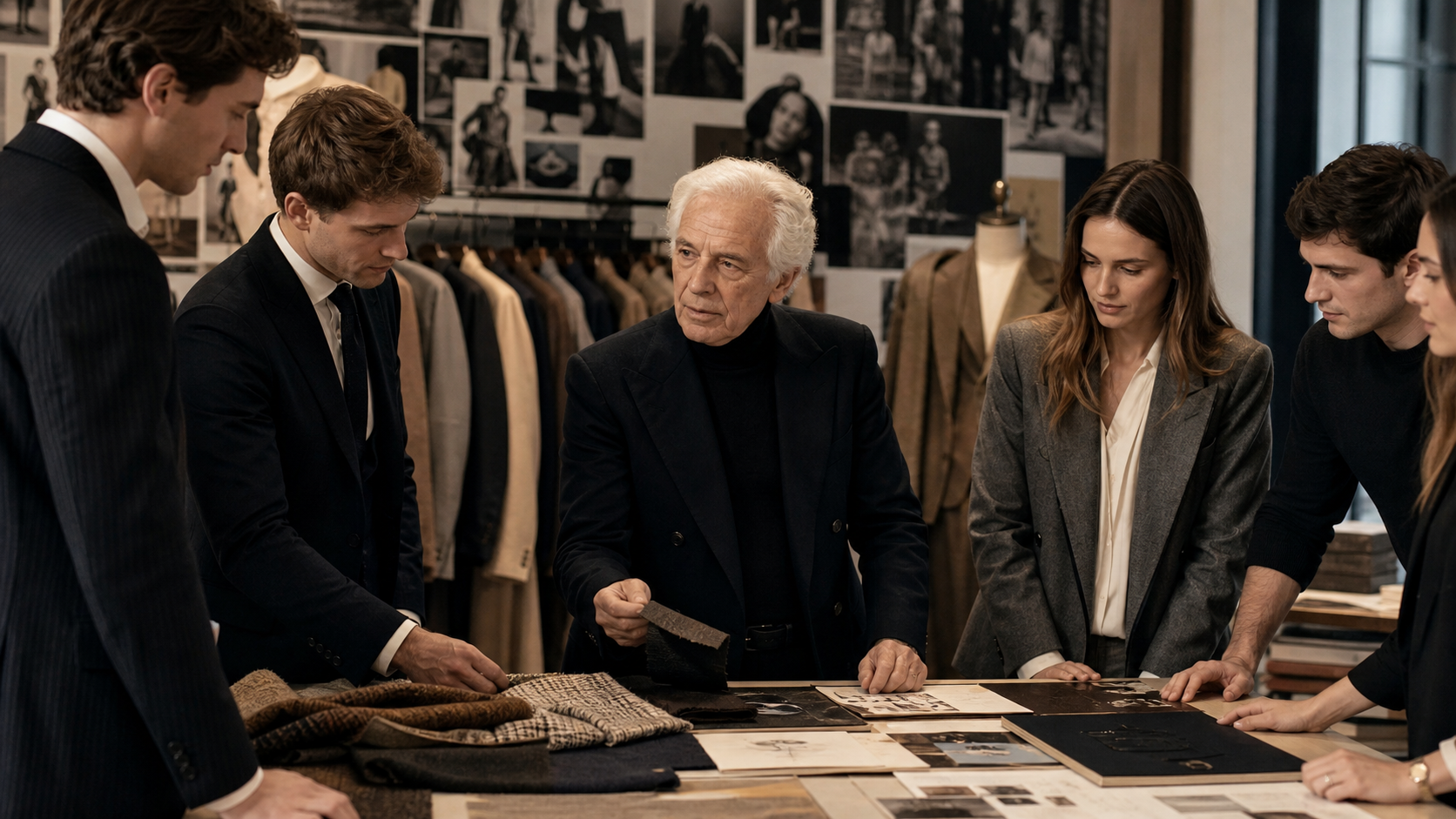
Ralph Lauren Corporation went public in 1997, adding shareholder expectations to a company centered on its founder’s eye. Professional executives could improve operations, technology, and global planning, but they could not replace the creative coherence that gave the assets value.
The company has navigated leadership changes while Lauren remained executive chairman and chief creative officer. This arrangement separates daily management from ultimate brand direction. It can work when responsibilities are clear; it can stall when every decision waits for one individual.
Changing culture creates another test. The fantasies that powered late-twentieth-century fashion do not land identically with younger consumers who care about inclusion, sustainability, resale, authenticity, and digital identity. Lauren’s archive is useful because styles cycle, but nostalgia alone is not a strategy.
The empire’s resilience comes from its underlying method. Lauren did not attach a logo to random products. He built characters, rooms, journeys, and rituals, then asked what those worlds would contain. As long as the company protects that narrative discipline while allowing new people to reinterpret it, Polo can remain more than a symbol of the past.
💡 Key Insights
- ▸ A brand becomes a world when every product repeats a coherent point of view.
- ▸ Lauren used familiar cultural symbols but recombined them into an aspirational identity customers could enter.
- ▸ Licensing accelerates reach while creating a persistent risk of dilution and inconsistent quality.
- ▸ Succession works best when professional management protects the founder's taste without freezing the company.