Ruth Handler: How Barbie Became a Character, a Platform, and a Mattel Empire
Ruth Handler saw that children wanted dolls with adult possibilities, then built Barbie through design, television advertising, accessories, and constant cultural reinvention.
View all stories about this mogul
Ruth Handler recognized that a doll could represent an imagined future, not only a baby to be cared for. That insight became one of the most expandable character businesses in consumer history.
Barbie was never just a piece of molded plastic. The product connected a named character, clothing, careers, friends, houses, vehicles, stories, advertising, and repeated purchases. It was a platform before business schools used the word for everything.
Handler’s achievement was also inseparable from controversy. The same doll that offered children adult roles promoted a body shape and cultural ideal that critics challenged for decades. Barbie’s durability came partly from Mattel’s repeated attempts to negotiate that tension.
How did Ruth Handler see the market that toy companies missed?
Handler was born Ruth Mosko in Denver in 1916. She married Elliot Handler, and the couple eventually built a business with Harold Matson. The Mattel name combined parts of Matson’s and Elliot’s names, while Ruth became central to its commercial direction.
The early company made picture frames and then toys using manufacturing scraps. This ability to turn materials, design, and distribution toward new products helped Mattel move beyond a single item.
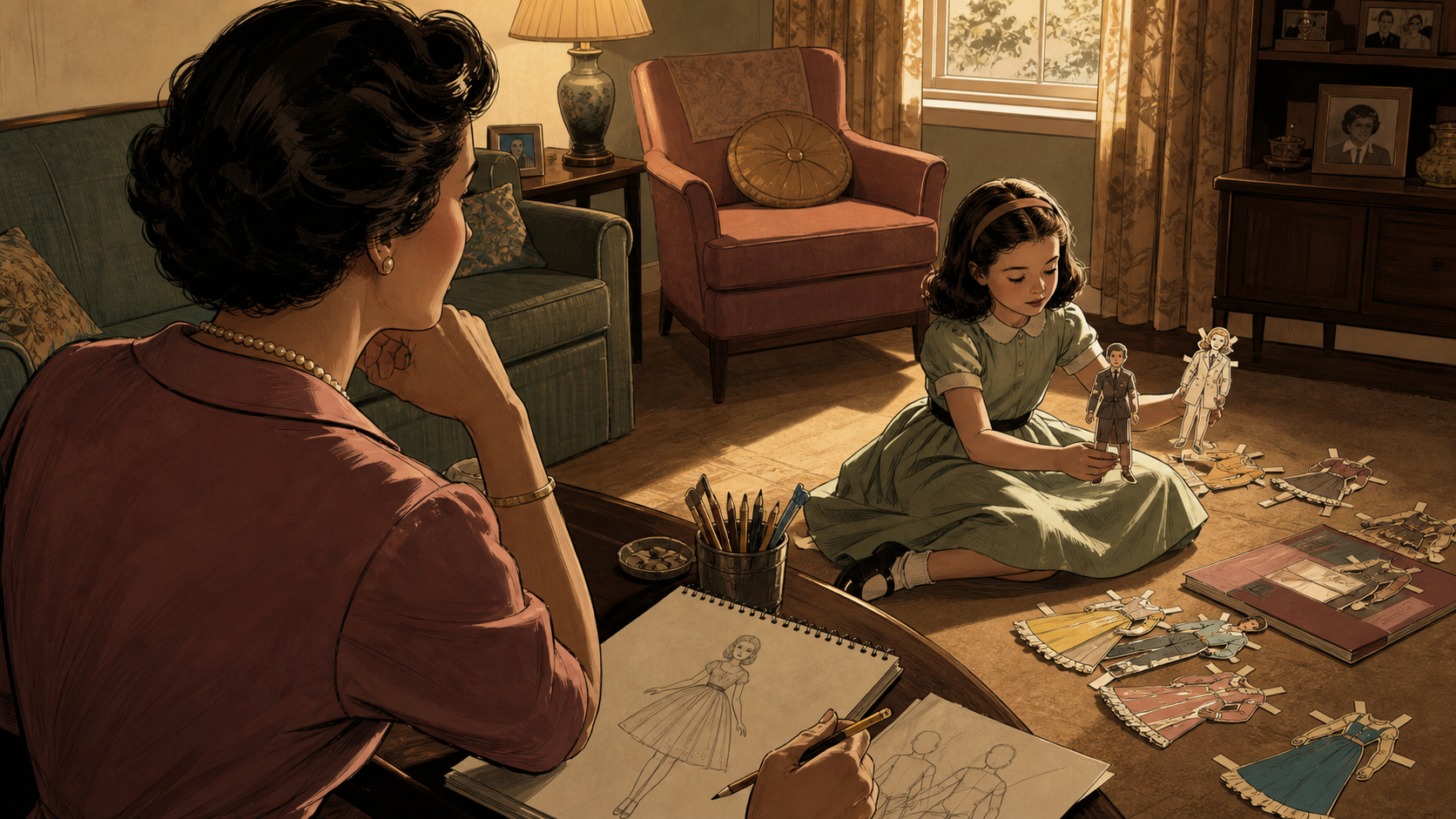
Handler watched her daughter Barbara play with paper dolls that represented adult women. Most three-dimensional dolls sold to girls were infants. The industry assumed nurturing play was the natural category. Handler saw another use: children rehearsing identity, work, style, friendship, and independence.
During a European trip, she encountered the German Bild Lilli doll, an adult-figured character derived from a comic. Mattel developed its own concept, and Barbie debuted at the American International Toy Fair in New York in 1959, named after Barbara.
Retail buyers were not uniformly enthusiastic. The adult figure was unfamiliar, and the product did not fit the established baby-doll logic. Handler’s conviction mattered because category creation often looks like a forecasting error when judged only through existing sales data.
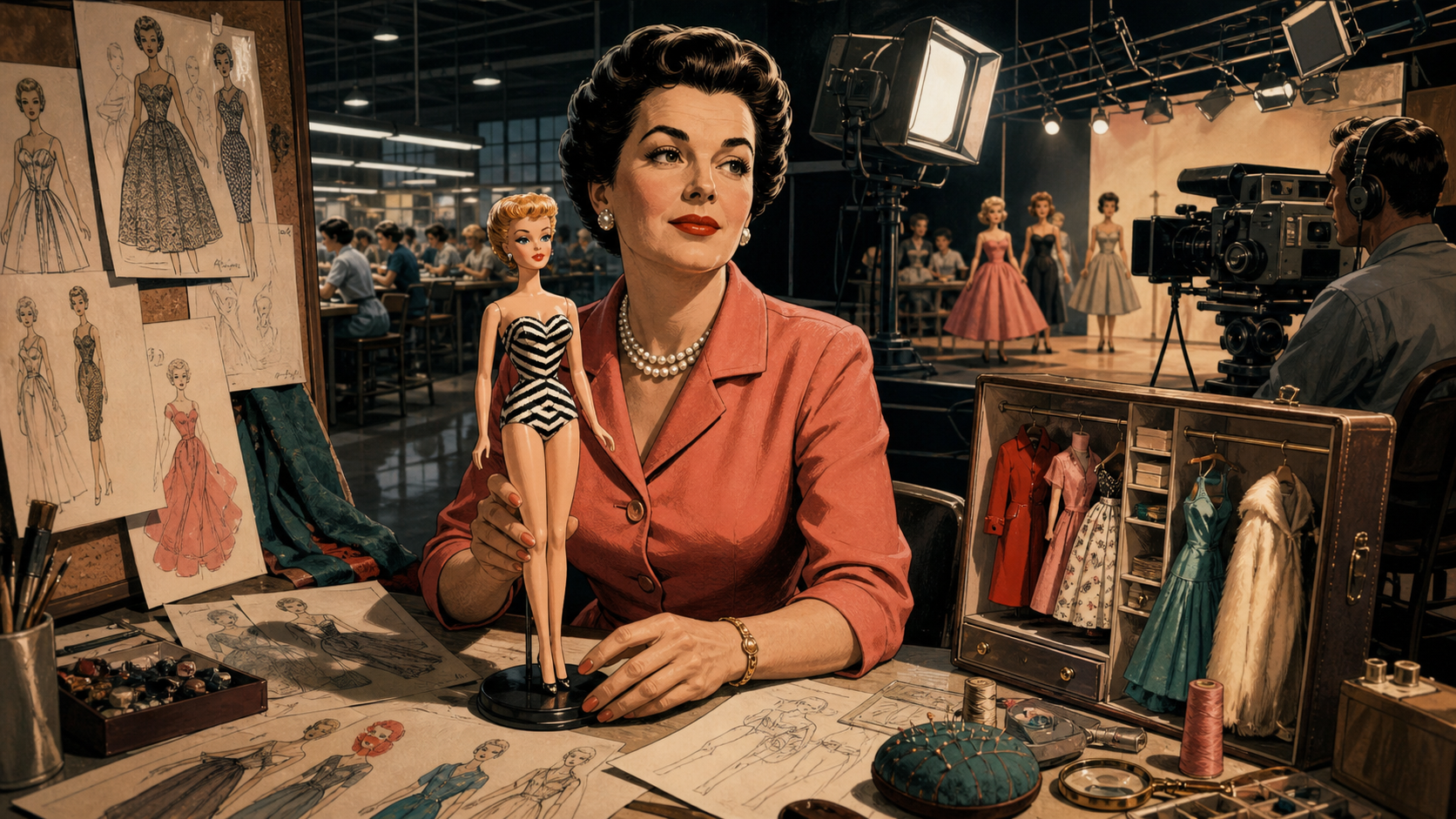
Barbie arrived with a biography and a wardrobe. She was a teenage fashion model from a fictional town, not a generic object. Naming created narrative, while clothes let the same doll support many scenes and repeat purchases.
Why did television and accessories turn Barbie into a system?
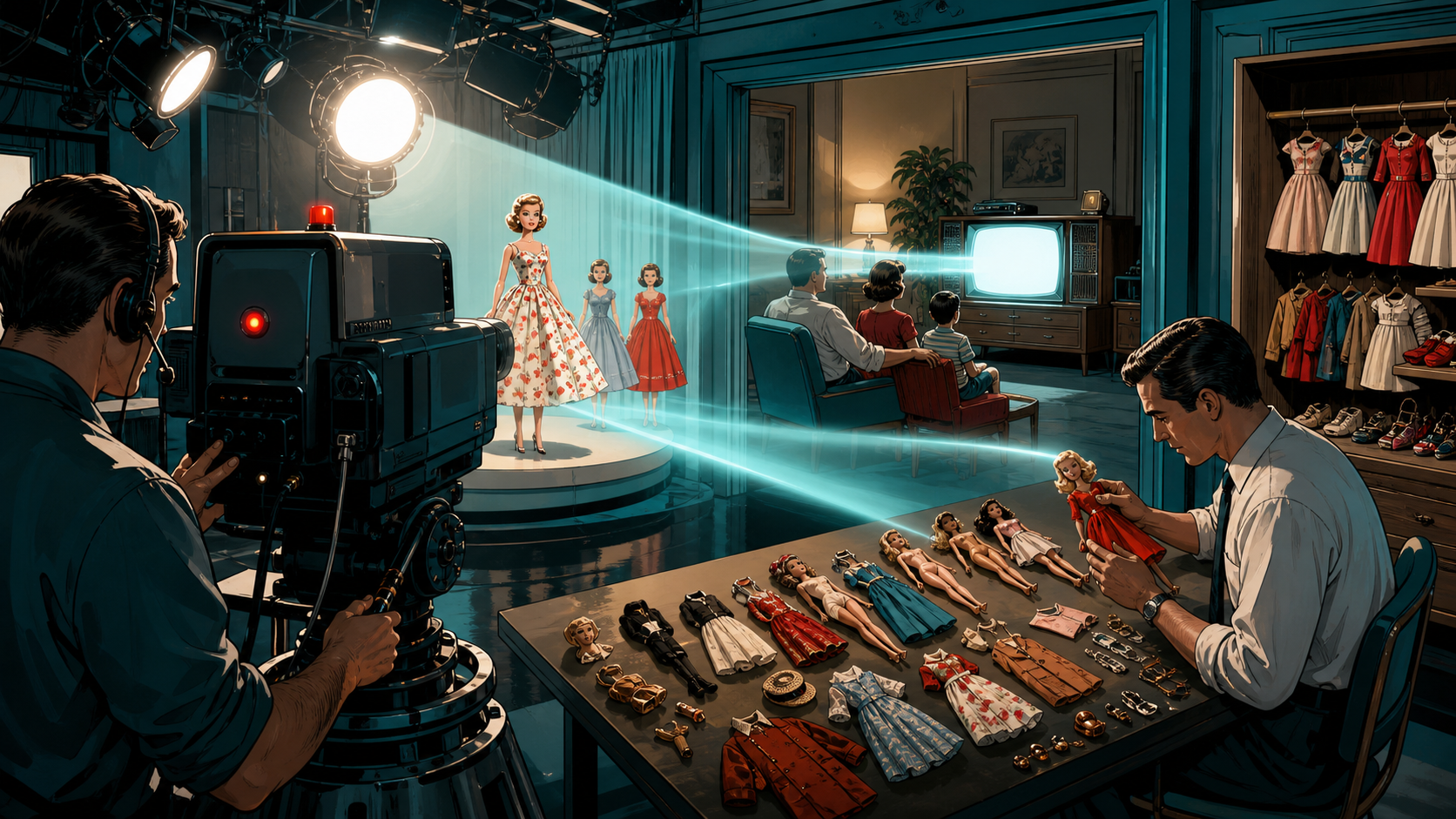
Mattel was an early aggressive user of television advertising directed toward children. Sponsorship of the Mickey Mouse Club gave the company national reach and reduced dependence on retailers to introduce products. Children could arrive at stores already knowing what they wanted.
That changed power inside the channel. Traditional toy makers sold buyers on seasonal inventory. Mattel built demand outside the store, then asked retailers to satisfy it. The company was helping create modern children’s brand marketing, with all the commercial strength and ethical questions that came with it.
Barbie’s accessory model expanded customer lifetime value. A child could own one doll but many outfits, occupations, furniture sets, vehicles, and companions. Each item made the existing collection more useful. New releases did not always replace old purchases; they often extended them.
The character also allowed Mattel to respond to social change. Barbie took on careers ranging from astronaut to executive and appeared in new cultural contexts. Yet representation lagged and often arrived through imperfect experiments. Critics objected to unrealistic proportions, narrow beauty standards, consumerism, and the messages embedded in particular products.
Those critiques were not external noise. They were information about the platform. A character invited children to imagine possibilities, so the range of bodies, identities, jobs, and stories became part of product quality.
Handler served as Mattel’s president and became one of the most visible women leading a major American corporation. The company’s growth was dramatic, but accounting problems and regulatory scrutiny later damaged her position. She resigned from Mattel in the 1970s and subsequently entered a guilty plea relating to false financial reporting; the episode complicates any simple founder mythology.
What did Ruth Handler build after Mattel—and what is her real legacy?
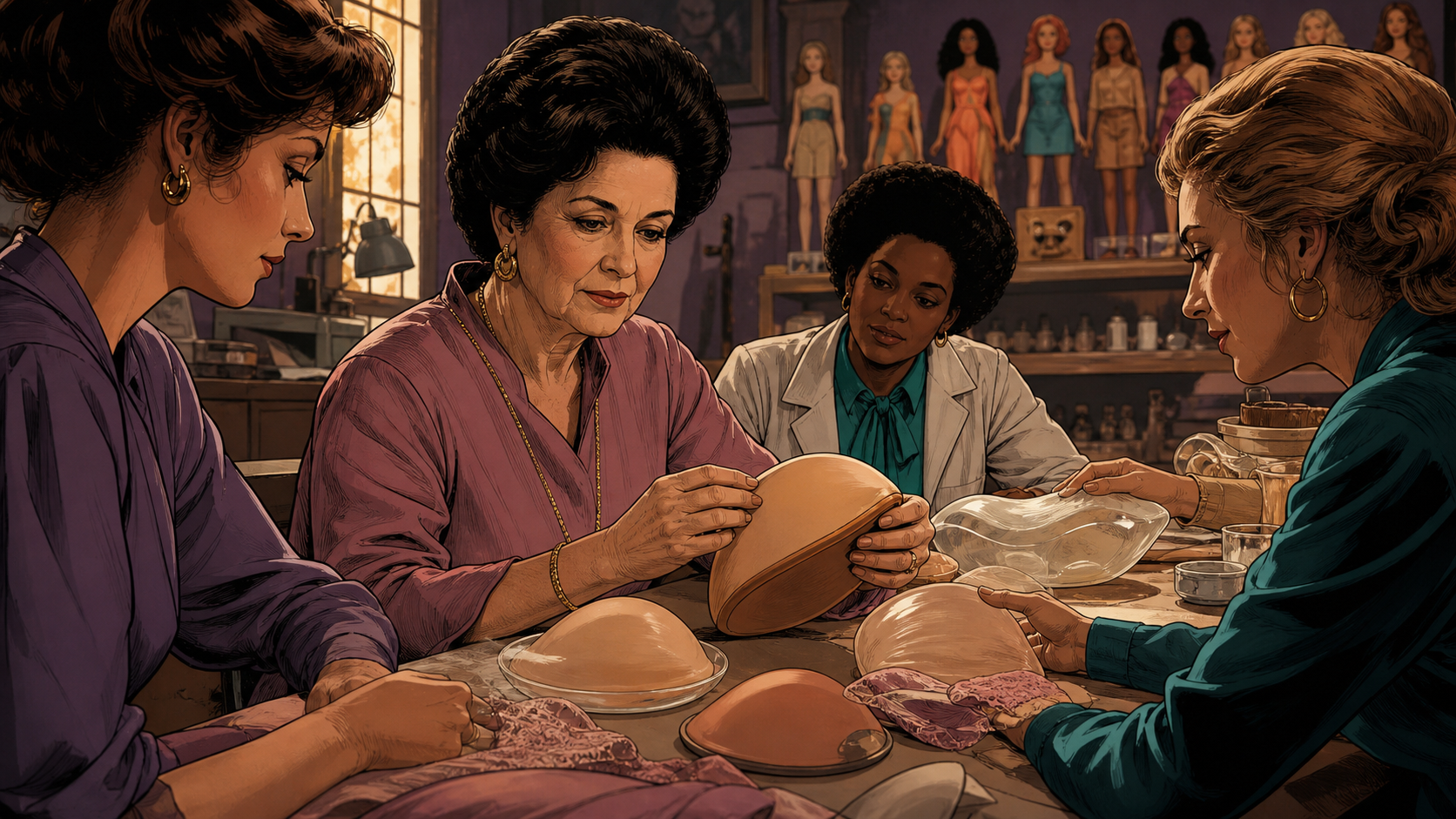
After breast-cancer surgery, Handler found available prostheses unsatisfactory. She helped create the Nearly Me prosthetic breast business, applying product-development attention to a need she understood personally. The second act echoed the first: notice what established suppliers considered adequate, then listen more closely to the user’s lived experience.
Barbie continued without her. Mattel expanded the character across media, licensing, digital products, and global markets. The brand periodically lost momentum and then reinvented its designs and storytelling. Broader body types, skin tones, abilities, and careers reflected both market opportunity and years of criticism.
The 2023 Barbie film demonstrated the unusual depth of the asset. A toy character could support a self-aware global entertainment event that examined the brand’s own contradictions while selling the brand again.
Handler’s core insight was that identity play could be organized as a commercial system. The doll was the interface. Accessories, stories, advertising, and cultural debate produced the network around it.
The lesson is not that every product needs a cinematic universe. It is that customers often use products to explore who they are or might become. Businesses that enter that territory gain extraordinary emotional relevance—and a responsibility to understand the ideals they manufacture.
💡 Key Insights
- ▸ A character can become a product platform when accessories extend the story and the economics.
- ▸ New media channels can change who influences a household purchase.
- ▸ Cultural controversy can reveal both a brand's power and its blind spots.
- ▸ A founder's second act can emerge from personal experience with an overlooked customer need.