Susan Wojcicki: The Quiet Operator Who Turned YouTube Into the World's Television
Susan Wojcicki helped incubate Google, argued for the YouTube acquisition, and spent nine years turning a chaotic video site into a global media economy.
View all stories about this mogul
Susan Wojcicki did not found Google or YouTube. She did something more unusual: she repeatedly recognized which messy internet behaviors would become giant businesses, then built the machinery that allowed them to scale.
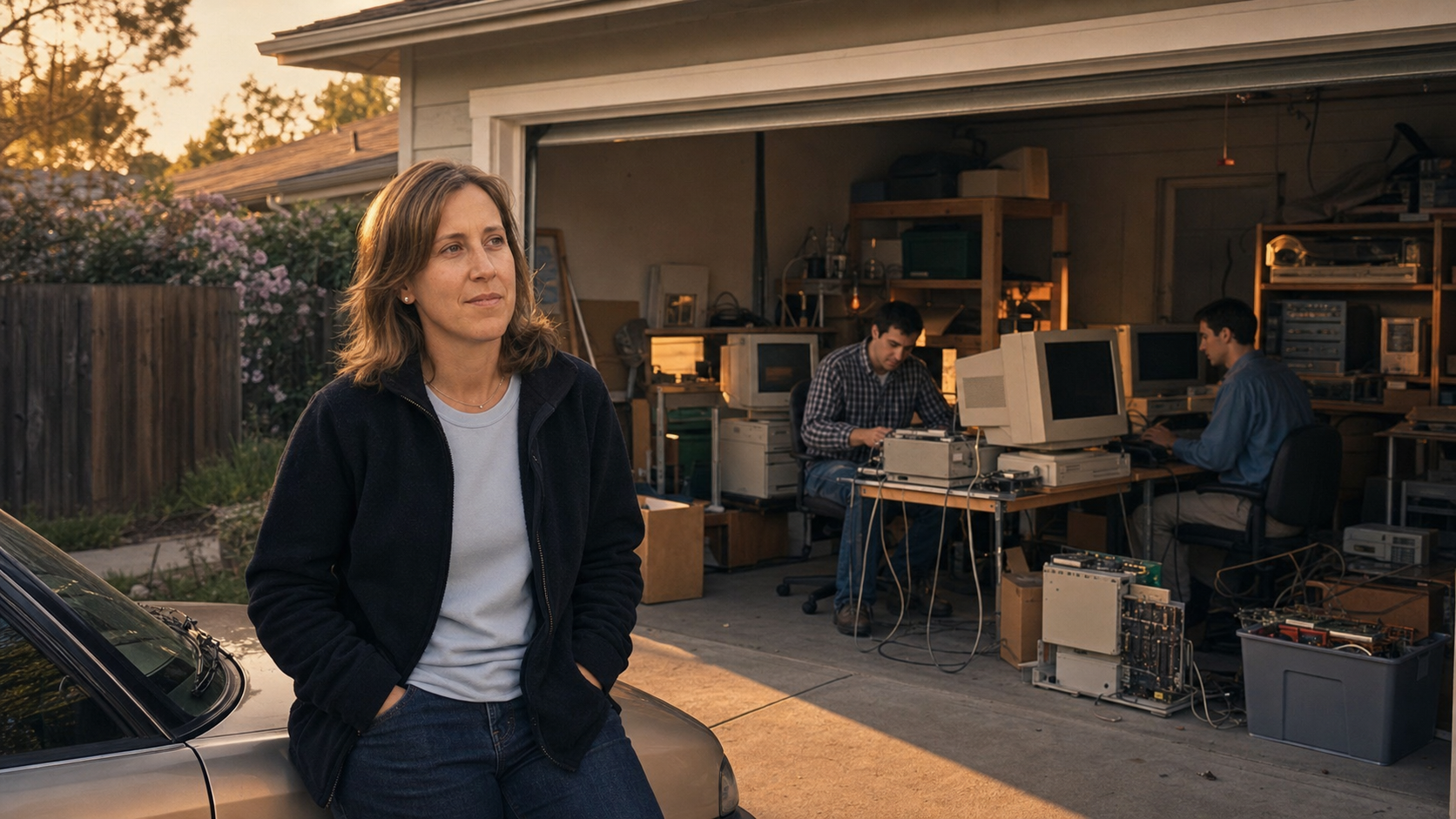
Google began in the garage of her Menlo Park home. Years later, as the executive responsible for Google’s video efforts, she argued that buying a fast-growing, legally complicated startup called YouTube was smarter than trying to beat it. As YouTube’s chief executive from 2014 to 2023, she inherited a platform full of creators, copyright disputes, advertiser anxiety, cultural influence, and relentless growth.
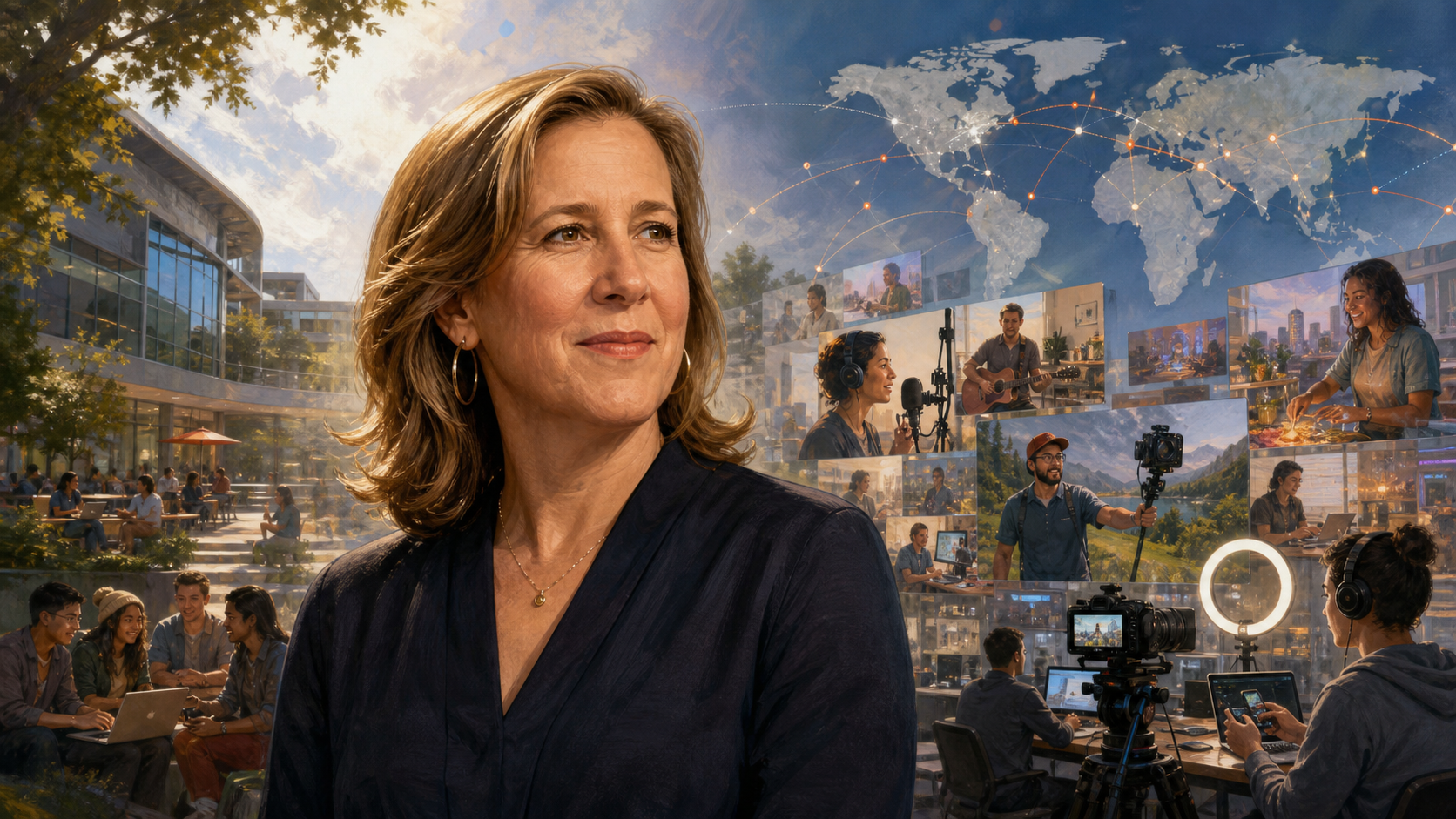
Her legacy is not a simple victory lap. YouTube became a global television system without a traditional network schedule. It also became a case study in the costs of running speech, recommendation, advertising, and creator labor at planetary scale.
How did Susan Wojcicki become one of Google’s earliest power brokers?
Wojcicki grew up in an academic family in California and studied history and literature at Harvard before moving into economics and technology. That path mattered. She was not trained to worship software for its own sake. She understood systems, institutions, and how people adopt new behavior.
In 1998, Larry Page and Sergey Brin rented her garage as the first working home of Google. Wojcicki soon joined the company as an early marketing manager. Her career expanded with the company: advertising products, consumer products, and eventually video.
Google’s advertising machine required translation. Engineers could build auction systems, but advertisers needed tools, measurement, and confidence. Users needed pages that did not feel buried under commercial clutter. Wojcicki helped turn that tension into a business model.
AdSense extended advertising beyond Google’s own search results, allowing publishers to earn money while Google gained distribution and data. The strategic pattern would later reappear at YouTube: create an ecosystem in which outside producers can earn, then take a share for supplying discovery, infrastructure, measurement, and demand.
| Year | Turning point | Why it mattered |
|---|---|---|
| 1998 | Google operated from Wojcicki’s garage | She entered the company’s orbit at its origin |
| 1999 | Wojcicki joined Google | She became one of its earliest employees and marketing leaders |
| 2003 | AdSense launched | Google expanded its ad network beyond search |
| 2006 | Google acquired YouTube | Video became a strategic platform rather than a side product |
| 2014 | Wojcicki became YouTube CEO | The operator behind the deal took control of the platform |
| 2023 | She stepped down as CEO | A nine-year tenure closed after massive global expansion |
| 2024 | Wojcicki died at age 56 | The technology industry reassessed the scale of her influence |
Wojcicki’s power came through scope. Advertising sat near the center of Google’s economics. Video sat near the center of its cultural future. She learned to operate where product decisions, commercial incentives, and public consequences collided.
Why did the YouTube acquisition become her defining strategic bet?

By 2006, Google had its own video product. It also had a problem: YouTube was winning user attention. The startup made uploading and sharing video frictionless, and its embeds spread across the web. Trying to outbuild the behavior from inside a larger company would have been expensive and slow.
Wojcicki reportedly became a leading internal advocate for acquisition. Google bought YouTube for $1.65 billion in stock, a price that looked bold for a young company facing copyright risk and uncertain economics.
The insight was not merely that video would be popular. Television had already proved that. The deeper insight was that internet video would be participatory. Millions of producers would upload without waiting for permission from a network scheduler. Viewers would search, subscribe, comment, remix, and eventually watch through phones and connected televisions.
That created a powerful flywheel:
- Easy publishing attracted creators.
- More creators produced a broader catalog.
- The catalog attracted viewers with highly specific interests.
- Viewer attention attracted advertisers and subscription revenue.
- Revenue sharing gave successful creators a reason to professionalize.
- Better creators and production raised the platform’s cultural weight.
The machine was not automatic. YouTube needed copyright management, advertising standards, payments, analytics, recommendation, streaming infrastructure, mobile distribution, and relationships with music labels, studios, news organizations, and regulators.
Wojcicki’s tenure expanded paid subscriptions, creator monetization, music offerings, and television viewing. YouTube evolved from a website people visited for viral clips into a default layer of global media.
What did Susan Wojcicki’s YouTube have to fix as it grew?
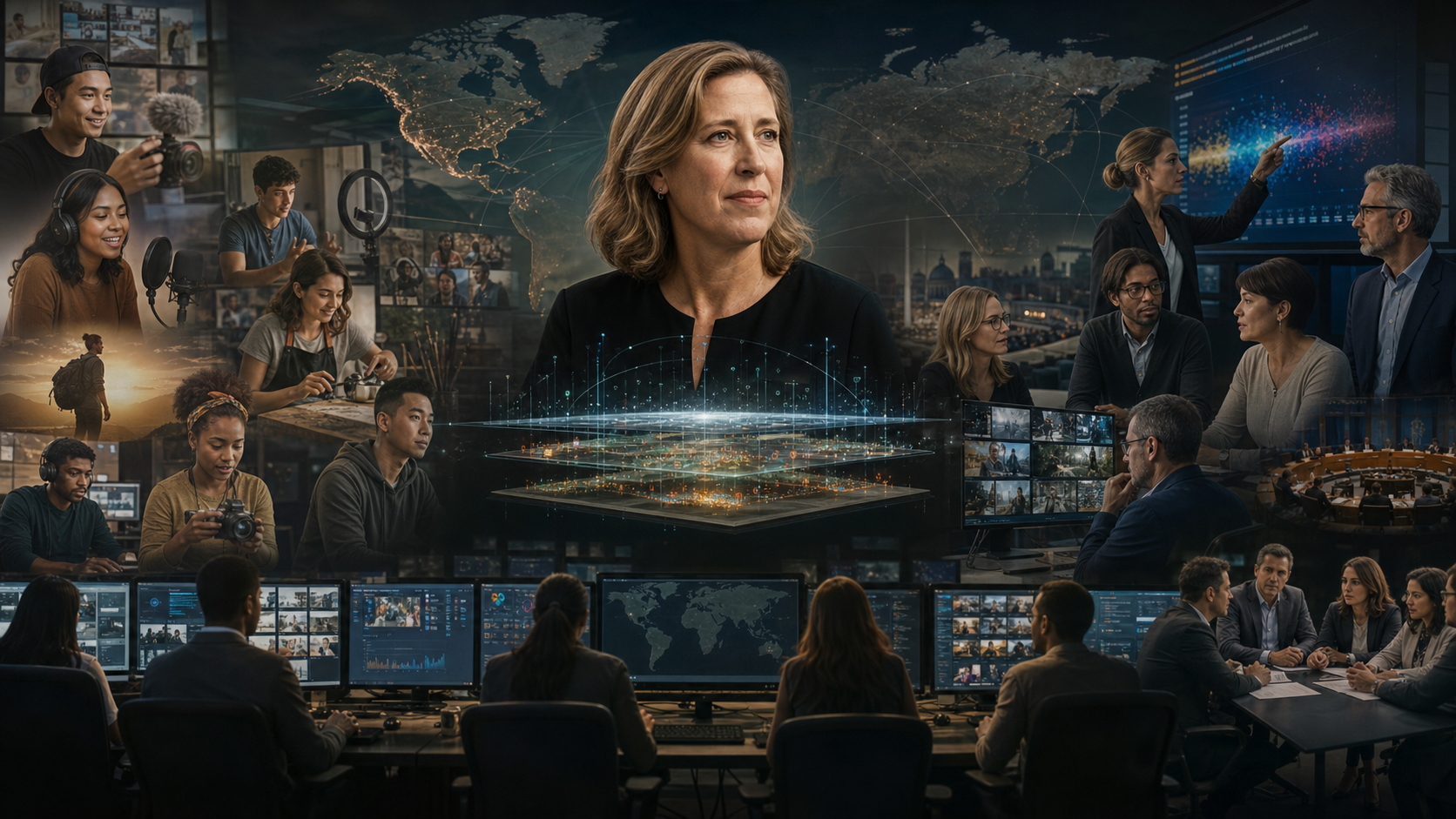
Scale converted every policy edge case into a recurring industry. Copyright owners demanded control. Advertisers did not want brands beside extremist or exploitative material. Parents worried about children’s content. Journalists and governments scrutinized misinformation, political radicalization, harassment, and recommendation systems.
YouTube responded with automated detection, human review, policy updates, advertiser-suitability rules, strikes, age restrictions, demonetization, and greater transparency. Each control created tradeoffs. Stronger enforcement could remove harmful material but also catch legitimate speech. Demonetization could protect advertisers while destabilizing creator income. Recommendation changes could reduce exposure to borderline material while shifting the livelihood of channels that had built around older incentives.
The creator relationship was especially delicate. YouTube did not employ most creators, yet changes to discovery or monetization could function like a sudden change in salary. Wojcicki routinely communicated through letters and public appearances, attempting to explain how advertiser trust and creator opportunity depended on each other.
Her record should not be romanticized. Critics argued that action was sometimes late, opaque, or inconsistent. But the operating challenge was historically new: govern a media system where billions of viewers and producers interact, while law, language, politics, and cultural norms differ across countries.
Wojcicki’s style was often described as calm and analytical. That may have looked less dramatic than founder theater, but it matched the job. YouTube required an executive willing to absorb conflicting pressures and keep the economic machine running while rewriting its rules.
What is Susan Wojcicki’s real business legacy?
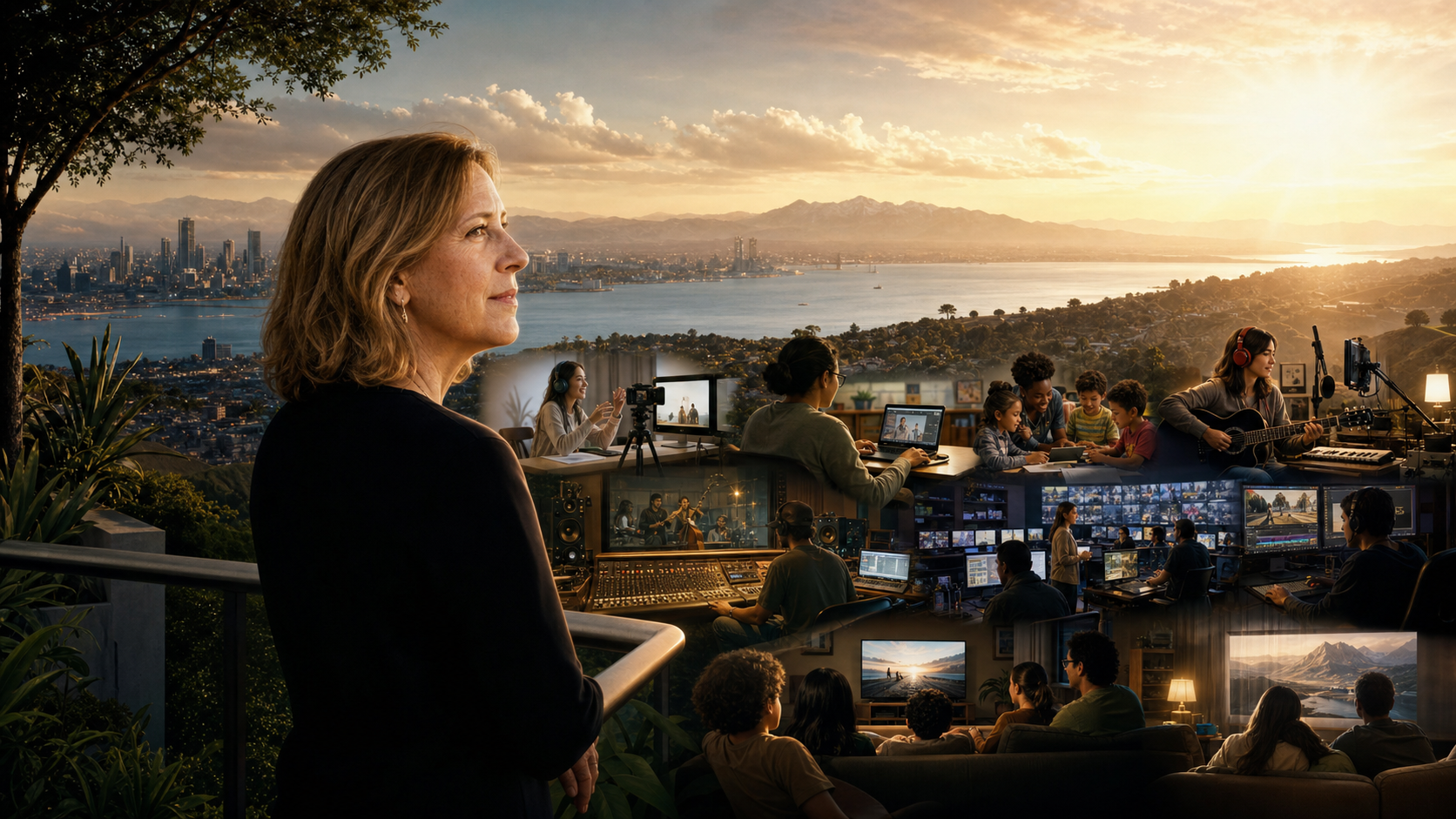
Wojcicki demonstrated the value of the platform operator. She did not need to be the loudest person in technology. She controlled systems that allocated attention and money across an enormous market.
Her career also shows that acquisitions create value only when integration preserves the behavior that made the target special. Google supplied infrastructure, advertising, and capital. YouTube retained a distinct creator culture and product identity. Smothering it inside Google’s existing video strategy could have destroyed the asset.
Frequently asked questions
Did Susan Wojcicki found YouTube?
No. Chad Hurley, Steve Chen, and Jawed Karim founded YouTube in 2005. Wojcicki helped champion Google’s acquisition and later led YouTube as CEO.
How long was Susan Wojcicki CEO of YouTube?
She served from 2014 until stepping down in 2023.
How did YouTube make money under her leadership?
Its economics combined advertising with subscriptions and other paid products, while revenue sharing supported a large creator economy.
What was her role in Google’s origin?
Google’s founders rented the garage of her Menlo Park home, and she soon joined the company as an early employee.
The real lesson is that markets are often transformed by people who can see a behavior before the financial model looks clean. Wojcicki recognized search advertising, distributed publishing, and online video as systems. Then she did the unglamorous work of connecting participants, resolving conflicts, and making those systems durable.
💡 Key Insights
- ▸ Wojcicki's greatest strategic move was recognizing that user-generated video was becoming an internet layer, not a niche website.
- ▸ YouTube's business was built by aligning viewers, creators, advertisers, rights holders, and regulators inside one operating system.
- ▸ The platform's scale made trust and safety a core production function rather than a public-relations accessory.
- ▸ Quiet operators can shape markets as profoundly as celebrity founders when they control allocation, incentives, and execution.