Susanne Klatten: Stewarding BMW While Building an Industrial Portfolio
Susanne Klatten inherited consequential stakes, then built a record as an active industrial owner across BMW, Altana, and long-horizon technology investments.
View all stories about this mogul
Susanne Klatten inherited access to extraordinary industrial assets, but inheritance alone does not explain the portfolio she controls today.
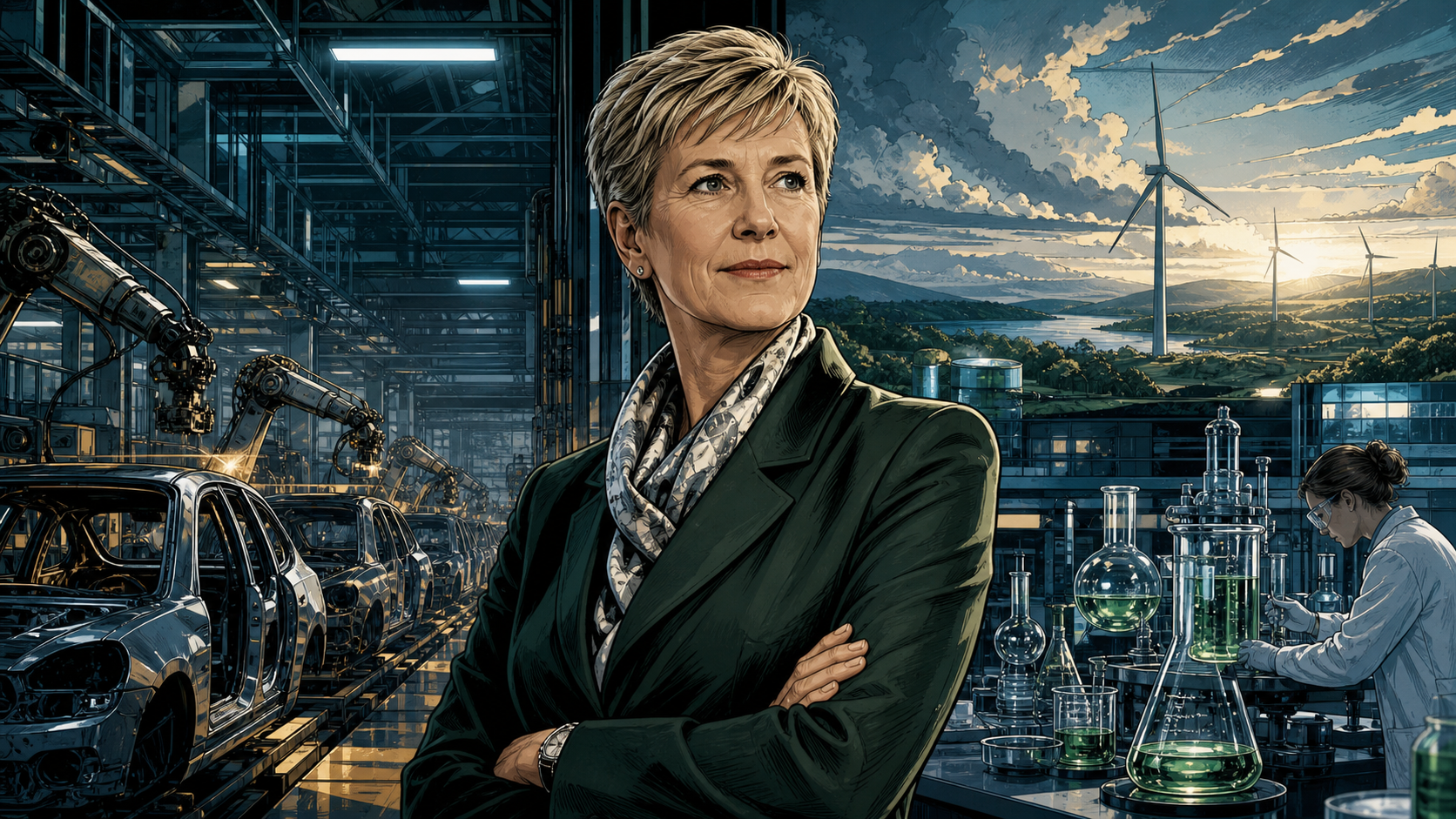
Her family’s ownership is inseparable from BMW, one of Germany’s defining manufacturers. Klatten also became the controlling owner of specialty chemicals company Altana and built SKion as a vehicle for investments in water, materials, energy, and technology.
The result is a form of capitalism that looks different from both the celebrity founder and the passive heir. Klatten operates through boards, concentrated ownership, professional managers, and patient capital. Her public profile is restrained; the strategic footprint is not.
How did family history shape Klatten’s model of ownership?
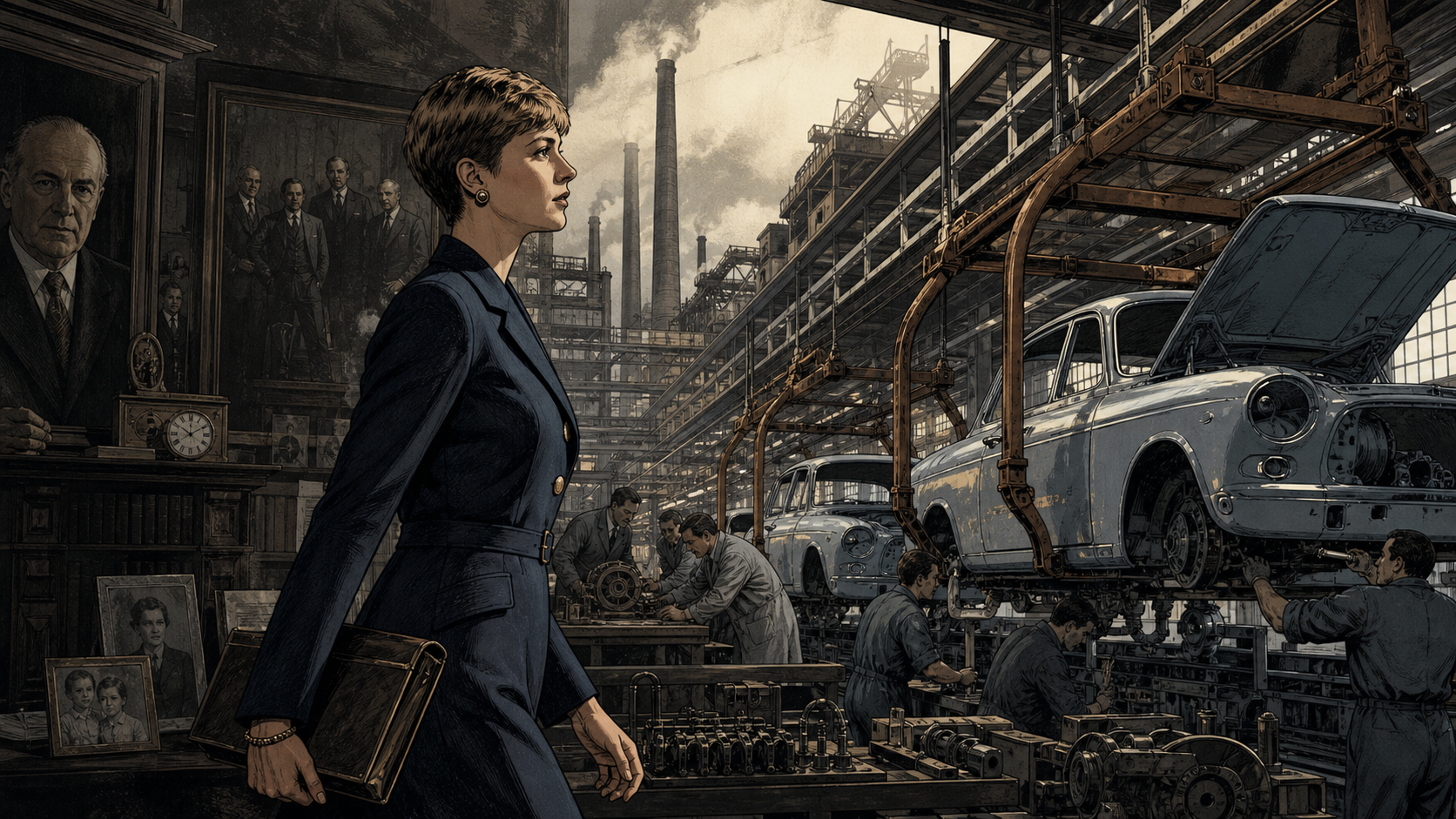
Klatten is the daughter of Herbert and Johanna Quandt. Herbert Quandt is credited with backing BMW through a critical period around 1959, resisting a proposed sale and supporting the investment needed to recover. That decision turned a distressed holding into one of the world’s most valuable automotive stakes.
The family legacy also carries historical burden. The Quandt family’s businesses used forced labor during the Nazi era, a record examined publicly in later decades. Responsible stewardship cannot separate the benefits of inherited capital from the history through which that capital passed.
Klatten studied business finance and gained work experience under a changed surname, an often-repeated detail that reflects her desire to learn outside the immediate signaling power of the family name. She later took governance roles in the businesses tied to her inheritance.
At BMW, Klatten and her brother Stefan Quandt remain anchor shareholders. Their stakes provide stability and long-term alignment while public investors and professional executives share governance. The structure gives the company an owner with a generational horizon, but it also concentrates influence and responsibility.
Why did Altana become proof of active stewardship?

Altana gave Klatten a more direct arena for capital allocation. The company evolved around specialty chemicals—coatings, sealants, additives, and materials whose value comes from performance rather than consumer recognition.
After Altana sold its pharmaceutical business, Klatten increased her ownership and eventually took the remaining specialty-chemicals company private. The move concentrated risk but allowed the business to operate without the quarterly pressures of public markets. Long research cycles and specialized customer relationships can fit patient private ownership when management still faces clear performance standards.
Specialty chemicals reward depth. A coating that improves insulation, packaging, electronics, or industrial production may represent a tiny part of a customer’s cost but a critical part of product performance. That creates pricing power only if research, quality, and technical service remain difficult to replace.
Klatten’s approach was not simply to preserve inherited assets. It was to choose where control mattered. BMW remained a listed global corporation with family anchors. Altana became a privately controlled industrial compounder. Different assets received different ownership structures.
Can a family fortune become a technology transition portfolio?

Through SKion, Klatten has invested across industrial technology, water treatment, resource efficiency, biotechnology, and digital businesses. The portfolio suggests a thesis around enabling systems: companies that make essential processes cleaner, smarter, or more efficient rather than consumer apps designed mainly for rapid attention.
This strategy also diversifies a fortune historically concentrated in automobiles and chemicals. The automotive industry faces electrification, software-defined vehicles, Chinese competition, regulation, and capital-intensive manufacturing transitions. An anchor owner must support investment without confusing patience with complacency.
Long-term capital has genuine advantages. It can fund research through cycles, retain specialized talent, and accept that industrial adoption moves slower than software hype. It has corresponding risks: weak businesses can be protected too long, private valuations can obscure performance, and family control can limit outside challenge.
Klatten’s record is therefore best understood as governance under concentration. She did not create BMW, and her story should not be rewritten as a garage-founder myth. Her contribution is the deliberate use of inherited influence—maintaining an anchor stake, taking control where she believed private ownership fit, and directing new capital toward industrial transitions.
The distinction matters. Fortunes persist when heirs merely avoid spending them; industrial legacies persist when owners keep making difficult choices about technology, management, history, and time. Klatten’s quiet style makes those choices less visible, not less consequential.
💡 Key Insights
- ▸ Inherited ownership becomes stewardship only when the owner develops an independent thesis and governance capability.
- ▸ Control of specialized industrial companies can favor patient research spending over short-term portfolio fashion.
- ▸ A concentrated anchor stake and a diversified investment vehicle solve different family-capital problems.
- ▸ Privacy can coexist with active ownership when governance roles and capital commitments remain visible.