The Samurai of Staples: How Tadashi Yanai Forged Uniqlo into a Global Empire
From a provincial tailor shop to a global retail behemoth, Tadashi Yanai didn't just sell clothes – he sold a philosophy. Discover the relentless ambition, brutal self-criticism, and audacious strategy that crowned him Japan's richest man and built the Uniqlo empire from the ground up.
View all stories about this mogul
Picture this: You’re in a dimly lit bar, the clink of glasses a low hum, the air thick with stories. I’m leaning in, eyes wide, about to drop a tale that’ll make your whiskey sour taste like ambition and raw, unadulterated grit. This isn’t just about clothes, folks. This is about a man who took a sleepy, provincial menswear shop and, with the force of a retail tsunami, carved out a global empire, becoming the richest damn man in Japan.
This is the saga of Tadashi Yanai, the architect of Uniqlo and the powerhouse known as Fast Retailing. Forget your tech titans or your financial wizards. Yanai built his fortress thread by thread, stitch by stitch, transforming the humble t-shirt into a weapon of mass market domination. He didn’t just sell garments; he sold a philosophy, a lifestyle, a promise of comfort and quality for the everyday warrior. And he did it with the strategic cunning of a samurai, the obsessive detail of a Swiss watchmaker, and the sheer audacity of a rockstar.
You think you know Uniqlo? You think it’s just basics? Ha. That’s like saying Mount Fuji is just a hill. What lies beneath that deceptively simple exterior is a volcano of innovation, a supply chain masterpiece, and a leadership philosophy forged in fire. This isn’t just a business story; it’s a masterclass in turning the ordinary into the extraordinary, and a testament to one man’s relentless pursuit of a vision so audacious, it bordered on madness.
So, buckle up. Grab another drink. Because we’re about to dive deep into the mind of Tadashi Yanai, the man who dressed the world, one perfect basic at a time.
🔥 Chapter 1: The Reluctant Heir and the Road Not Taken
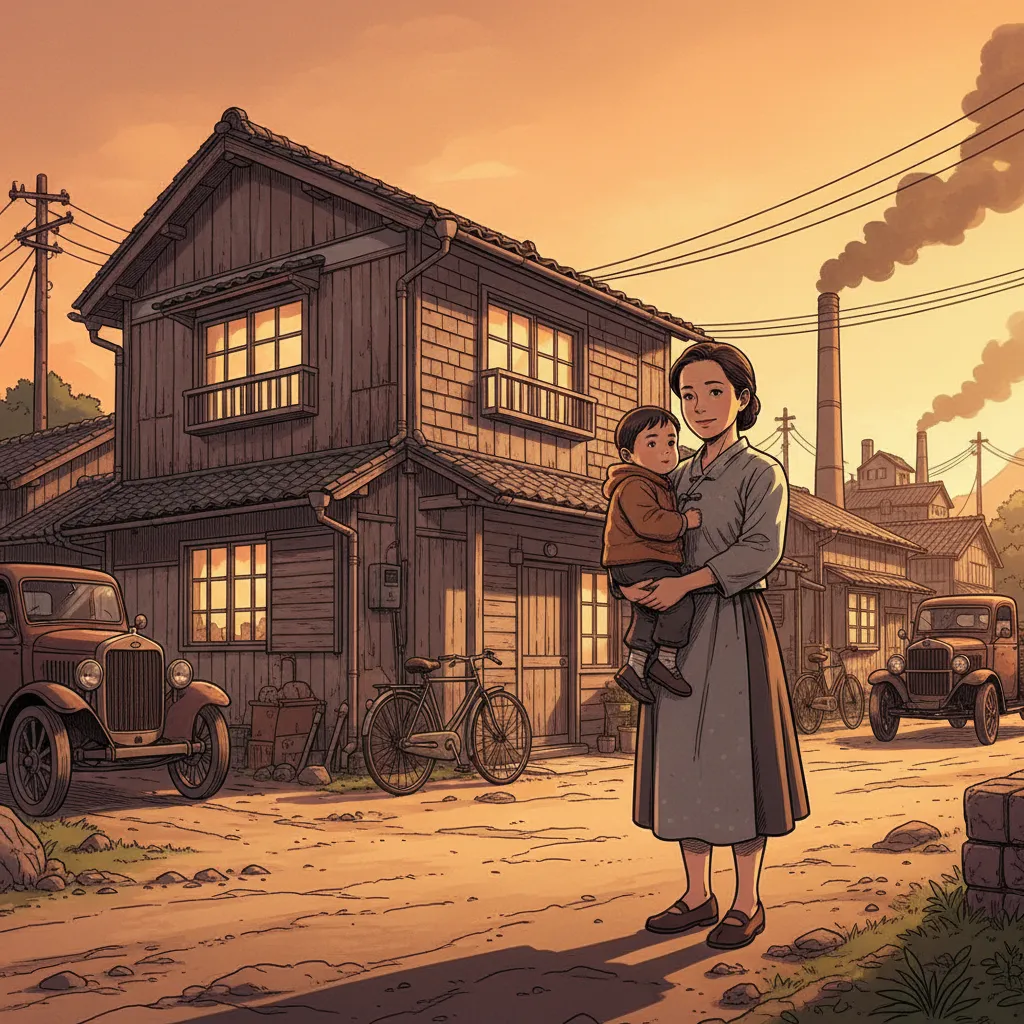
Our story doesn’t begin in a gleaming Tokyo skyscraper or a buzzing design studio. No, it starts in 1949, in the sleepy, industrial city of Ube, Yamaguchi Prefecture, a place as far from the fashion capitals of the world as you could imagine. Here, a young Tadashi Yanai was born, the son of Hitoshi Yanai, a man who ran a small men’s clothing shop called Ogori Shoji. It wasn’t glamorous. It was honest work, selling suits and shirts to local businessmen and laborers.
Young Tadashi? He wanted nothing to do with it. Absolutely nothing. He was a child of the post-war boom, brimming with youthful rebellion and a fierce independent streak. While his father toiled away in the shop, Yanai was chasing dreams that lay far beyond the racks of tailored trousers. He went to Waseda University in Tokyo, a hotbed of intellectual ferment and student activism in the late 60s. He studied economics, sure, but his true education came from wandering the streets, soaking up culture, and, let’s be honest, probably doing a fair bit of shirking. He was a free spirit, a wanderer, a man convinced his destiny lay anywhere but behind a cash register in Ube.
After graduation, he did what many ambitious young Japanese men did: he joined a big corporation. Jusco, a supermarket chain. For nine months. Nine glorious, soul-crushing months. He hated it. The rigid hierarchy, the stifling bureaucracy, the sheer lack of agency. It wasn’t his style. He quit. Just walked away. This was 1972, and walking away from a stable corporate job in Japan was practically heresy. It spoke volumes about his character right from the start: he would not be confined, he would not be told what to do, and he would certainly not settle for something that didn’t ignite his spirit.
He drifted, worked odd jobs, perhaps even toyed with the idea of becoming a professional gambler, as some anecdotes suggest. The point is, he was searching. He was restless. And then, the inevitable call came. His father, needing a hand, asked him to come back to Ube. The prodigal son, reluctantly, returned.
Imagine the scene: a young man, fresh from the bright lights of Tokyo, filled with big ideas and an even bigger ego, stepping back into the quiet, dusty confines of his father’s shop. It must have felt like a cage. He was, by his own admission, a terrible employee. He clashed with his father, argued with staff, and probably rolled his eyes at the outdated inventory. He fired six of his seven employees within a year, claiming they were lazy. This wasn’t just arrogance; it was an early glimpse into his uncompromising nature, his belief that mediocrity was a disease, and his willingness to make brutal decisions for what he perceived as progress. He was a whirlwind, a disruptor, even if, at this stage, he was disrupting little more than a small-town tailor shop.
But within this initial chaos, a seed was planted. Yanai, now forced to run the show, started looking at things differently. He began to see the inefficiencies, the missed opportunities. He was still the reluctant heir, but the gears in his mind were starting to turn. The world outside Ube was changing, and he knew, deep down, that his father’s old ways wouldn’t cut it anymore. He just didn’t know how to change it yet. But he would. Oh, he would.
⚡ Chapter 2: The Spark of Revolution – Discovering the Gap
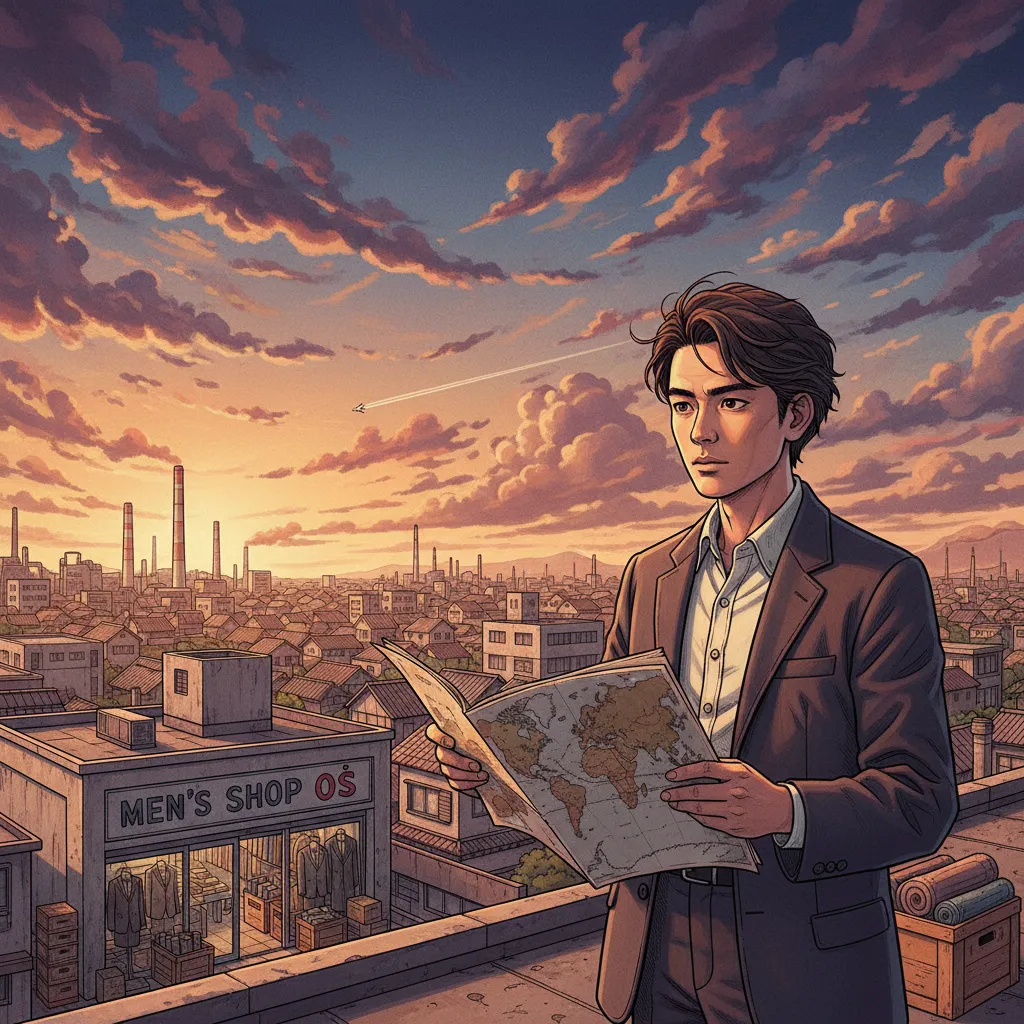
The late 1970s and early 1980s were a period of intense global discovery for Tadashi Yanai. Trapped in Ube, running a business he hadn’t chosen, his restlessness began to manifest as curiosity. He started traveling, initially to the United States and then to Europe, not for leisure, but with a specific mission: to understand how successful apparel retailers operated. He was a sponge, soaking up every detail, every nuance of their business models.
He wasn’t looking at haute couture or avant-garde fashion houses. No, Yanai was drawn to the practical, the accessible, the revolutionary. He spent hours in stores like The Limited, Benetton, and most importantly, Gap. What he saw there was a revelation, a complete paradigm shift from the traditional Japanese retail model.
In Japan, clothing stores were often small, independent boutiques or department store concessions, relying heavily on seasonal trends and a complex, multi-layered distribution system. Manufacturers would sell to wholesalers, who would sell to retailers, each taking their cut, inflating prices, and creating a disconnect between production and customer needs.
What Yanai observed in the West, particularly with Gap, was something entirely different: the Specialty Store Retailer of Private Label Apparel (SPA) model. This was a direct-to-consumer approach where a single company controlled the entire process, from design and manufacturing to marketing and sales. They designed their own clothes, had them produced, and sold them directly in their own stores. This meant better control over quality, faster response to market trends, and, crucially, lower prices for the customer. It was vertical integration, stripped down and focused on the consumer.
“When I saw The Gap in the US, I realized that Japanese apparel retailers were still in the Stone Age. We needed to change everything.”
This wasn’t just a business model; it was a philosophy. Gap wasn’t selling fashion, not really. They were selling basics. Jeans, t-shirts, sweatshirts. High-quality, comfortable, versatile staples that people needed and wore every single day. And they were doing it in clean, well-lit stores with a consistent brand identity.
For Yanai, it was an epiphany. He saw the potential to democratize good clothing. To strip away the unnecessary layers, the inflated prices, the fleeting trends, and focus on what truly mattered: well-made, affordable, everyday wear. He envisioned a future where his family business, Ogori Shoji, wouldn’t just be another tailor shop, but a purveyor of “unique clothing” – clothing that was simple, yet exceptional in its quality and value.
He returned to Japan with a fire in his belly. The traditional ways of Ogori Shoji were dead. He would transform it. He would embrace the SPA model. He would focus on private-label, basic apparel. He would open a new kind of store. He would call it… well, he still needed a name. But the vision, the blueprint, was crystal clear. The revolution had begun, not with a bang, but with a quiet, observant man walking the aisles of American shopping malls.
🚀 Chapter 3: The Birth of a Legend – Uniqlo’s Humble Beginnings
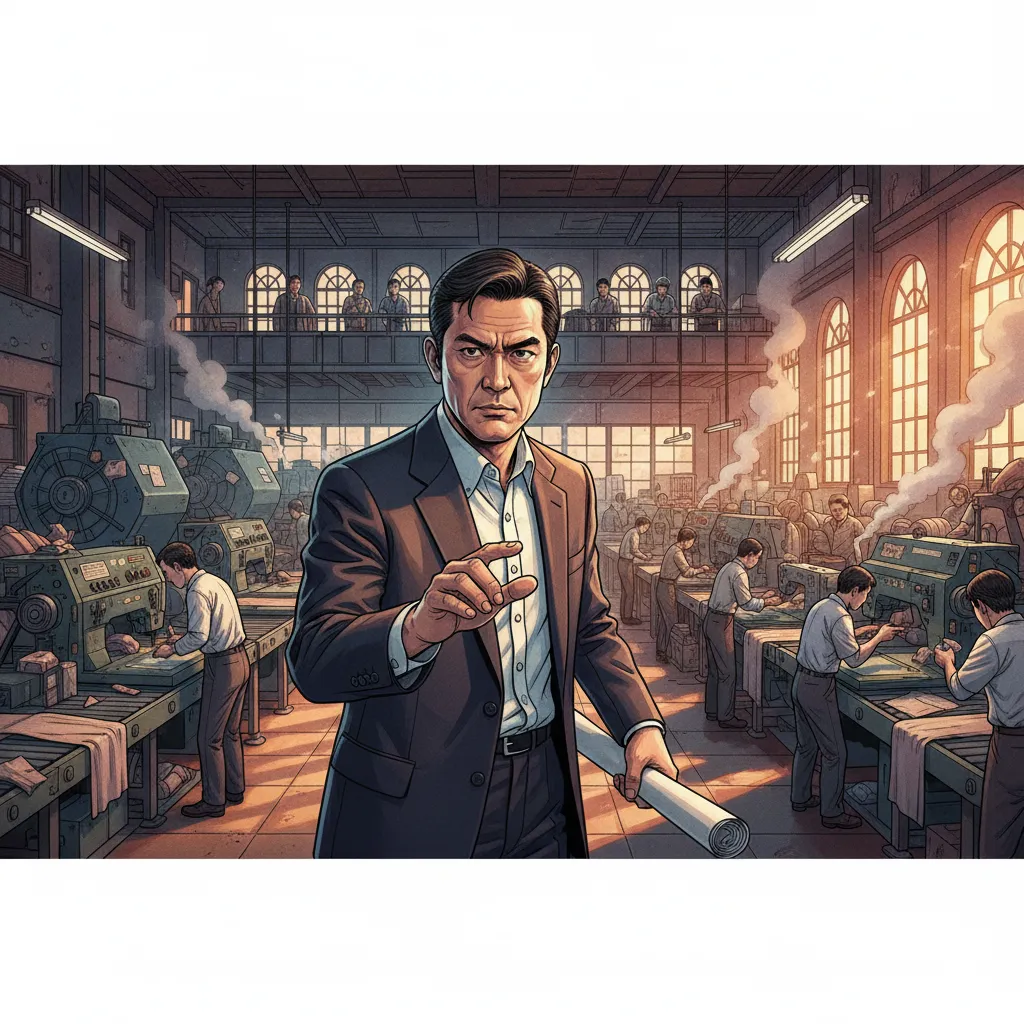
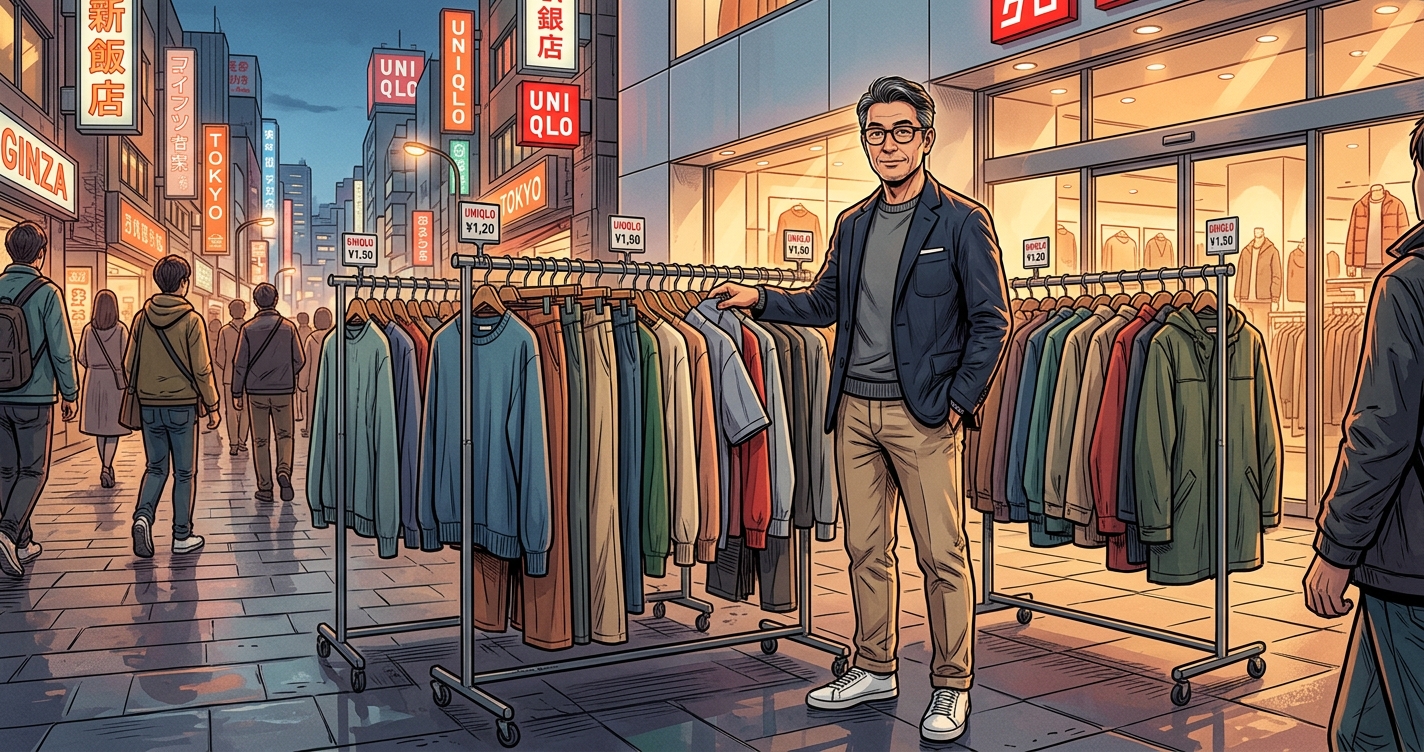
With the SPA model firmly imprinted on his mind, Tadashi Yanai wasted no time. He was a man of action, driven by an almost terrifying impatience for progress. The first true manifestation of his vision opened its doors on June 2, 1984, in Hiroshima. He called it “Unique Clothing Warehouse.” A mouthful, yes, but the essence was there: unique clothing, warehouse prices. The name would later be famously shortened and slightly misspelled (a happy accident, or perhaps a stroke of marketing genius) to Uniqlo.
The inaugural Uniqlo store wasn’t a fashionista’s paradise. It was a no-frills, self-service operation, intentionally designed to evoke the warehouse aesthetic he admired in American discount stores. The merchandise was displayed openly, allowing customers to browse freely. The focus was on simple, casual wear – basic shirts, trousers, sweaters. Critically, these were all private label, designed and produced under Yanai’s direct control. This was a radical departure in Japan, where department stores and small boutiques reigned supreme.
Early days were, predictably, a mixed bag. The concept was new, perhaps even a little jarring for Japanese consumers accustomed to more curated, attentive service. But Yanai was relentless. He wasn’t just opening stores; he was building a system. He was meticulously refining his product selection, learning what resonated, what sold, and what needed to be scrapped. He was obsessed with quality and value, even in those nascent stages. He knew that for his “unique clothing” to truly stand out, it had to deliver on its promise.
He also understood the power of scale. While the first store was a test, his vision was always grander. He wasn’t content with one shop in Hiroshima. He wanted dozens, then hundreds. He started opening more stores, strategically expanding across regional Japan. Each new store was a laboratory, a chance to fine-tune the model, streamline operations, and understand the customer better.
This period was characterized by intense learning and adaptation. Yanai was, in essence, an incredibly hands-on CEO, deep in the trenches, making decisions, correcting mistakes, and constantly pushing for efficiency. He was building the foundational pillars of what would become a global empire, brick by brick, garment by garment. He wasn’t afraid to fail, but he was even more determined to learn from those failures and come back stronger. The “Unique Clothing Warehouse” was slowly but surely evolving into something much more potent, much more impactful. It was becoming Uniqlo, a name that would soon echo across the retail world.
🌟 Chapter 4: The Fleece Phenomenon – When a Jacket Changed Everything
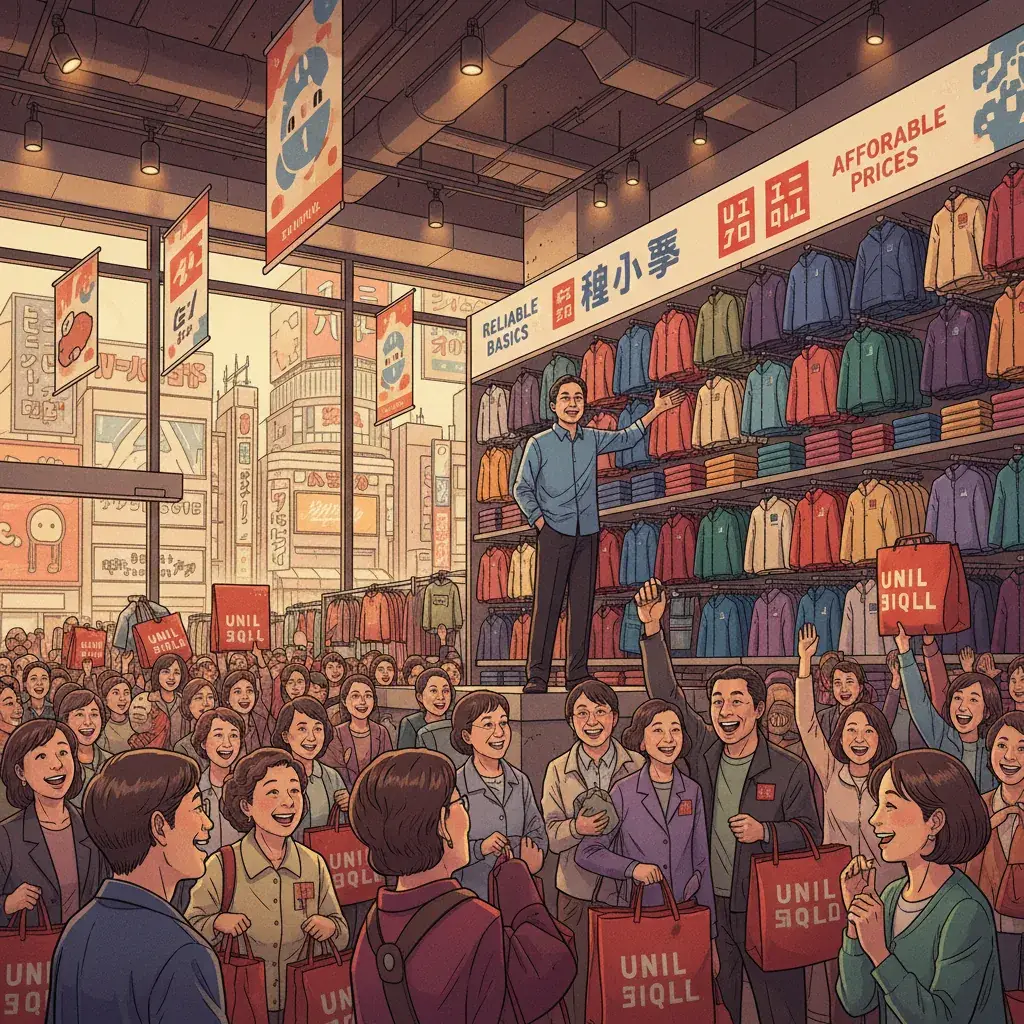
For years, Uniqlo was a growing regional chain, a solid player in the Japanese market, but not yet a sensation. They were doing good business, selling reliable basics at affordable prices. Then, in 1998, a stroke of genius, or perhaps pure audacious marketing, turned a simple garment into a national obsession and catapulted Uniqlo into the retail stratosphere. That garment? The fleece jacket.
It might sound mundane now, but back then, it was revolutionary. Fleece was relatively new in mainstream apparel, known primarily for outdoor gear. Yanai saw its potential: lightweight, warm, durable, and incredibly comfortable. But he didn’t just sell a fleece jacket; he engineered a phenomenon.
Uniqlo launched the fleece jacket in an astounding 15 vibrant colors, a departure from the muted tones typically found in Japanese casual wear. They priced it aggressively – an unheard-of 1,900 yen (about $15 USD at the time) – making it accessible to virtually everyone. But the real masterstroke was the marketing campaign. It was ubiquitous, featuring ordinary people wearing the fleece in everyday situations, emphasizing its versatility and comfort. The message was clear: this wasn’t just a jacket; it was the jacket for modern life.
The response was seismic. Japan went absolutely wild for the Uniqlo fleece. People queued up around the block. Stores were emptied as soon as new stock arrived. It became a cultural icon, a uniform for the nation. In 1999 alone, Uniqlo sold an astonishing 2 million fleece jackets. By 2000, that number had skyrocketed to 12 million.
“The fleece wasn’t just a product; it was a statement. It showed Japan that you could get high quality, functional, stylish clothing at an incredible price. It changed everything for us.”
What did this do for Uniqlo?
- Brand Recognition: It put Uniqlo on the map. Overnight, everyone knew the name. It transitioned from a discount retailer to a legitimate, desirable brand.
- Scale and Supply Chain Validation: Selling millions of units meant their nascent supply chain had to perform under immense pressure. They proved they could source, manufacture, and distribute on an unprecedented scale, refining their processes along the way. This was a brutal but invaluable test.
- Customer Trust: The fleece delivered on its promise of quality and value. This built immense trust with consumers, solidifying Uniqlo’s reputation as a reliable source of functional, well-made clothing.
- Proof of Concept: It validated Yanai’s entire SPA model. By controlling everything from design to retail, they could identify a need, create a product, market it powerfully, and deliver it at an unbeatable price point. It was the perfect storm of product, price, and promotion.
The fleece phenomenon wasn’t just a sales success; it was a strategic triumph. It gave Uniqlo the capital, the confidence, and the brand equity to dream bigger. The next logical step, for a man like Yanai, was to take this Japanese phenomenon and turn it into a global empire.
🌍 Chapter 5: Global Ambition, Global Humiliation – The First Foreign Foray
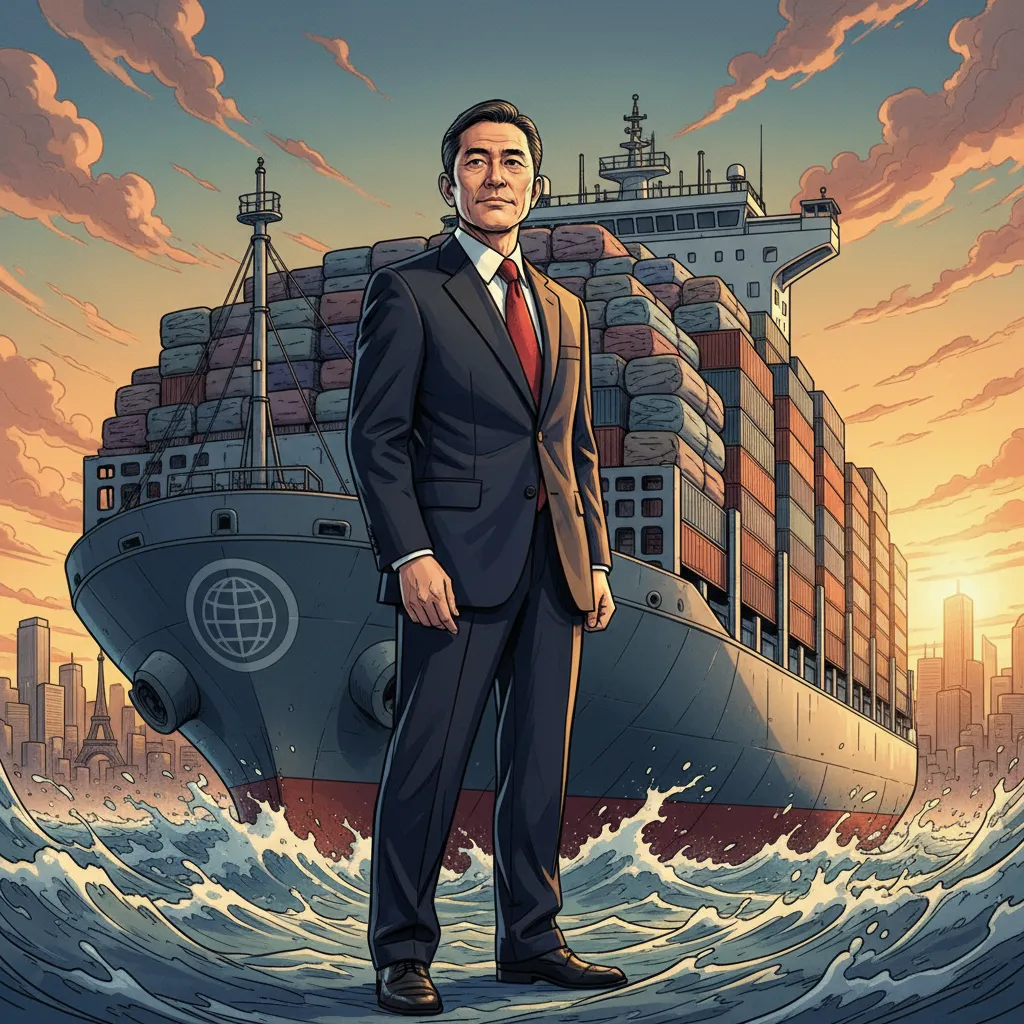
Riding high on the fleece wave, Tadashi Yanai set his sights beyond Japan. The domestic market was conquered; the world beckoned. In his characteristic style, Yanai didn’t just dip a toe in the water; he cannonballed. The plan was audacious: replicate the Japanese success, starting with the UK.
In 2001, Uniqlo launched its aggressive expansion into the British market, opening 21 stores in rapid succession, primarily in London and other major cities. The ambition was palpable. Yanai envisioned a global brand, a retail force that would rival the likes of Gap and Zara.
But ambition, unchecked by local market understanding, can be a brutal teacher. The UK expansion was, by almost all accounts, a spectacular failure. A humiliating, soul-crushing failure.
What went wrong? A lot.
- Product Mismatch: Uniqlo brought its Japanese product line directly to the UK, assuming what worked in Tokyo would work in London. It didn’t. The sizing was off, the styles were perceived as too basic or uninspired for the more fashion-conscious British market, and the color palette, while vibrant in Japan, didn’t quite land.
- Brand Identity Confusion: In Japan, Uniqlo had become a household name, synonymous with quality and value. In the UK, it was an unknown entity, just another foreign brand trying to sell clothes. The “warehouse” aesthetic, which implied value in Japan, felt cheap and unappealing to many British shoppers.
- Competition: The UK market was already saturated with established players like Marks & Spencer, Next, and a growing presence of fast fashion giants like Zara and H&M. Uniqlo lacked a distinct competitive edge in this crowded landscape.
- Lack of Localization: Yanai’s philosophy of universal basics was powerful, but he underestimated the need for subtle cultural adaptation, both in product and marketing. He tried to force-feed a Japanese solution onto a European problem.
The losses mounted. Yanai, ever the pragmatist, didn’t hesitate. By 2003, Uniqlo had slashed its UK store count from 21 to 8, closing the underperforming locations with brutal efficiency. It was a massive financial hit, but more importantly, it was a profound blow to his ego and a stark reminder that global domination wouldn’t be as straightforward as conquering Japan.
“I made huge mistakes. We expanded too fast, without understanding the market. It was a complete failure. But failure is a good teacher.”
This period of global humiliation was pivotal. For a lesser man, it might have been the end. For Yanai, it was a crucible. He didn’t retreat entirely; he regrouped. He didn’t blame his team; he blamed himself and the strategy. He learned invaluable lessons about the complexities of international markets, the critical importance of localization, and the necessity of strategic patience over aggressive expansion.
He realized that simply exporting a successful domestic model wasn’t enough. He needed to understand local tastes, local cultures, and local competitive landscapes. He needed to adapt, to evolve, to refine. The initial foreign foray was a painful but necessary baptism by fire, forging the lessons that would ultimately enable Uniqlo’s eventual, much more successful, global ascent. The samurai had been wounded, but he was far from defeated. He was merely sharpening his blade for the next battle.
🧵 Chapter 6: The Supply Chain Samurai – Engineering Perfection
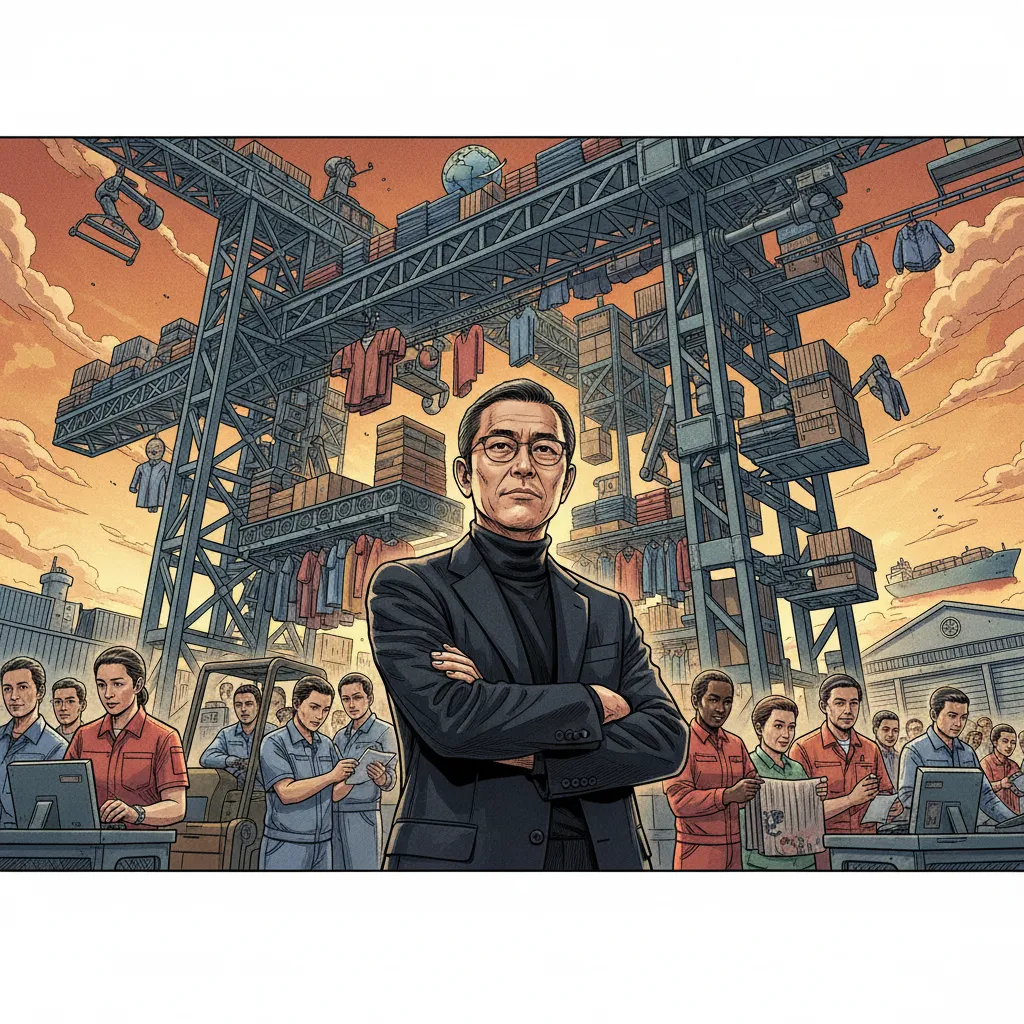
If the fleece phenomenon proved Uniqlo could sell, and the UK debacle taught them they needed to be smarter, then the subsequent years were spent building the steel backbone of the empire: a supply chain so meticulously engineered, it borders on obsessive. This is where Tadashi Yanai truly became the “Samurai of Staples,” wielding control and precision like a master craftsman.
Uniqlo’s competitive advantage doesn’t just lie in its design or marketing; it’s deeply embedded in its vertical integration and its unparalleled mastery of the supply chain. Most apparel companies outsource design, manufacturing, and distribution to various third parties. Not Uniqlo. They control virtually every step, from the very threads that make up their fabric to the moment a customer walks out of the store.
Here’s how they became supply chain ninjas:
-
Direct Sourcing & Fabric Innovation: Uniqlo doesn’t just buy fabric; they co-develop it. They forge deep, long-term partnerships with leading textile manufacturers, notably Toray Industries, a Japanese chemical giant. Together, they innovate new materials like Heattech (moisture-wicking, heat-retaining fabric), Airism (breathable, moisture-wicking comfort), and Ultra Light Down (incredibly warm, feather-light insulation). These aren’t just materials; they’re proprietary technologies that give Uniqlo a unique selling proposition no competitor can easily replicate. They invest heavily in R&D to create fabrics that solve everyday problems.
-
The Takumi System: This is where the magic happens on the factory floor. Uniqlo dispatches its elite team of skilled textile technicians, known as “Takumi” (Japanese for artisan or master craftsman), to partner factories. These aren’t just inspectors; they are teachers and collaborators. They live in the factories, working directly with local staff to ensure Uniqlo’s exacting quality standards are met, production processes are optimized, and technical issues are resolved on the spot. They transfer knowledge, uphold quality, and ensure ethical labor practices. It’s a hands-on, high-trust approach that builds long-term relationships and consistent quality.
-
Large-Volume, Long-Term Orders: Unlike fast fashion brands that place small, reactive orders, Uniqlo plans its production cycles months, sometimes even a year, in advance. This allows them to place massive, consistent orders with their partner factories. What does this mean?
- Better Pricing: Factories love large, stable orders. Uniqlo gets preferential pricing due to volume.
- Dedicated Production Lines: Factories often dedicate specific lines to Uniqlo, ensuring consistent quality and efficiency.
- Stronger Relationships: These long-term commitments foster trust and mutual investment, leading to better collaboration and innovation.
-
Data-Driven Inventory Management: Uniqlo is a data fiend. They track sales religiously, down to SKU level, across all their stores. This real-time data informs production adjustments, inventory allocation, and future design decisions. They aim for lean inventory, minimizing waste and ensuring popular items are always in stock, while less popular ones are quickly discounted or pulled.
-
Design and Production Integration: Uniqlo’s designers aren’t just creating sketches; they are deeply involved with the production process. They understand the capabilities and limitations of the factories and materials, leading to designs that are not only aesthetically pleasing but also highly manufacturable and cost-effective. The “LifeWear” concept (more on that later) emphasizes functionality and enduring style, which aligns perfectly with this integrated approach.
“Quality is everything. Without quality, you have nothing. We don’t just make clothes; we engineer them.”
This isn’t just about efficiency; it’s about control. Control over quality, control over cost, control over innovation, and control over lead times. While fast fashion relies on speed and trend replication, Uniqlo relies on fundamental excellence, built on a foundation of meticulously managed threads, factories, and relationships. Yanai understood that to sell “unique clothing” that was truly superior, he had to master the science of making it. And he did. He built a supply chain so robust, it became its own competitive moat, ensuring that every Heattech shirt or Ultra Light Down jacket that reaches a customer is a testament to his unwavering obsession with perfection.
🎨 Chapter 7: The Art of the Staple – LifeWear and the Uniqlo Philosophy
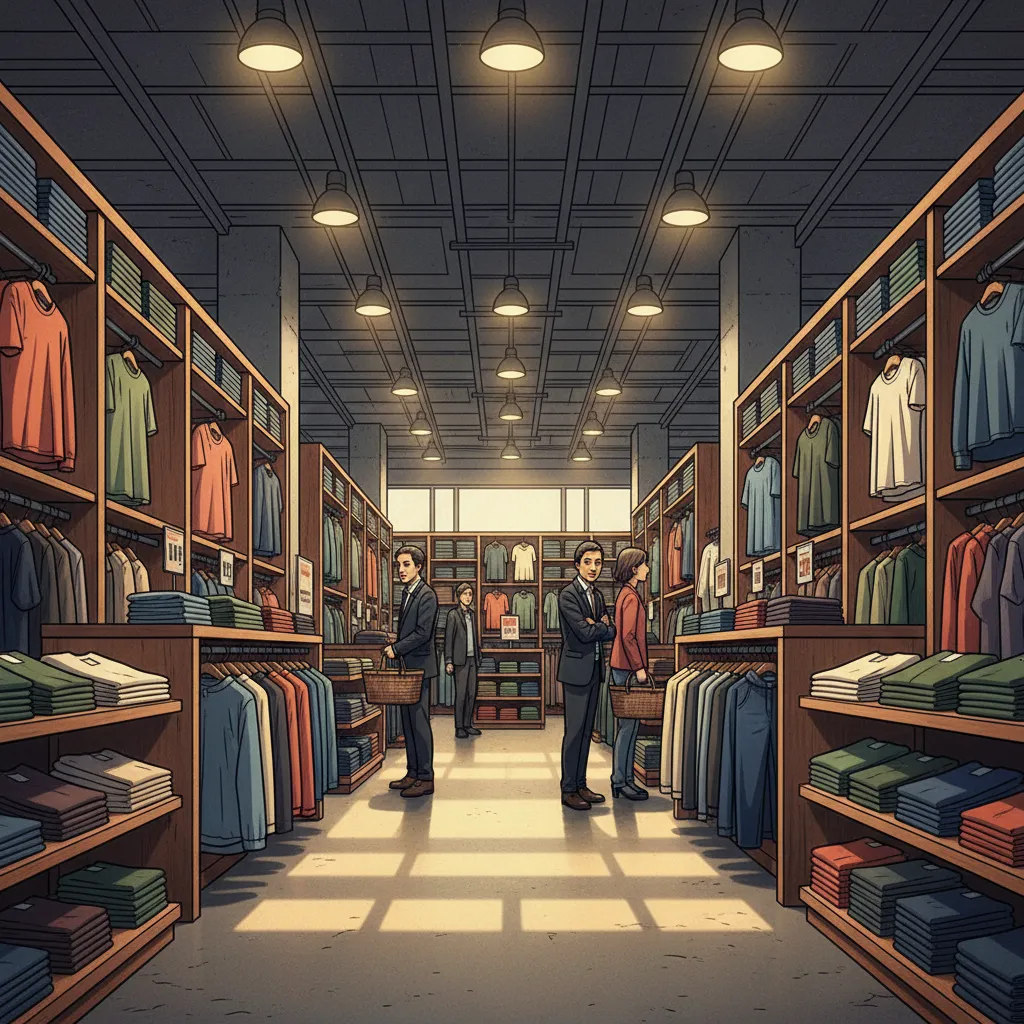
You walk into a Uniqlo store, and what do you see? Rows upon rows of simple t-shirts, hoodies, jeans, and sweaters. No outrageous prints, no fleeting trends, no avant-garde cuts. Just… basics. But these aren’t just any basics. This is where Tadashi Yanai elevated the mundane to an art form, creating a philosophy he dubbed “LifeWear.”
LifeWear isn’t just a marketing slogan; it’s the spiritual core of Uniqlo. It’s the idea that clothing should be:
- Functional: It should perform. It should keep you warm, cool, dry, or protected. It should move with you, not against you.
- Innovative: It should leverage technology and advanced materials to offer new levels of comfort and performance (think Heattech, Airism, Ultra Light Down).
- Universal: It should be designed for everyone, regardless of age, gender, or personal style. It’s a blank canvas for individual expression.
- High Quality & Affordable: It should be durable, well-made, and accessible to the mass market.
Yanai wasn’t interested in making clothes for a niche, fashion-forward crowd. He wanted to dress the world. He wanted to solve the everyday clothing problems of everyday people. He understood that while trends come and go, the fundamental need for comfortable, practical, and stylish clothing endures.
Consider the Heattech story. Yanai observed people bundling up in thick, bulky layers during winter. He challenged his team and Toray Industries to create a fabric that was thin, lightweight, and yet incredibly warm. The result was Heattech – a revolutionary innerwear that wicks moisture, generates heat from body vapor, and keeps you cozy without the bulk. It wasn’t just a product; it was a solution to a universal problem, packaged stylishly and affordably. It became a global sensation, selling hundreds of millions of units.
Similarly, Airism tackled the opposite problem: staying cool and dry in humid conditions. Ultra Light Down provided warmth without weight, transforming bulky winter coats into sleek, packable jackets. These innovations weren’t accidental; they were the direct result of the LifeWear philosophy and Uniqlo’s deep investment in R&D and supply chain partnerships.
“We don’t sell fashion. We sell parts for a better life. We sell clothes that are functional, innovative, and designed to make your life easier and more comfortable.”
This focus on the “art of the staple” is a powerful business strategy:
- Timeless Appeal: Basics don’t go out of style. This reduces inventory risk and allows for longer product lifecycles.
- Mass Market Appeal: Everyone needs basics. This expands the potential customer base exponentially.
- Scalability: Producing large volumes of relatively few core products is incredibly efficient for manufacturing and distribution.
- Brand Trust: When a brand consistently delivers high-quality, functional basics, it builds immense trust and loyalty. Customers know what to expect.
Yanai understood that true luxury wasn’t about exclusivity; it was about universal access to exceptional quality. He didn’t chase trends; he created necessities. He didn’t just sell clothes; he sold comfort, convenience, and quiet confidence. This commitment to LifeWear transformed Uniqlo from a simple clothing retailer into a purveyor of essential, technologically advanced apparel, making it indispensable in wardrobes around the globe. It was a subtle, yet utterly brilliant, strategic pivot that cemented their place as a retail powerhouse.
🥋 Chapter 8: The Yanai Doctrine – Speed, Discipline, and Self-Criticism

To understand Uniqlo is to understand Tadashi Yanai’s formidable leadership style. This isn’t a man who suffers fools gladly or rests on his laurels. His philosophy, the “Yanai Doctrine,” is a potent brew of speed, relentless discipline, and an almost brutal commitment to self-criticism. He’s often quoted with the phrase, “Change or Die,” and he lives by it.
Yanai runs Fast Retailing with the precision of a military general and the impatience of a startup founder. He demands constant improvement, even from successful ventures. He famously said, “If you’re satisfied with your work, you’re finished.” This isn’t just rhetoric; it’s deeply ingrained in the company culture.
Key tenets of the Yanai Doctrine:
-
Speed is Everything: In the retail world, trends shift, economies fluctuate, and consumer preferences evolve at warp speed. Yanai instilled a culture of rapid decision-making and even faster execution. From identifying a market need to getting a product into stores, Uniqlo aims for unparalleled agility. This is enabled by their vertically integrated supply chain, but it requires a mindset that embraces calculated risk and quick pivots.
-
Radical Self-Criticism (Hansei): This is perhaps the most defining characteristic. Yanai encourages, no, demands, that his teams constantly scrutinize their own work, identify flaws, and learn from mistakes. He himself is notoriously self-critical, often publicly acknowledging failures (like the initial UK expansion) and dissecting them for lessons. This isn’t about blaming; it’s about systematic improvement. Meetings at Uniqlo are often intense, focused on what went wrong and how to fix it, rather than celebrating successes. It’s a culture of continuous introspection.
-
Global Mindset, Local Execution: While the overall vision is global, Yanai learned the hard way that execution needs to be localized. His leadership pushes teams to think globally – aspiring to be the world’s best – but to act locally, adapting products, marketing, and store experiences to specific cultural contexts. This requires a delicate balance and empowered local leadership.
-
Meritocracy and Performance: Yanai is a staunch believer in meritocracy. He promotes based on performance, not seniority, and he expects high standards from everyone. This can be a demanding environment, but it also fosters a culture where talent is recognized and rewarded, and complacency is rooted out. He’s not afraid to shake up leadership or delegate significant responsibility to younger, hungry talent.
-
Owner’s Mentality: Every employee, from the store associate to the senior executive, is expected to think like an owner, to take personal responsibility for the business’s success and to always look for ways to improve efficiency and profitability. This empowers individuals but also places a heavy burden of accountability.
“If you want to be a global company, you have to be ready to fail and learn from it. You must always change, always innovate, always improve. Otherwise, you will die.”
Yanai’s leadership is not for the faint of heart. He’s known for his directness, his intensity, and his unwavering focus on results. He’s a visionary who also micromanages details, a leader who empowers but also scrutinizes. He challenges his people constantly, pushing them beyond their comfort zones. This relentless drive, born from his own youthful restlessness and honed by decades of experience, is the engine that propels Fast Retailing forward. It’s a demanding, sometimes brutal, but ultimately incredibly effective way to build and sustain a global empire in a hyper-competitive industry. He built a culture where the fear of stagnation outweighs the fear of failure, and that, perhaps, is his greatest feat of leadership.
📈 Chapter 9: The Global Ascent – Recalibrating for World Domination
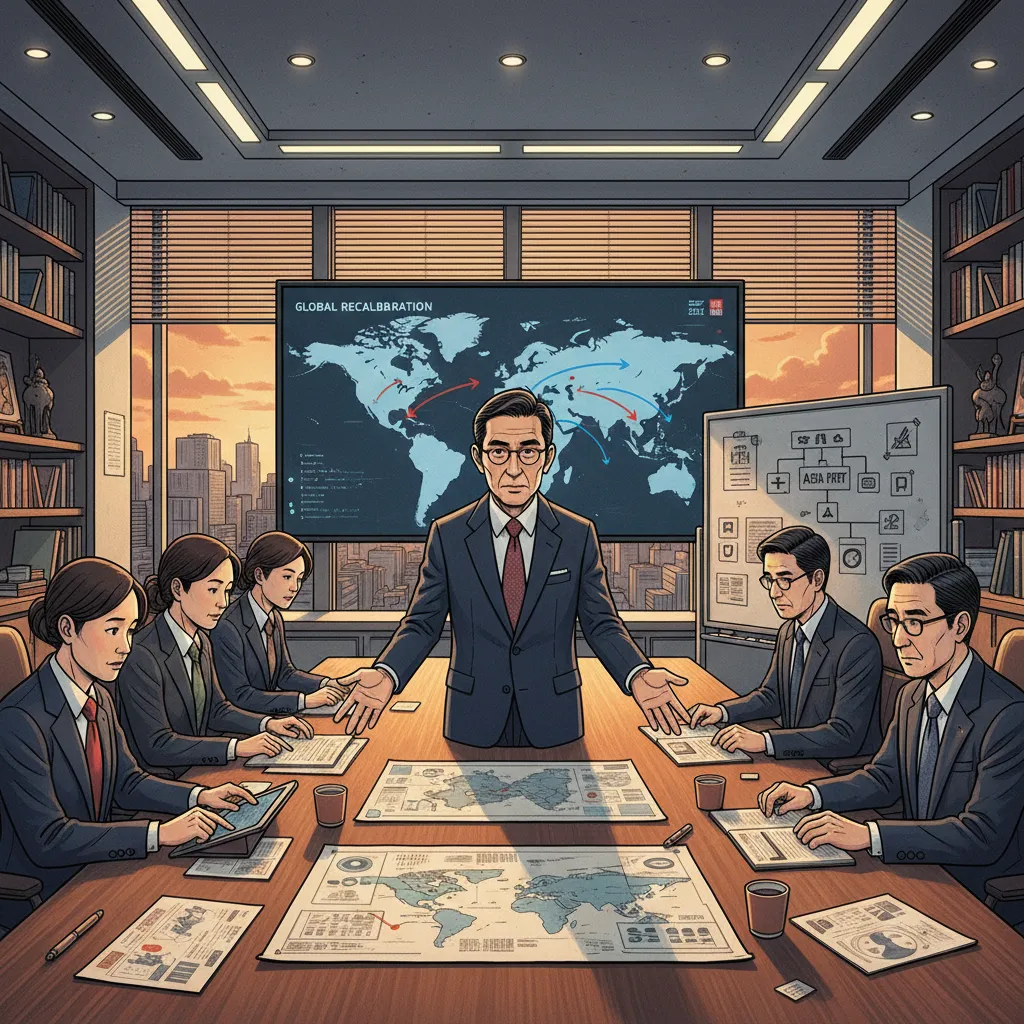
After the painful lessons of the UK debacle, Tadashi Yanai didn’t abandon his global ambitions. Far from it. He simply recalibrated. The strategy shifted from aggressive, blind expansion to a more measured, intelligent approach. This time, Uniqlo would learn, adapt, and conquer.
The second wave of global expansion, beginning in the mid-2000s, was characterized by several crucial changes:
-
Strategic Focus on Key Markets: Instead of scattering stores everywhere, Uniqlo focused on establishing a strong foothold in major global cities, particularly in Asia, and then gradually expanding outwards. Shanghai, Seoul, New York, Paris – these became the beachheads. These cities offered high visibility, dense populations, and diverse customer bases, allowing Uniqlo to test and refine its approach.
-
Flagship Stores as Brand Statements: Uniqlo invested heavily in massive, architecturally impressive flagship stores in prime locations. Think the sprawling 5th Avenue store in New York, or the vibrant Ginza store in Tokyo. These weren’t just retail outlets; they were brand temples, designed to immerse customers in the “LifeWear” experience, showcasing the full range of products and innovations. They served as powerful marketing tools, generating buzz and establishing credibility.
-
Localization, Not Just Translation: Yanai learned that while the core “LifeWear” philosophy was universal, its expression needed to be localized. This meant adapting sizing, color palettes, and even product offerings to suit local tastes and climates. For example, while Heattech was a hit globally, its thickness might be adjusted for warmer climates. Marketing campaigns started featuring local celebrities and relatable scenarios, rather than generic global ads.
-
Hiring Local Talent & Empowering Leadership: Uniqlo began hiring experienced local talent for key management positions in new markets. These leaders understood the nuances of their respective regions, allowing for more agile and effective decision-making. Yanai still maintained a tight grip on the overall vision, but he delegated operational autonomy to those on the ground.
-
Product Refinement & Innovation: Building on the success of Heattech and Airism, Uniqlo continued to push the boundaries of functional apparel. They introduced Ultra Light Down, Dry-EX, Kando pants, and a host of other innovative fabrics and designs. This constant stream of innovation kept the brand fresh and provided compelling reasons for customers to choose Uniqlo over competitors.
-
E-commerce Integration: Recognizing the shift in retail, Uniqlo heavily invested in its online presence, creating seamless omni-channel experiences. Customers could browse online, check stock, order for home delivery, or pick up in-store. This broadened their reach and catered to modern shopping habits.
The results were dramatically different from the first attempt. Uniqlo’s global footprint exploded. They became a major player in China and other Asian markets, successfully penetrated the highly competitive US and European markets (albeit more slowly and deliberately), and established themselves as a truly global brand.
“Our ambition is to be the world’s number one apparel retailer. We are not there yet, but every day we are learning, improving, and moving closer.”
Yanai’s vision of dressing the world was no longer a pipe dream; it was a tangible reality. The early failures, painful as they were, had provided the invaluable lessons needed to forge a resilient, adaptable, and ultimately successful global expansion strategy. Uniqlo proved that with enough grit, self-correction, and a truly superior product, even the most formidable retail landscapes could be conquered.
👑 Chapter 10: Fast Retailing’s Empire – Beyond the Basics
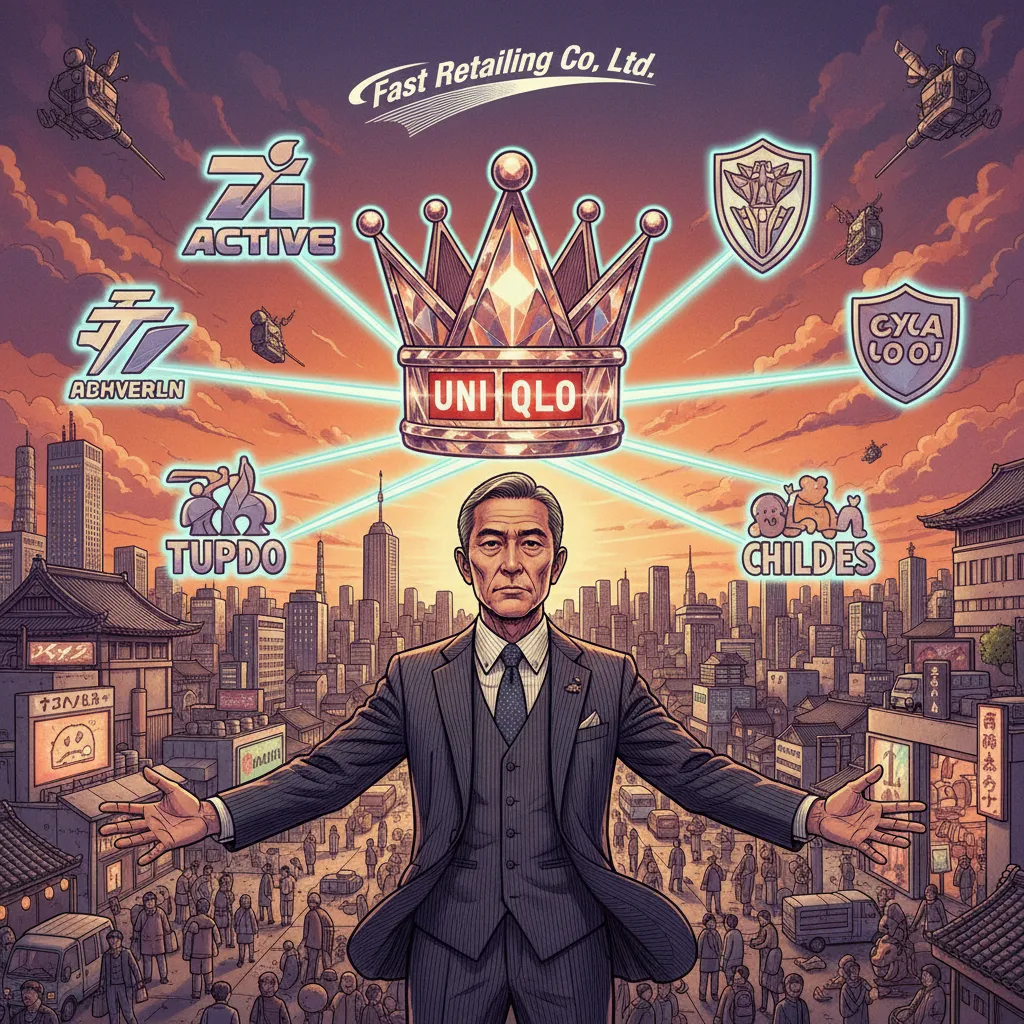
While Uniqlo remains the crown jewel, Tadashi Yanai’s ambition extended far beyond a single brand. He envisioned Fast Retailing Co., Ltd. as a multi-brand powerhouse, capable of tackling different market segments and continuing its relentless march towards becoming the world’s largest apparel retailer.
Fast Retailing isn’t just Uniqlo. It’s an ecosystem of brands, each with its distinct identity and target audience, yet all benefiting from the core strengths of the parent company’s supply chain mastery and operational discipline.
Key brands under the Fast Retailing umbrella include:
-
GU: Launched in 2006, GU is Uniqlo’s younger, trendier, and even more affordable sibling. While Uniqlo focuses on timeless basics and functional innovation, GU aims squarely at fast fashion, offering fashionable items at incredibly low price points. It’s designed to capture the younger demographic and compete directly with global fast-fashion giants like Zara and H&M on speed and trendiness, but still leveraging Fast Retailing’s efficient production capabilities to maintain quality. GU is particularly strong in Japan and growing rapidly in Asia.
-
Theory: Acquired in 2004, Theory is a premium, contemporary fashion brand known for its sophisticated, minimalist designs and high-quality fabrics. It targets a more affluent, fashion-conscious customer than Uniqlo. Yanai saw an opportunity to bring Fast Retailing’s operational efficiency and sourcing power to a higher-end brand, optimizing its supply chain and global reach. Theory provides Fast Retailing with a strong foothold in the luxury casual wear segment.
-
PLST (Plus T): Positioned between Uniqlo and Theory, PLST offers sophisticated casual wear for adults, with a focus on comfortable, high-quality materials and contemporary styles suitable for both work and leisure. It provides another layer of diversification, catering to customers looking for elevated basics and smart casual options.
-
Comptoir des Cotonniers & Princesse tam.tam: These French brands, acquired in 2005 and 2005 respectively, further diversified Fast Retailing’s portfolio into European-inspired women’s fashion (Comptoir des Cotonniers) and lingerie (Princesse tam.tam). While they have a smaller global footprint compared to Uniqlo, they represent Yanai’s willingness to acquire established brands with strong local identities and integrate them into the larger Fast Retailing machine.
The strategy behind this multi-brand approach is multifaceted:
- Market Diversification: It allows Fast Retailing to address different customer segments (value, premium, trend-focused) and different price points, reducing reliance on a single brand.
- Synergies: All brands can potentially benefit from Fast Retailing’s unparalleled supply chain, logistics, and global operational expertise, leading to better cost control and efficiency.
- Risk Mitigation: If one brand faces headwinds, others can pick up the slack, providing a more stable revenue base.
- Global Reach: Each brand offers a distinct entry point into different markets and customer preferences around the world.
“Our goal is not just to sell clothes, but to change the way people think about clothing. Each of our brands plays a part in that mission, offering something unique to different parts of the world.”
Yanai isn’t content with merely being the richest man in Japan; his sights are set on the global retail throne. The development of the Fast Retailing empire, with Uniqlo as its shining core and GU, Theory, and others as formidable outposts, is a testament to his expansive vision. He’s building a retail conglomerate designed for ultimate resilience and dominance, proving that even in the world of fashion, the relentless pursuit of efficiency and customer value can build an unshakable empire.
🚧 Chapter 11: Challenges, Succession, and the Future Horizon
Even for a titan like Tadashi Yanai and an empire like Fast Retailing, the path forward is never without obstacles. The global apparel industry is a battlefield, constantly evolving, and new challenges emerge with relentless regularity.
Current and Future Challenges:
-
Succession Planning: Yanai is in his 70s, and while he remains intensely involved, the question of succession looms large. He has famously stated that the next CEO should be a woman, and that they would need to be “better than him.” This is a monumental task. Finding a successor who possesses his unique blend of vision, ruthlessness, and operational genius is perhaps the biggest challenge facing Fast Retailing. Yanai has tried to step back multiple times, only to find himself drawn back into the fray, highlighting the difficulty of finding someone to fill his colossal shoes.
-
Intensifying Competition: The retail landscape is more crowded and aggressive than ever. Fast fashion giants like Zara and H&M continue to innovate on speed. New players like Shein are disrupting the market with ultra-low prices and hyper-fast trend cycles. E-commerce pure-plays are capturing market share. Uniqlo must continuously innovate its products, refine its supply chain, and enhance its customer experience to stay ahead.
-
Geopolitical Tensions and Supply Chain Vulnerabilities: Uniqlo relies heavily on manufacturing in Asia, particularly in Vietnam, Bangladesh, and China. Geopolitical tensions, trade disputes, and even natural disasters can disrupt these intricate supply chains, leading to delays and increased costs. The COVID-19 pandemic exposed these vulnerabilities globally, forcing companies to re-evaluate their sourcing strategies. Yanai must navigate these complex international waters with extreme caution and foresight.
-
Sustainability and Ethical Sourcing: Consumer demand for sustainable and ethically produced clothing is growing rapidly. Fast Retailing, with its massive production scale, faces intense scrutiny regarding its environmental impact, labor practices, and transparency. While Uniqlo has made strides with initiatives like recycling programs and more sustainable materials, the pressure to do more, and to prove it, will only increase. This isn’t just a PR issue; it’s a fundamental shift in consumer values.
-
Maintaining Innovation and Relevance: The “LifeWear” philosophy thrives on continuous innovation (Heattech, Airism, etc.). Uniqlo must continue to invest heavily in R&D, working with partners like Toray, to keep developing groundbreaking materials and functional designs. The risk is becoming complacent or failing to anticipate the next big shift in consumer needs or technological advancements.
Despite these challenges, Yanai’s ambition remains undimmed. He still openly declares his goal for Fast Retailing to become the world’s number one apparel retailer, surpassing even Inditex (Zara’s parent company). This is a target that requires relentless drive, adaptability, and strategic courage.
“The world is changing faster than ever. If you stop trying to change, if you stop trying to improve, you will be left behind. This is the truth of business.”
Yanai has built a company deeply embedded with his “change or die” mentality. The future of Fast Retailing will depend on how well this culture of innovation, self-criticism, and relentless improvement can be sustained and passed on. It’s a testament to his foundational work that the company is even in a position to contend for global dominance, but the journey to the top, and staying there, demands constant vigilance and daring leadership. The samurai of staples may one day pass the torch, but the spirit of his relentless pursuit of perfection will need to burn brighter than ever.
🌌 Chapter 12: The Enduring Legacy of the Samurai of Staples
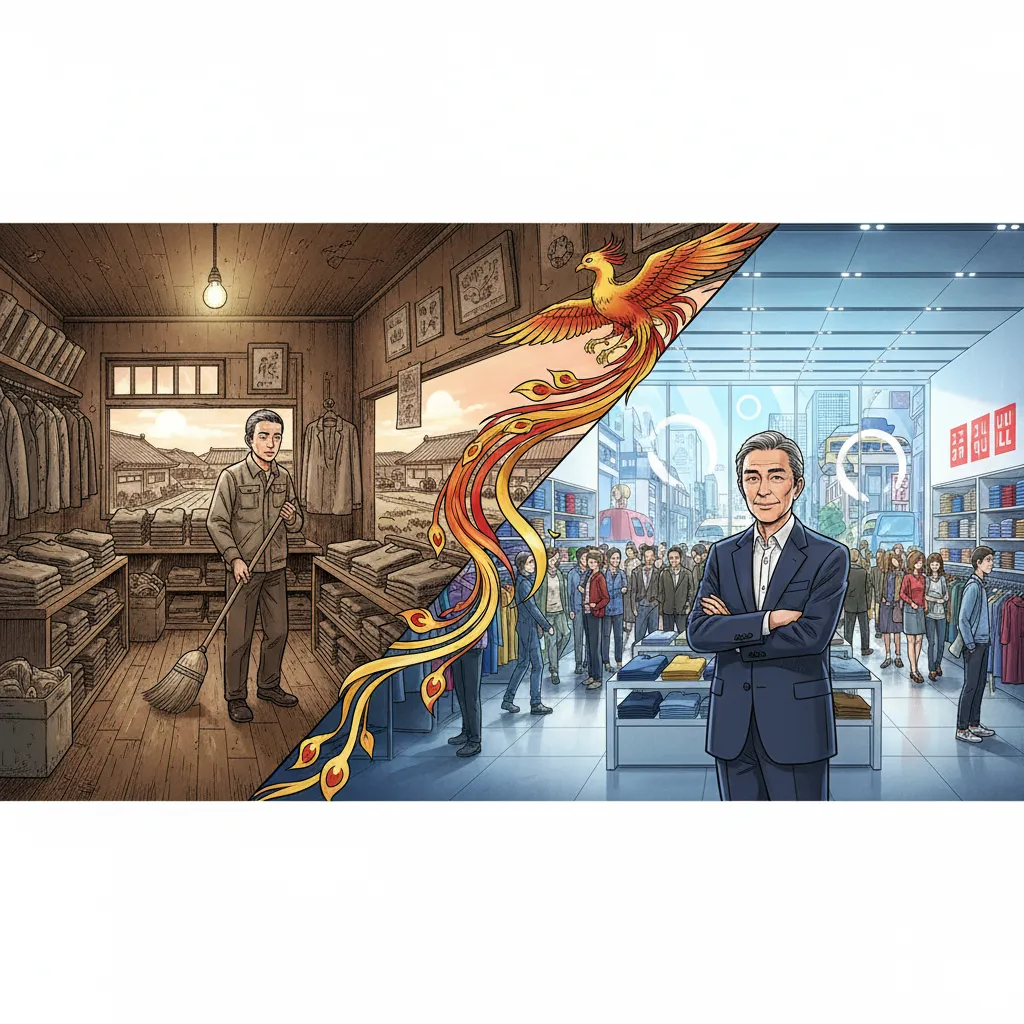
We’ve journeyed from a dusty menswear shop in rural Japan to the gleaming flagship stores of global metropolises. We’ve witnessed the fierce ambition of a reluctant heir, the strategic genius of a retail revolutionary, and the uncompromising discipline of a true mogul. Tadashi Yanai isn’t just Japan’s richest man; he’s a living legend, a testament to the power of vision, tenacity, and an almost obsessive commitment to a simple idea: making great clothes accessible to everyone.
His legacy isn’t just measured in billions of dollars or millions of Heattech shirts sold. It’s in the fundamental disruption he brought to the apparel industry. He didn’t invent clothing, but he reinvented how it was made, sold, and perceived. He proved that basics don’t have to be boring, that quality doesn’t have to be exclusive, and that a truly global brand can be built on the bedrock of functionality and value.
What can we learn from the Samurai of Staples?
- The Power of the Core Product: Yanai didn’t chase trends; he perfected the staples. Find your core offering, make it exceptional, and build everything around it.
- Supply Chain as a Strategic Weapon: Don’t just outsource; integrate. Owning or deeply partnering across your supply chain gives you unparalleled control over quality, cost, and innovation. It’s a competitive moat.
- Relentless Self-Criticism: The “change or die” mantra isn’t just catchy; it’s existential. Always question, always improve, always learn from failures, no matter how painful. Complacency is the silent killer of empires.
- Global Vision, Local Adaptation: Think big, but execute smart. Understand cultural nuances. Don’t just export; evolve.
- Patience and Persistence: The path to greatness is littered with failures. Yanai’s UK debacle could have ended it all, but it became a brutal, invaluable lesson. The ability to learn, pivot, and keep pushing forward is non-negotiable.
Today, Fast Retailing, under Yanai’s continued guidance, stands as a formidable force, challenging the established giants and redefining what it means to be a global apparel company. Uniqlo isn’t just a place to buy a t-shirt; it’s a symbol of modern practicality, democratic design, and quiet innovation.
So, the next time you pull on that perfectly fitting Uniqlo tee, or marvel at the warmth of your Ultra Light Down jacket, remember the man behind it all. Remember Tadashi Yanai, the reluctant heir who became a retail revolutionary, the man who dared to dress the world in basics, and in doing so, stitched his name into the fabric of business history. His story isn’t just about clothes; it’s about the relentless pursuit of an audacious dream, one thread, one stitch, one empire at a time. And that, my friend, is a story worth telling.
💡 Key Insights
- ▸ The power of vertical integration and supply chain mastery cannot be overstated. Uniqlo’s relentless focus on owning every step from fabric sourcing to retail distribution allowed them to control quality, cost, and innovation, creating an unparalleled competitive advantage that aspiring entrepreneurs must emulate if they seek to disrupt established industries.
- ▸ Embrace radical self-criticism and a 'change or die' mentality. Tadashi Yanai famously shut down failing international ventures and constantly pushed his teams to innovate, even when successful. This unwavering commitment to identifying flaws and pivoting rapidly is crucial for long-term survival and growth in fast-moving markets.
- ▸ Elevate the mundane: Uniqlo proved that even basic apparel can become a premium, desirable product through relentless focus on quality, comfort, and functional innovation. The lesson here is to find overlooked categories and infuse them with superior engineering and design, transforming commodities into aspirational necessities.