Zhou Qunfei: From Factory Floor to the Glass Behind the Smartphone Age
Zhou Qunfei left school for factory work, mastered precision glass, and built Lens Technology into a critical supplier for the touch-screen economy.
View all stories about this mogul
Before glass became the face of the smartphone, Zhou Qunfei learned how unforgiving a polished surface could be.
A tiny scratch, a warped edge, or a low production yield could destroy the value of an otherwise finished component. The customer saw a clear piece of glass. The factory saw grinding, coating, inspection, chemical strengthening, clean-room discipline, and thousands of opportunities for failure.
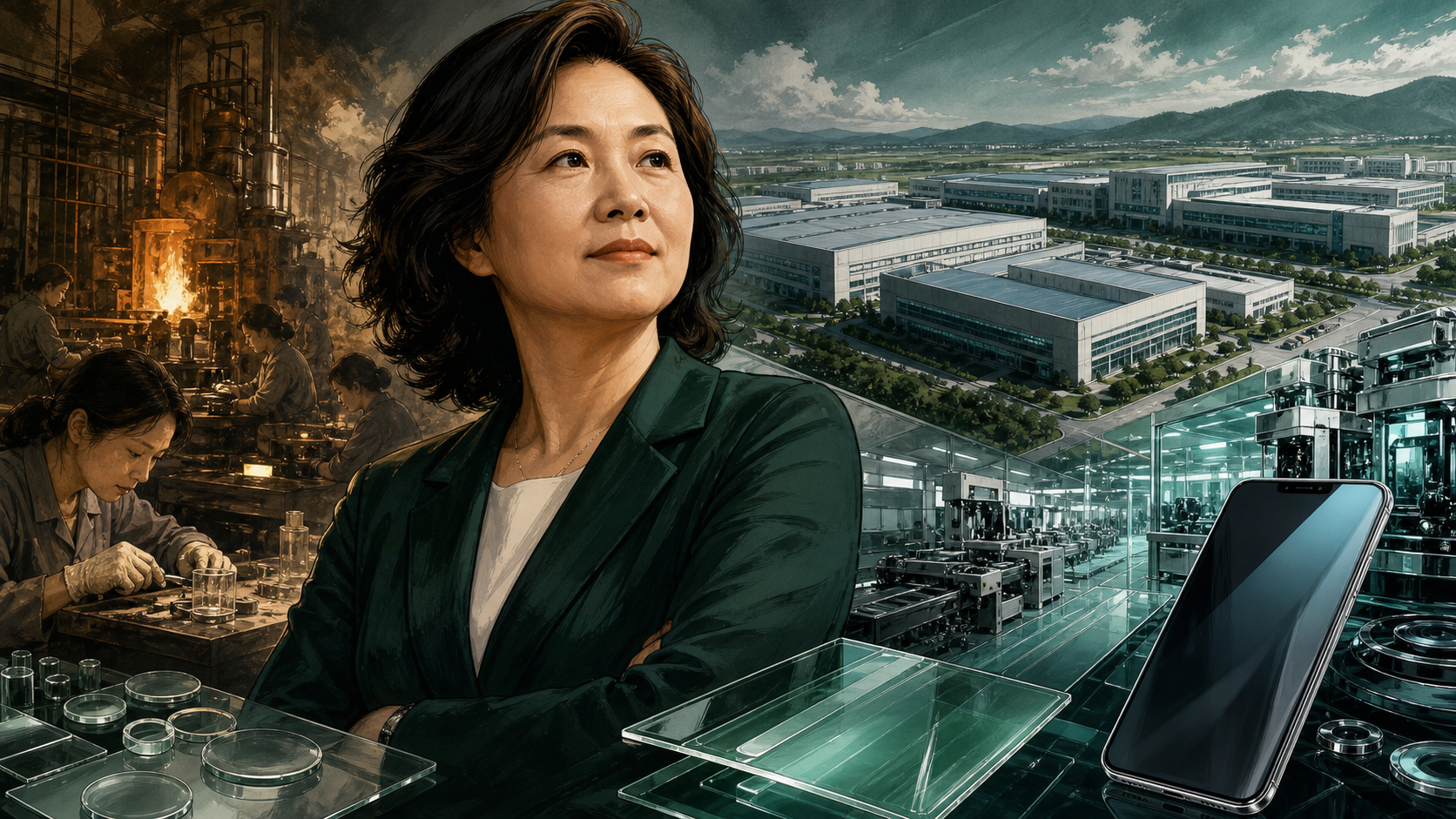
Zhou built Lens Technology by mastering that invisible difficulty. Her rise from migrant factory worker to manufacturing billionaire became one of China’s defining industrial stories—and a lesson in how suppliers capture value during a technology transition.
How Did Zhou Qunfei Learn the Factory From the Bottom?
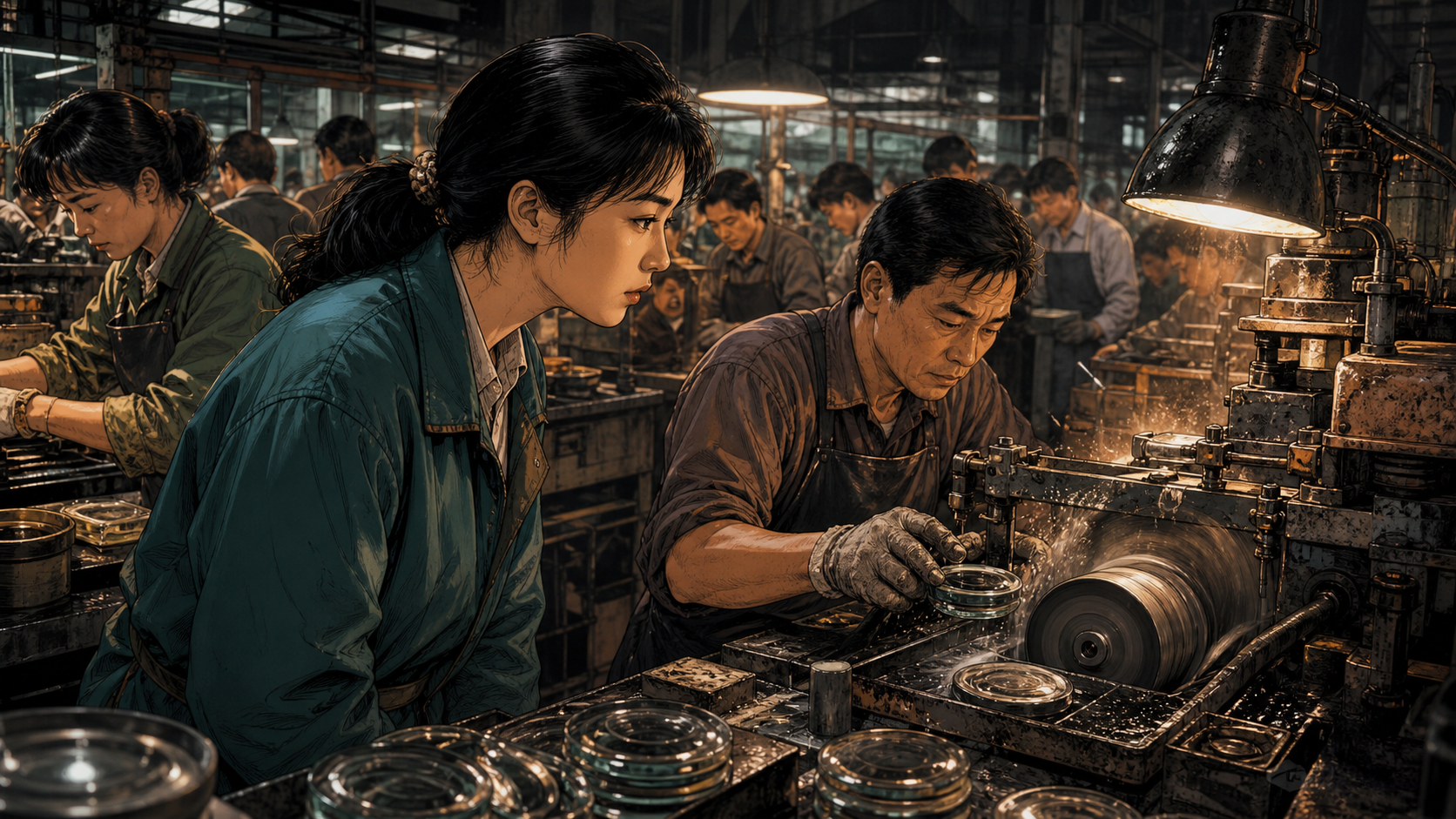
Zhou was born in rural Hunan province. Her childhood included hardship, and she left school as a teenager to work in Shenzhen, the manufacturing city drawing migrants from across China.
She found work in a factory producing watch lenses. The job was repetitive, but the process became an education. Zhou learned how materials behaved, where defects appeared, how operators affected yield, and why customers rejected batches.
She eventually left to start a small workshop, reportedly with family members and limited capital. The early operation made watch glass, an unglamorous product in a crowded supply chain. What distinguished Zhou was attention to production detail and willingness to remain close to the line.
Manufacturing knowledge is often tacit. A specification can describe thickness and clarity, but not every adjustment that keeps a polishing process stable in heat, humidity, or high volume. Founders who understand those variables can make faster decisions than executives managing only through reports.
Zhou’s first advantage was not a famous brand. It was the ability to deliver components with fewer surprises.
Why Did the Touch-Screen Transition Change Everything?
Mobile phones once relied on plastic covers and physical keys. As devices became premium objects and screens took over the interface, glass needed to be thin, strong, optically clear, responsive, and manufacturable at extraordinary scale.
That shift expanded the strategic importance of cover glass. A defect was no longer hidden inside the device. It sat directly under the user’s finger and in front of every pixel.
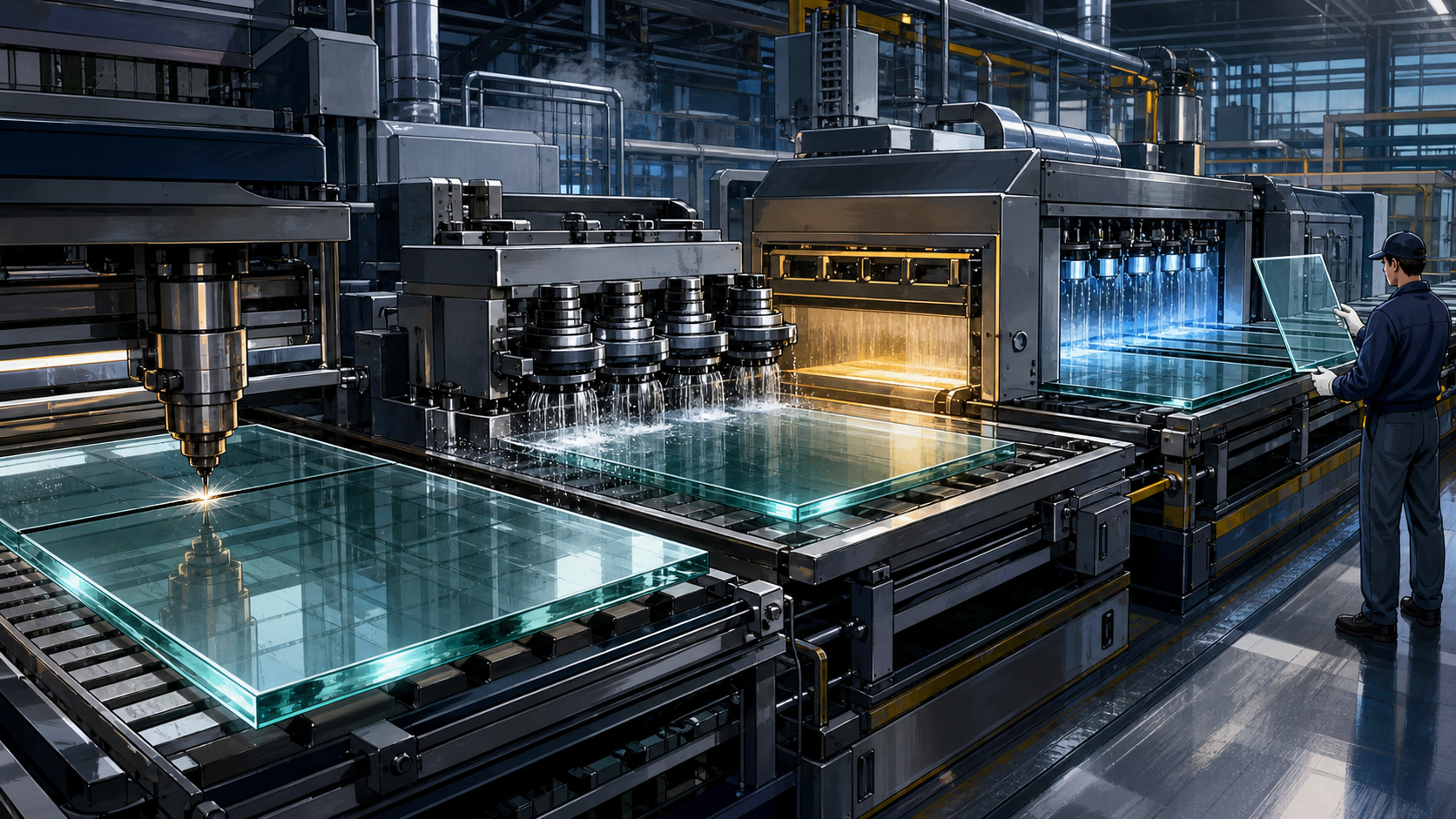
Lens Technology positioned itself for this transition. The company developed processes for cutting, shaping, strengthening, coating, printing, and inspecting glass. It worked with major electronics customers whose product cycles demanded rapid expansion and tight tolerances.
Winning a large device program can transform a supplier. It can also be brutal. The supplier must invest before revenue arrives, meet changing designs, protect confidential information, and absorb the consequences of yield problems. Customers hold enormous bargaining power because a delayed component can threaten a global launch.
Zhou’s operating discipline turned those constraints into a barrier. A new entrant could buy machinery, but reproducing accumulated process knowledge and quality systems was harder.
How Did Lens Technology Scale—and What Risks Came With It?

Lens Technology expanded across large manufacturing campuses and entered public markets in Shenzhen in 2015. The listing made Zhou’s fortune more visible and gave the company access to capital for equipment, capacity, and research.
Scale strengthened the company in several ways. Large customers wanted suppliers capable of enormous volumes. More production generated more learning. Capital-intensive facilities discouraged casual competitors.
But supplier scale is not the same as brand power. Concentrated customers can demand price reductions. Consumer-electronics cycles create sharp swings. New materials, device shapes, and manufacturing methods require constant reinvestment. Labor conditions and environmental performance attract scrutiny because the supply chain sits behind globally visible products.
Lens Technology diversified into glass for wearables, tablets, vehicles, and other smart devices. It also expanded into additional structural components and materials. The strategy was clear: use precision-surface expertise across more products so the company was not defined by one phone cycle.
The challenge was equally clear. Diversification can dilute the process focus that created the advantage. Every new component adds capital, qualification, and execution risk.
What Is the Real Lesson of the Glass Empire?

Zhou’s story is often told as inspiration: a factory worker became one of the world’s wealthiest self-made women. That is true, but the business lesson is more specific.
She entered a low-status corner of manufacturing, learned it deeply, and stayed positioned when the product architecture changed. Touch screens moved glass from protection to interface. The market rewarded suppliers able to solve the transition at scale.
Key facts
| Milestone | Why it mattered |
|---|---|
| Factory work in Shenzhen | Built hands-on knowledge of glass production |
| Independent workshop | Converted craft knowledge into ownership |
| Mobile-device expansion | Put the company inside a major interface shift |
| 2015 Shenzhen listing | Funded scale and made the founder’s stake visible |
| Diversification beyond phones | Reduced dependence on one device category |
FAQ
What does Lens Technology make? It manufactures precision glass and related components used in consumer electronics, vehicles, wearables, and other devices.
Did Zhou Qunfei inherit the company? No. Public accounts describe her rise from factory work to founding and building the business.
What is the biggest risk for a component supplier? Customer concentration, pricing pressure, technology shifts, capital intensity, and production yield can all change profitability quickly.
The glass in a phone is designed to disappear beneath the content. Zhou Qunfei built power from everything required to make that disappearance possible. Her empire shows that the least visible component can hold the most accumulated know-how.
💡 Key Insights
- ▸ Manufacturing fortunes often begin with process knowledge that customers cannot see.
- ▸ A supplier can gain power by solving yield and scale problems during a market transition.
- ▸ Customer concentration accelerates growth and magnifies bargaining risk.
- ▸ Operational learning compounds when the founder understands the factory floor.