Daniel Dines: How UiPath Turned Office Drudgery Into an Automation Empire
Daniel Dines spent years building obscure automation software in Bucharest before UiPath became the face of RPA—and learned how fast a category can mature.

View all stories about this mogul
Daniel Dines built a global software company around work almost nobody wanted to admit they were doing.
Across banks, insurers, manufacturers, and government offices, employees copied numbers from one aging system into another. The work was repetitive, fragile, and too deeply embedded to replace quickly. UiPath’s software offered a bridge: teach a digital worker to click, type, read screens, and move information through the same interfaces humans used.
That idea became robotic process automation, or RPA. It helped turn a small Bucharest engineering company into a New York-listed enterprise platform. It also created the next problem: once automation became mainstream, UiPath had to prove it was more than a clever layer over old software.
How Did a Bucharest Outsider Find the RPA Market?

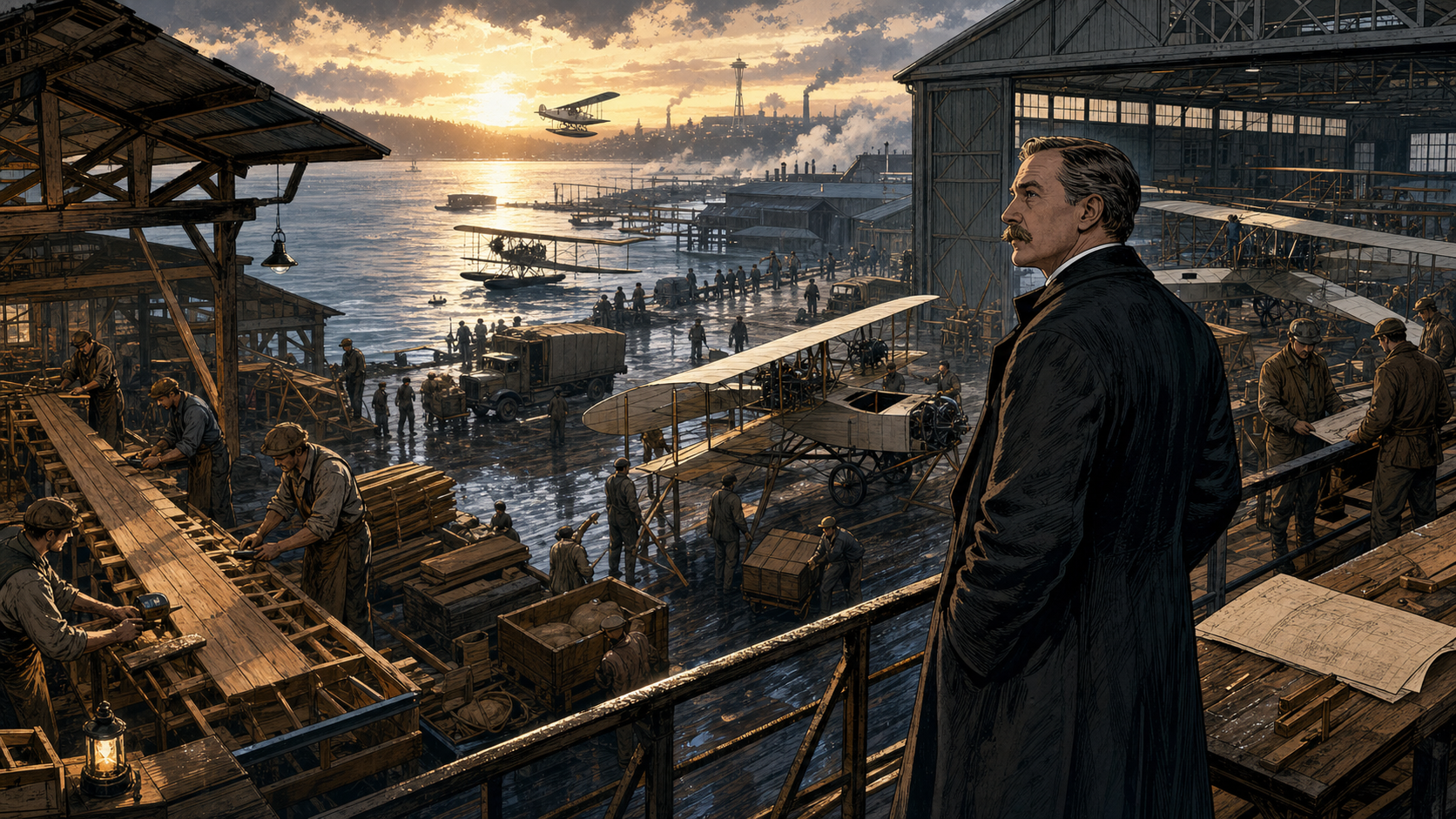
Dines grew up in Romania and studied mathematics and computer science at the University of Bucharest. He later worked at Microsoft in the United States, an experience that exposed him to global software engineering and the scale of enterprise platforms.
In 2005, he returned to Bucharest and started DeskOver, the company that would become UiPath. The early business was not a glamorous category creator. It built software-development kits for computer vision and automation, surviving on technical contracts while searching for a scalable product.
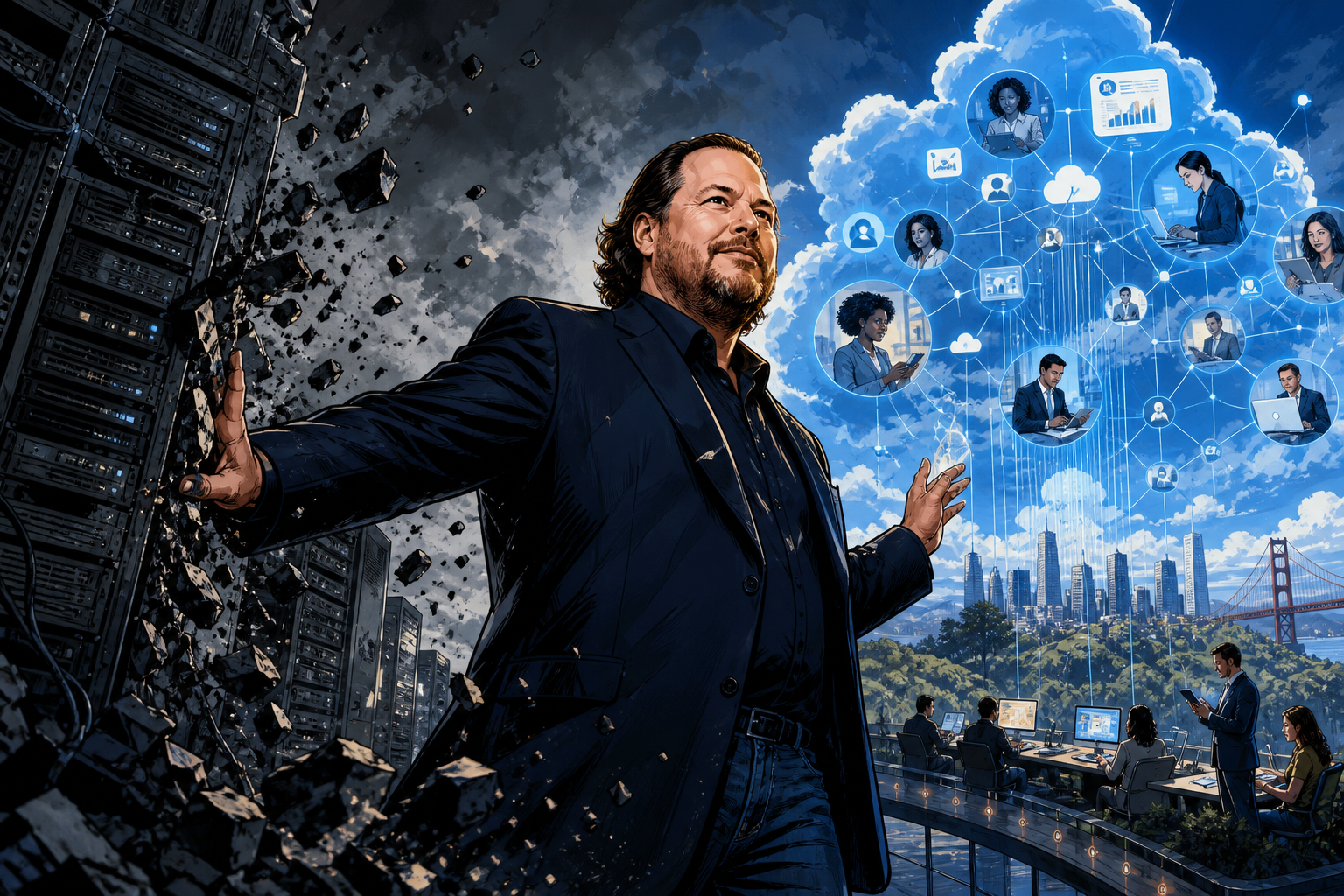
The turning point came from observing how customers used automation components. Businesses did not merely want developer tools. They wanted a practical way to automate the repetitive workflows trapped inside desktop applications, web portals, and systems with weak or nonexistent APIs.
UiPath packaged recording, workflow design, computer vision, and robot management into a product that could be learned by consultants and business-process teams. The company benefited from a crucial truth: enterprises rarely replace every legacy system at once. A tool that operates the existing interface can create value before a multi-year modernization program is finished.
That was the wedge. UiPath did not need permission from every software vendor. Its robots interacted with the same screens people already used.
Why Did RPA Distribution Become UiPath’s Real Moat?
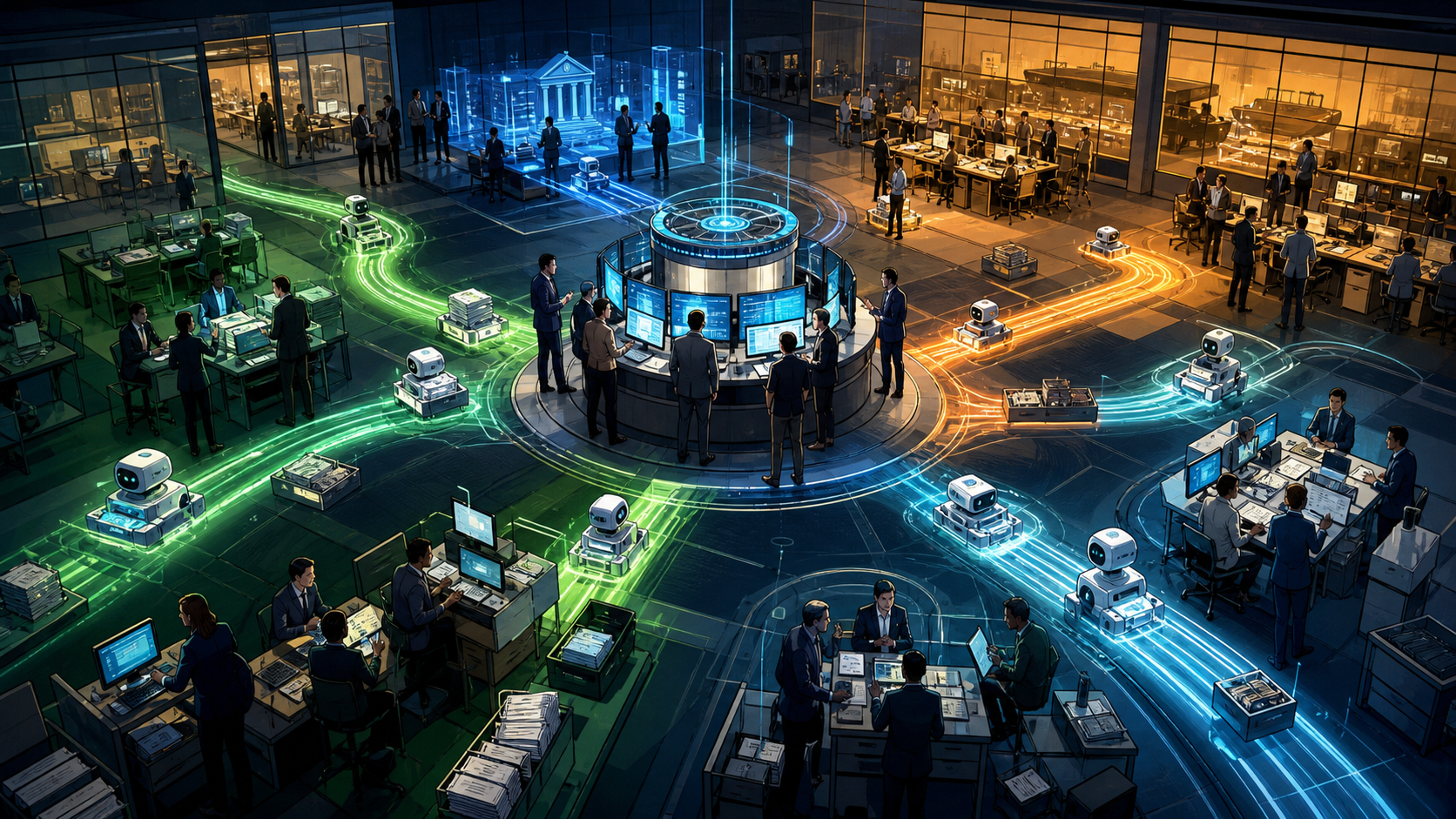
RPA looked like a software product, but its adoption behaved like a consulting movement. Large organizations needed help finding processes, redesigning controls, documenting exceptions, training staff, and maintaining bots when interfaces changed.
UiPath leaned into that ecosystem. Global consultancies, systems integrators, training programs, and community users became distribution. A consultant who learned the platform could carry it into multiple clients. A free or accessible learning path expanded the labor pool able to deploy it.
Venture capital arrived as the category accelerated. UiPath moved its headquarters to New York while retaining a major engineering base in Romania. The company raised large rounds, expanded globally, and competed with Automation Anywhere, Blue Prism, Microsoft, and enterprise-software incumbents.
The economics were compelling when automation removed high-volume manual work. Yet the strongest deployments were rarely “record a click sequence and forget it.” They required governance, exception handling, security, and ownership. Fragile bots could become another layer of technical debt.
UiPath’s category leadership came from making automation visible to executives and teachable to an ecosystem. The company sold not just software, but a language for discussing digital labor.
What Did the IPO Reveal About Hypergrowth?
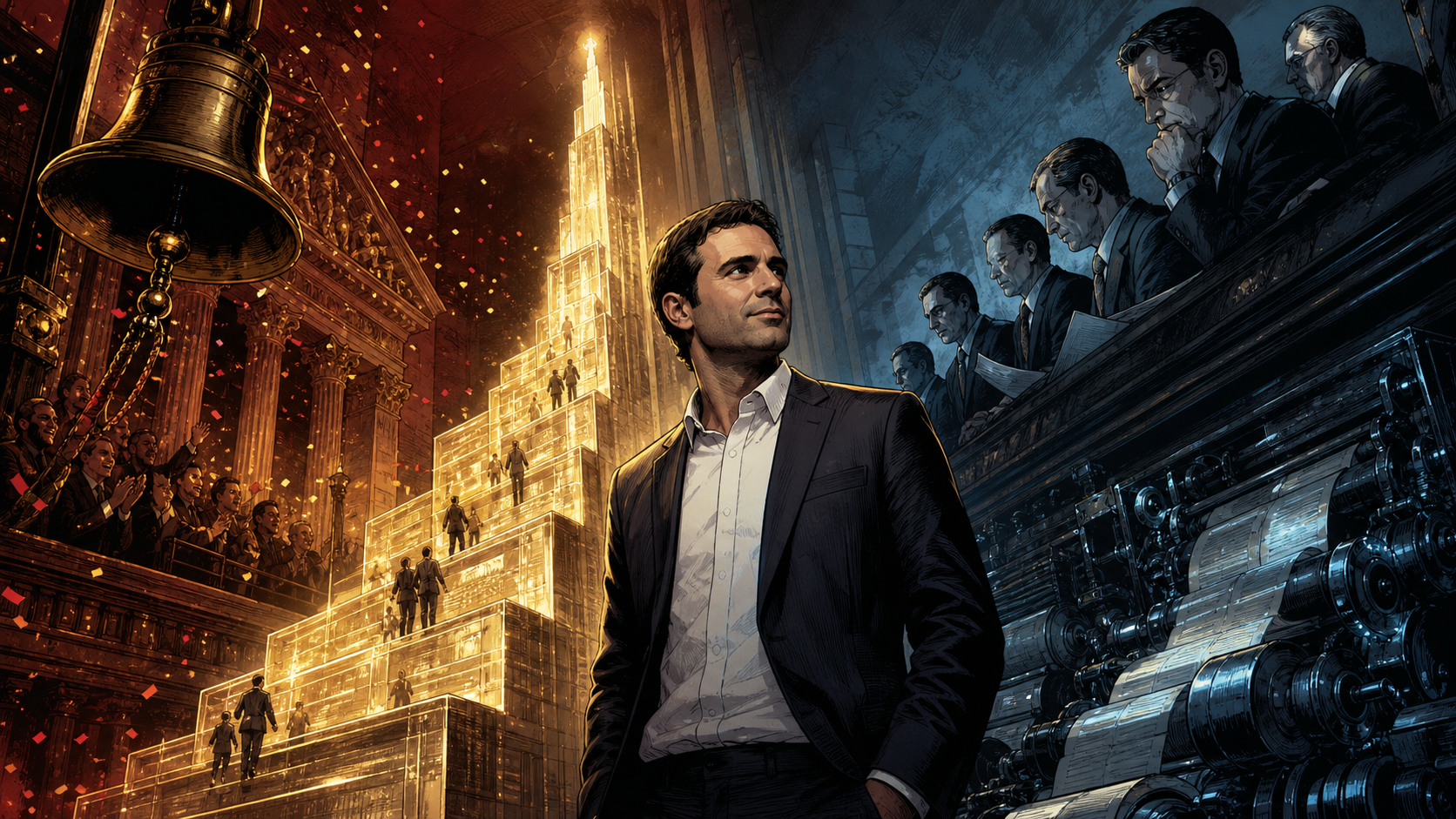
UiPath went public in 2021 during a powerful market for cloud software. Its listing validated the journey from Romanian startup to global enterprise vendor and gave investors detailed visibility into the business.
Public markets asked different questions than private investors. How durable was demand after the initial automation rush? How efficiently could sales grow? Would cloud delivery improve adoption? Could the platform expand beyond attended and unattended desktop bots?
The competitive landscape was shifting. Microsoft could bundle automation into a broad productivity stack. Process-mining vendors could identify where work was stuck. Integration platforms could connect modern APIs more cleanly than screen automation. Generative AI promised to interpret documents and language that deterministic bots handled poorly.
UiPath responded by broadening its platform: process mining, document understanding, testing, orchestration, communications mining, and AI-assisted automation. The strategic claim evolved from “bots copy human actions” to “the platform discovers, automates, and governs work.”
Leadership evolved too. Dines moved between chief executive and innovation-focused roles as the company balanced founder vision with operating discipline. Those transitions reflected a common challenge: the skills that create a category are not always the same skills needed to optimize a mature public company.
What Is the Real Lesson of UiPath’s Automation Empire?
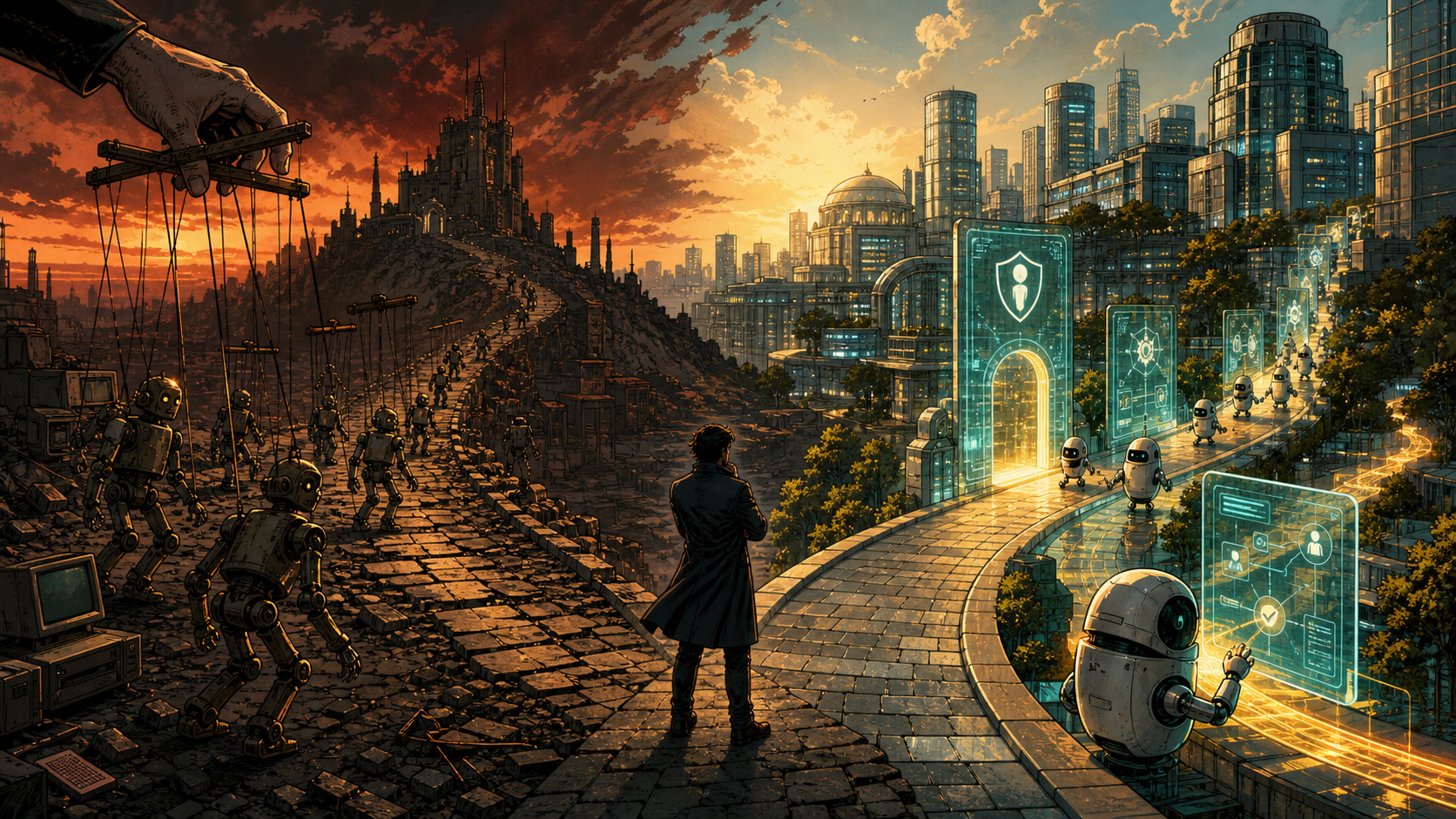
UiPath proved that “temporary” enterprise pain can support a huge business. Legacy systems persist. Manual handoffs multiply. Employees build unofficial procedures around them. A bridge technology can become strategic when replacement is slower than the need for improvement.
The danger is that bridges can be bypassed. APIs improve. platform vendors bundle automation. AI models handle unstructured steps. Customers become less willing to fund sprawling bot estates without measurable returns.
UiPath’s answer must be governance and orchestration, not nostalgia for RPA’s peak. If intelligent agents act across enterprise systems, companies will need identity, permissions, audit trails, testing, and human escalation. Those are adjacent to the control plane UiPath has spent years building.
Key facts
| Milestone | Why it mattered |
|---|---|
| 2005 founding in Bucharest | Created the technical base before RPA had a category name |
| Shift from SDKs to automation platform | Turned components into a repeatable enterprise product |
| Global partner expansion | Made consultants and integrators a distribution engine |
| 2021 public listing | Exposed the company to public-market discipline |
| AI-era platform expansion | Tests whether UiPath can outgrow the original RPA label |
FAQ
Who founded UiPath? Daniel Dines and Marius Tîrcă founded the company that began as DeskOver and later became UiPath.
What made UiPath successful? It combined accessible automation tooling with enterprise governance, training, community adoption, and a large consulting ecosystem.
Is RPA obsolete because of generative AI? No. Deterministic automation remains useful, while AI can expand the range of inputs and decisions. The durable opportunity is in combining both with reliable controls.
The real lesson is that empires can be built from neglected work. Dines saw the invisible labor between systems and made it legible to executives. UiPath’s next test is whether it can make AI-driven work equally governable.
💡 Key Insights
- ▸ A painful horizontal task can become a category when the product is teachable by partners.
- ▸ Enterprise distribution often matters more than technical novelty.
- ▸ Hypergrowth can hide where services, governance, and maintenance costs accumulate.
- ▸ A category leader must redefine itself before its category becomes a feature.