Dietrich Mateschitz: The Austrian Who Discovered an Energy Drink in Thailand and Built a $30 Billion Empire
He didn't invent the energy drink. He found it in a Thai pharmacy, repackaged it for the West, and created the most powerful beverage brand since Coca-Cola — along with a media empire, two F1 teams, and a football club.
View all stories about this mogul
Dietrich Mateschitz was a toothpaste salesman who found an energy drink in a Thai pharmacy, adapted it for European tastes, and built a brand so powerful that it sells 12 billion cans per year and owns Formula 1 teams, football clubs, and a media empire. Red Bull didn’t exist as a Western product before Mateschitz. The entire energy drink category — now worth over $80 billion globally — was essentially his creation. He didn’t discover caffeine or taurine. He discovered something far more valuable: that a generation of young people would pay a premium for a drink that promised to keep them awake, active, and associated with extreme sports. He sold them a lifestyle in a can.
Chapter 1: The Austrian Nobody (1944–1984)
Dietrich Mateschitz was born on May 20, 1944, in Sankt Marein im Mürztal, a small town in the Austrian state of Styria. His parents were primary school teachers who divorced when he was young. There was nothing extraordinary about his upbringing — no wealth, no connections, no obvious entrepreneurial spark. He was, by his own later admission, a thoroughly average young man.
He attended the Vienna University of Economics and Business, taking ten years to complete a degree that normally took four. He wasn’t lazy — he was unfocused, spending his student years working part-time jobs and traveling. After graduation, he became a marketing representative for Blendax, a German consumer goods company that made toothpaste. He was good at the job but found it soul-crushingly boring.
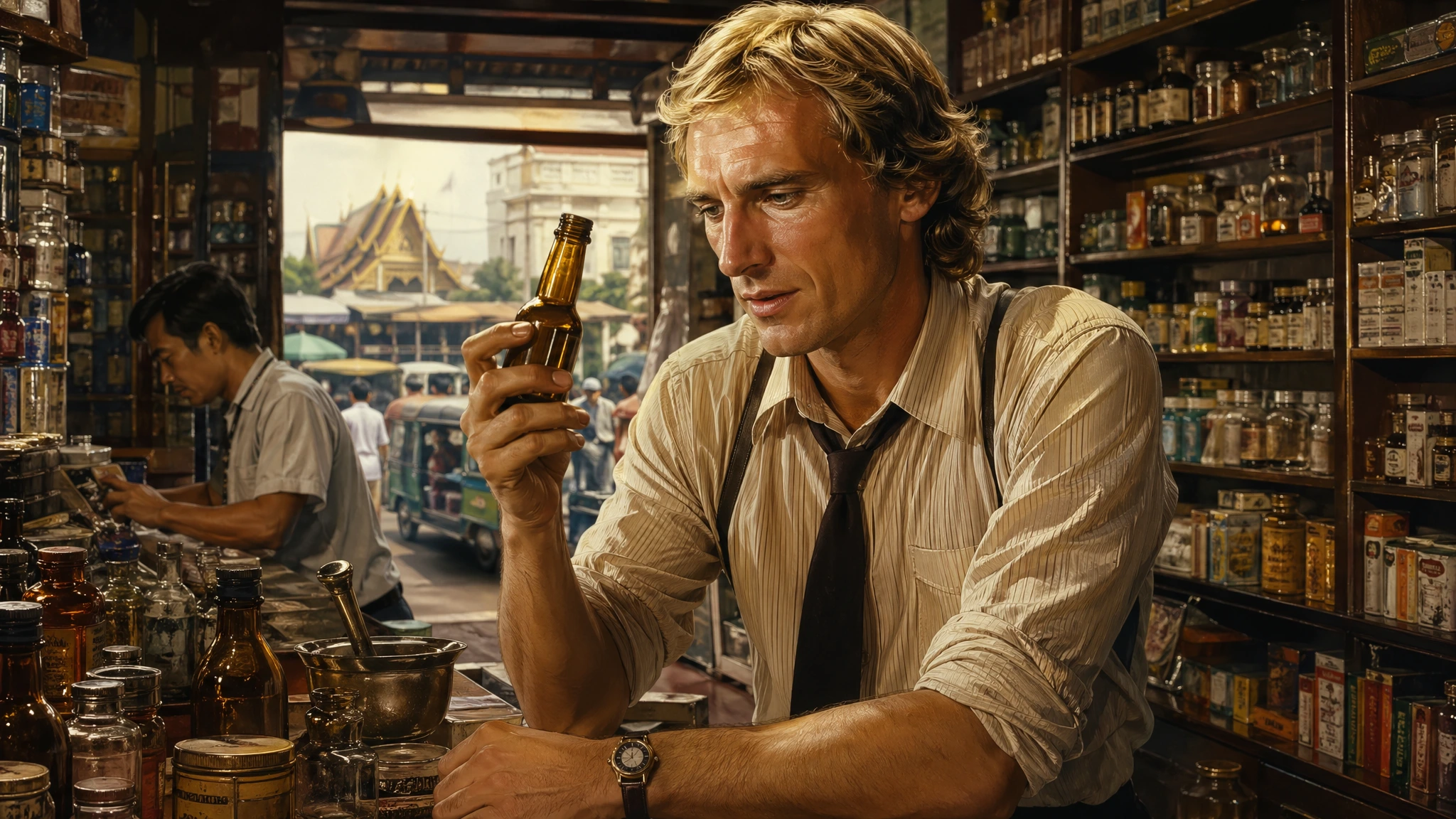
His work took him to Asia frequently, and on a business trip to Thailand in 1982, he discovered Krating Daeng — a sweet, uncarbonated energy drink popular among truck drivers, factory workers, and laborers throughout Southeast Asia. The drink, created by Chaleo Yoovidhya, contained caffeine, taurine, and B-vitamins. It was a functional beverage designed to combat fatigue. Mateschitz tried it and noticed that it cured his jet lag. He had his eureka moment.
Chapter 2: The Partnership and the Reinvention (1984–1987)
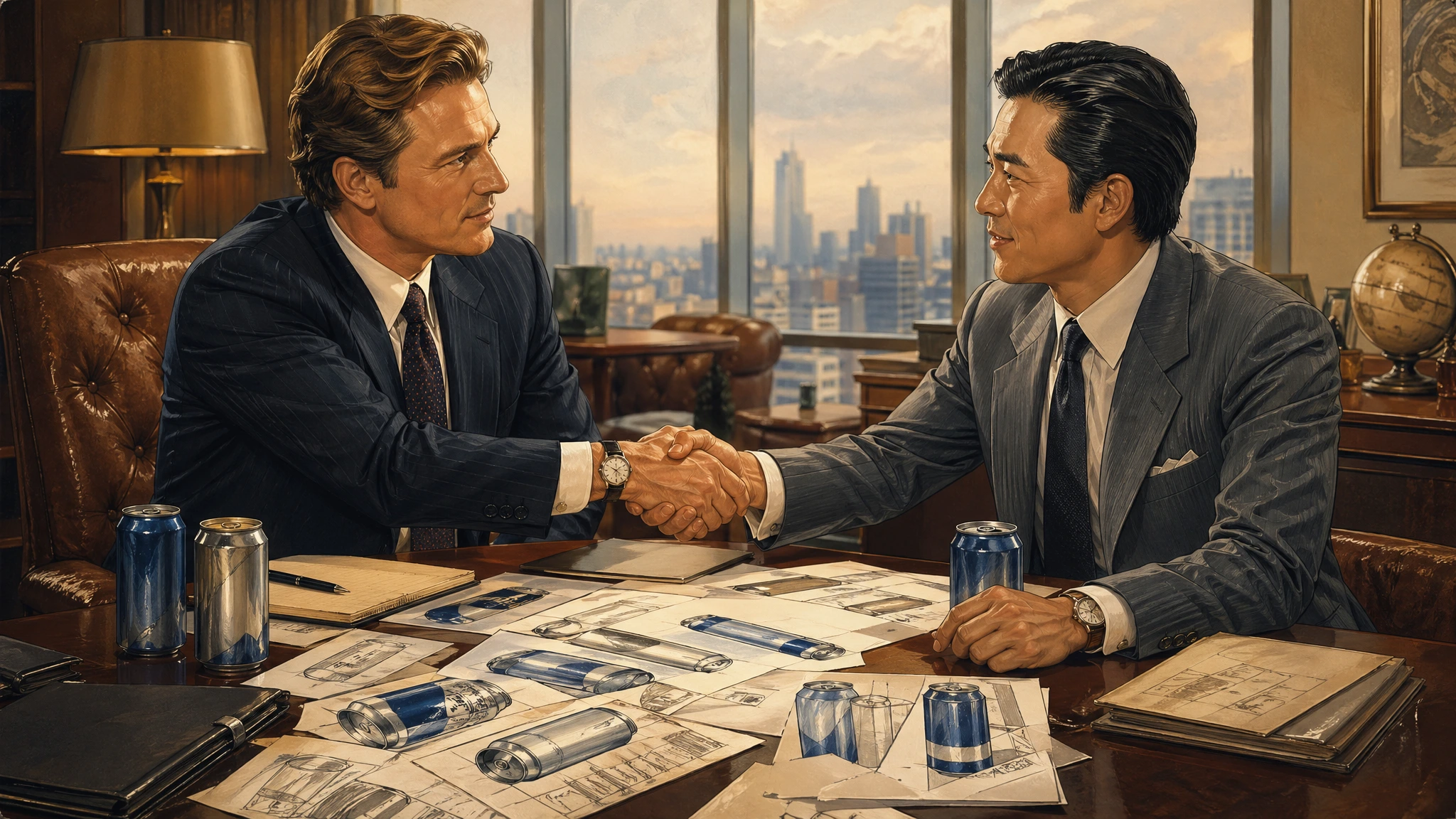
Mateschitz approached Chaleo Yoovidhya with a proposition: they would create a partnership to sell an adapted version of Krating Daeng in the West. Each would invest $500,000 and own equal shares, with Chaleo’s son taking an additional stake. Mateschitz would handle the marketing and Western distribution; the Yoovidhya family would handle the formulation and manufacturing.
The adaptation was significant. Krating Daeng was sweet and flat — essentially a medicinal syrup. Mateschitz carbonated it, reduced the sweetness, adjusted the flavor profile for Western palates, and redesigned the packaging. The name was changed from Krating Daeng (which means “red bull” in Thai) to Red Bull, and a sleek blue-and-silver can replaced the small glass bottle used in Asia.
The product launched in Austria in 1987. The reception was disastrous. Market research had indicated that consumers hated the taste, hated the concept, and wouldn’t pay a premium for an energy drink. Retailers were skeptical. The Austrian food safety authorities initially rejected the product. Everything about Red Bull suggested it would fail. Mateschitz ignored the research and launched anyway.
Chapter 3: The Grassroots Revolution (1987–1997)

Red Bull’s early marketing strategy was unlike anything in the beverage industry. Instead of mass-market TV advertising, Mateschitz targeted the nightclub and party scene. Red Bull hired young, attractive brand ambassadors who distributed free cans at bars, clubs, and college parties. They drove branded Minis with giant Red Bull cans mounted on the roof. They showed up at extreme sports events, music festivals, and anywhere young people gathered.
The strategy was slow, expensive, and brilliant. Red Bull didn’t try to convince consumers through advertising; it infiltrated their culture. The drink became associated with nightlife (mixed with vodka), with extreme sports (the brand’s events were everywhere), and with a youthful, adventurous lifestyle. By the time competitors noticed what was happening, Red Bull had established an emotional connection with its target demographic that no amount of advertising could replicate.
Expansion was deliberately gradual. Red Bull launched in Hungary in 1992, Germany in 1994, the UK in 1995, and the United States in 1997. Each new market followed the same playbook: grassroots marketing, brand ambassadors, extreme sports sponsorship, and premium pricing. By the end of the decade, Red Bull was selling over a billion cans annually and had created an entirely new beverage category.
Chapter 4: Red Bull Gives You Wings — The Marketing Machine (1997–2010)

Red Bull’s marketing budget was staggering — the company reportedly spent 30-40% of its revenue on marketing, far more than any other beverage company. But the spending wasn’t on traditional advertising. It was on creating a media and entertainment ecosystem that happened to be powered by an energy drink brand.
Red Bull sponsored extreme athletes in every conceivable discipline: cliff diving, base jumping, snowboarding, surfing, motocross, skateboarding, wingsuit flying. Each sponsored athlete was a walking advertisement — not because they wore a logo, but because their exploits were filmed, distributed through Red Bull’s media channels, and associated with the brand’s ethos of pushing limits.
The tagline “Red Bull Gives You Wings” became one of the most recognizable slogans in the world. It was deliberately vague — it didn’t promise specific benefits, just a feeling of empowerment and energy. The vagueness was strategic: it let consumers project their own aspirations onto the brand. Whether you were a college student studying for finals or a base jumper leaping off a cliff, Red Bull was for you.
Chapter 5: Formula 1 — Buying a Sport (2004–2013)
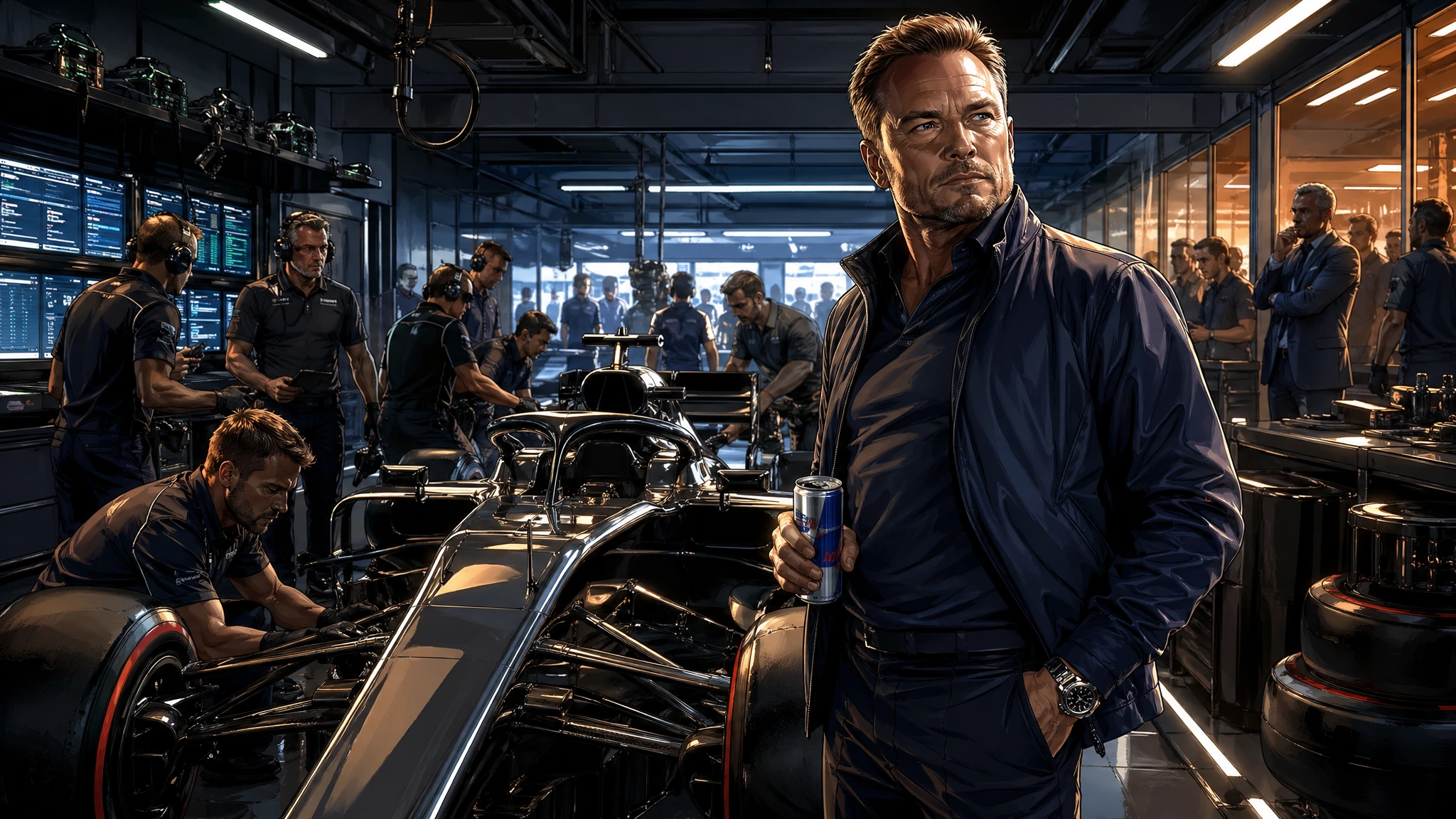
In 2004, Mateschitz made a move that seemed extravagant even by his standards: he bought the Jaguar Formula 1 team from Ford for approximately $1 and the commitment to fund the team’s operations. The following year, he bought a second F1 team — Minardi — and renamed it Scuderia Toro Rosso (Italian for Red Bull). A beverage company now owned two Formula 1 teams.
The investment was enormous. Running a competitive F1 team costs hundreds of millions per year. But Mateschitz viewed F1 as the ultimate marketing platform: global television audiences, association with technology and speed, and a glamorous calendar of races in the world’s most desirable cities. Every F1 broadcast was, effectively, a two-hour Red Bull commercial.
Red Bull Racing initially struggled, finishing in the middle of the pack. But Mateschitz invested heavily in talent and technology. He hired Adrian Newey, the legendary aerodynamicist, and recruited a young German driver named Sebastian Vettel. In 2010, Vettel won the World Championship at age twenty-three — the youngest champion in F1 history. He won again in 2011, 2012, and 2013, establishing Red Bull as the dominant force in the sport.
Chapter 6: The Stratos Jump — Marketing’s Moon Landing (2012)

On October 14, 2012, Austrian skydiver Felix Baumgartner jumped from a helium balloon at the edge of space — 127,852 feet above the Earth — and broke the sound barrier in freefall. The Red Bull Stratos project, which had taken seven years and cost an estimated $30 million, was watched live by over 8 million people on YouTube simultaneously, setting a world record for a live stream.
The Stratos jump was the most audacious marketing event in history. It wasn’t an advertisement — it was a genuine scientific and athletic achievement. Baumgartner’s jump generated data on human physiology at extreme altitudes that was shared with NASA and the US Air Force. The media coverage was worth hundreds of millions of dollars. And every second of it was branded with the Red Bull logo.
The jump crystallized Mateschitz’s marketing philosophy: don’t sponsor events; create events. Don’t buy media time; create media. Don’t tell consumers your brand is exciting; do exciting things and let consumers form their own conclusions. It was marketing as content creation, a decade before every brand on Earth tried to become a media company.
Chapter 7: Red Bull Media House — Becoming a Media Empire (2007–2020)

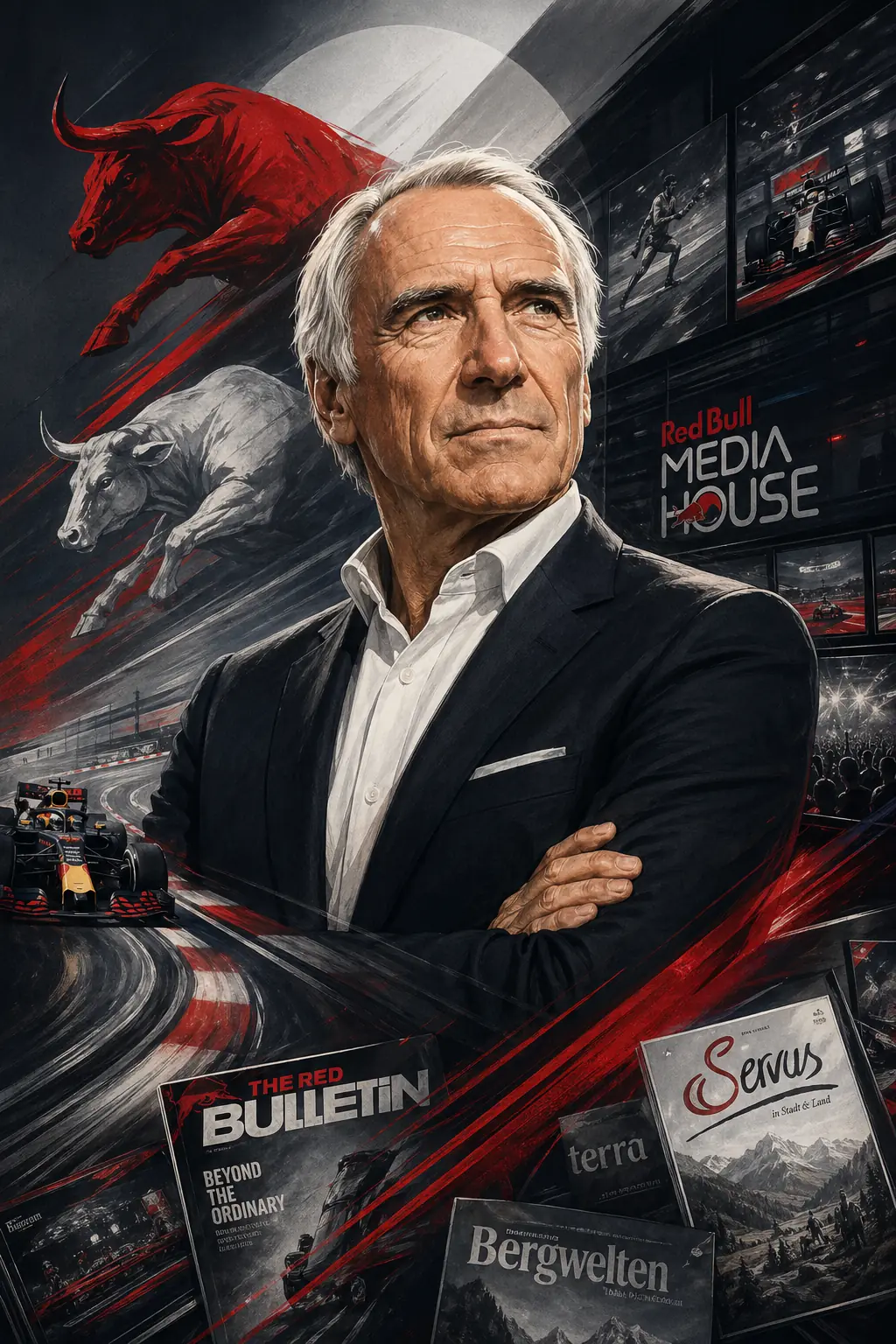
In 2007, Mateschitz formalized Red Bull’s media operations by creating Red Bull Media House, a full-service production company that creates documentaries, films, magazines, and digital content. The company produces The Red Bulletin, a magazine distributed in over 20 countries; Servus TV, an Austrian television network; and a constant stream of extreme sports and adventure content distributed through YouTube, social media, and streaming platforms.
Red Bull Media House was not a marketing department dressed up as a media company — it was a genuine media company that happened to be funded by a beverage brand. Its content won awards, attracted audiences on its own merits, and generated revenue through advertising and distribution deals. The quality was high enough that consumers consumed it voluntarily, not because it was forced on them through paid advertising.
The media strategy gave Red Bull a structural advantage that no competitor could match. Monster Energy, Rockstar, and other energy drink brands could buy advertising time. They couldn’t replicate Red Bull’s media ecosystem — the F1 teams, the extreme sports events, the content library, the television network. Mateschitz had built a marketing moat that was decades deep and billions of dollars wide.
Chapter 8: Football, Ice Hockey, and the Sports Empire (2005–2022)
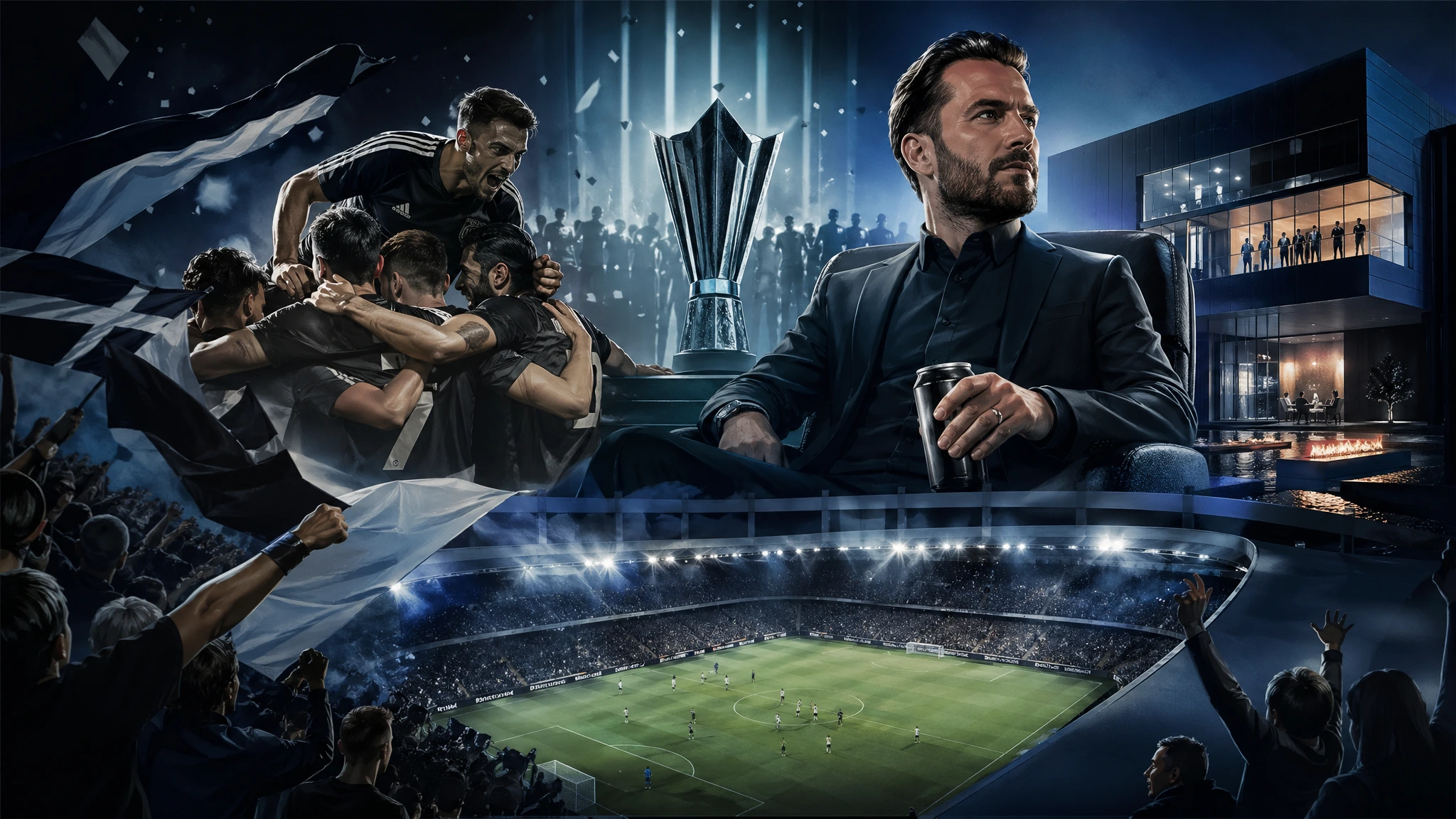
Red Bull’s sports investments extended far beyond Formula 1. Mateschitz purchased and rebranded football clubs: Red Bull Salzburg (Austria), RB Leipzig (Germany), New York Red Bulls (MLS), and Red Bull Bragantino (Brazil). He also invested in ice hockey teams and operated Red Bull’s own extreme sports leagues.
RB Leipzig’s rise was the most controversial. Mateschitz bought a fifth-division German club’s playing rights in 2009 and, through enormous investment, rocketed the team to the Bundesliga (Germany’s top division) by 2016. Traditional German football fans were outraged — the Bundesliga’s “50+1 rule” was designed to prevent exactly this kind of corporate takeover, and Red Bull’s structure was seen as circumventing the spirit of the regulation.
Mateschitz’s response was characteristically indifferent to criticism. The football investments served the same purpose as every other Red Bull marketing asset: they embedded the brand in the cultural fabric of communities worldwide. When 50,000 fans chanted “RB Leipzig” at every home match, they were, whether they knew it or not, participating in a Red Bull marketing event. The controversy itself generated publicity, which was, from Mateschitz’s perspective, the entire point.
Chapter 9: The Recluse Billionaire (2000–2022)

Despite building one of the world’s most extroverted brands, Mateschitz was intensely private. He rarely gave interviews, almost never appeared in public for non-Red Bull events, and lived a reclusive life that was the opposite of the adrenaline-fueled lifestyle his brand promoted. He owned homes in Austria and Fiji, was passionate about aviation, and had a long-term partner, Marion Feichtner, with whom he had a son.
This privacy was both personal preference and business strategy. By keeping himself out of the spotlight, Mateschitz ensured that the Red Bull brand was never about him — it was about the athletes, the events, and the lifestyle. Unlike Richard Branson, who made his personal brand inseparable from Virgin, Mateschitz made Red Bull’s brand entirely about its community and its activities.
The privacy also shielded Mateschitz from criticism. His political views — reportedly conservative and Eurosceptic — drew occasional controversy, particularly regarding Servus TV’s editorial direction. But because Mateschitz rarely made public statements, the controversies never gained enough traction to damage the brand.
Chapter 10: Max Verstappen and F1 Dominance (2021–2023)
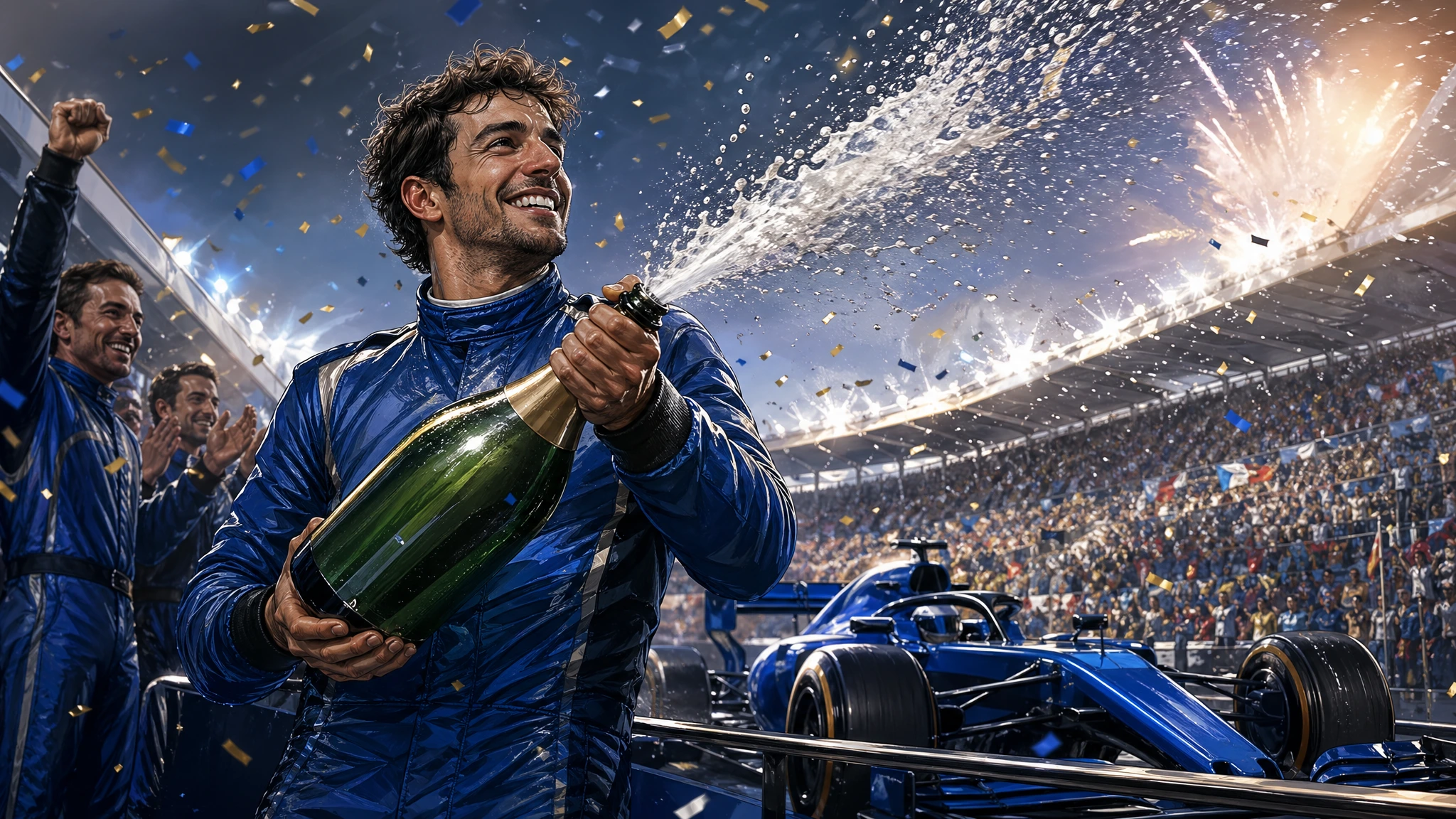
Red Bull Racing’s investment in talent reached its apex with Max Verstappen, the Dutch prodigy who joined Red Bull’s junior program as a teenager and became the youngest driver to start an F1 race at age seventeen. Under the guidance of team principal Christian Horner and the engineering genius of Adrian Newey, Red Bull built cars that were perfectly suited to Verstappen’s aggressive driving style.
In 2021, Verstappen won the World Championship in a controversially decided final race against Lewis Hamilton — a finish that divided the F1 world. In 2022 and 2023, there was no controversy: Verstappen dominated so completely that he won 19 of 22 races in 2023, breaking records that had stood for decades. Red Bull was not just the best team in F1 — it was the most dominant team the sport had ever seen.
The F1 success translated directly into brand value. Red Bull’s visibility during F1 broadcasts, shared by hundreds of millions of viewers worldwide, was worth billions in advertising equivalent. The team’s success also attracted sponsors who wanted to be associated with Red Bull’s winning formula, creating an additional revenue stream that partially offset the cost of racing.
Chapter 11: Death and Succession (2022)
Dietrich Mateschitz died on October 22, 2022, at the age of seventy-eight, following a long illness. His death sent shockwaves through the business, sports, and media worlds. Red Bull had been so closely identified with its founder — despite his public invisibility — that many wondered whether the company could function without him.
His son, Mark Mateschitz, inherited his father’s 49% stake in Red Bull, becoming one of the youngest billionaires in Europe at age thirty. The operational leadership of the company fell to the existing management team, which Mateschitz had spent years developing. The Yoovidhya family maintained their 51% stake, and the partnership structure that Mateschitz and Chaleo Yoovidhya had established in 1984 remained intact.
The transition appeared smooth — Red Bull’s sales continued to grow, the F1 team continued to dominate, and the brand maintained its position as the world’s leading energy drink. Whether the company could sustain its founder’s vision and unconventional marketing approach without his guiding hand remained an open question, but the early indicators were positive.
Chapter 12: Legacy — The Man Who Sold Energy
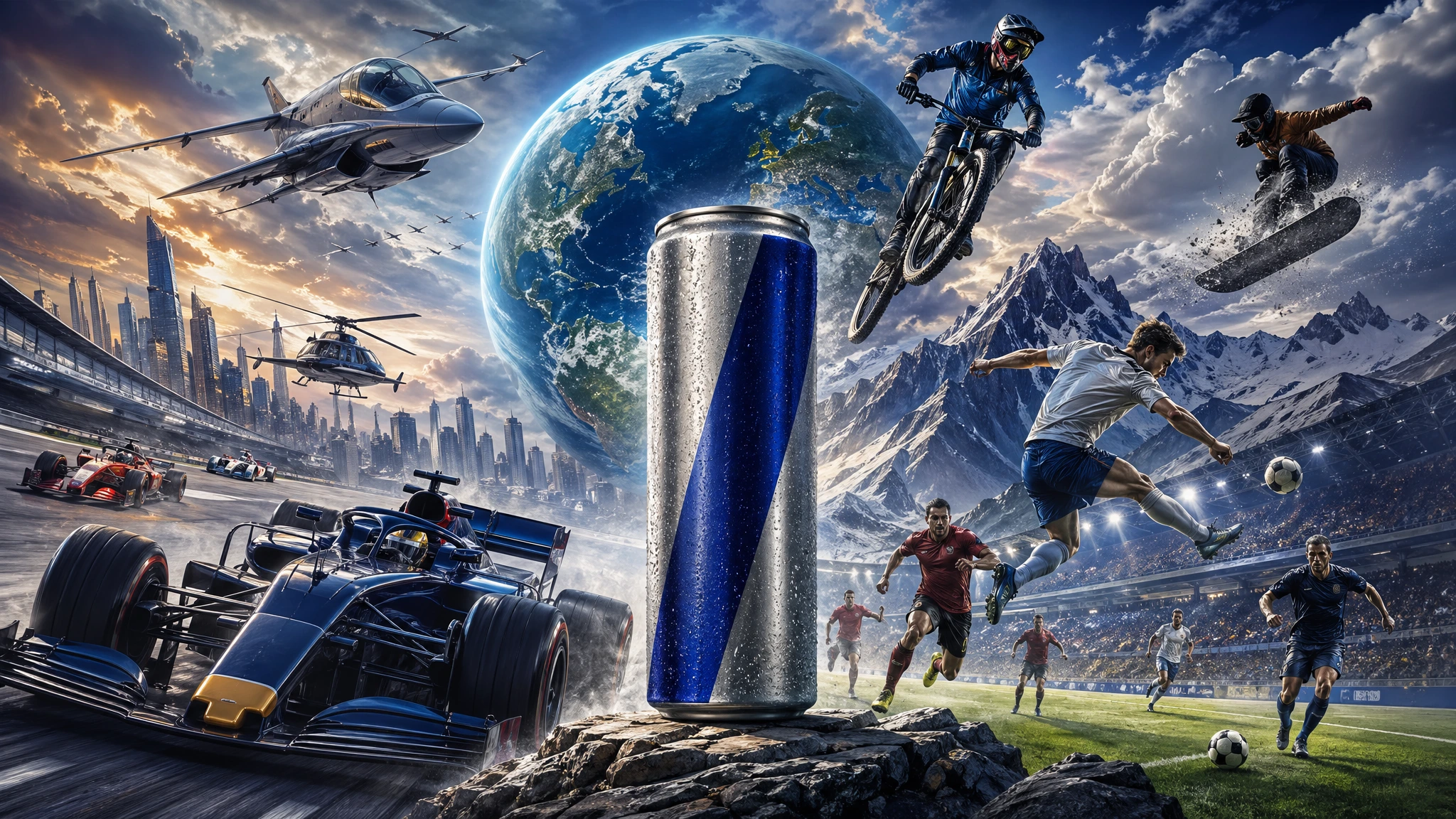
Dietrich Mateschitz’s legacy is the creation of a category. Before him, energy drinks didn’t exist in the Western world. After him, they’re a $80+ billion global industry. He didn’t just build a brand — he built the market that the brand dominates. That’s the rarest achievement in business: not winning a competition, but creating the competition itself.
His net worth at death was estimated at approximately $27 billion. The wealth came from a simple product sold in a simple can — but the marketing, distribution, and brand-building around that can were among the most sophisticated in business history. Mateschitz proved that a commodity product — caffeine and sugar in water — could command premium prices if wrapped in a powerful enough brand narrative.
The Austrian toothpaste salesman who found a Thai energy drink and turned it into a global phenomenon changed how products are marketed, how sports are funded, and how brands relate to their consumers. He proved that you don’t need to invent a product to build an empire — you just need to understand what people want and give it to them in a way they’ve never seen before. Twelve billion cans per year is the measure of how well he understood.
💡 Key Insights
- ▸ Mateschitz didn't invent the product — he invented the category. Energy drinks existed in Asia for decades. Mateschitz saw that the West had no equivalent and created a market that didn't exist, which is infinitely more valuable than competing in one that does.
- ▸ Red Bull's marketing strategy — spending 30-40% of revenue on extreme sports, events, and media — was counterintuitive by conventional standards. Beverage companies advertise on TV; Red Bull sponsors someone jumping from the stratosphere. The unconventional approach created a brand that no amount of traditional advertising could match.
- ▸ By owning two F1 teams, football clubs, extreme sports events, and a media company, Mateschitz built a marketing ecosystem that operates independently of traditional advertising channels. Red Bull doesn't buy media — it is media.