Elon Musk: From a Bullied Kid in South Africa to the Richest Person on Earth
Born in Pretoria, beaten bloody by classmates, abandoned by his father — Elon Musk's journey to becoming the world's wealthiest man is far stranger and more brutal than most people realize.
View all stories about this mogul
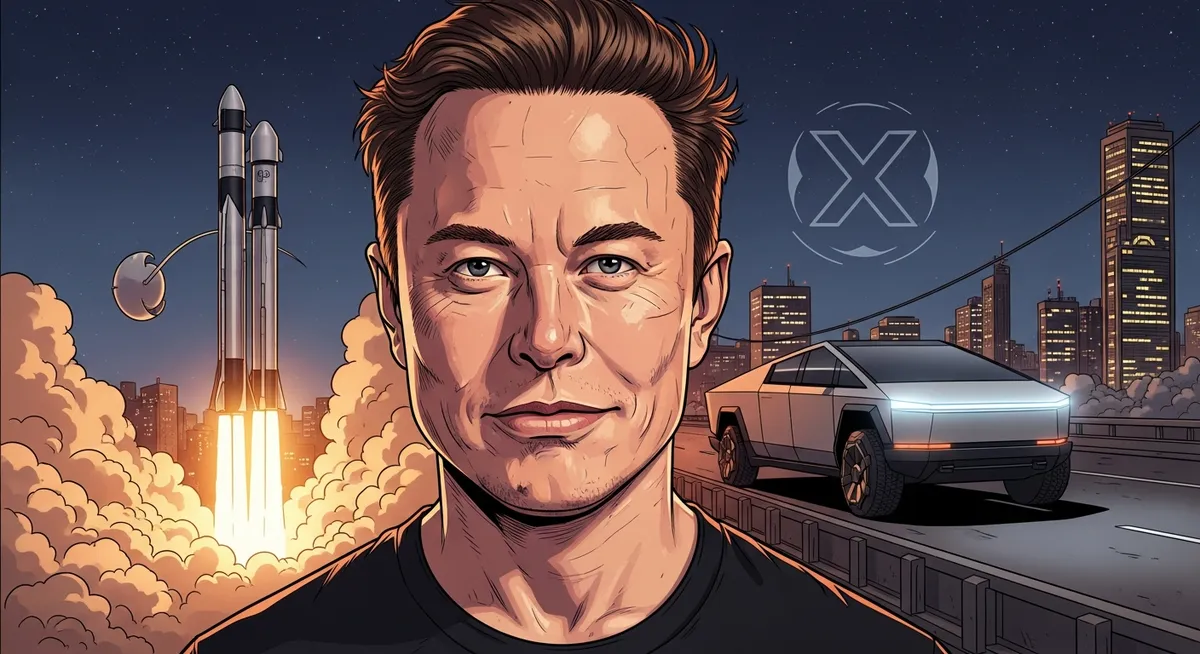
A kid gets beaten unconscious on a concrete staircase in Pretoria, hospitalized, and his own father basically shrugs. Three decades later, that kid is worth $300 billion and launching cars into orbit around the Sun for fun. You could not write this as fiction. An editor would throw it in the trash for being too ridiculous.
Elon Musk is arguably the most polarizing person alive, and it’s not even close. Half the internet thinks he’s a real-life Tony Stark saving humanity. The other half considers him a reckless provocateur with an outsized ego and a social media addiction. The truth — as usual — is messier and way more interesting than either side wants to admit.
This is the story of how one deeply weird, deeply driven human being built rockets, electric cars, and an empire that reshaped the modern world. And also bought Twitter for $44 billion, which… we’ll get to that.
🇿🇦 Chapter 1: Pretoria — The Making of an Outsider (1971–1988)

Elon Reeve Musk was born on June 28, 1971, in Pretoria, South Africa. His mother, Maye Musk, was a Canadian-South African model and dietitian. His father, Errol Musk, was an electromechanical engineer who, according to multiple family accounts, had a stake in an emerald mine in Zambia — a detail that Elon has disputed while various family members have offered differing accounts. Make of that what you will.
What nobody disputes is that Elon’s childhood was miserable. And if you want to understand the guy who sleeps on factory floors, picks fights with governments on social media, and names his kid X Ae A-12, you have to start here. The wiring all goes back to Pretoria.
A Mind That Wouldn’t Stop
This kid was not normal. He reportedly read the entire Encyclopedia Britannica by age nine. When he ran out of books at the local library — all of them — he just started on the encyclopedias. His mother said he would fall into “trances” where he was thinking so hard he literally could not hear people talking to him. His parents thought he was deaf. They had his adenoids removed to try to fix his hearing. Spoiler: his hearing was fine. His brain just had a Do Not Disturb sign permanently flipped on.
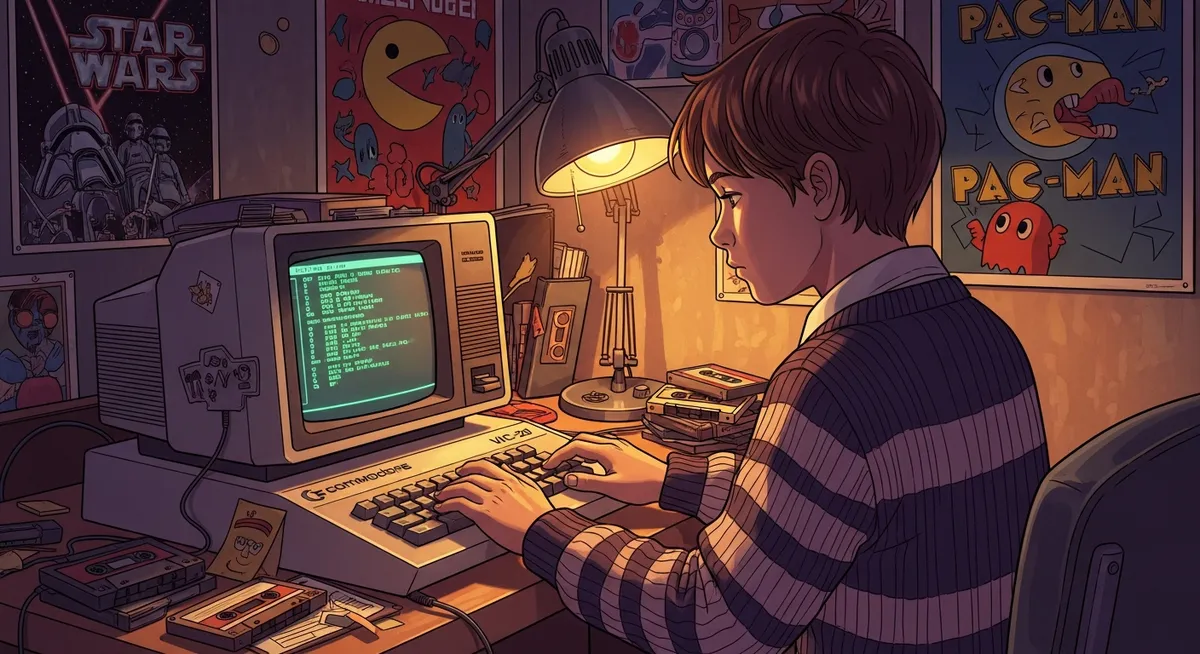
At 10, he got a Commodore VIC-20 and taught himself to code from the manual. By 12, he had created a video game called Blastar and sold it to a magazine for about $500. A twelve-year-old. In 1983. In South Africa. With no internet, no coding bootcamp, no YouTube tutorials. Just a kid, a manual, and an almost frightening amount of focus.
The Bullying
Here’s where it gets dark. Musk was relentlessly, brutally bullied at school. In one incident, a group of boys threw him down a flight of concrete stairs and beat him until he lost consciousness. He was hospitalized. His father, by Elon’s own account, offered roughly zero sympathy.
The Elon-Errol relationship is genuinely one of the most disturbing threads in this story. Elon has publicly called his father “a terrible human being,” telling biographer Walter Isaacson that growing up with him was psychologically damaging. After his parents’ divorce in 1980, nine-year-old Elon chose to live with his father — a decision he later called a mistake, driven by feeling sorry for his dad being alone. A nine-year-old making a life-altering decision out of pity. That’ll rewire you.
The bullying, the nightmare home life, the isolation of being a weird bookworm kid in a rough, rugby-obsessed South African school — it all forged a very specific personality. Someone who learned early that the world will hurt you, that authority figures won’t save you, and that the only way out is through sheer force of will. That’s not a philosophy he read in a self-help book. He learned it by getting beaten unconscious on a staircase.
Escape Plan
By his mid-teens, Musk had one goal: get out of South Africa. The country was still under apartheid, mandatory military service was coming, and — more importantly — Musk was obsessed with America. Silicon Valley specifically. He saw the U.S. as the only place where a person with ideas and an obscene work ethic could actually build things that mattered.
His mom was Canadian, which meant he could get a Canadian passport. At 17, right after finishing high school, he left. He wouldn’t come back for years. One-way ticket out of a country that had given him nothing but an encyclopedia’s worth of knowledge and a high pain tolerance.

“I wanted to be where the cutting-edge technology was. The United States is where great things are possible.” — Elon Musk
🎓 Chapter 2: The North American Education (1989–1995)

Musk landed in Canada in June 1989 with essentially no money and no plan beyond “get to America eventually.” He crashed with relatives, worked truly terrible jobs — cleaning boiler rooms at a lumber mill, shoveling grain on a Saskatchewan farm — and eventually enrolled at Queen’s University in Kingston, Ontario.
Queen’s University and Penn
At Queen’s, the Musk personality was already fully operational: laser focus, strategic thinking, and a total inability to accept that something couldn’t be done. He transferred after two years to the University of Pennsylvania on a scholarship, where he double-majored in economics at Wharton and physics.
Why both? Because this guy had already mapped out what he saw as the five biggest problems facing humanity:
- The internet — the nervous system of civilization
- Sustainable energy — getting off fossil fuels
- Space exploration — making humans multi-planetary
- Artificial intelligence — both the opportunity and the threat
- Rewriting human genetics — which he decided was too ethically dicey to touch
He made this list as an undergraduate. Then he spent the next thirty years systematically attacking items one through four. Say what you want about the man, but the strategic clarity is almost creepy.
The Stanford Dropout
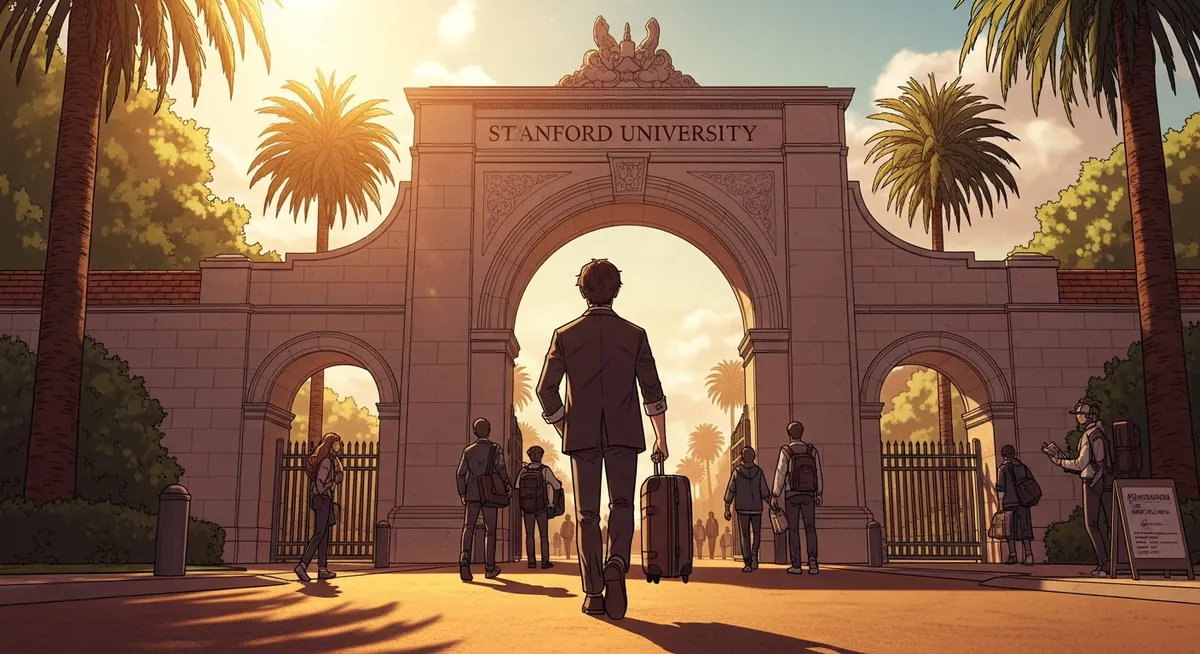
In 1995, Musk was accepted to a Ph.D. program in energy physics at Stanford. He lasted two days. The internet was exploding, Netscape had just gone public, and Musk decided that sitting in a lab for five years while the biggest economic revolution in human history happened without him was insane.
He dropped out after 48 hours. Most Ph.D. students agonize over their dissertation topic for months. Musk didn’t even unpack his suitcase.
💻 Chapter 3: Zip2 and the First Fortune (1995–1999)
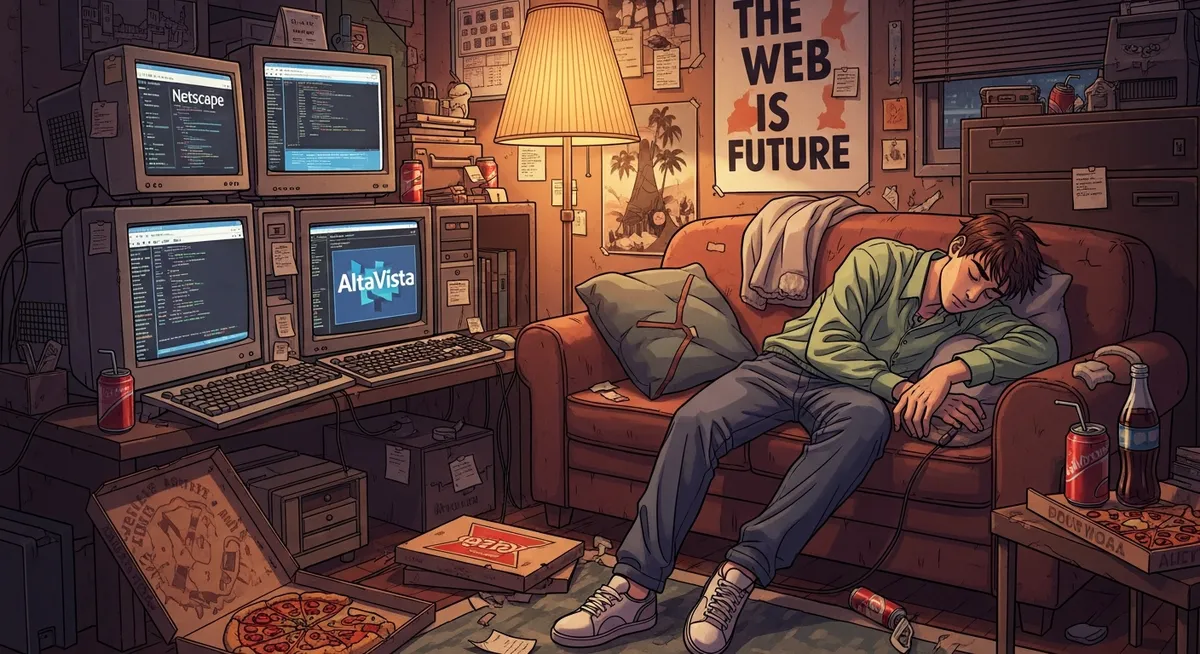
Musk’s first company was Zip2, co-founded with his brother Kimbal and funded with what has been variously reported as $28,000 from their father — though Elon has disputed the amount, saying it was smaller and came as a loan. The family money thing is clearly a sore spot. Zip2 was basically an online city guide — maps plus business directories — back when most newspapers thought “the internet” was a fad that would blow over by 1998.
The Grind
In the early days, Musk couldn’t afford both an apartment and an office. He picked the office. Obviously. He slept on a futon, showered at the YMCA, and worked around the clock. This pattern — sleeping at work, eating garbage, pulling 20-hour days like it’s a lifestyle choice — would repeat throughout his entire career. The man treats self-care like a suggestion from someone he doesn’t respect.

Zip2 landed deals with The New York Times and the Chicago Tribune to power their online city guides. The tech was ugly by modern standards, but it worked and it was early. Musk wanted to be CEO, but the board — stuffed with VCs who didn’t trust a twenty-something with no management experience — hired an outside exec instead. This would become a pattern: Musk builds the thing, suits try to take it away. He would eventually learn to never let that happen again.
The Sale
In February 1999, Compaq acquired Zip2 for $307 million in cash. Musk’s cut: roughly $22 million. He was 27 years old.
A normal person would have bought a house, invested the rest, and maybe taken up surfing. Musk immediately poured almost all of it into his next company. Because relaxation is for people with different brain chemistry.
💳 Chapter 4: X.com, PayPal, and the Mafia (1999–2002)
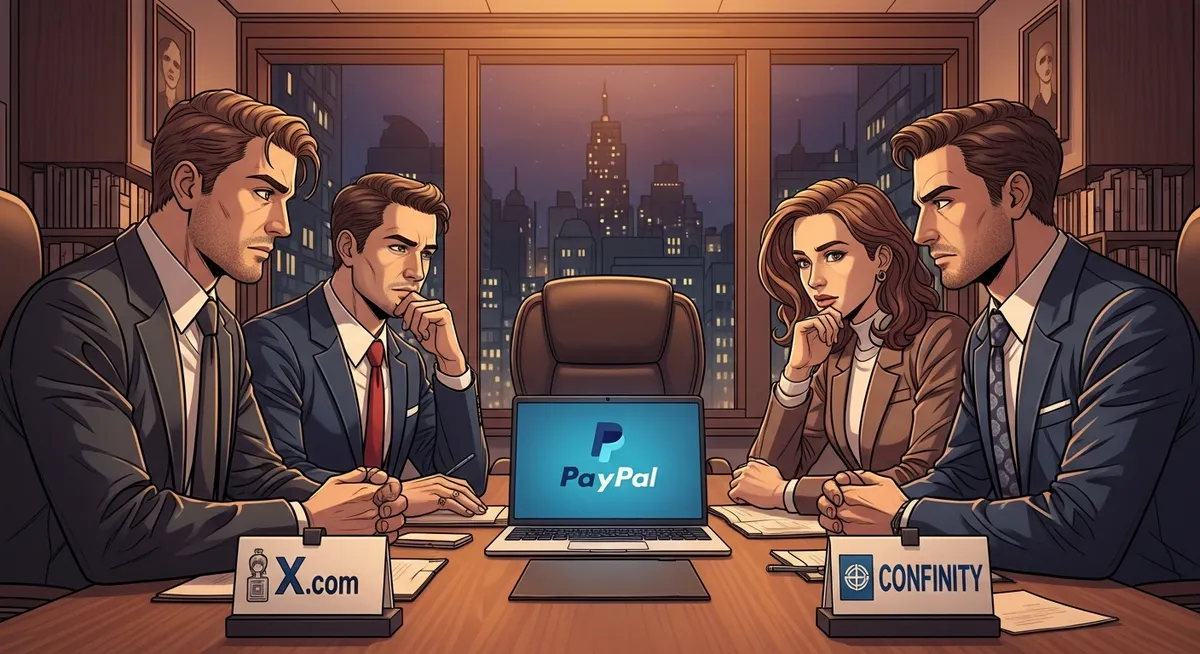
One month after the Zip2 sale — one month! — Musk founded X.com. His vision was bonkers for 1999: a single platform handling banking, loans, insurance, and investments. A financial super-app. Twenty-five years before “super-app” was even a buzzword.
The Merger
X.com’s main rival was Confinity, co-founded by Peter Thiel and Max Levchin, which had built a product called PayPal — a way to email money to people. The two companies burned through cash fighting each other, literally paying users $20 a pop to sign up. Just hemorrhaging money at each other like a financial pillow fight.
In March 2000, X.com and Confinity merged. Musk became CEO. Then things got ugly fast. Musk wanted to migrate the platform from Unix to Windows — a decision the engineering team treated like a declaration of war against common sense. In September 2000, while Musk was on a plane to Australia for his honeymoon, the board staged a coup. Peter Thiel led it. Musk was out as CEO before his flight landed.
Getting fired from your own company while literally on your honeymoon. That’s a level of corporate backstabbing that would make a Game of Thrones writer blush.
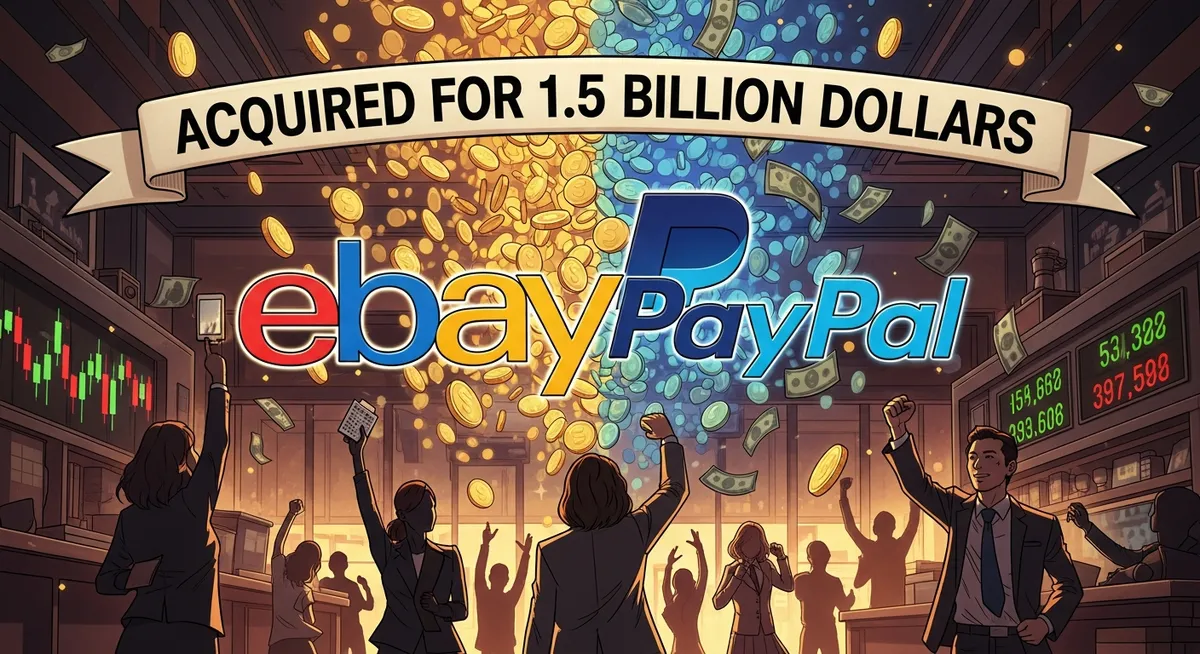
Despite getting the boot, Musk remained the largest shareholder. When eBay bought PayPal in October 2002 for $1.5 billion, Musk walked away with $175.8 million — the biggest individual payout from the deal. The guys who fired him made him even richer. Beautiful.
The PayPal Mafia
The early PayPal crew became known as the “PayPal Mafia” — arguably the most consequential talent network in Silicon Valley history. Besides Musk and Thiel, the alumni went on to build LinkedIn (Reid Hoffman), YouTube (Steve Chen, Chad Hurley, Jawed Karim), Palantir (Thiel again, because one world-changing company wasn’t enough), Yelp (Jeremy Stoppelman, Russel Simmons), and a dozen others. That one company’s alumni list reads like a cheat code for the 21st century economy.
The PayPal experience taught Musk two lessons he tattooed on his brain: control the board so you can’t be ousted, and surround yourself with loyalists. He would never get fired from his own company again.
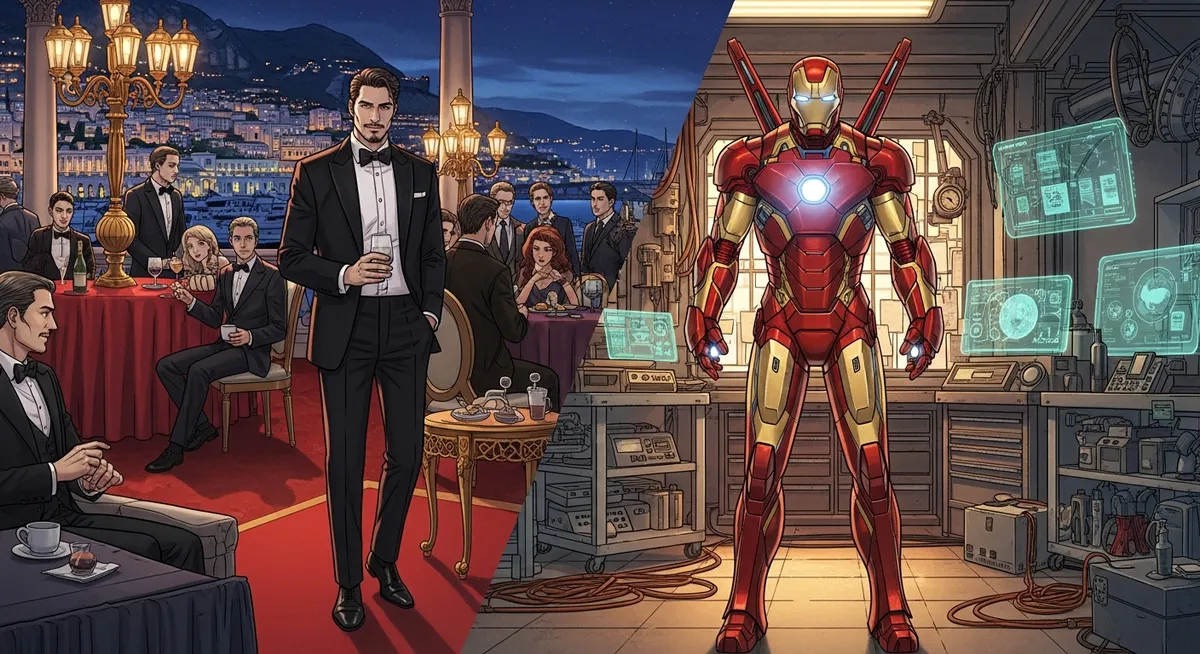
The PayPal era also birthed Musk’s pop culture persona. When Robert Downey Jr. was preparing to play Tony Stark in Iron Man, he asked to meet Musk. They hung out, and Downey later admitted he modeled parts of Stark — the restless billionaire inventor who builds things in his own workshop — on Musk. It became official when Musk made a cameo in Iron Man 2, casually pitching an “electric jet” to Tony Stark at a party in Monaco. For millions of moviegoers, Elon Musk and Tony Stark became the same person. That comparison would age… interestingly.
🚀 Chapter 5: SpaceX — The Impossible Rocket Company (2002–2012)
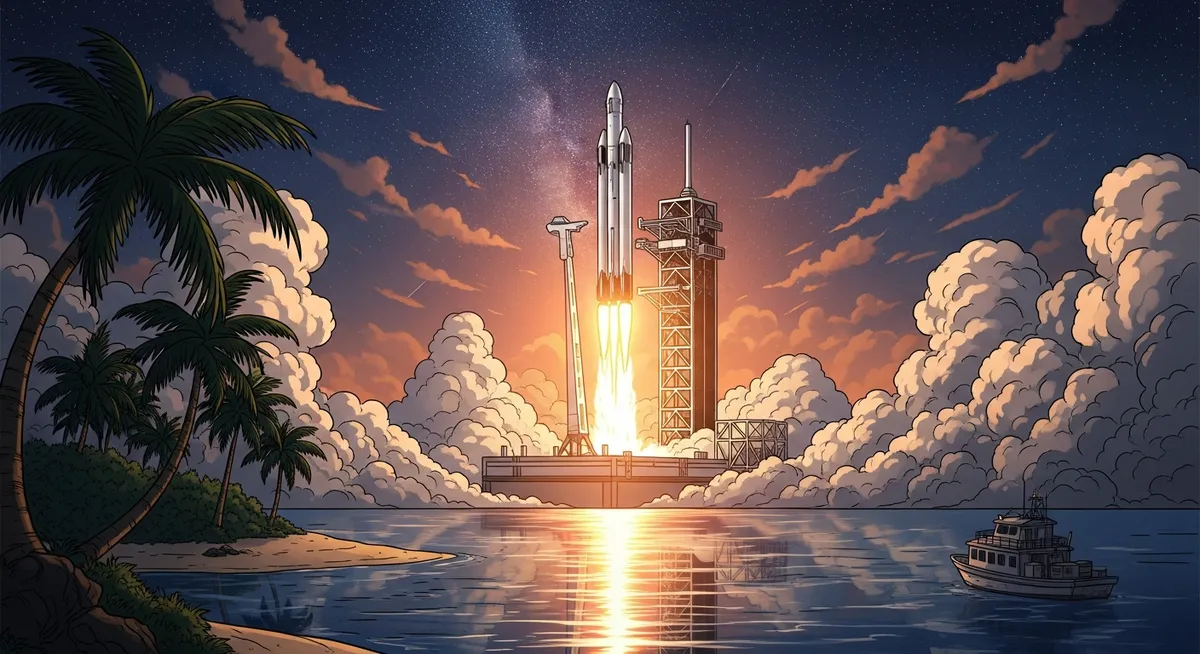
After the PayPal sale, Musk had about $180 million after taxes. He could have invested conservatively, retired at 30, and spent the rest of his life on a beach somewhere. Instead — and I cannot stress enough how insane this was — he decided to start a rocket company. A rocket company. An industry with a failure rate so high that the graveyard of dead space startups could fill a phone book.
Why Rockets?
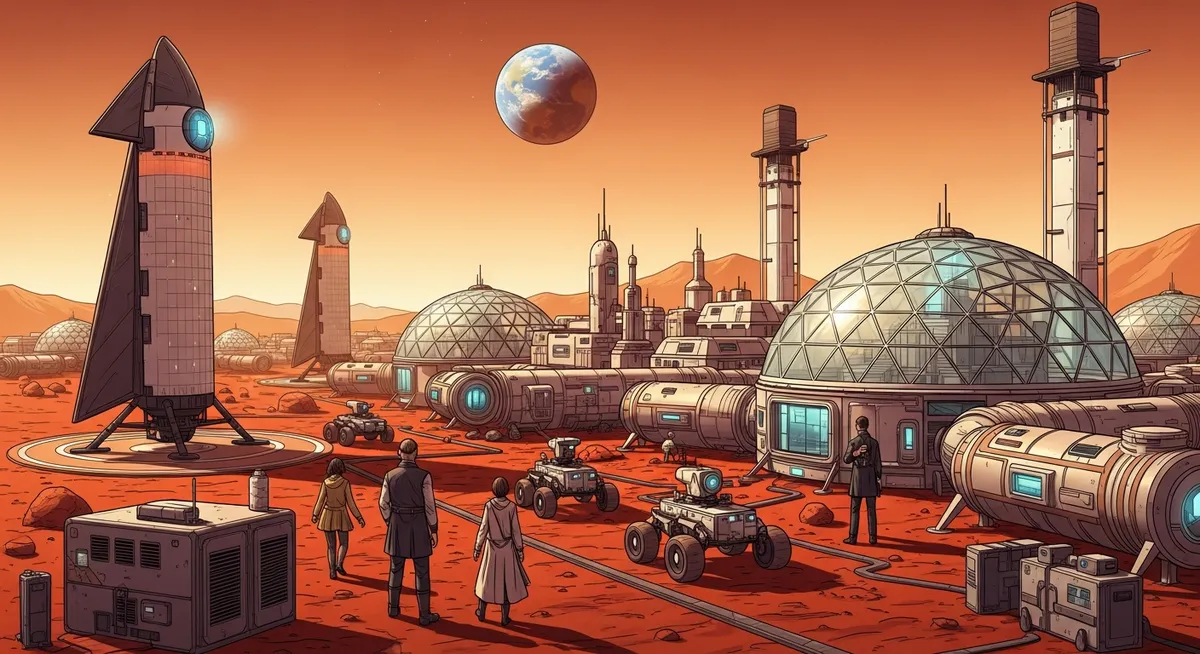
Musk’s space obsession wasn’t some billionaire hobby. He’d been thinking about Mars since college. His logic was simple and bleak: if Earth gets hit by an asteroid, or we nuke ourselves, or a pandemic wipes us out, human civilization is done. Game over. Unless there’s a backup copy on another planet. Mars was the only realistic option. So he needed rockets.
The problem was price. In 2001, Musk flew to Moscow twice to try buying refurbished Russian ICBMs — actual decommissioned nuclear missiles — to send a small greenhouse to Mars as a publicity stunt. Both times, the Russians either quoted absurd prices or, according to Musk’s account, literally spat on him during negotiations. Spat on him. A future hundred-billionaire, reportedly getting spat on by Russian rocket dealers. This story is unreal.
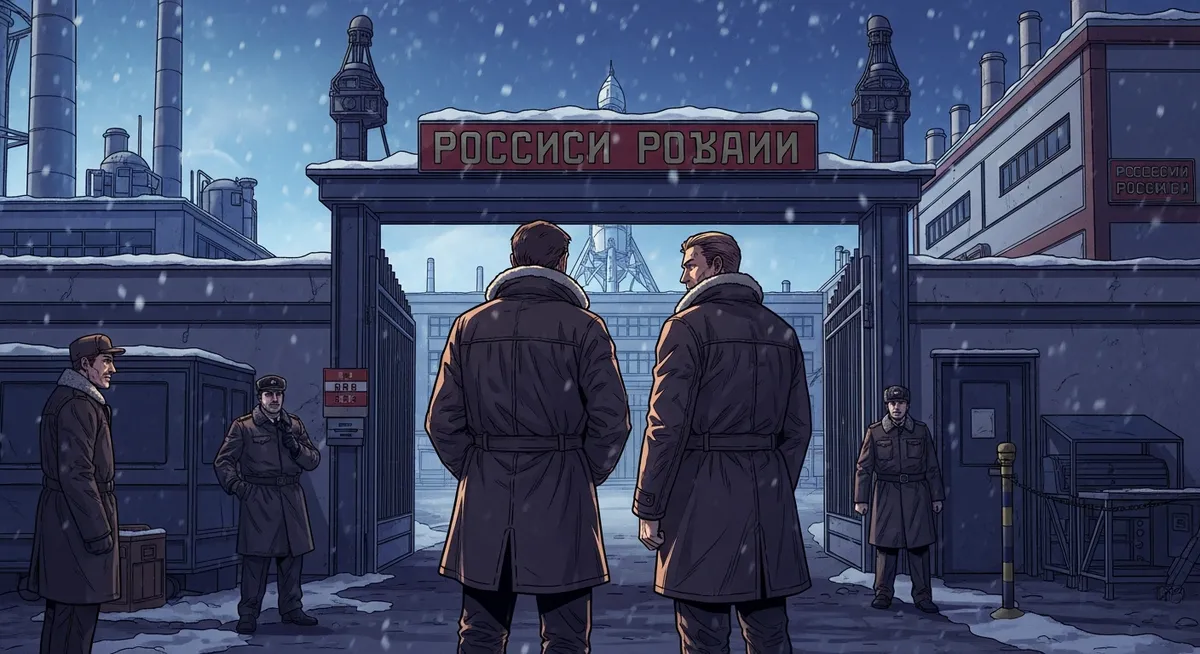
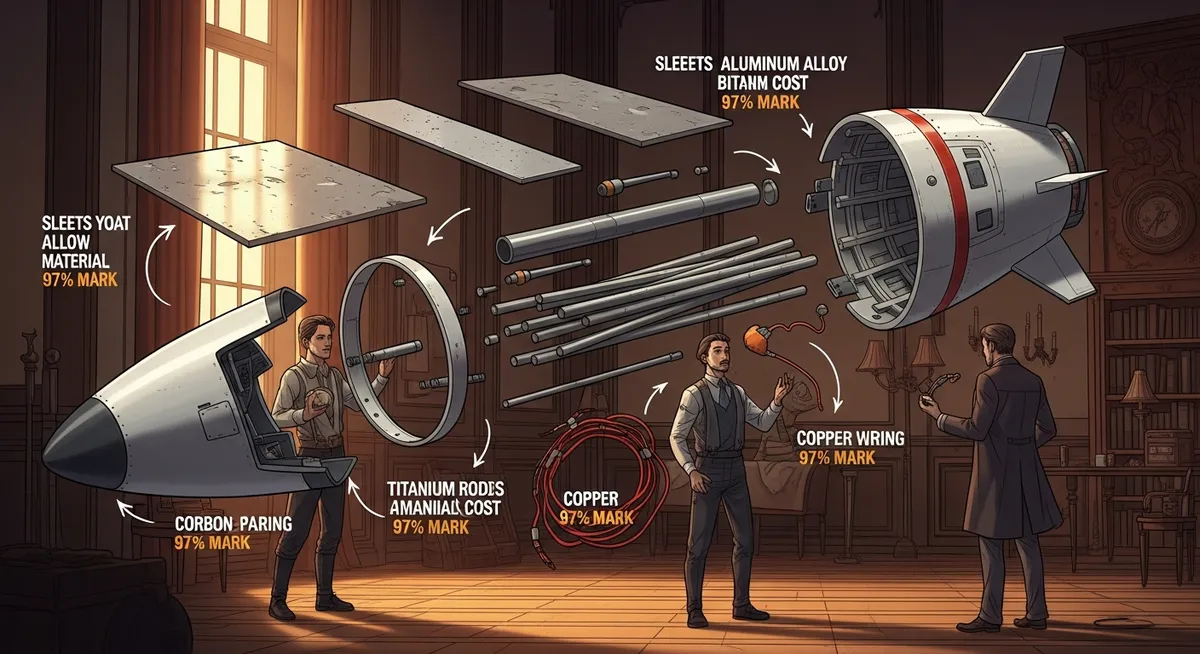
On the flight home from the second failed trip, Musk cracked open his laptop and started building a spreadsheet. He calculated the raw material costs of a rocket from scratch. Aluminum, carbon fiber, titanium — the actual metal. Total material cost? About 3% of what a rocket typically costs. The other 97% was overhead, inefficiency, and fat margins from defense contractors who had zero incentive to innovate because the government kept writing checks anyway.
Musk saw a gap you could fly a rocket through. If he built a vertically integrated company that manufactured most components in-house, he could cut the cost of space access by a factor of ten.
SpaceX was founded in June 2002. Musk put in $100 million of his own money. Every rocket engineer in the industry thought he was throwing it into a furnace.
The Falcon 1 Failures
SpaceX’s first rocket, the Falcon 1, was supposed to prove that a private company could reach orbit. The first three launches did not prove this.
- Flight 1 (March 2006): Engine fire 33 seconds in. The rocket crashed back onto the launch pad on Kwajalein Atoll in the Pacific. Spectacular fireball. Zero orbit.
- Flight 2 (March 2007): Made it to space but didn’t reach orbit because fuel sloshing made the second stage spin out like a drunk figure skater.
- Flight 3 (August 2008): The gut-punch. First stage worked perfectly. But residual thrust caused it to slam into the second stage during separation. Destroyed. Aboard this flight were the ashes of James Doohan — Star Trek’s Scotty — and astronaut Gordon Cooper. Both lost at sea. You can’t make this stuff up.
After Flight 3, Musk had enough money for exactly one more launch. One. If Flight 4 failed, SpaceX was dead. No more money. No more rockets. Game over.
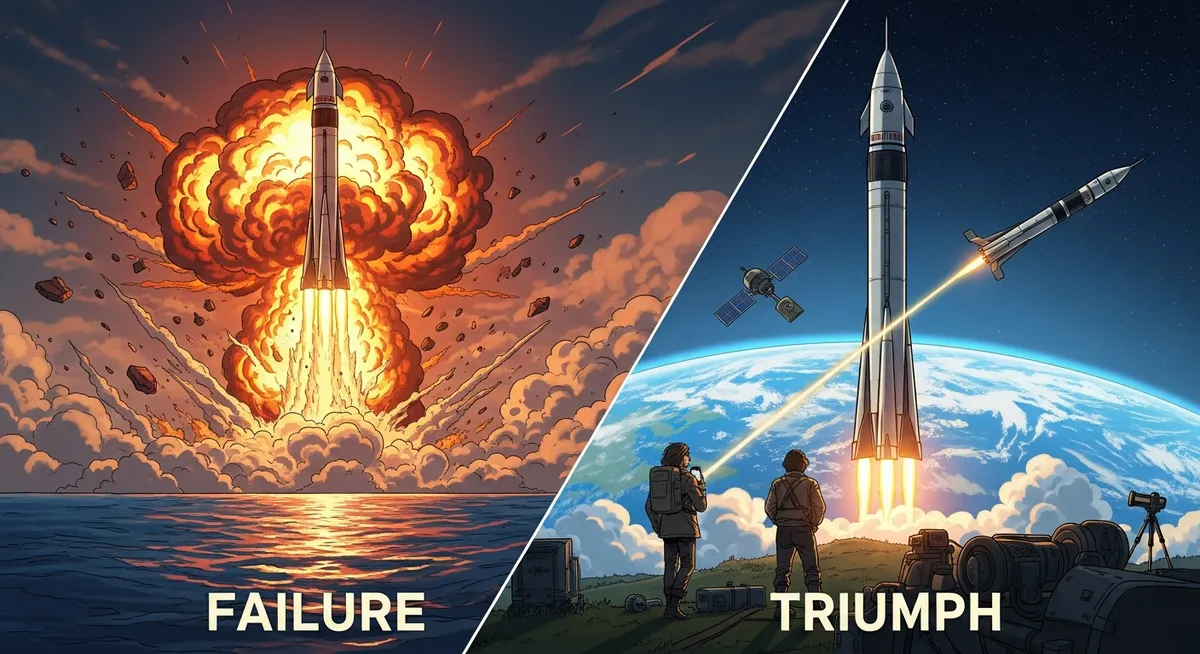
Flight 4: The Launch That Saved Everything
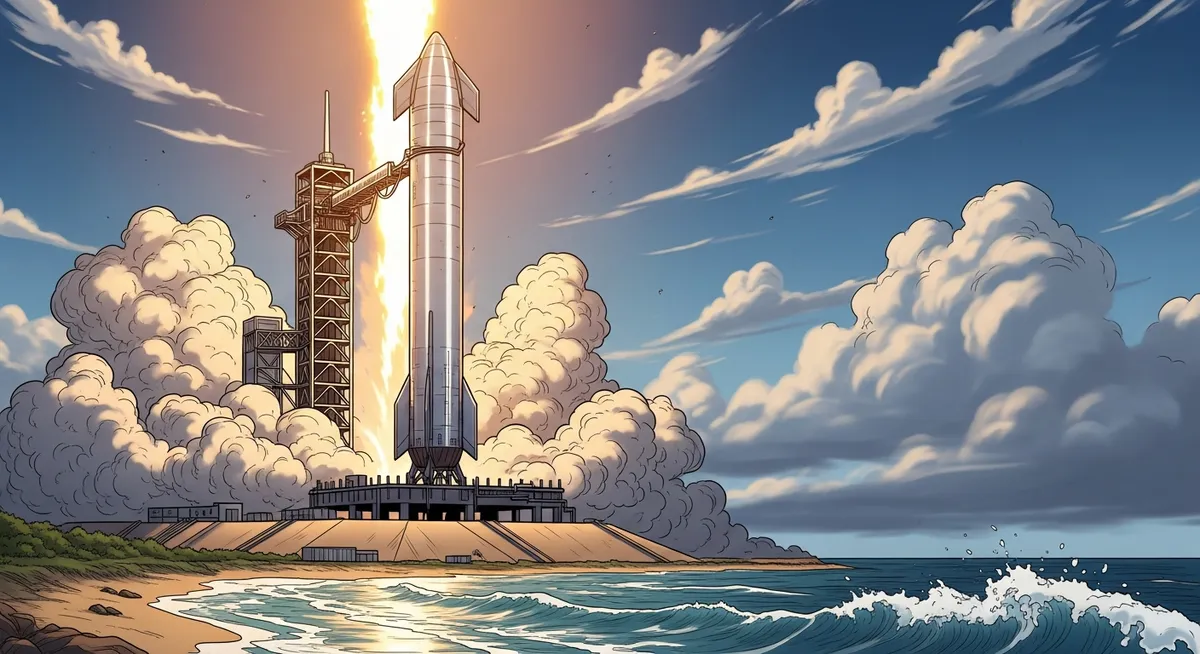
September 28, 2008. Fourth Falcon 1 lifts off from Kwajalein. First stage burns clean. Stage separation — clean. Second stage ignites. Burns to completion. Nine minutes and thirty-one seconds after launch, Falcon 1 reaches orbit.
SpaceX became the first privately funded, liquid-fueled rocket company to reach orbit in history.
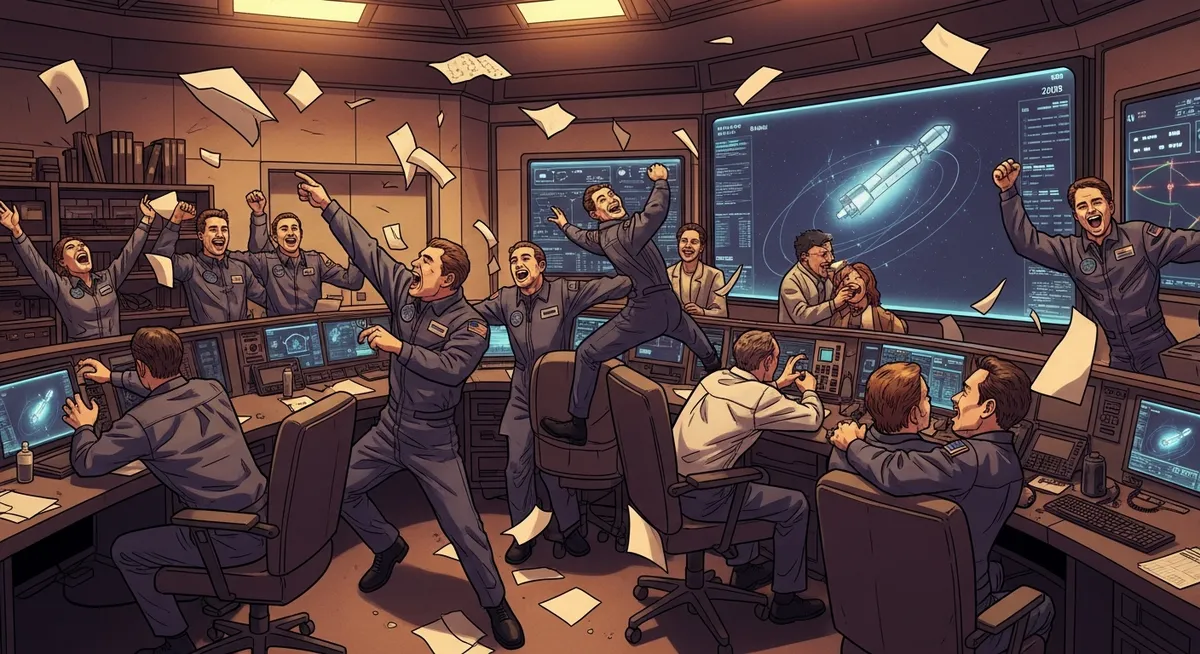
The mission control footage is worth watching. Grown engineers screaming, crying, hugging each other. These people had spent six years watching rockets explode, being told they were idiots by the entire aerospace establishment, and staring down bankruptcy. Then it worked. The whole future of commercial spaceflight came down to nine minutes of flight time. If that engine had hiccupped, you probably wouldn’t be reading this article.
Six weeks later, NASA awarded SpaceX a $1.6 billion contract for twelve cargo resupply missions to the International Space Station. The company that had been weeks from death was suddenly the future of American spaceflight. The whiplash is almost comical.
Falcon 9 and Dragon
SpaceX moved with absurd speed after that. The Falcon 9 — much bigger, much more powerful — first flew successfully in June 2010. The Dragon capsule made its first flight in December 2010, becoming the first commercial spacecraft ever recovered from orbit.
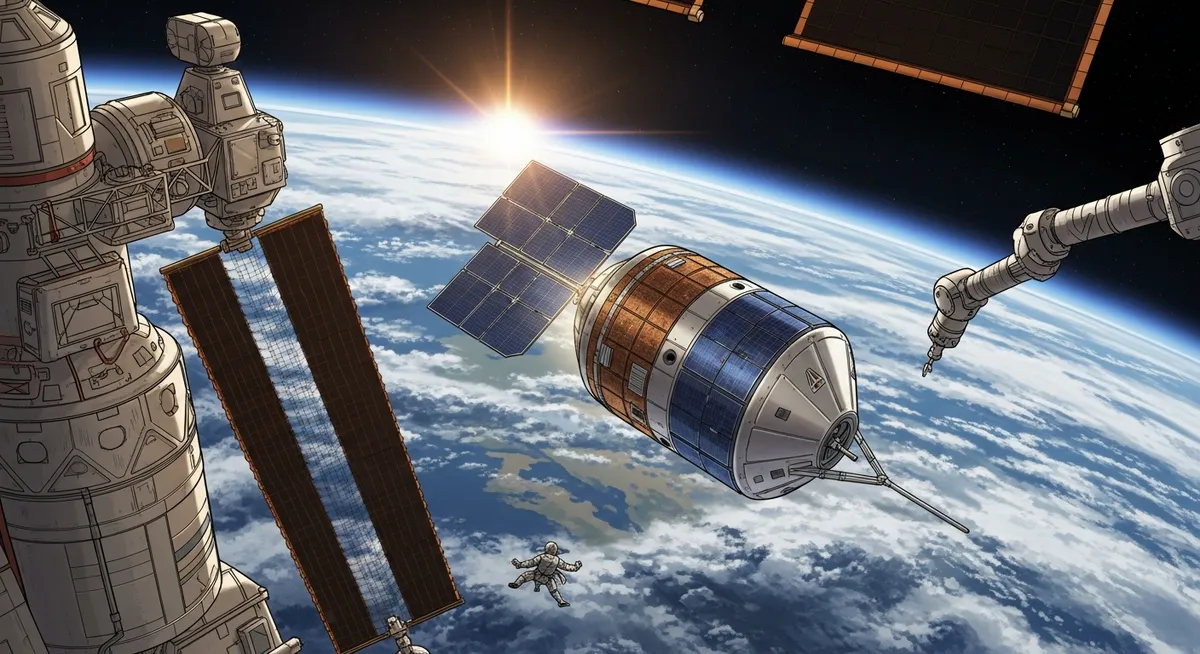
In May 2012, Dragon docked with the International Space Station. NASA astronauts opened the hatch and unloaded the cargo. Let that sink in: SpaceX — a startup run by a guy who’d been getting spat on by Russians a decade earlier — had just done what Boeing and Lockheed Martin, with their decades of experience and tens of billions in government pork, had failed to do quickly or cheaply. The old guard was officially on notice.
Starman: A Tesla in Orbit
In February 2018, SpaceX launched the Falcon Heavy — the most powerful operational rocket in the world — on its maiden flight. A normal company would put a concrete block on top as a test payload. Musk put his personal cherry-red Tesla Roadster. Behind the wheel: “Starman,” a mannequin in a SpaceX spacesuit. On the speakers: David Bowie’s Space Oddity on repeat. On the dashboard: “DON’T PANIC” — a Hitchhiker’s Guide to the Galaxy reference, because of course.
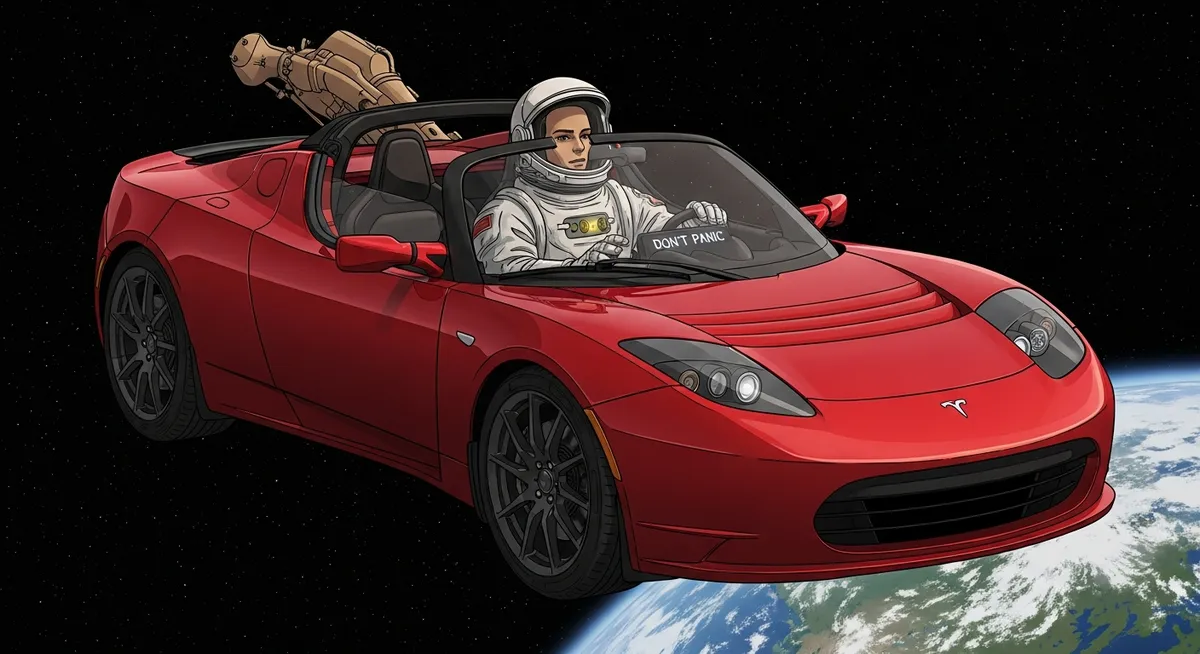
That car is now in an elliptical orbit around the Sun. It’ll drift through space for millions of years. As a marketing stunt, it was arguably the greatest in human history. As a statement of intent, it was pure Musk: why do anything boring when you can do something so absurd that every person on Earth talks about it for free?
⚡ Chapter 6: Tesla — The Electric Revolution (2004–2020)
Here’s a fact that drives Musk fans crazy: he did not found Tesla. The company was incorporated in July 2003 by Martin Eberhard and Marc Tarpenning. Musk led the Series A funding round in February 2004, put in $6.5 million, became chairman, and then — through a combination of additional investment and increasingly aggressive involvement in every single product decision — effectively took the whole thing over.
Eberhard got pushed out as CEO in 2008. After a brief interregnum, Musk installed himself as CEO in October 2008. He has held the title ever since — making him the longest-serving CEO in the modern auto industry, running a company he didn’t technically start. Founders’ credit is complicated.
The Roadster
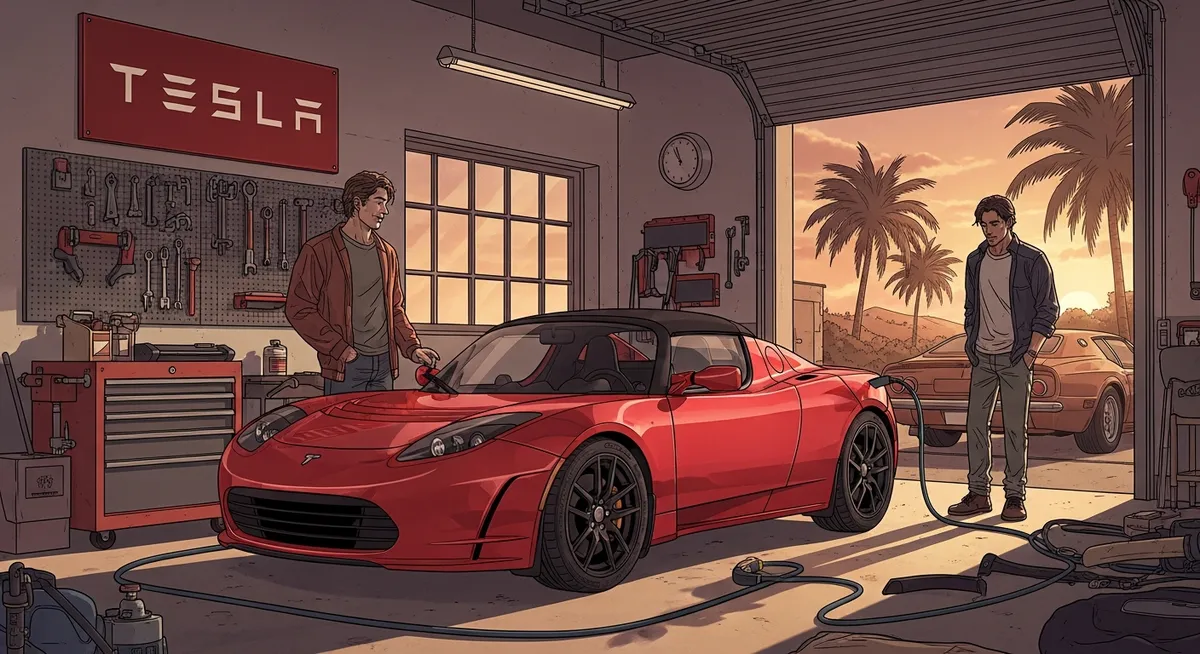
Tesla’s first car was the Roadster — a Lotus Elise chassis stuffed with an electric powertrain. It cost $109,000, production was limited to about 2,500 units, and the development was a rolling disaster of engineering problems. But it did something nobody thought possible: it made an electric car sexy. Zero to 60 in 3.7 seconds. Over 200 miles of range — three to four times any other EV on the market. This wasn’t a golf cart with pretensions. This was a machine that could embarrass a Porsche at a stoplight.
The Roadster was never supposed to be a mass-market product. It was a proof of concept and a cash register to fund what came next. Classic Musk: build the cool expensive thing first to prove it works, then use the money to make the version everyone can afford.
The Near-Death of 2008
By late 2008, the universe was actively trying to kill Elon Musk’s career. Tesla was hemorrhaging cash trying to get the Roadster into production. The global financial crisis had frozen capital markets solid. SpaceX had just barely survived its fourth launch. And Musk was simultaneously going through a divorce from his first wife, Justine. Both companies teetering on the edge of bankruptcy. Marriage falling apart. All at the same time.
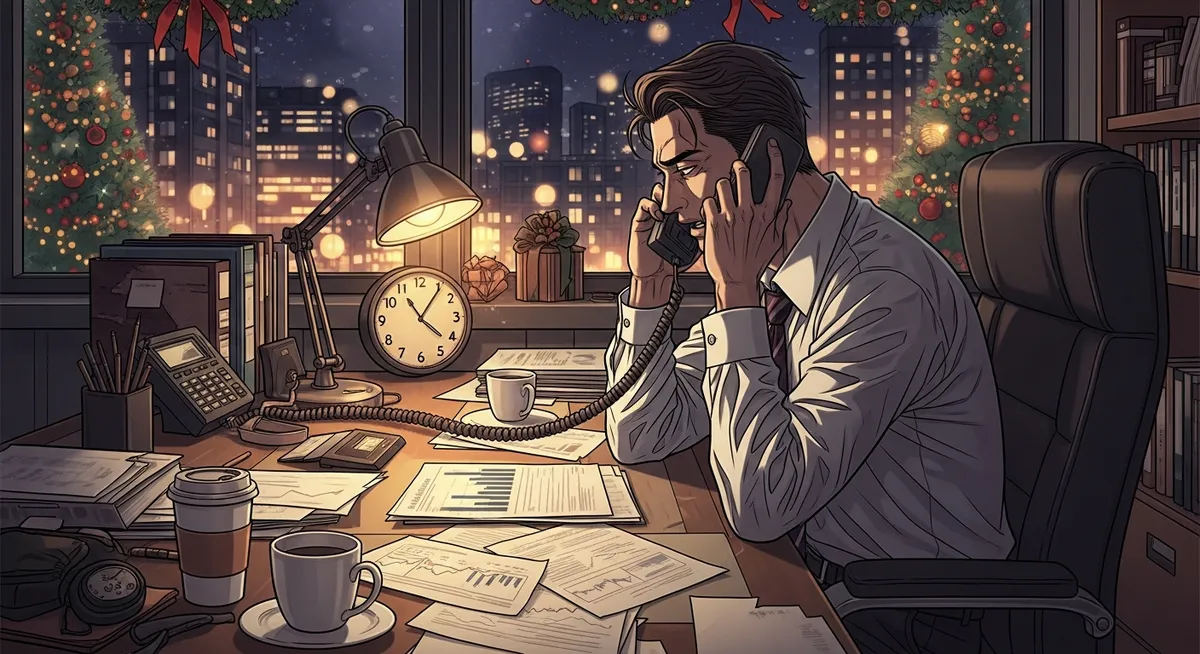
On Christmas Eve 2008 — Christmas Eve — Musk closed an emergency funding round for Tesla. It was literally the last possible moment before the company would have had to shut its doors permanently. He scraped together his last personal dollars and begged existing investors to re-up.
“I could either split the money between SpaceX and Tesla, in which case both would probably die, or I could put it all into one. I decided to split it, and somehow both survived.” — Elon Musk
“Somehow both survived” is doing a lot of heavy lifting in that sentence. The man was choosing between letting one of his children die so the other could live, and he chose “neither” and then willed it into existence. Whether you call that genius or insanity depends on whether it works. It worked.
Model S and the Turning Point
The Model S sedan, launched in 2012, was the car that flipped the script on the entire auto industry. Motor Trend named it Car of the Year — first time an EV had ever won. Consumer Reports gave it a 99 out of 100 and called it the best car they had ever tested. Not the best electric car. The best car. Period.
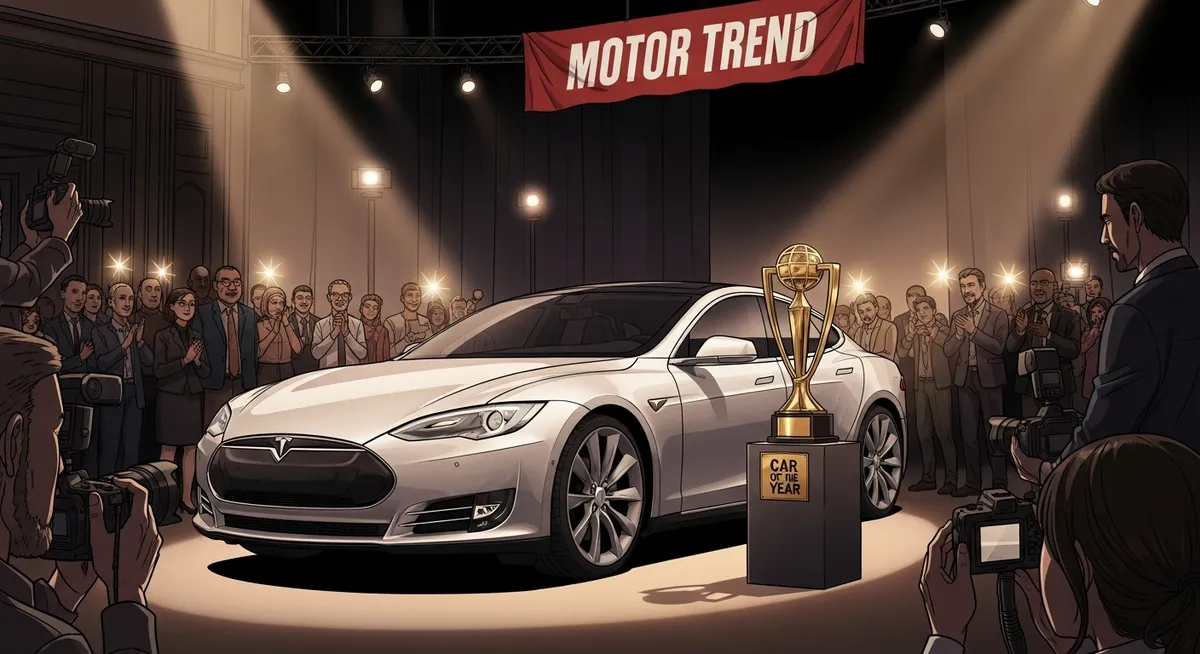
The Model S proved that electric cars weren’t just “viable” — they were flat-out better. Faster. Quieter. More technologically advanced. Cheaper to operate. Every executive at every car company on Earth watched that Consumer Reports review and quietly started sweating. Tesla’s stock — IPO’d at $17 in 2010 — began a climb that would eventually make it the most valuable automaker in the world.
Gigafactories and Global Expansion
Musk’s master plan for Tesla — which he had publicly posted on a blog in 2006, because the man has never heard of stealth mode — was disarmingly simple:
- Build an expensive sports car (Roadster)
- Use that money to build a more affordable luxury car (Model S)
- Use that money to build an even more affordable car (Model 3)
- Provide solar energy
That’s it. He told everybody exactly what he was going to do, published it on the internet, and then did it. Most companies spend millions on consultants to develop a strategy they keep locked in a vault. Musk blogged his.
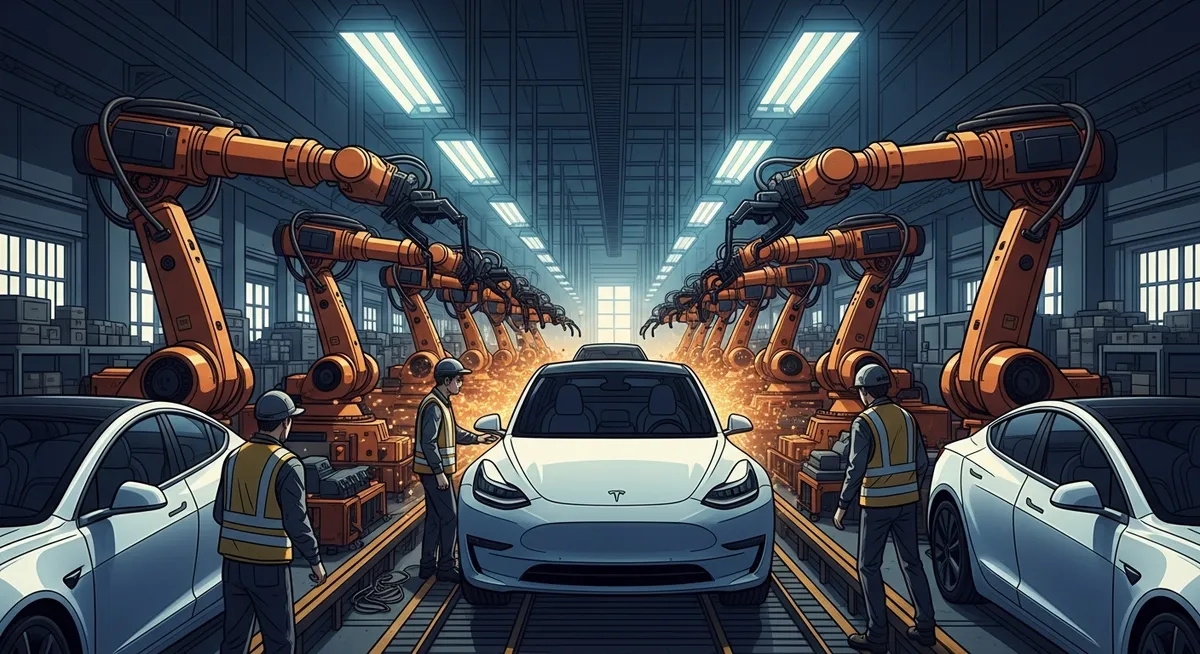
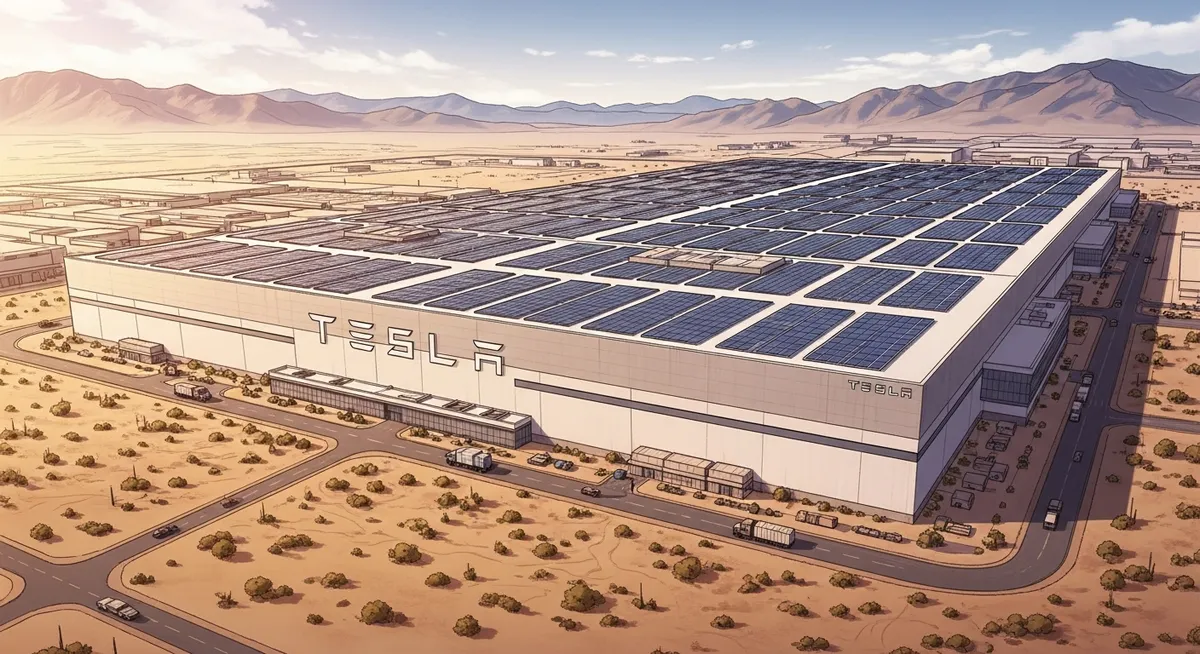
The Model 3, launched in 2017 at $35,000, was the car that brought Tesla to the masses. Within two years, it was the best-selling premium sedan in the world. To build at that scale, Tesla needed Gigafactories — massive manufacturing facilities named for their gigawatt-hour battery production capacity. The first one, in Sparks, Nevada, was the largest building in the world by footprint when it opened. Others followed in Shanghai, Berlin, and Austin.
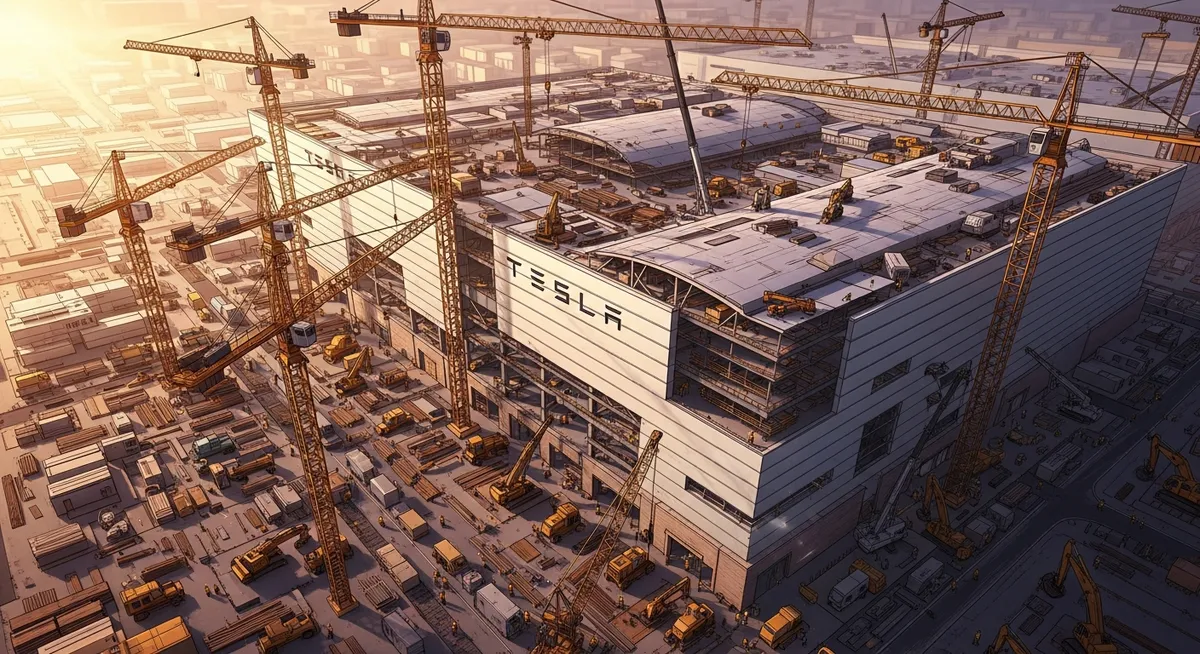
The Shanghai Gigafactory was built at a speed that made the rest of the auto industry question reality. Ground broken in January 2019, first cars delivered in December 2019. Less than a year from dirt to deliveries. In an industry where new factories typically take three to five years to build. The Chinese government rolled out the red carpet, and Musk sprinted across it.
The $1 Trillion Valuation
In October 2021, Tesla became the sixth company in history to hit $1 trillion in market cap, joining Apple, Microsoft, Amazon, Alphabet, and Saudi Aramco. Musk’s net worth — driven mostly by Tesla shares — blew past $300 billion, making him the richest person in human history by a wide margin. A guy who was sleeping on a futon at the YMCA twenty years earlier was now worth more than the GDP of most countries.
🧪 Chapter 7: The Boring Company, Neuralink, xAI, and Twitter (2016–Present)
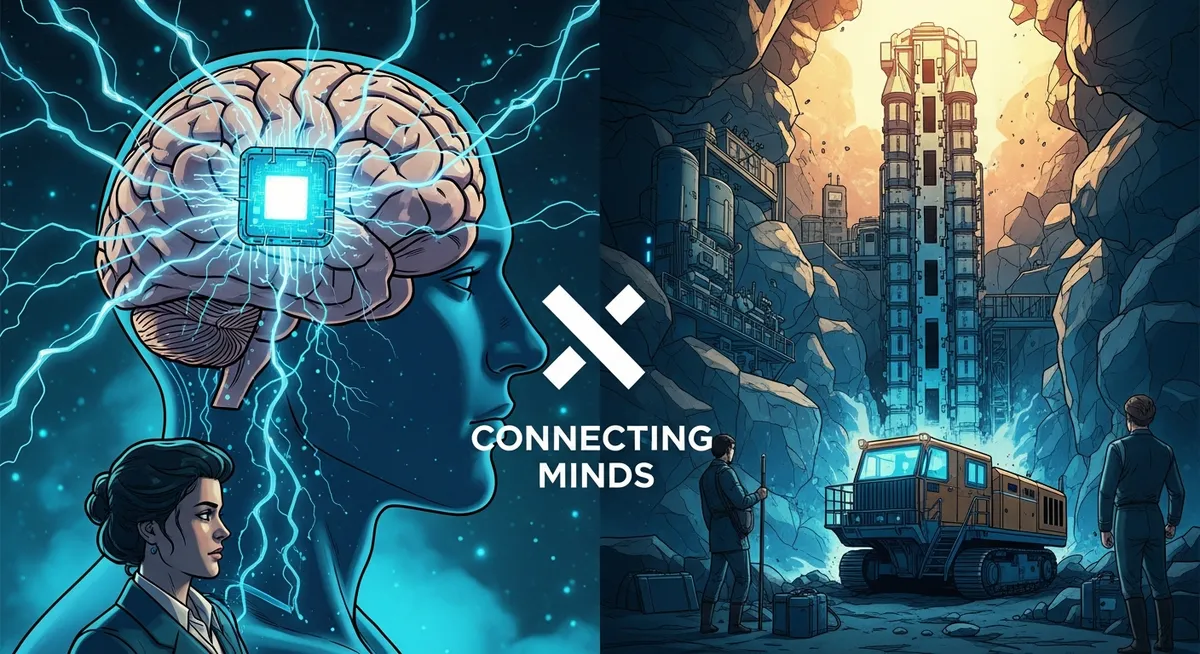
Running two of the most ambitious companies in history wasn’t enough. Because Musk is apparently allergic to free time, he launched or got deeply involved in several additional ventures that would each be a career-defining project for any normal human.
The Boring Company (2016)
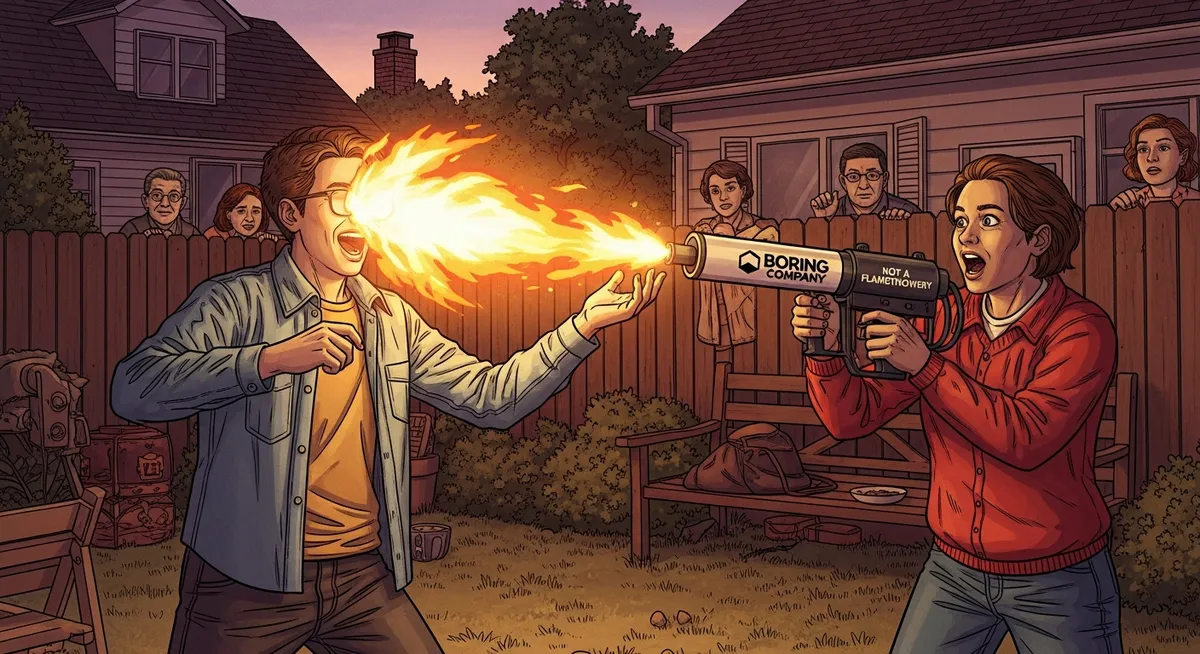
Musk got stuck in LA traffic one day and basically rage-founded a tunneling company. The Boring Company was supposed to build underground transportation tunnels. It has completed a small tunnel system under the Las Vegas Convention Center, which is… fine. It’s fine.
But before any serious digging happened, The Boring Company became famous for something much dumber: selling flamethrowers. In early 2018, Musk announced a branded flamethrower for $500. Twenty thousand units sold out immediately, generating $10 million in revenue for a tunneling company that had barely started tunneling. When politicians raised safety concerns, Musk renamed the product “Not a Flamethrower” and kept selling them. Peak Musk: turn a safety complaint into a punchline, pocket $10 million, get a week of free press coverage.
Neuralink (2016)
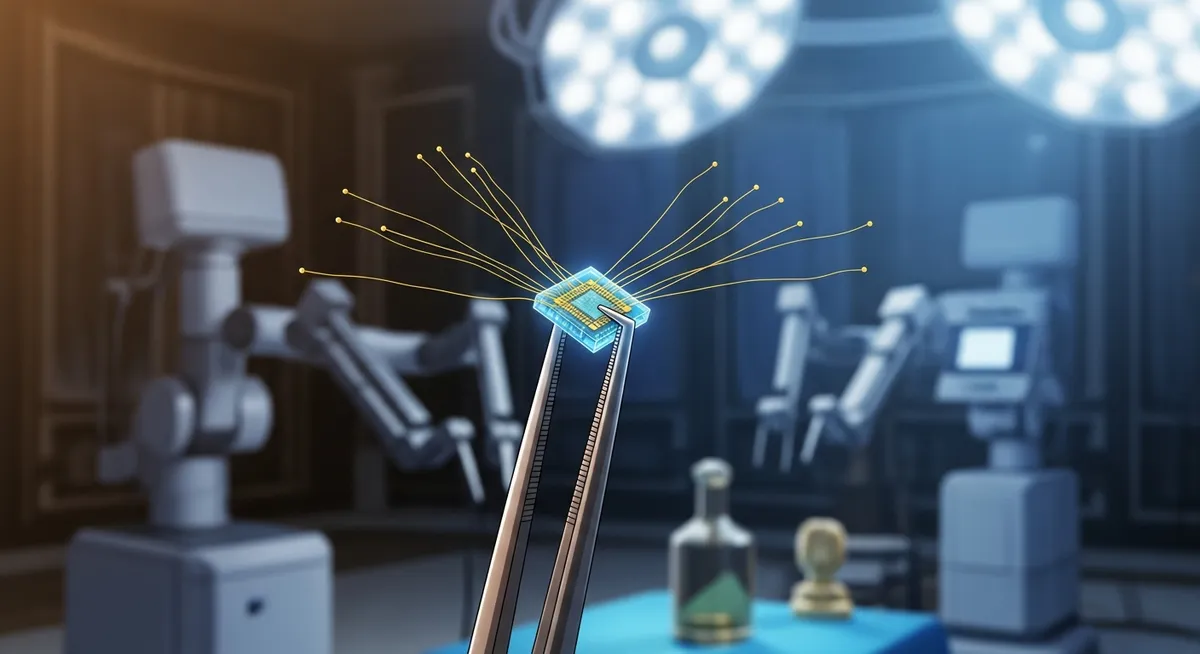
Neuralink is developing brain-computer interfaces — tiny chips implanted in your actual brain that can read and potentially write neural signals. The stated goal is treating neurological conditions like paralysis. The unstated but very Musk goal is creating “symbiosis with AI” — giving human brains a direct line to artificial intelligence so we don’t get left in the dust when the machines get smarter than us.
In January 2024, Neuralink implanted its first chip in a human patient — Noland Arbaugh, a quadriplegic who was subsequently able to control a computer cursor with his thoughts. Just sitting there, thinking at a screen, and the cursor moved. That’s either the most exciting medical breakthrough in a generation or the opening scene of a sci-fi horror movie. Possibly both.
Twitter/X (2022)
And then there’s Twitter. Oh, Twitter.
In October 2022, Musk completed his $44 billion acquisition of Twitter, immediately renamed it X, and proceeded to set the place on fire. He laid off an estimated 80% of the staff — not gradually, not with an obvious transition plan, but through massive waves of cuts that gutted entire teams. He significantly scaled back content moderation systems. He reinstated previously banned accounts. He announced plans to turn the platform into an “everything app” modeled on China’s WeChat, which is a bold vision to articulate while your existing product is actively falling apart.
The acquisition was funded partly by selling Tesla stock, which cratered Tesla’s share price. Musk’s net worth dropped by over $100 billion in the months after the purchase. Advertisers bolted. User trust tanked. The platform that world leaders, journalists, and millions of people relied on for real-time information became… less reliable.
Whether X will eventually vindicate Musk’s vision or stand as the most expensive impulse purchase in human history remains genuinely unclear. The charitable interpretation is that he’s playing a long game. The less charitable interpretation is that he spent $44 billion to reshape public discourse according to his own preferences. The truth is probably somewhere in between, which is the most frustrating possible answer.
xAI (2023)
In 2023, Musk founded xAI, positioning it as a competitor to OpenAI — the AI organization he co-founded in 2015 but later left because of disagreements with CEO Sam Altman. So he started an AI safety nonprofit, left it, watched it become a for-profit juggernaut, and then started a competing for-profit AI company. xAI built Grok, a large language model integrated into X that Musk describes as a truth-seeking AI without ideological guardrails.
The elephant in the room: Musk has spent years loudly warning that AI could destroy humanity. He signed open letters calling for AI development pauses. Then he started his own AI company. His critics have called this a glaring contradiction. His defense — that the only way to ensure AI safety is to build your own AI — is the kind of logic that sounds reasonable if you squint hard enough and don’t think about it too long.
⚙️ Chapter 8: The Musk Method — How He Actually Works
You can’t understand what Musk has built without understanding how he works. And how he works is unlike any other CEO on the planet. It’s not a management style — it’s closer to a controlled substance.
First Principles Thinking
Musk’s signature intellectual move is “first principles thinking.” Instead of reasoning by analogy — looking at what other people do and copying it — he strips problems down to their most fundamental truths and builds back up from there.
The classic example: rocket costs. Everyone in aerospace accepted that rockets were expensive. That was just How It Was. Musk asked: what are rockets actually made of? Aluminum, titanium, copper, carbon fiber. How much do those materials cost on the open market? About 2% of a finished rocket’s price. So the problem isn’t physics. It’s the manufacturing process — decades of bloated defense contracts, zero competition, and no incentive to innovate. Fix the process, cut the cost by 90%.
That one spreadsheet on a flight home from Moscow is basically why SpaceX exists.
The 100-Hour Work Week
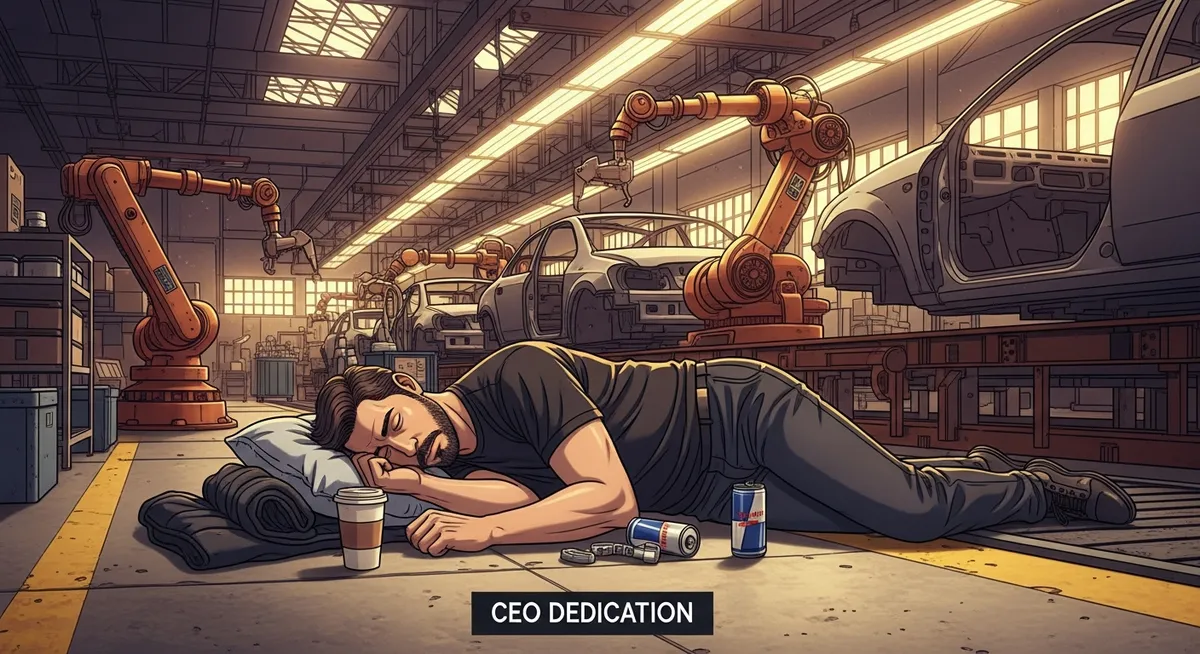
Musk has consistently worked 80 to 120 hours per week for his entire career. During crisis periods — the 2008 meltdown, Model 3 production hell, SpaceX launch campaigns — he has slept on factory floors for days at a time. Not in an office. On the factory floor. Next to the production line. Like a very expensive sleeping bag.
This isn’t PR spin. Multiple biographers, employees, and family members have confirmed it. Whether it’s sustainable, healthy, or a sign that something is deeply wrong is a fair question. But the raw output is undeniable. The man simply extracts more working hours from himself than any other human being in business. It’s like he found a cheat code for the day, except the cheat code is “ignore your body’s distress signals.”
Vertical Integration
Both SpaceX and Tesla manufacture a staggering percentage of their components in-house. SpaceX builds its own engines, avionics, flight computers, and even launch pads. Tesla makes its own battery cells, builds its own seats, and designed its own AI training chips. Most companies outsource as much as possible. Musk insources everything he can.
The approach is brutal in the short term — more expensive, more complex, more things that can go wrong. But in the long term, it gives his companies total control over supply chains, faster iteration, and lower costs. It’s the manufacturing equivalent of growing your own food instead of buying it at the grocery store. Harder, but nobody can cut off your supply.
The “Idiot Index”
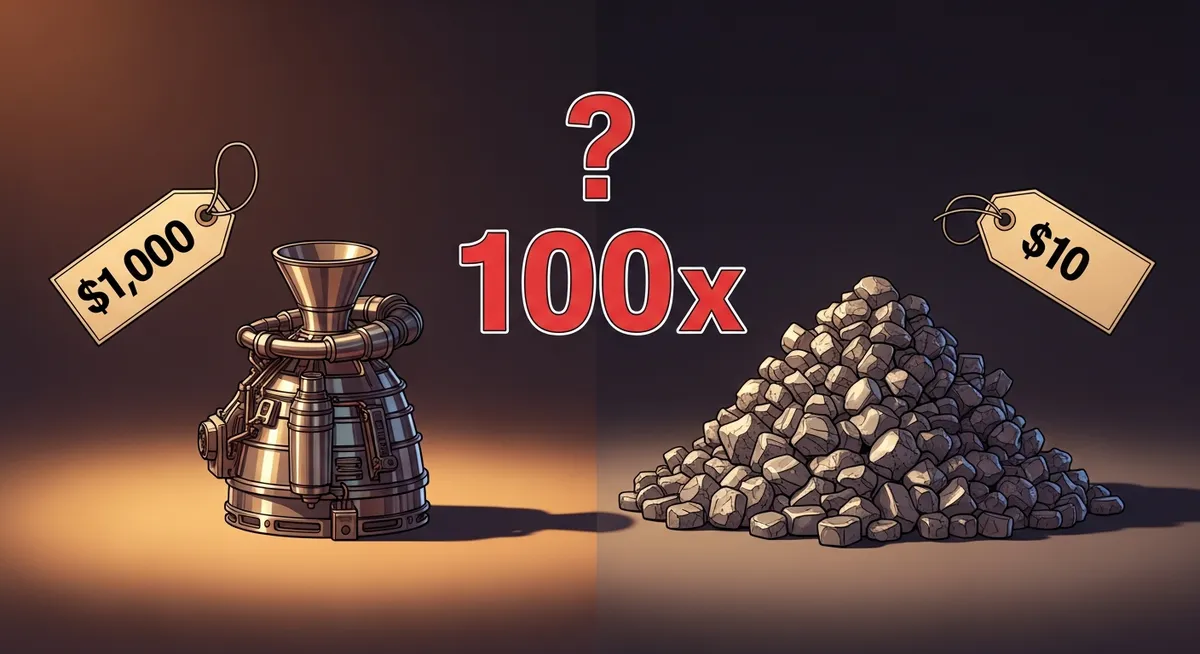
Musk has a metric he calls the “idiot index” — the ratio of a finished component’s cost to the cost of its raw materials. If a part costs $1,000 but contains $10 worth of metal, the idiot index is 100. Musk’s mission is to drive that number as close to 1 as possible by eliminating unnecessary steps, tooling, and overhead. It’s a beautifully blunt way to expose waste. If your idiot index is high, you’re an idiot. Fix it.
⚠️ Chapter 9: Controversies and Criticisms
Alright. Let’s talk about the other stuff. Because no honest accounting of Elon Musk can skip over the fact that the man is a walking controversy factory.
Labor Practices
Tesla’s Fremont factory has faced repeated accusations of poor working conditions, anti-union activity, and racial discrimination, as documented in multiple lawsuits and regulatory findings. The National Labor Relations Board ruled in 2021 that Tesla had illegally threatened workers who tried to unionize. Not “aggressively discouraged.” Illegally threatened. There’s a difference, and it’s the kind of difference that involves federal labor law violations.
Musk’s public stance on unions — basically, that they’re unnecessary at Tesla because he takes care of his workers — is harder to square with the NLRB’s findings.
Erratic Public Behavior
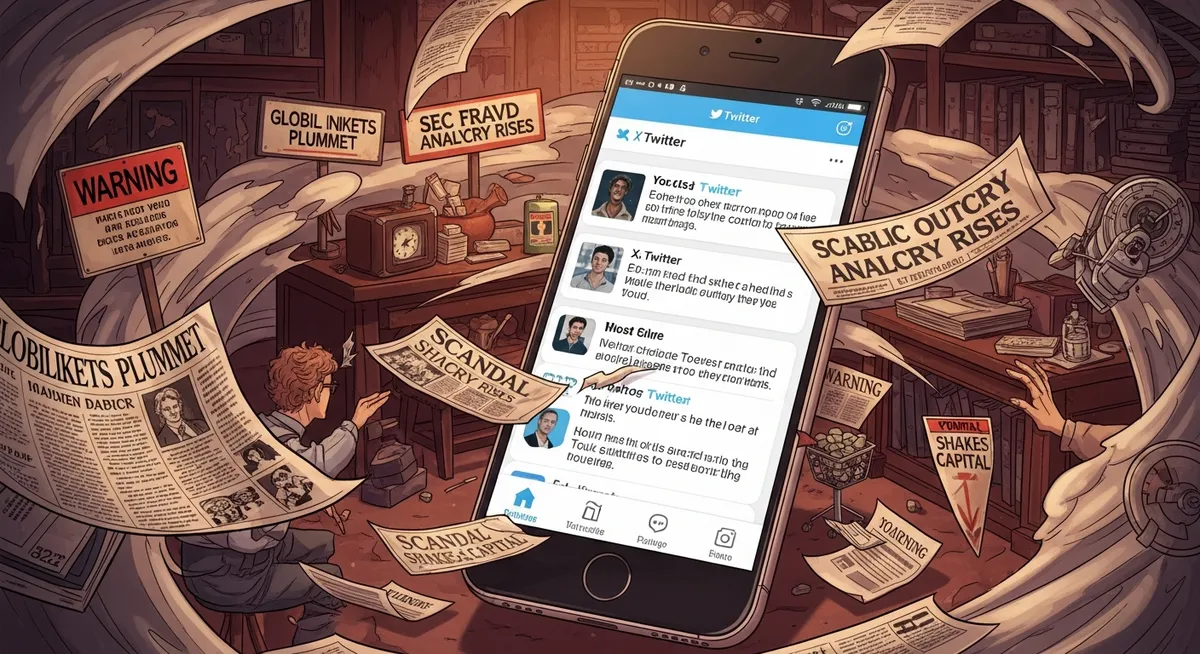
Musk’s relationship with Twitter — first as a user, then as the owner — has been a masterclass in how to create chaos with a phone. Where to even start?
In 2018, he tweeted that he was taking Tesla private at $420 per share, “funding secured.” The funding was not, in fact, secured. The SEC charged him with securities fraud. He settled without admitting or denying wrongdoing, paid a $20 million fine, and agreed to have his Tesla tweets vetted by a lawyer — a requirement he has, by numerous accounts, openly and repeatedly ignored.
He publicly called a British cave rescue diver a “pedo” on Twitter — a claim for which he was sued for defamation. A jury found in Musk’s favor, but “I won the lawsuit” is not really the flex you want when the underlying fact is that you publicly accused a rescue volunteer of pedophilia because he criticized your mini-submarine proposal.
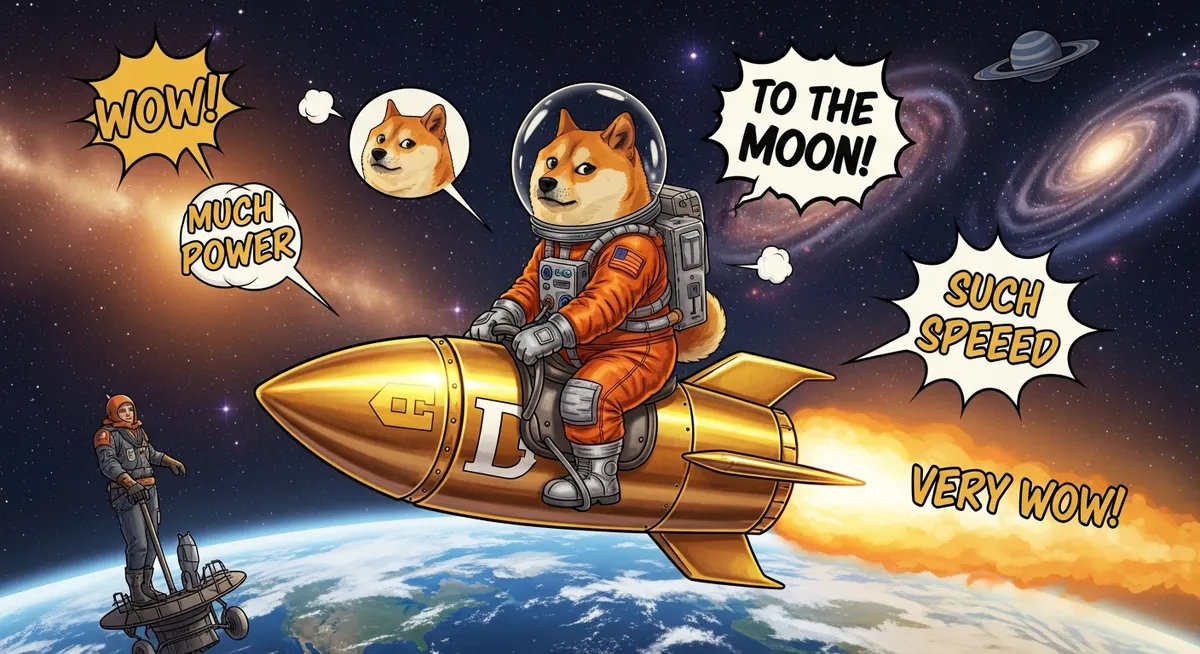
He repeatedly promoted Dogecoin — a cryptocurrency that was literally invented as a joke — with memes, and the token’s value surged by as much as 10,000%. People who followed his lead made and lost fortunes based on a billionaire’s posts about a dog coin. Whether that constitutes market manipulation or just extremely online behavior has been the subject of lawsuits (dismissed as of 2024) and ongoing regulatory debate.
Then there was the Joe Rogan moment. September 2018: Musk goes on Joe Rogan’s podcast, takes a puff of weed on camera. One puff. Tesla stock dropped 9% the next day. The Air Force opened a review of his security clearance. NASA sent officials to inspect SpaceX. Musk later said he didn’t even inhale. A single puff of legal marijuana by a guy in California triggered a multi-agency federal response. The absurdity is almost poetic.
Broken Promises
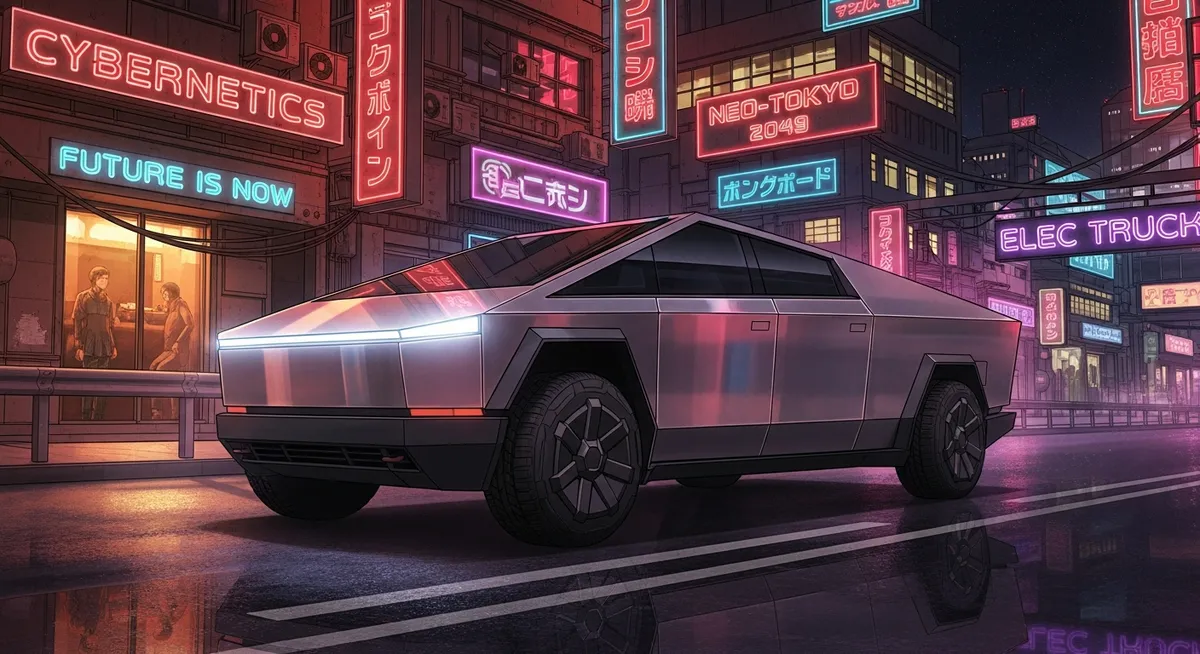
Musk has a relationship with timelines that can charitably be described as “aspirational.” Full self-driving has been “about a year away” since 2015. It is still not here. The Tesla Semi was announced in 2017 for 2019 delivery; first deliveries happened in December 2022. The Cybertruck was unveiled in 2019 and didn’t ship until late 2023.
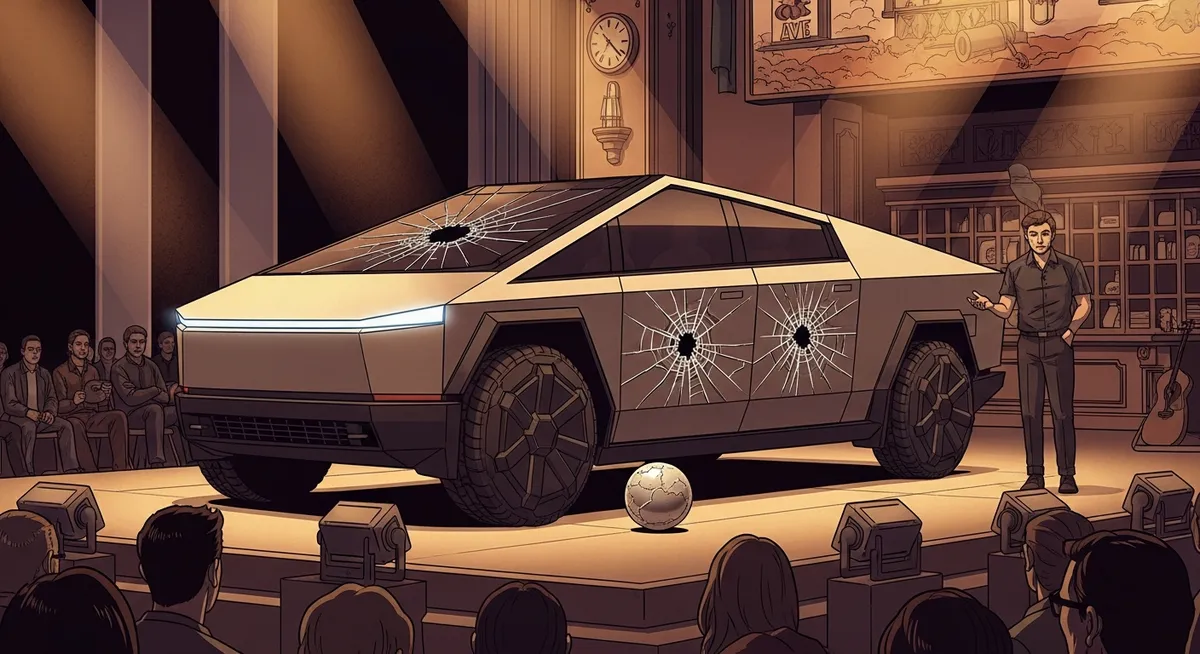
Speaking of the Cybertruck: the reveal itself was one of the greatest unintentional comedy moments in tech history. Musk spent the entire presentation bragging about “Tesla Armor Glass” — supposedly unbreakable windows. To prove it, he had his head of design, Franz von Holzhausen, throw a metal ball at the driver-side window. The glass shattered on impact. Musk tried the rear window. Also shattered. He then stood on stage for the rest of the presentation next to a truck with two broken windows, muttering “Well, maybe that was a little too hard.” The image went thermonuclear. It became one of the most shared tech fails in internet history — and arguably generated more publicity for the Cybertruck than a flawless demo ever would have. Only Musk could fail spectacularly on live TV and somehow win anyway.
His defenders say he eventually delivers on most promises, just late. His critics say the promises amount to false advertising and stock manipulation. The truth is that Musk treats deadlines the way most people treat New Year’s resolutions: with sincere intentions and zero follow-through.
Personal Life
Musk’s personal life is… a lot. He’s been married three times — twice to the same woman, actress Talulah Riley — and has fathered at least eleven children with several different women, including children with Neuralink executive Shivon Zilis, a relationship that was not publicly known for some time, according to news reports. The man runs five companies and has eleven kids. His relationship with “time management” is genuinely unprecedented.
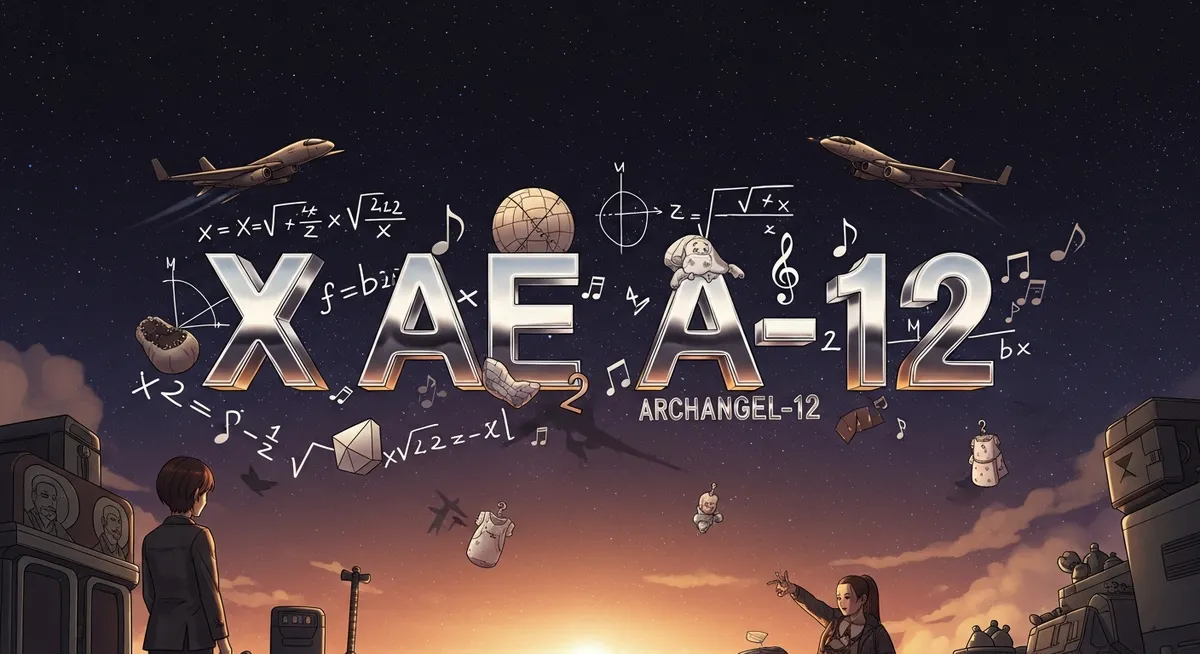
Nothing captures the sheer Musk-ness of his personal life like the name he gave his son with musician Grimes in May 2020: X Ae A-12 Musk. The internet lost its collective mind trying to pronounce it. Grimes explained that “X” was “the unknown variable,” “Ae” was her “elven spelling of AI,” and “A-12” referred to the Archangel-12, their favorite aircraft. California law doesn’t allow numerals in names, so it was changed to X Ae A-Xii. The kid goes by “X.” Because obviously.
His first son, Nevada, died of sudden infant death syndrome at ten weeks old in 2002. Musk has rarely spoken about it. He has said he dealt with the grief by working. That single detail probably tells you more about Elon Musk than anything else in this article.
🌟 Chapter 10: The Legacy Question
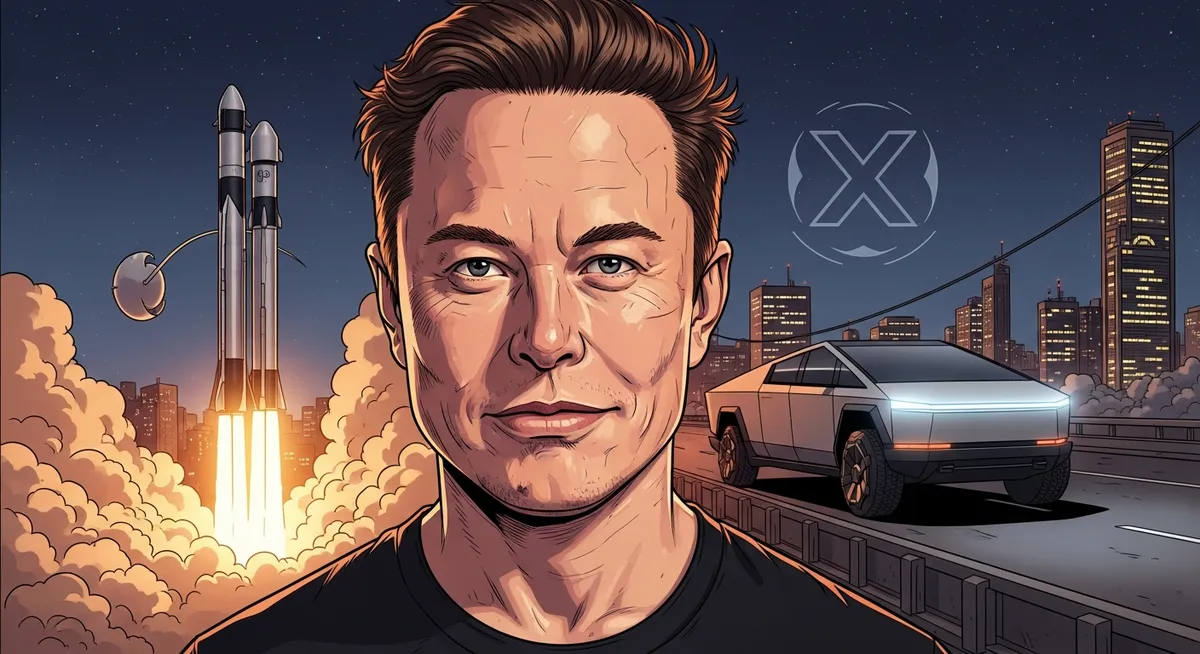
As of 2026, Elon Musk is 54 years old. He’s simultaneously running Tesla, SpaceX, xAI, and Neuralink, owns X, and founded The Boring Company. His net worth pinballs between $200 billion and $400 billion depending on which day you check the stock market. He is, by any measure, the most powerful private citizen on Earth.
His impact across multiple industries is not debatable — you can love him or hate him, but you can’t pretend he didn’t change things:
- Electric vehicles — Tesla proved EVs could be desirable, not just dutiful. Every major automaker now has an EV program. Most of them would privately admit Tesla forced their hand.
- Space — SpaceX cut the cost of reaching orbit by roughly 90%. Falcon 9 is the most-launched rocket in history. Starship, if it works as designed, could put humans on Mars.
- Payments — PayPal fundamentally rewired how money moves online.
- AI — Through xAI and his very loud advocacy about AI risk, Musk has shaped the global conversation about artificial intelligence — even as he builds the very technology he warns could kill us all.
Whether Musk is a visionary genius, a reckless empire-builder, or something far more complicated than either label allows is a question people will argue about for decades. He has the achievements of a civilization-shaping figure and the online behavior of a guy who just discovered 4chan. Both observations are valid. Neither cancels the other out.
But here’s what’s undeniable: a bullied kid from Pretoria, with a terrible father and no connections, taught himself to code on a Commodore VIC-20, emigrated with nothing, showered at the YMCA, got fired from his own company on his honeymoon, watched three rockets explode, nearly went bankrupt twice in the same year, and built multiple companies that changed the trajectory of human civilization.
Whether the trajectory he’s pushing us toward is salvation or disaster is the open question of our time.
That’s a mogul story.
📅 Timeline
| Year | Age | Event |
|---|---|---|
| 1971 | 0 | Born in Pretoria, South Africa |
| 1981 | 10 | Gets first computer (Commodore VIC-20) |
| 1983 | 12 | Sells video game Blastar for ~$500 |
| 1989 | 17 | Moves to Canada |
| 1992 | 21 | Transfers to University of Pennsylvania |
| 1995 | 24 | Drops out of Stanford after 2 days; founds Zip2 |
| 1999 | 27 | Sells Zip2 for $307M; founds X.com |
| 2000 | 28 | X.com merges with Confinity (PayPal) |
| 2002 | 30 | PayPal sold to eBay for $1.5B; founds SpaceX |
| 2004 | 32 | Leads Tesla Series A funding |
| 2006 | 34 | Falcon 1 Flight 1 fails |
| 2008 | 36 | Falcon 1 reaches orbit; Tesla nearly bankrupt |
| 2010 | 38 | Tesla IPO at $17/share |
| 2012 | 40 | Model S launched; Dragon docks with ISS |
| 2017 | 45 | Model 3 launched |
| 2020 | 48 | SpaceX Crew Dragon carries NASA astronauts |
| 2021 | 49 | Tesla reaches $1T valuation; becomes richest person |
| 2022 | 51 | Acquires Twitter for $44B |
| 2023 | 52 | Founds xAI |
| 2024 | 53 | Neuralink first human implant |
💡 Key Insights
- ▸ Musk's pattern is always the same: enter an industry everyone says is impossible, nearly go bankrupt, then emerge dominant. He did it with online payments, electric cars, rockets, and AI — four separate times.
- ▸ The PayPal Mafia didn't just create one company. The culture of extreme ambition that Musk, Thiel, and others built at PayPal spawned YouTube, LinkedIn, Palantir, Yelp, and dozens more. Environment shapes destiny.
- ▸ SpaceX survived because of one single rocket launch. If Falcon 1 Flight 4 had failed, there was no money for Flight 5. The entire future of commercial spaceflight hinged on 9 minutes of flight time.
- ▸ Tesla almost died at least four separate times — in 2008, 2013, 2018, and 2019. Each time, Musk found a way to survive by weeks or days. Resilience isn't a personality trait — it's a decision made repeatedly under extreme pressure.
- ▸ Musk sleeps on factory floors, personally reviews engineering decisions, and works 100+ hour weeks. Whether this is admirable or destructive depends on your perspective — but it's undeniably the engine behind his companies' speed.