Herb Kelleher: The Culture-and-Cost Machine That Made Southwest Different
Herb Kelleher helped turn a Texas legal fight into Southwest Airlines, pairing a low-cost operating system with a culture competitors struggled to copy.

View all stories about this mogul
Herb Kelleher built an airline around subtraction. Fewer aircraft types. Faster turns. Short routes. No inherited class system. The result was not merely cheaper tickets; it was an operating machine in which cost, employee behavior, and customer promise reinforced one another.
Southwest Airlines became one of the most studied businesses in America because rivals could copy individual tactics but struggled to reproduce the whole system.
How did Herb Kelleher fight Southwest into existence?
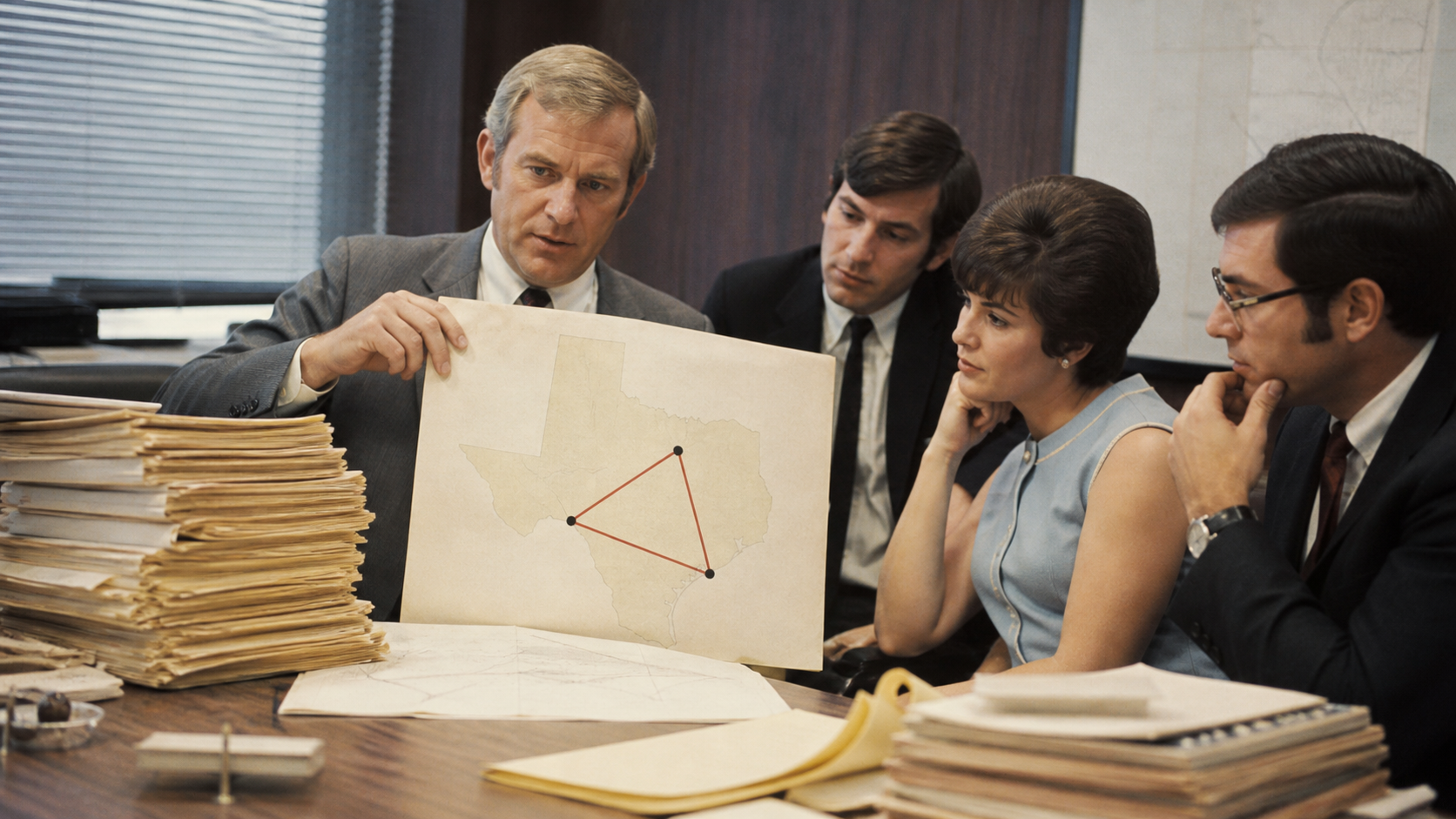
The Southwest story began in 1967 when businessman Rollin King and lawyer Herb Kelleher developed a plan for an intrastate Texas airline linking Dallas, Houston, and San Antonio. Flying within one state offered a route around federal regulation, but established airlines challenged the newcomer in court.
The legal campaign delayed operations for years. Kelleher became the advocate who kept the company alive through appeals. Southwest finally began flying in 1971. Its early route map was tiny and its finances fragile, forcing management to make each aircraft and employee productive.
That constraint shaped the model. Southwest was not a conventional carrier with discounted fares. It was designed around short-haul travelers who might otherwise drive.
| Milestone | Why it mattered |
|---|---|
| 1967 incorporation | The Texas triangle concept becomes a company |
| 1971 first flights | Operations begin after prolonged legal challenges |
| 1970s quick-turn model | Higher aircraft use supports lower fares |
| 1980s expansion | Deregulation opens a larger national opportunity |
| 2001 industry shock | Southwest’s balance sheet and model face a defining test |
Why did Southwest’s low-cost system work?
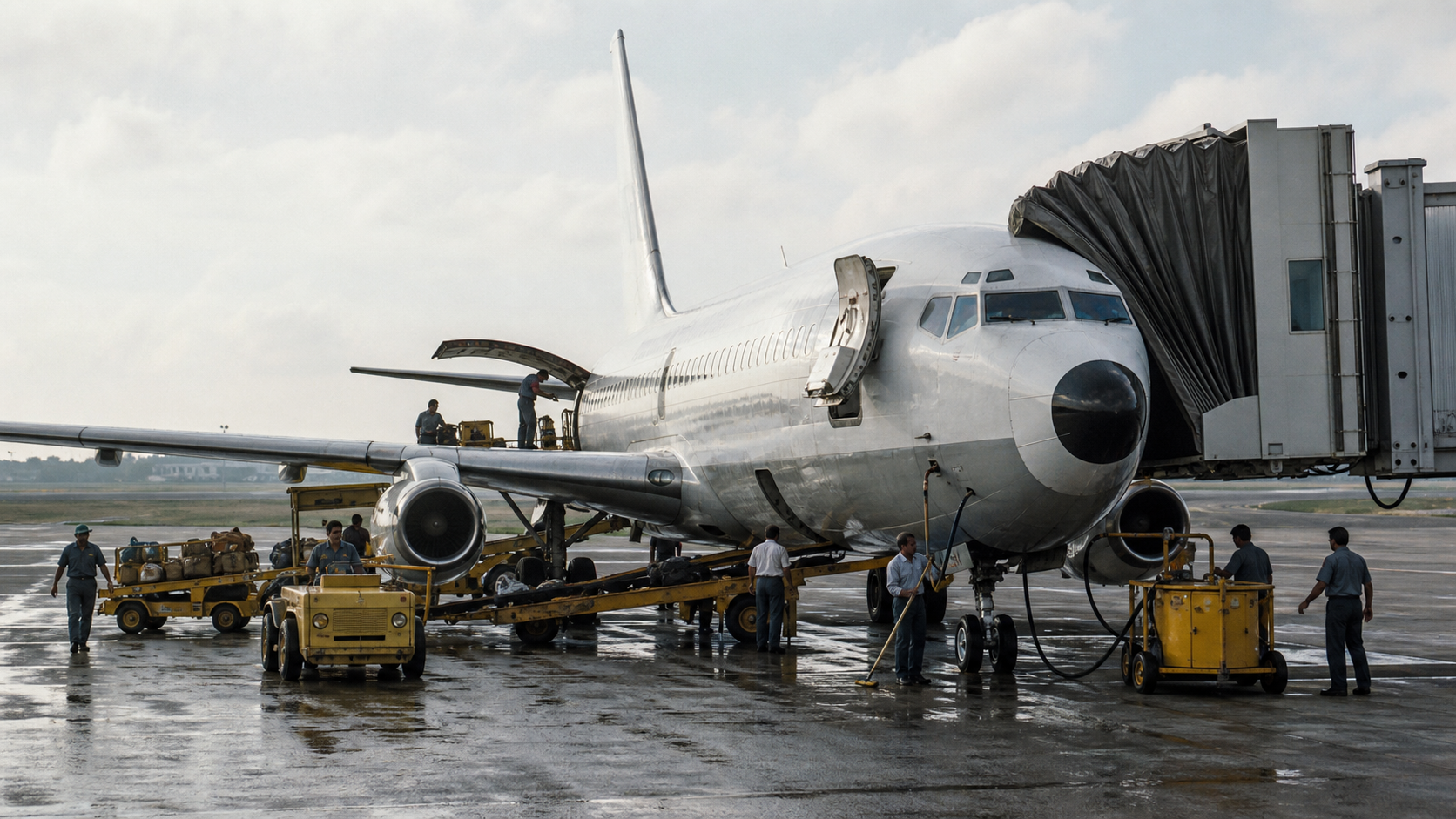
Southwest concentrated on one main aircraft family, the Boeing 737, simplifying training, maintenance, spare parts, and scheduling. Point-to-point routes reduced dependence on complex hubs. Fast turns kept aircraft earning revenue rather than waiting at gates.
Open seating and a simple product reduced friction. Frequent flights made the service practical for business travelers. Low fares stimulated demand, helping fill the capacity created by efficient operations.
Each choice strengthened the others. A rival could copy open seating but gain little if it still ran multiple fleets, long hub connections, and a complicated labor structure. Southwest’s advantage lived in fit across dozens of decisions.
How did Kelleher turn culture into operating leverage?
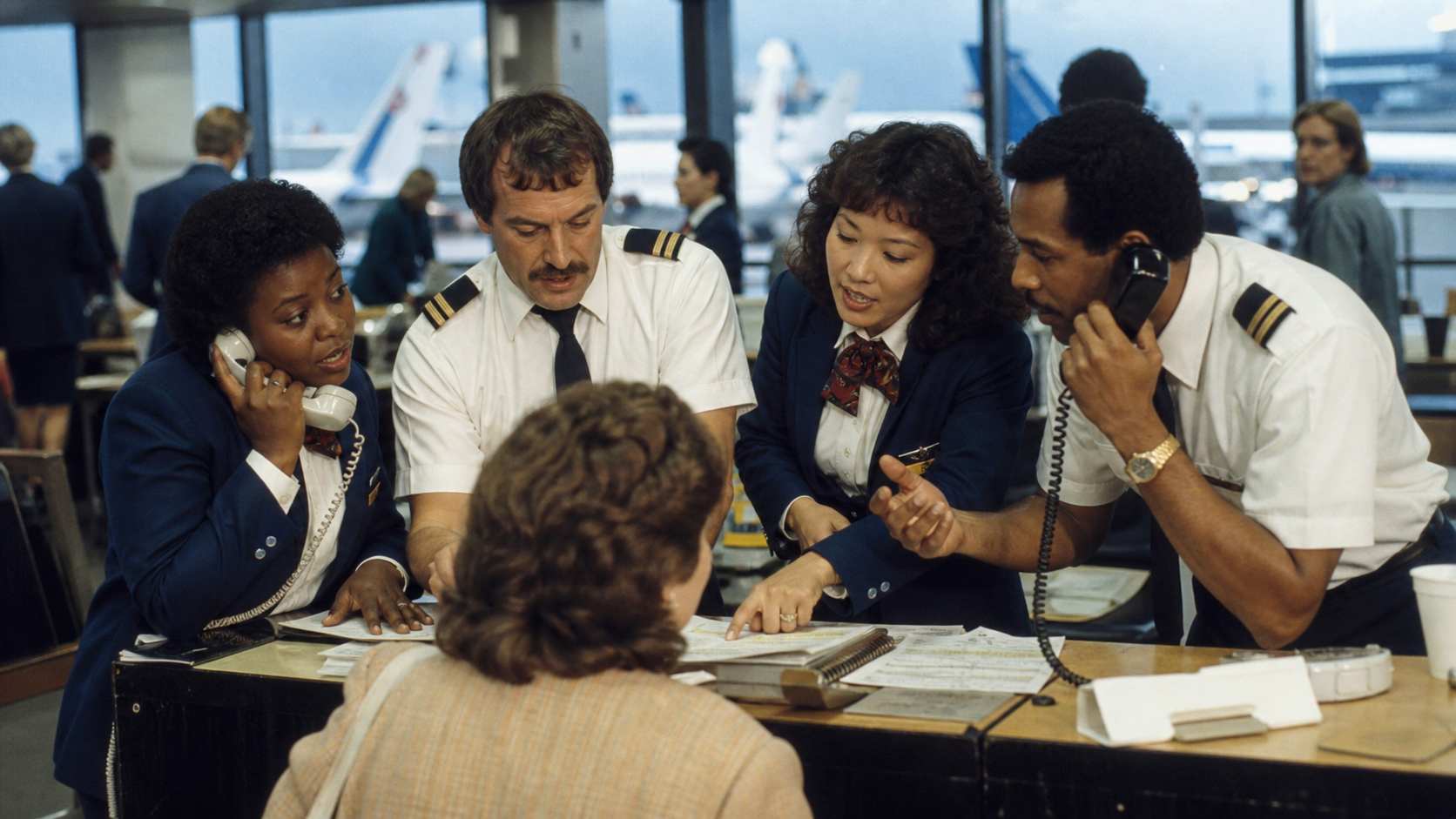
Kelleher argued that employees came first because supported employees would serve customers well, which would reward shareholders. Southwest hired for attitude, celebrated humor, and gave frontline teams room to solve problems.
The fun was visible—costumes, jokes, unconventional safety announcements—but the substance was cooperation. Quick turns require employees to cross narrow job boundaries and help the operation recover. Culture reduced the coordination tax.
Kelleher also cultivated an anti-bureaucratic public persona. That mythology attracted attention, but rituals alone were not the moat. Hiring, profit sharing, labor relationships, promotion, and leaders’ behavior made the values credible.
What did Southwest prove during industry crises?
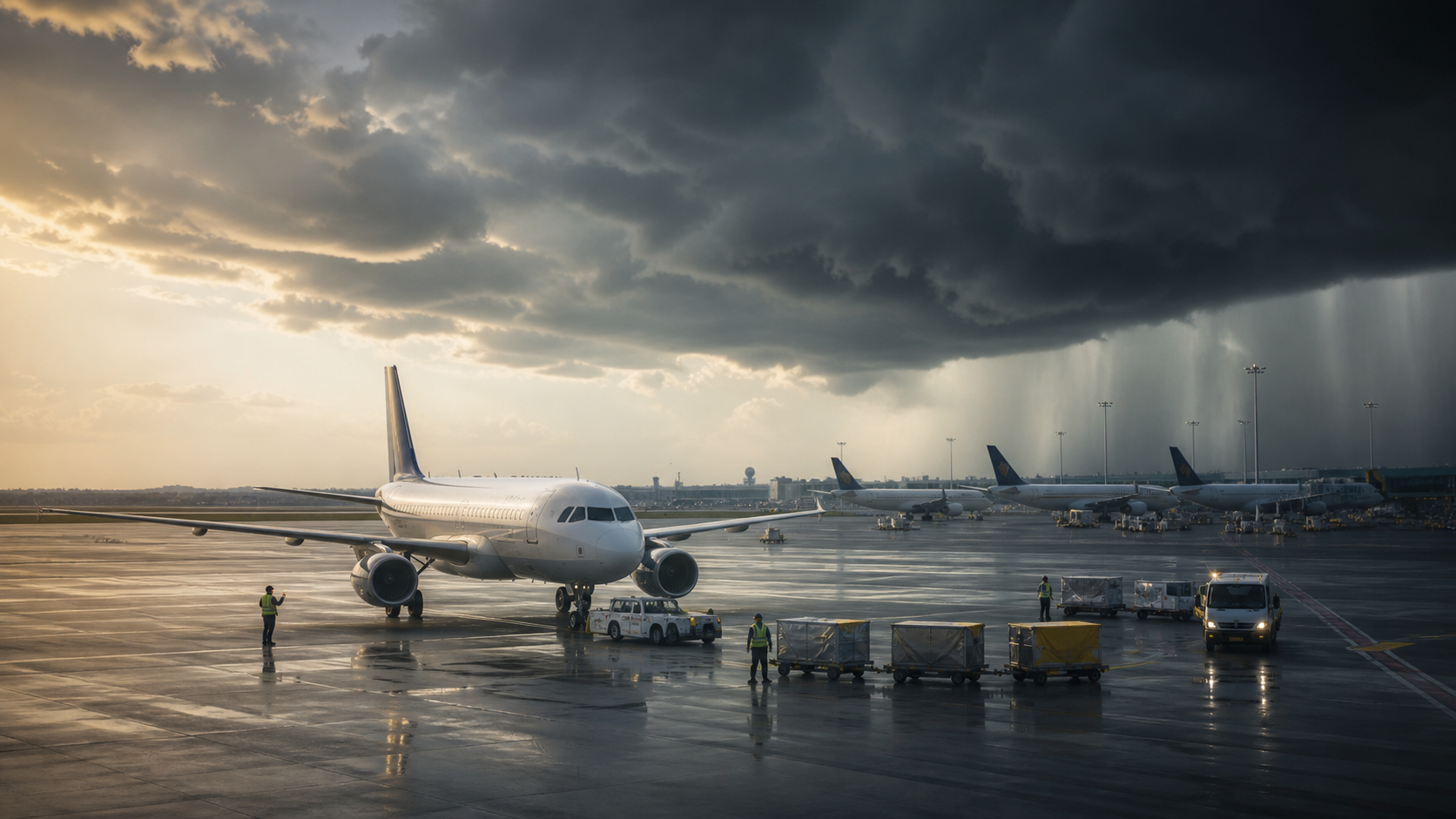
Airlines face fuel shocks, recessions, security crises, and fixed costs that do not disappear when demand falls. Southwest’s historical profitability, conservative financial posture, and comparatively flexible network helped it withstand cycles that forced other carriers through repeated restructurings.
After the September 2001 attacks, the entire industry faced a sudden collapse in demand. Southwest’s ability to avoid mass layoffs became part of its cultural story. The choice preserved experience and trust, although it also reflected years of financial preparation rather than sentiment alone.
Later challenges showed that no system stays invincible. Scale, technology debt, changing customer expectations, and operational disruptions tested the simplicity that once looked effortless.
What is Herb Kelleher’s lasting business lesson?
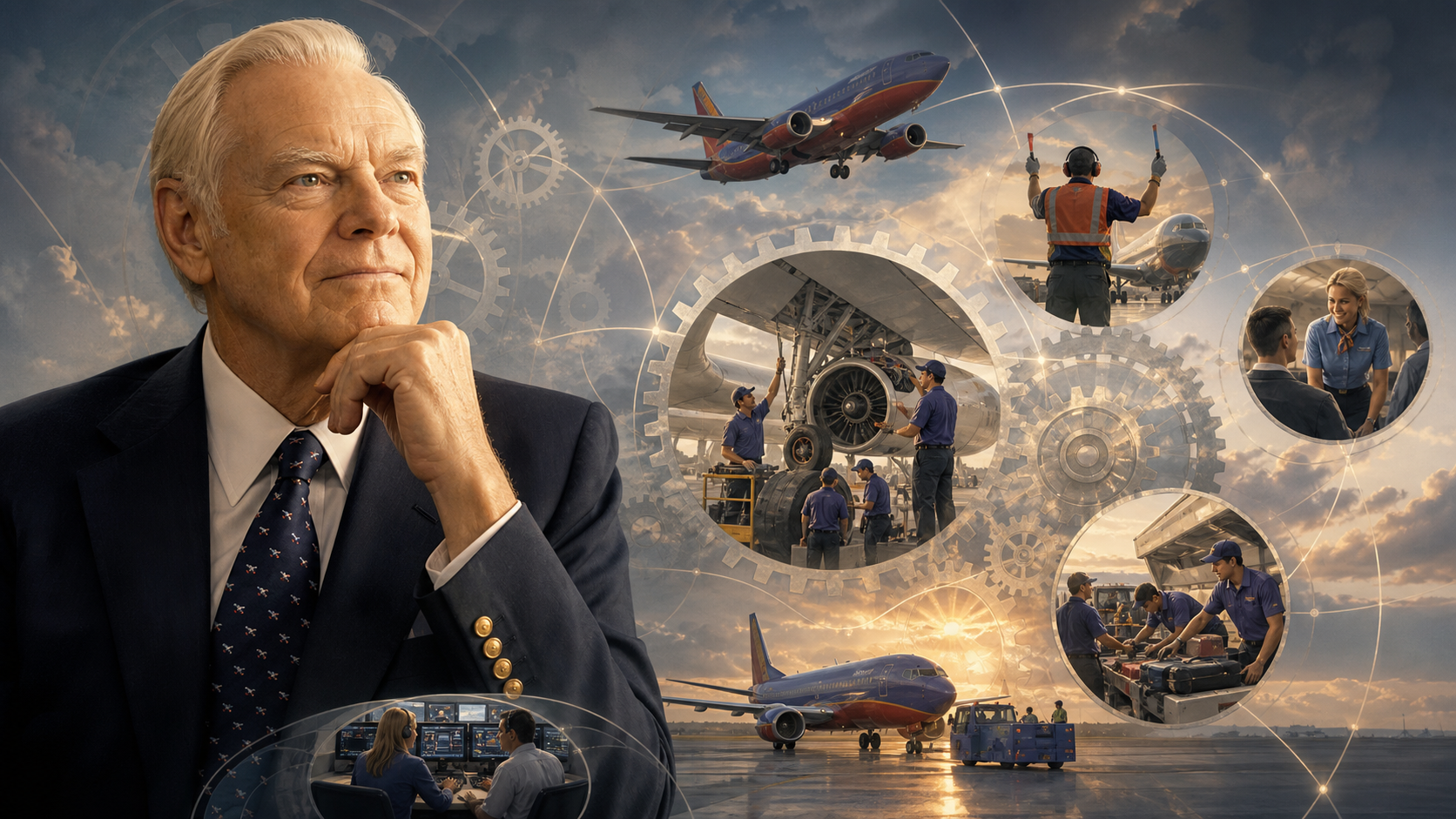
Kelleher’s lesson is not to make employees tell jokes. It is to choose a customer promise, build an operating model that can afford it, and align people practices with the work.
Southwest made low fares durable because simplicity drove utilization, utilization lowered cost, low cost expanded demand, and culture helped the machine recover under pressure.
What was Herb Kelleher’s net worth?
Public estimates varied and were not authoritative. His wealth was tied largely to his long leadership and ownership relationship with Southwest.
Did Herb Kelleher found Southwest alone?
No. The company was conceived with Rollin King, and many early employees and executives built the operating model. Kelleher was the crucial lawyer, executive, and cultural figure.
Why did Southwest use one aircraft type?
Fleet commonality simplified training, maintenance, scheduling, and parts, supporting lower costs and faster operations.
Can airlines still copy the Southwest model?
They can copy tactics. Reproducing the full system is harder because routes, labor agreements, technology, fleet, brand, and organizational habits interact.
💡 Key Insights
- ▸ A low-cost strategy works when every operating choice reinforces the same system.
- ▸ Culture becomes a moat only when hiring, incentives, and frontline authority make it operational.
- ▸ Simplicity can outperform premium complexity, but incumbents must keep renewing the system.
- ▸ A famous founder's playbook can become mythology unless later leaders adapt it to new constraints.