Jared Kushner: The Real Estate Heir Who Became the Most Powerful Son-in-Law in American History
He inherited a real estate empire, married into the Trump family, became a senior White House advisor with zero political experience, and emerged with a $2 billion Saudi investment fund. The story of how proximity to power creates its own kind of wealth.
View all stories about this mogul
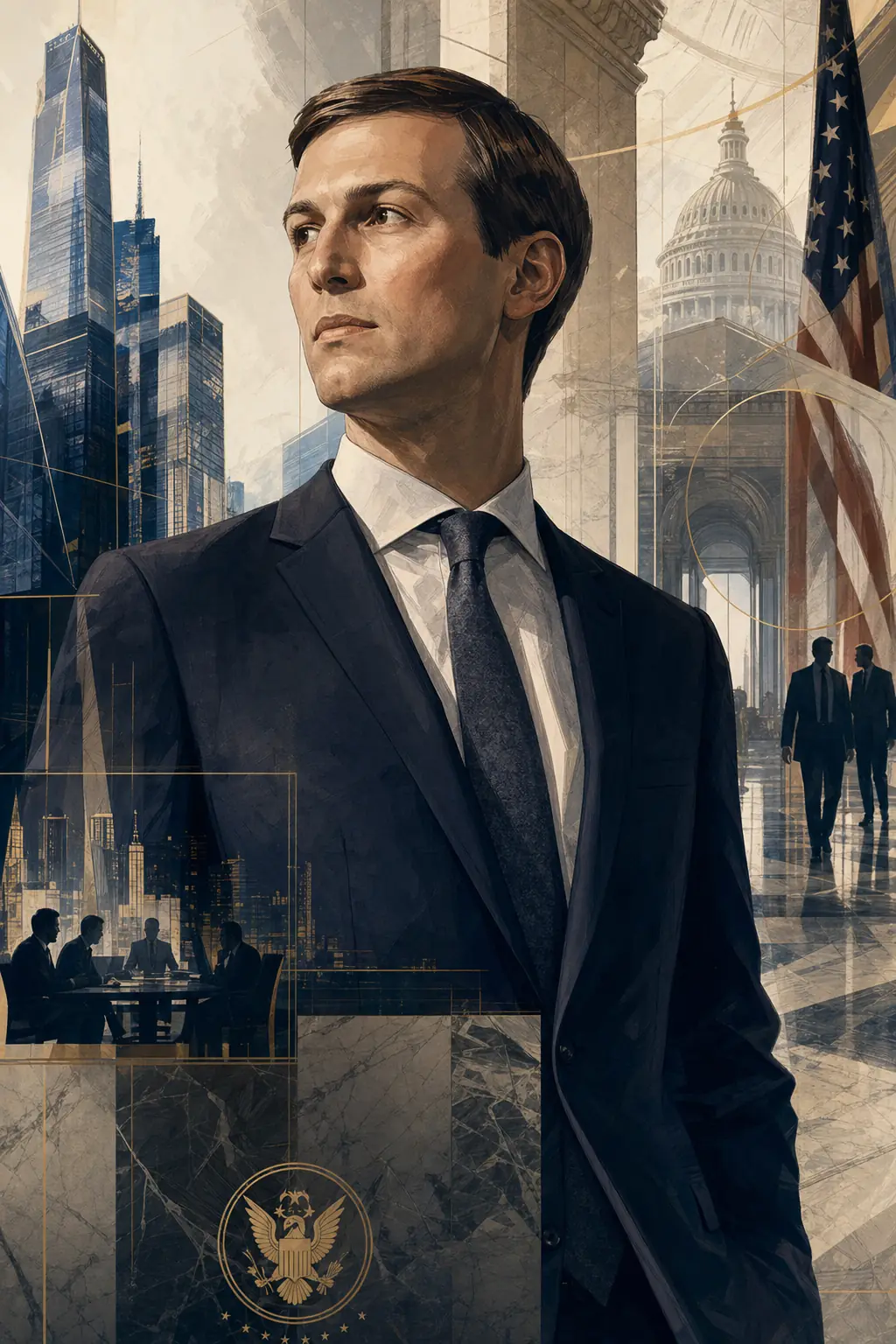
Jared Kushner is the most consequential son-in-law in American political history. With no government experience, no policy expertise, and no electoral mandate, he became one of the most powerful people in the White House — tasked with brokering Middle East peace, managing the US-Mexico relationship, modernizing government, and coordinating the COVID-19 response. His portfolio was absurdly broad, his qualifications were essentially nonexistent, and his results were — depending on your politics — either surprisingly impressive or predictably inadequate. What’s indisputable is that Kushner leveraged proximity to presidential power into a post-White House investment empire funded by the same foreign governments he had dealt with as a government official. It’s a story about power, access, and the blurry line between public service and personal enrichment.
Chapter 1: The Kushner Dynasty — Real Estate and Crime (1949–2005)

The Kushner real estate empire was built by Charles Kushner, Jared’s father, a Holocaust survivor’s son who grew a small New Jersey apartment business into one of the largest real estate portfolios in the metropolitan area. By the early 2000s, Kushner Companies owned over 25,000 apartments, extensive commercial properties, and was one of the most powerful developers in New Jersey.
Charles Kushner was also a major political donor, particularly to the Democratic Party. His political connections helped grease the wheels of New Jersey’s notoriously developer-friendly political environment. But in 2004, everything collapsed. Charles was investigated by federal prosecutors — led by then-US Attorney Chris Christie — for tax evasion, illegal campaign contributions, and witness tampering.
The witness tampering charge was particularly sordid. Charles had hired a prostitute to seduce his brother-in-law, who was cooperating with federal investigators, then sent the secretly recorded encounter to his own sister. It was a scheme so outrageously vindictive that even hardened prosecutors were shocked. Charles pleaded guilty and was sentenced to two years in federal prison. The experience scarred the family and, according to multiple accounts, instilled in Jared a deep distrust of government prosecutors and the political establishment.
Chapter 2: Harvard, the Observer, and the First Deal (2003–2007)
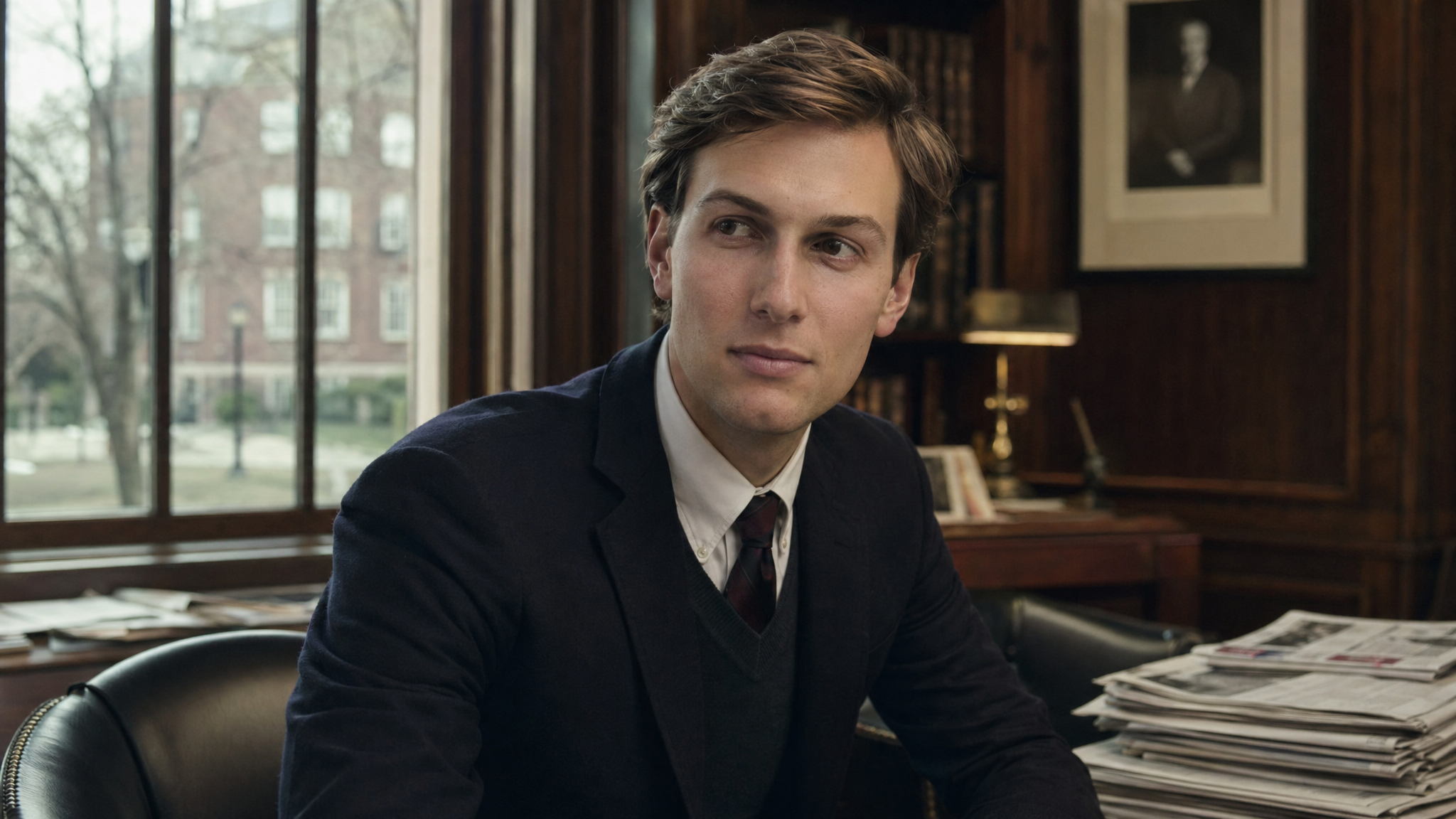
Jared Kushner attended Harvard University, a fact that became controversial when reports emerged that Charles Kushner had donated $2.5 million to the university shortly before Jared’s admission. Officials at Jared’s prep school reportedly expressed surprise at the acceptance, suggesting his grades and test scores didn’t meet Harvard’s typical standards. The implication — that the admission was purchased — has never been definitively proven but has never been convincingly refuted.
At Harvard, Kushner studied sociology and then attended NYU for both a law degree and an MBA simultaneously. He was smart and hardworking, but his academic credentials always carried the asterisk of his father’s donation. After graduation, he joined Kushner Companies and quickly took on a leading role, particularly after his father’s imprisonment required someone to manage the business.
In 2006, Kushner purchased the New York Observer, a weekly newspaper known for covering Manhattan’s elite. The $10 million purchase was unusual for a twenty-five-year-old, but it gave Kushner media credibility and a platform in New York’s power circles. The paper’s editorial quality declined under his ownership, but the acquisition served its primary purpose: establishing Kushner as a figure in Manhattan’s business and cultural world.
Chapter 3: 666 Fifth Avenue — The Deal That Nearly Killed the Company (2007)

In January 2007, Kushner Companies purchased 666 Fifth Avenue, a 41-story office tower in Midtown Manhattan, for $1.8 billion. It was the most expensive single-building office transaction in American history at that time. Jared Kushner, at twenty-six, was the deal’s primary advocate and negotiator.
The timing was catastrophic. The purchase occurred at the absolute peak of the pre-financial crisis real estate market. Within eighteen months, the commercial real estate market had collapsed, and the building’s value had plummeted. The $1.2 billion mortgage on the property — which carried onerous terms — became a crushing burden. Kushner Companies scrambled for years to refinance, restructure, and attract new investors.
The 666 Fifth Avenue debacle defined Jared Kushner’s pre-political reputation: a young, privileged executive who had made a reckless deal based on hubris and inexperience. The building became an albatross that consumed management attention and threatened the company’s solvency. It wouldn’t be resolved until 2018, when Brookfield Asset Management signed a 99-year lease that effectively bailed out the Kushner position. The deal’s timing — while Kushner was a senior White House official — raised inevitable questions about whether his government position influenced Brookfield’s decision.
Chapter 4: Ivanka and the Trump Orbit (2007–2016)
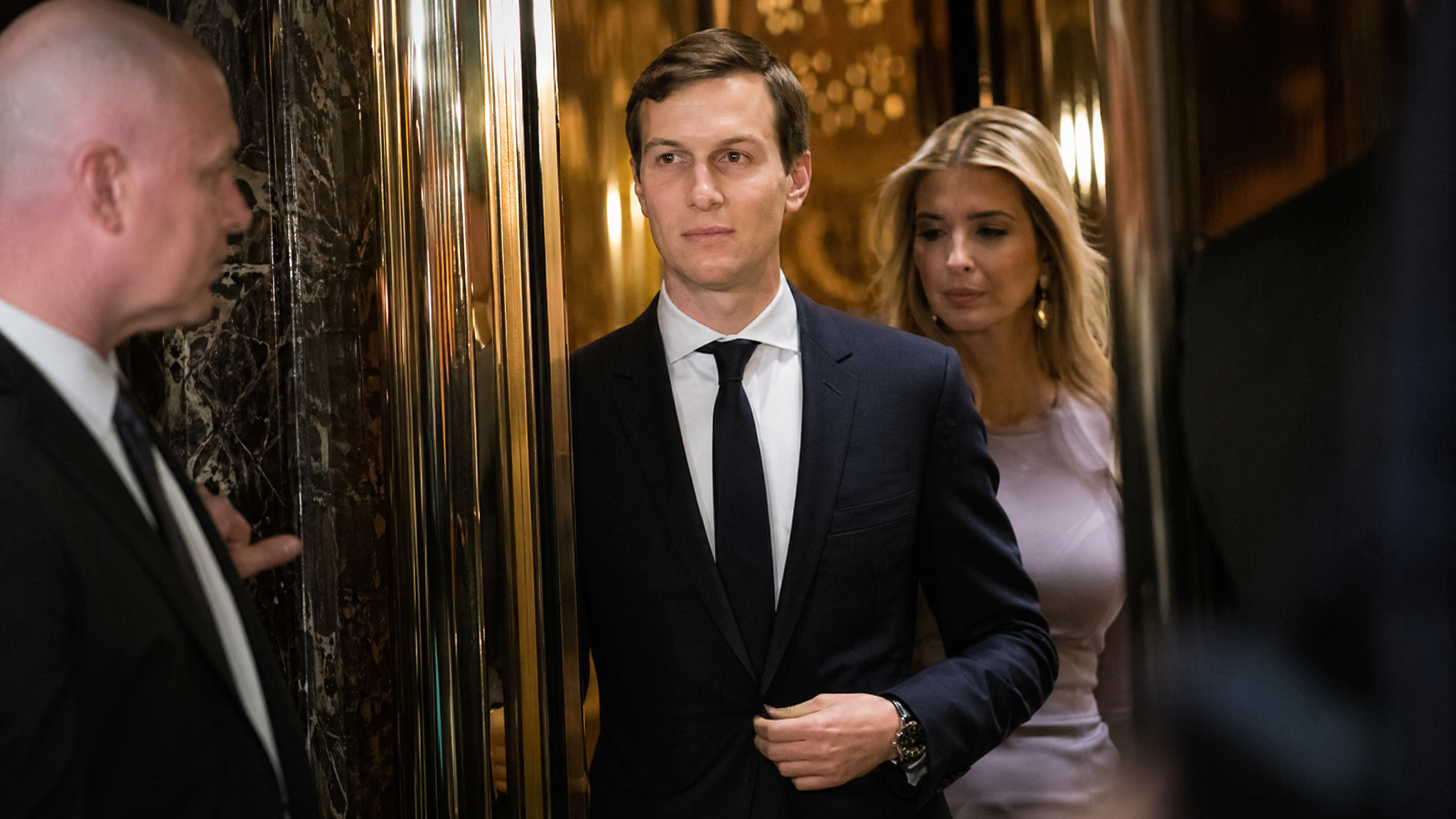
Kushner met Ivanka Trump through mutual friends in 2005. They dated, briefly broke up (reportedly over religious differences — Kushner is Jewish, Ivanka was raised Presbyterian), and reconnected after Ivanka converted to Judaism. They married in 2009. The marriage merged two of New York’s most prominent real estate families and brought Kushner into the orbit of Donald Trump.
Kushner’s relationship with his father-in-law was complex. Trump respected Kushner’s business background and valued his quiet, analytical demeanor — a contrast to Trump’s own bombastic style. As Trump’s political ambitions grew, Kushner became an increasingly important advisor, helping manage the campaign’s digital strategy and serving as a back-channel to media executives and political operatives.
During the 2016 presidential campaign, Kushner played a critical role in building the digital advertising operation that many credit with helping Trump win. He hired Brad Parscale to run the digital team and oversaw a targeted advertising strategy that used Facebook and other platforms to reach persuadable voters in swing states. The digital operation’s effectiveness was a subject of intense debate, but Kushner’s role in it was undeniable.
Chapter 5: Senior Advisor to the President (2017–2021)
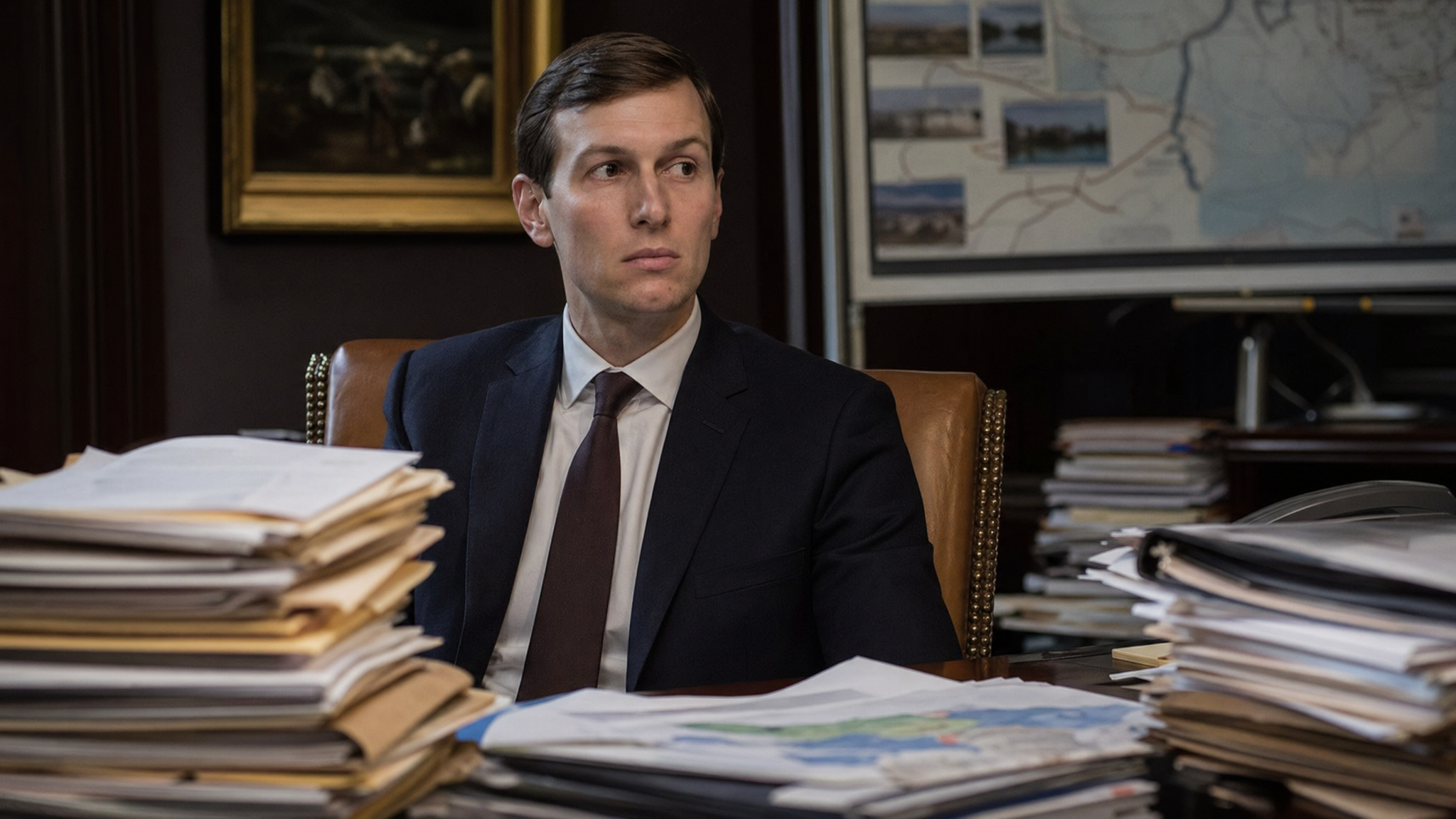
When Trump took office in January 2017, Kushner was appointed Senior Advisor to the President — an unprecedented role for a presidential family member in the modern era. Anti-nepotism laws technically prohibit the appointment of relatives to government positions, but the White House argued that White House staff positions were exempt.
Kushner’s portfolio was staggeringly broad: Middle East peace, US-Mexico relations, criminal justice reform, government technology modernization, the opioid crisis, and trade policy. He had no experience in any of these areas. His qualifications were essentially his relationship to the president, his business background, and his willingness to work long hours.
The breadth of his portfolio invited criticism from both parties. Democrats accused him of rank nepotism. Some Republicans questioned whether an inexperienced thirty-six-year-old was the right person to tackle the most intractable problems in American foreign policy. The criticism was amplified by Kushner’s difficulty obtaining a permanent security clearance — his applications were reportedly flagged multiple times before the president intervened to grant it.
Chapter 6: The Abraham Accords — The Signature Achievement (2020)
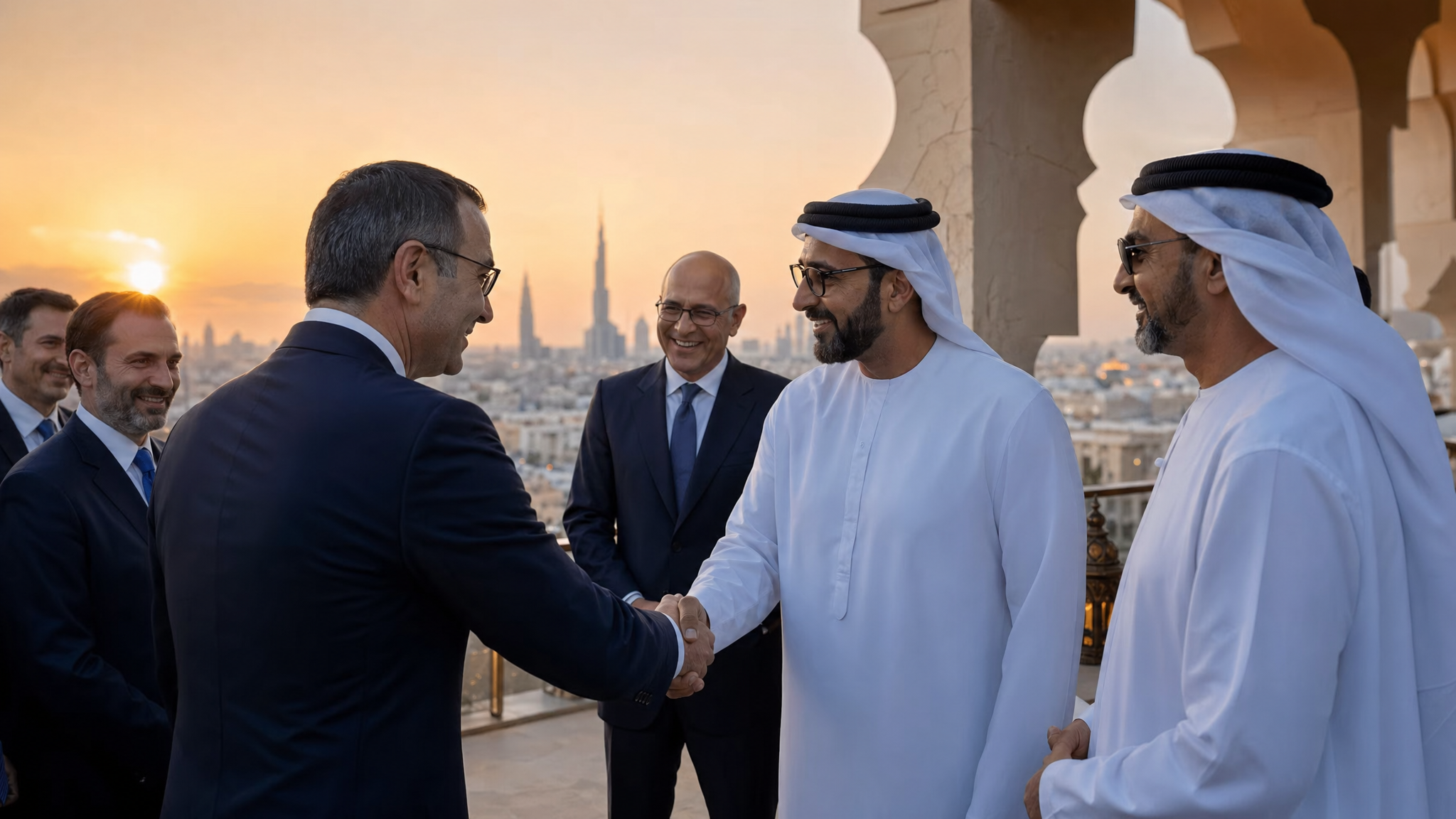
Kushner’s most significant policy achievement was the Abraham Accords, a series of normalization agreements between Israel and several Arab states, including the United Arab Emirates, Bahrain, Sudan, and Morocco. The agreements, announced in August 2020, were a genuine diplomatic breakthrough — the first normalization of relations between Israel and Arab countries since the Israel-Jordan peace treaty of 1994.
Kushner’s approach to Middle East diplomacy was unconventional. He bypassed the traditional State Department process, worked directly with leaders in Israel and the Gulf states, and focused on economic incentives rather than the Israeli-Palestinian peace process that had consumed previous administrations. Critics argued that the accords were possible precisely because they sidelined the Palestinians — the core issue in the conflict. Supporters argued that the accords changed the strategic dynamics of the region in ways that would eventually benefit everyone.
The Abraham Accords were Kushner’s strongest argument that outsider thinking could produce results where conventional diplomacy had failed. Whether the accords represented lasting peace or a strategic alignment of convenience between countries that shared an enemy (Iran) remained a subject of debate.
Chapter 7: COVID Response and the PPE Crisis (2020)

When the COVID-19 pandemic hit in early 2020, Kushner was assigned to help coordinate the federal government’s response, particularly the procurement of personal protective equipment (PPE) and ventilators. His team, composed largely of young volunteers from the private sector, worked alongside FEMA and the Department of Health and Human Services.
The response was widely criticized. A shadow task force run by Kushner’s team reportedly operated in parallel with — and sometimes in conflict with — official government channels. A Vanity Fair report alleged that the team had developed and then abandoned a national testing plan because the pandemic was initially concentrated in blue states, and the political calculation was that it would be better to let state governors take responsibility. Kushner denied this characterization.
The PPE procurement effort was chaotic. States reported competing with the federal government for supplies. Distribution was uneven. The Strategic National Stockpile was depleted. Kushner’s statement that the stockpile was “ours” — meaning the federal government’s, not the states’ — became a lightning rod for criticism about the administration’s pandemic response.
Chapter 8: The Security Clearance Saga (2017–2019)
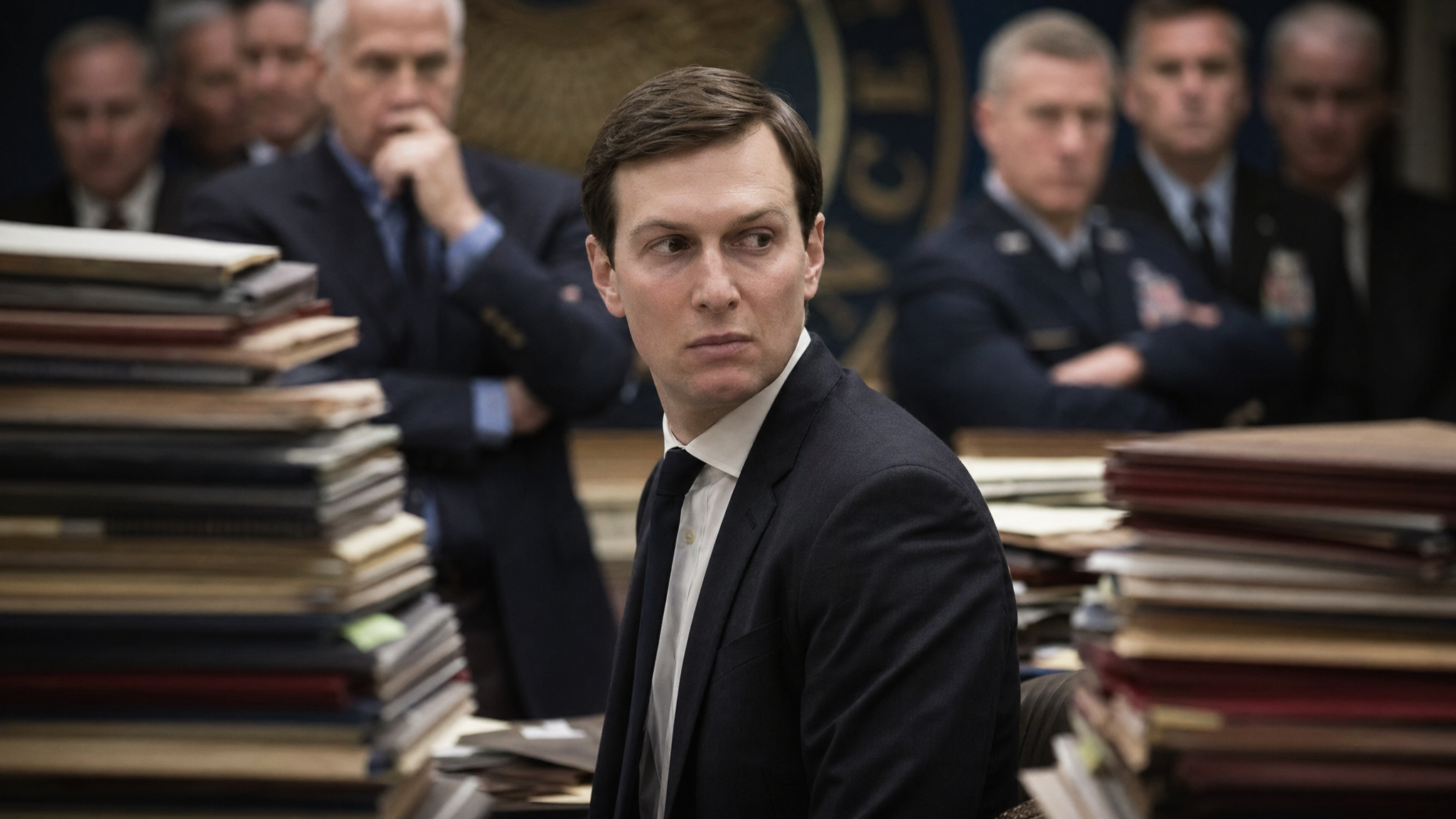
Kushner’s security clearance became one of the most persistent controversies of the Trump administration. His application was reportedly flagged by career intelligence officials due to his foreign business dealings, his contacts with foreign government representatives during the transition, and concerns about his vulnerability to foreign influence.
Despite the flags, Trump ordered that Kushner be granted a top-secret clearance, overruling the recommendations of intelligence professionals. The New York Times reported that at least two White House officials had filed memos expressing concern about the decision. The episode raised serious questions about whether Kushner’s access to classified information was appropriate and whether his business interests created conflicts that intelligence professionals found disqualifying.
Kushner’s foreign contacts were a particular concern. During the transition, he had met with Russia’s ambassador to the US and with the head of a Russian state-owned bank. He had also discussed potential back-channel communications with Russia through Russian diplomatic facilities. These contacts became part of the broader investigation into Russian interference in the 2016 election, though Kushner was never charged with any wrongdoing.
Chapter 9: Affinity Partners — The $2 Billion Saudi Fund (2021–2025)
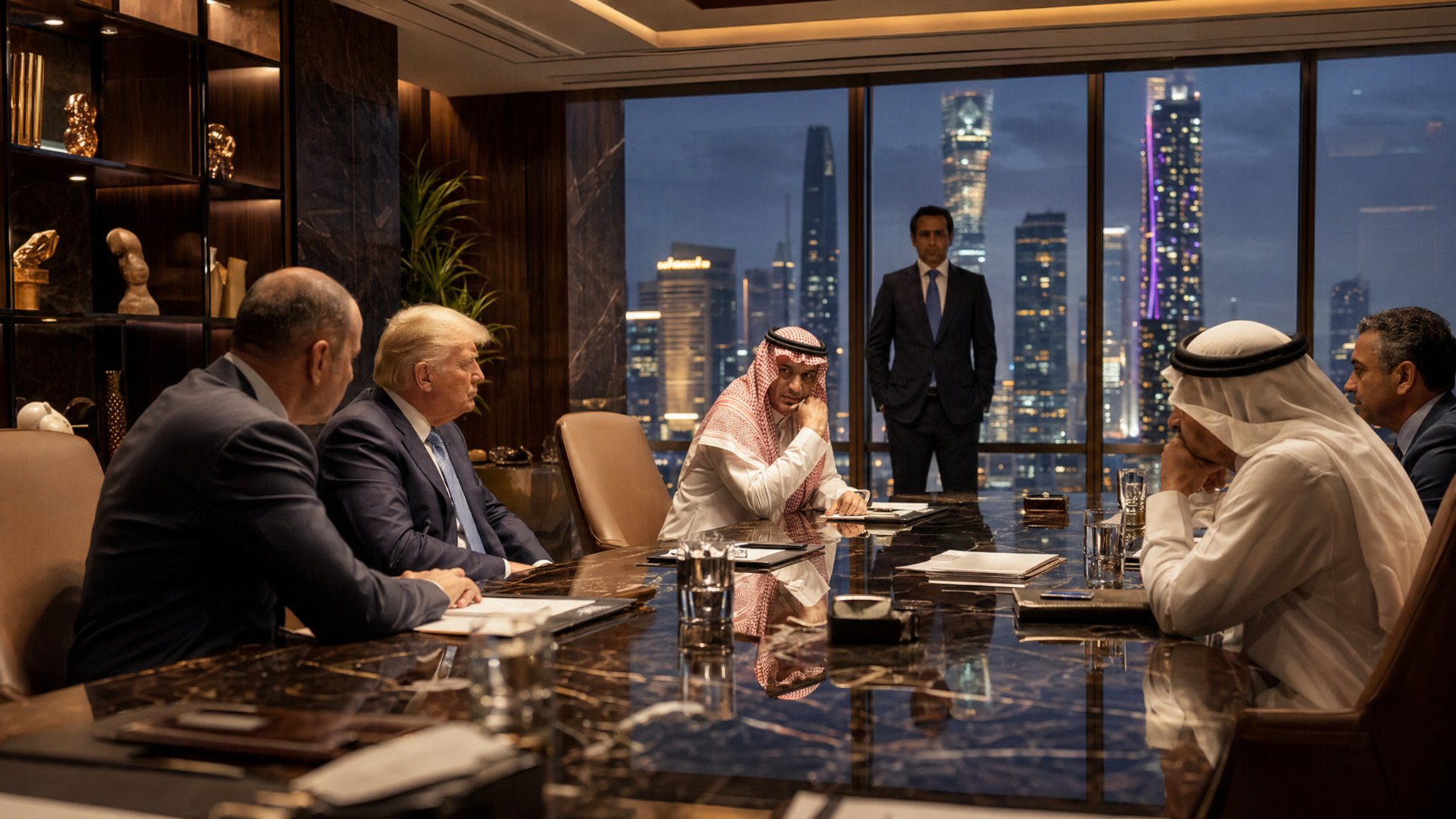
Six months after leaving the White House, Kushner launched Affinity Partners, a private equity firm focused on investments in the Middle East and technology. The firm attracted $2 billion in investment from Saudi Arabia’s Public Investment Fund (PIF) — the sovereign wealth fund controlled by Crown Prince Mohammed bin Salman (MBS).
The investment was immediately controversial. Kushner had cultivated a close relationship with MBS during his time in the White House, and the Saudi government had received favorable treatment from the Trump administration on multiple fronts — arms sales, the response to the Khashoggi murder, and strategic alignment against Iran. An advisory panel within the PIF had recommended against the Affinity investment, citing concerns about Kushner’s inexperience and the fund’s fees, but was overruled.
The $2 billion investment raised the most direct conflict-of-interest questions in modern American politics. Was it a legitimate investment in a fund managed by someone with genuine Middle East expertise? Or was it compensation for political favors delivered during Kushner’s government service? The answer depends entirely on assumptions about Kushner’s motivations and MBS’s intentions — assumptions that are, by their nature, unprovable.
Chapter 10: The Real Estate Empire Continues (2021–2025)

While managing Affinity Partners, Kushner remained involved in Kushner Companies, which continued to acquire and develop properties across the US. The company expanded into Florida, following the broader migration of wealthy New Yorkers to tax-friendly states. Kushner Companies developed luxury properties in Miami and other Florida markets.
The family company’s trajectory illustrated a broader pattern in American real estate: political connections create business advantages that compound over generations. Charles Kushner’s political donations had facilitated development approvals in New Jersey. Jared’s White House service created relationships with foreign governments that funded his post-government investment fund. Each generation’s political activity enhanced the next generation’s business position.
The real estate business also benefited from the perception that Kushner had unique access to both Republican political networks and Middle Eastern sovereign wealth. Whether this perception was accurate or merely useful, it created deal flow and investor interest that a real estate developer without Kushner’s political background would not enjoy.
Chapter 11: The Trump 2024 Campaign and Beyond
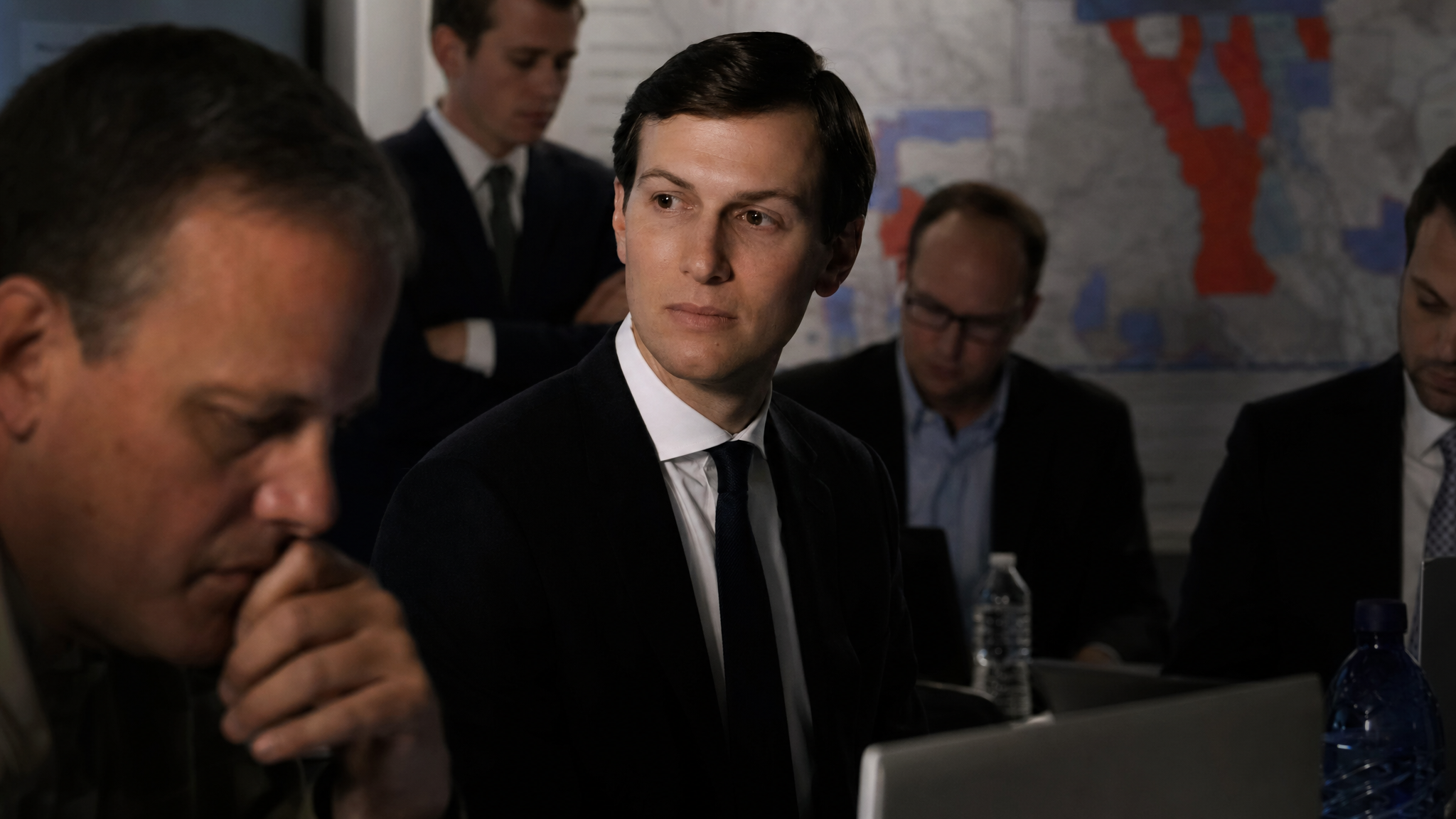
Kushner played a more limited role in Trump’s 2024 presidential campaign compared to 2016, focusing on behind-the-scenes advisory work rather than operational management. His reduced visibility was interpreted variously as a sign of his decreased influence, a strategic decision to avoid the scrutiny that had accompanied his White House role, or simply a reflection of his focus on Affinity Partners.
The 2024 campaign’s success — Trump’s return to the presidency — nevertheless enhanced Kushner’s position. His relationships with Gulf state leaders, his understanding of the political landscape, and his family connection to the president made him one of the most connected people in American politics and business.
Whether Kushner would return to a formal government role, continue building his investment firm, or pursue other ambitions remained an open question. What was clear was that Kushner had established himself as a figure whose influence transcended any single title or position — a permanent fixture at the intersection of American politics, real estate, and Middle Eastern finance.
Chapter 12: Legacy — The Ultimate Insider
Jared Kushner’s legacy is about access. He was born into real estate wealth, married into political power, and converted both into a post-government investment empire funded by foreign sovereign wealth. At every stage, his primary asset wasn’t skill, experience, or vision — it was proximity to power.
The Abraham Accords suggest he was more than just a privileged insider — the diplomatic achievement was real and required genuine strategic thinking. The criminal justice reform he championed, which resulted in the First Step Act, improved the lives of thousands of incarcerated Americans. These accomplishments are not nothing.
But the $2 billion Saudi investment casts a shadow over everything. When a government official who shaped Middle East policy receives billions from a Middle Eastern government within months of leaving office, the public trust is strained regardless of the legal technicalities. Kushner’s defenders say the investment reflects his genuine expertise. His critics say it reflects something far less admirable.
Jared Kushner’s story is ultimately about what happens when the line between public service and private enrichment becomes too blurred to see. Whether he crossed that line — or whether the line simply doesn’t exist at the levels of power where he operates — is the question that will define how history judges the most powerful son-in-law in American history.
💡 Key Insights
- ▸ The 666 Fifth Avenue deal — buying a Manhattan skyscraper for $1.8 billion at the market peak — nearly bankrupted the Kushner companies and defined Jared's pre-political career as a cautionary tale about overreach and hubris in real estate.
- ▸ Kushner's White House portfolio — Middle East peace, criminal justice reform, COVID response, government modernization — was impossibly broad for someone with no government experience. The results were mixed, with the Abraham Accords as the standout achievement.
- ▸ The $2 billion Saudi investment in Kushner's post-White House fund raises the most direct conflict-of-interest questions in modern American politics. Whether it was a legitimate investment or compensation for political favors depends entirely on who you ask.