Jim Koch: The Family Recipe That Helped Build America's Craft Beer Market
Jim Koch carried a family recipe from his kitchen to bars across America, then learned how hard it is to keep an insurgent brand young.
View all stories about this mogul
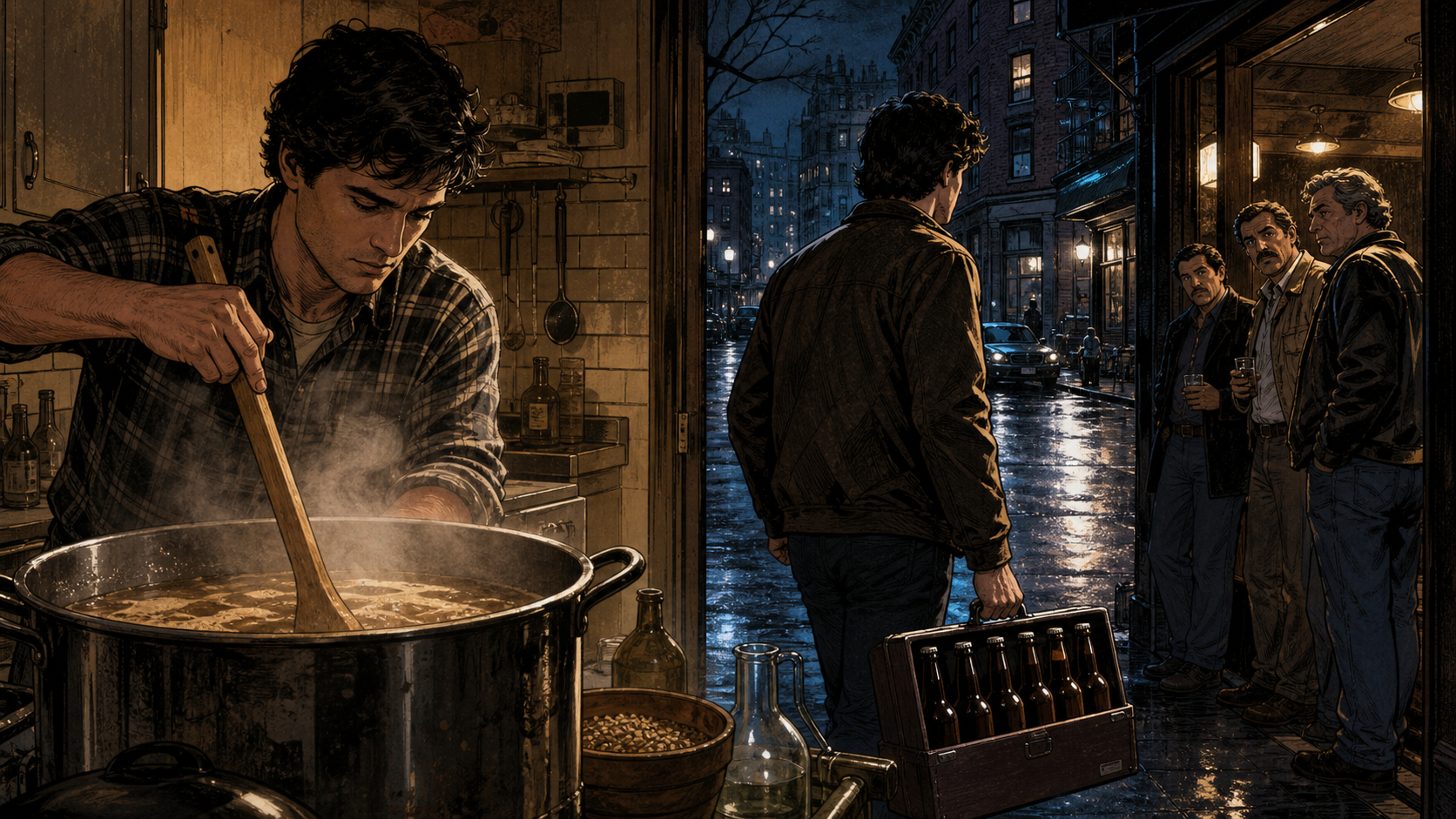
Jim Koch built a national beer company by walking into bars with bottles in a briefcase.
In 1984, American beer looked consolidated and predictable. Large brewers dominated shelves and taps. Koch, a Harvard-trained consultant from a brewing family, believed drinkers would pay for fuller flavor and a story rooted in craft. He found an old family recipe and named the beer Samuel Adams Boston Lager.
The romance is easy to tell: sixth-generation brewer revives a recipe. The business was harder. Koch had to secure production without owning a major brewery, persuade distributors to carry an unknown label, teach bartenders how to sell it, and protect quality across a growing network.
How Did a Family Recipe Become a National Brand?
Koch’s father initially warned him away from brewing because the family had watched regional breweries disappear. Scale favored national players. Koch saw a different opening: educated consumers were developing an appetite for distinctive food and drink, while imported beers proved that premium pricing was possible.
He did not wait for an advertising campaign. Koch sold personally, visiting bars and explaining the liquid, ingredients, and brewing tradition. That founder-led education mattered because craft beer was not yet a familiar shelf category. The product required a vocabulary before it could command a premium.
Samuel Adams won recognition at beer festivals and grew beyond Boston. The brand offered consumers local identity even as distribution expanded nationally. Its historical name supplied instant narrative, while Koch’s visible presence made the company feel entrepreneurial rather than manufactured.
The wedge was taste, but the moat depended on distribution. Beer is heavy, regulated, perishable, and mediated by wholesalers and retailers. Boston Beer had to win thousands of small decisions between brewery and glass.
Why Did Asset-Light Brewing Work?
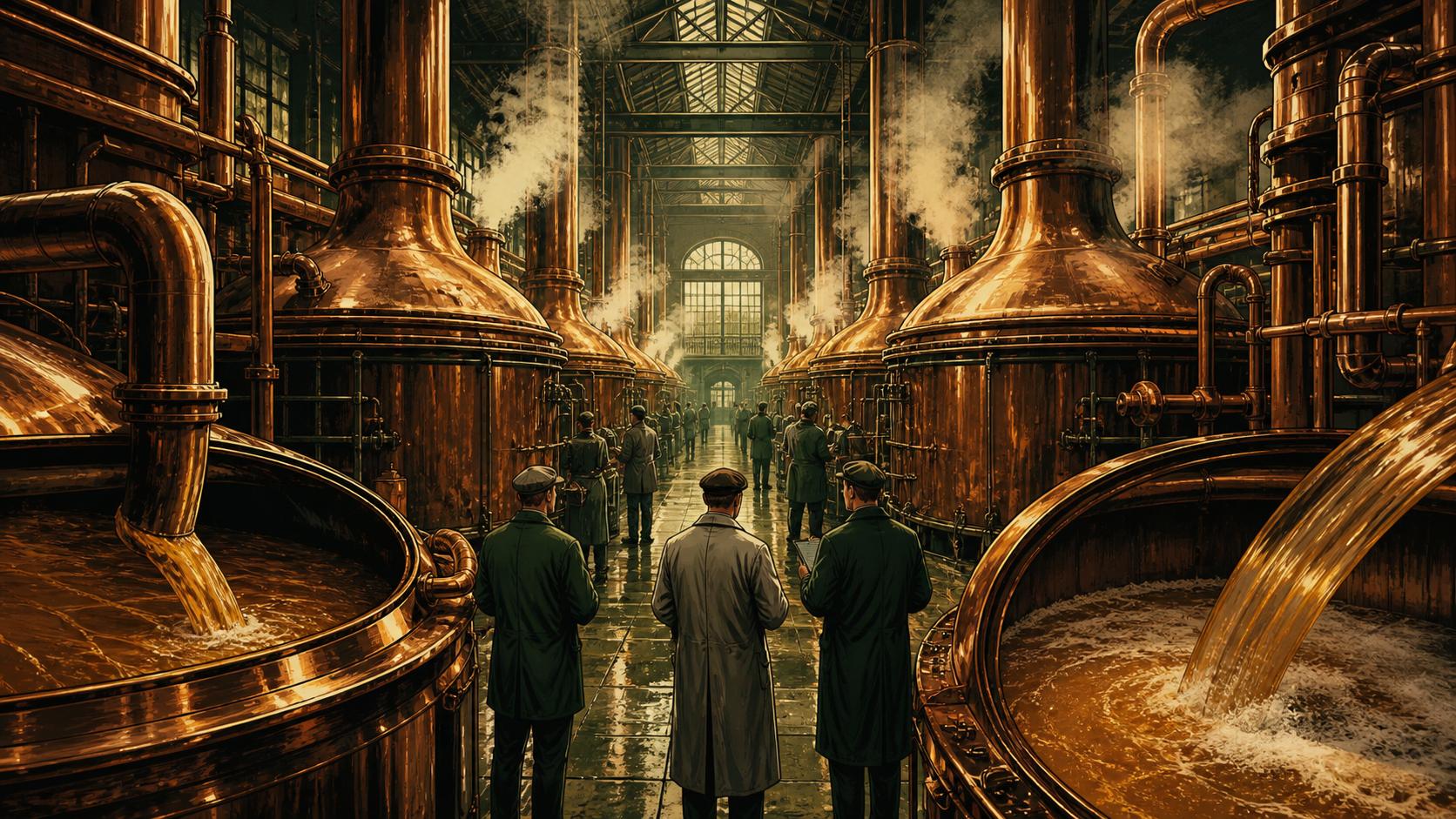
Boston Beer used contract brewing to access capacity without financing a nationwide network of plants. In an industry obsessed with physical authenticity, the model drew criticism. Koch’s answer was that control over ingredients, process, and quality mattered more than owning every tank.
The structure reduced early capital needs and allowed production closer to demand. It also created operational risk: a partner’s equipment, scheduling, or execution could damage the brand. Boston Beer placed people in facilities and specified processes closely.
As the company grew, it invested in its own breweries and capabilities, balancing flexibility with control. The lesson was not that assets are unnecessary. It was that ownership should follow the point where scale, quality, and economics justify it.
Boston Beer went public in 1995, using a customer-oriented offering alongside its market debut. It had become one of the most visible companies in a movement that was changing American drinking culture.
What Happens When the Rebel Becomes the Establishment?

Success changed Boston Beer’s competitive position. Thousands of local breweries emerged, often appearing smaller and more authentic than Samuel Adams. The pioneer risked becoming the establishment within the category it helped create.
The company diversified. Angry Orchard built a major cider position. Twisted Tea became a durable flavored-malt brand. The merger with Dogfish Head added another respected craft name. Truly hard seltzer surged during the category’s boom and then exposed the danger of forecasting a fast-moving craze.
Portfolio expansion spread risk but complicated identity. A company known for lager now competed across beer, cider, hard tea, and seltzer. Retailers allocate limited shelf space; wholesalers prioritize velocity. Every new brand needs attention, and yesterday’s growth engine can become excess inventory with surprising speed.
Koch’s long control helped preserve a brewing culture, but public markets still demanded adaptation. The central challenge became institutional: how can a company remain curious and fast after its original insurgency has become history?
The Real Lesson

Koch did more than sell beer. He helped prove that a premium American brewer could build national demand against consolidated giants. His early advantage combined product conviction, direct selling, a memorable story, and a capital model suited to uncertainty.
The later decades are equally instructive. Categories mature. Consumers fragment. The successful challenger gains overhead, channels, and legacy products that make sudden turns harder. Diversification can renew growth, but it can also move the company far from the identity that earned trust.
The real lesson is that authenticity is not a permanent status conferred by a founder story. It must be renewed through product quality, honest positioning, and the willingness to change operations without pretending the market has stood still.
Jim Koch helped open the door for American craft beer. His harder legacy is the continuing attempt to keep a company entrepreneurial after the revolution it joined became an industry.
💡 Key Insights
- ▸ Founder-led selling can create a category before conventional distribution believes in it.
- ▸ Contract production can conserve capital when quality control remains uncompromising.
- ▸ Category leadership eventually turns an insurgent into an incumbent with different risks.
- ▸ Brand portfolios hedge changing tastes but can blur the identity that created trust.