Kathy Ireland: How a Modeling Career Became a Brand-Licensing Empire
Kathy Ireland used fame as initial distribution, then built a licensing system around practical products, retail partners, and relentless protection of consumer trust.

View all stories about this mogul
Kathy Ireland’s most important business move was not becoming famous. It was recognizing that fame was a wasting asset—and converting it into a system before the attention moved on.
Ireland became one of the most recognizable models of her era. Yet the company associated with her name grew through a very different craft: licensing. Rather than manufacture every sofa, rug, mattress, or household product itself, kathy ireland Worldwide built a brand promise and partnered with companies that knew how to design, produce, and distribute specific categories.
That model can look effortless because the celebrity’s name remains visible while factories, logistics, retail negotiations, and inventory risk sit elsewhere. In reality, licensing only compounds when the name stands for something more durable than recognition.
Why did Ireland move from the camera to practical products?
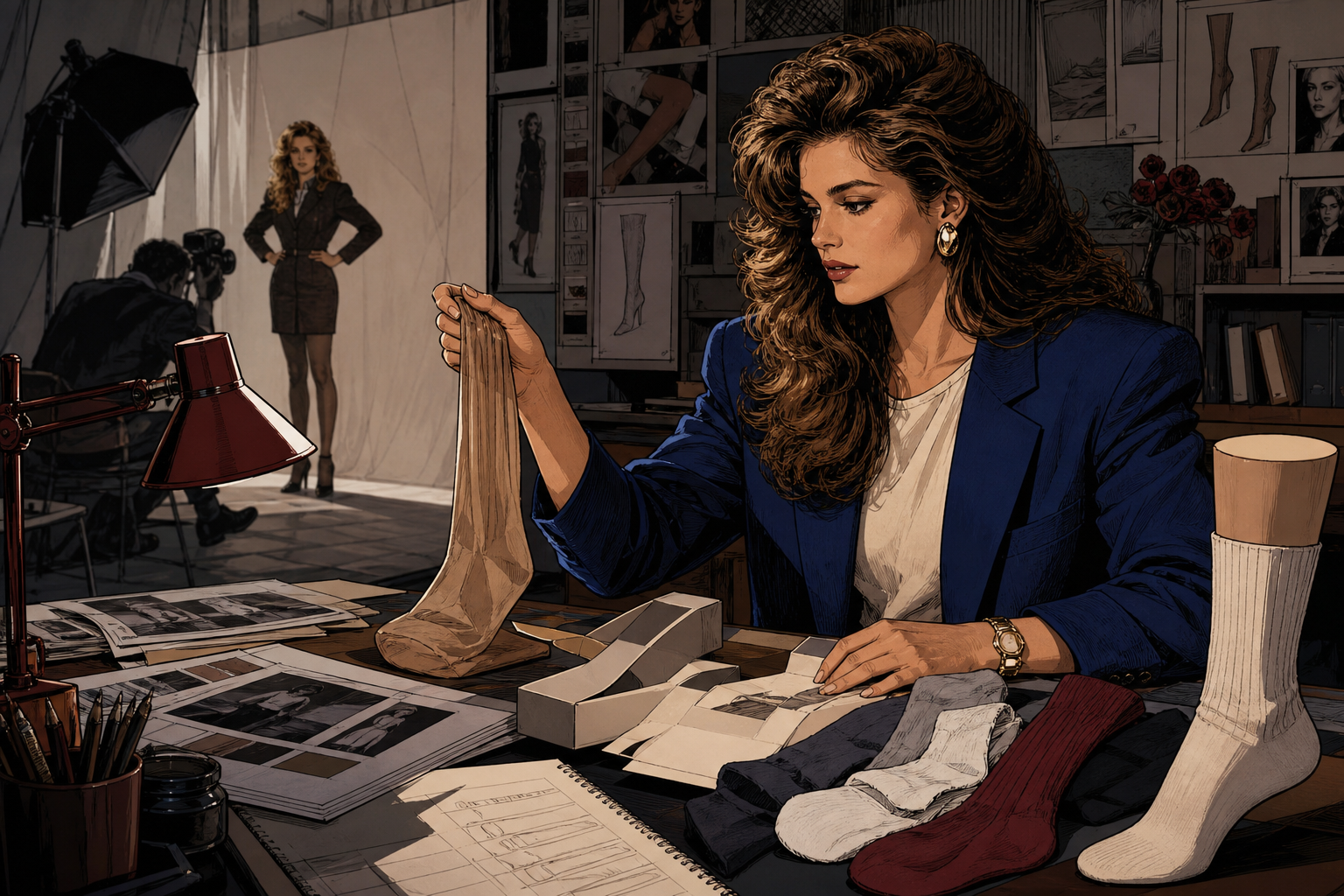
Modeling gave Ireland income and extraordinary exposure, but it did not guarantee control. A model is usually hired for someone else’s campaign, under someone else’s timetable, to advance someone else’s brand. Careers can be short, and even global visibility can vanish without an asset that continues earning afterward.
Ireland began exploring products while still known primarily for modeling. One early commercial bridge was socks—a mundane category that forced the proposition to stand on usefulness rather than glamour. Public accounts often highlight the success of her relationship with Kmart as the business expanded.
The choice of practical products mattered. Household purchases are made repeatedly and judged in daily life. A customer does not keep a chair because a famous person endorsed it; the chair must fit the room, survive use, and justify its price. That reality pushed the brand toward the customer problems of families and homes.
Ireland and her team articulated a mission around finding solutions for families, especially busy mothers. Whether a shopper repeats that language is less important than its internal role: it gives a sprawling licensing portfolio a decision filter. A product category belongs only if the team can explain the problem it solves and the customer it serves.
This was a shift from renting an image to owning a commercial thesis. Ireland’s fame opened meetings and retail doors. Product performance determined whether those doors stayed open.
How does a licensing company scale without owning the factories?

In a licensing agreement, a partner typically manufactures and distributes products while paying for the right to use the brand. The structure can be capital-efficient for the brand owner: it avoids building a factory for every category and lets specialists handle sourcing, safety, inventory, and retail relationships.
But the apparent efficiency moves risk rather than eliminating it. A weak licensee can produce bad quality, miss deliveries, discount recklessly, or enter a category that confuses consumers. The brand owner may not own the defective factory, yet customers attach the failure to the name on the package.
The central operating discipline is therefore partner governance. Category expertise, financial stability, design capability, distribution, compliance, and cultural fit all matter. Contracts establish rights, but ongoing product review protects the relationship. The licensing company must know when to say no, even when adding a category would create short-term royalties.
Retail presence creates another flywheel. A successful category demonstrates consumer demand, which attracts stronger partners. More capable partners improve product and distribution, which makes the brand more valuable to retailers. Broad household visibility then reduces the cost of entering adjacent categories.
The danger is overextension. If every available object receives the name, the brand stops meaning anything. Ireland’s empire illustrates the paradox of licensing: breadth produces economic scale, but coherence produces permission for that breadth.
What are the power and fragility of a name-based empire?

A personal name can unify products faster than a newly invented corporate mark. It brings a human story, existing awareness, and media access. It also concentrates reputational risk. The founder’s conduct, public statements, and quality judgments can affect every licensee at once.
Succession is equally complicated. A factory can change chief executives without changing the label. A company built around an individual must decide whether the founder remains the permanent face, whether a mission can outlive her direct involvement, and how partners will trust standards after leadership changes.
Ireland’s strategic achievement was to make the business less dependent on the original source of fame. Modeling supplied attention, but the organization developed partner relationships, category knowledge, design review, and a repeatable licensing process. Those capabilities are corporate assets even though the founder’s name remains central.
The model is not frictionless. Private-company scale is difficult for outsiders to verify, retail channels change, and licensing portfolios evolve. The durable evidence is the business architecture: specialized partners carry asset-heavy execution while a central organization governs meaning and trust.
The real lesson is that attention becomes an empire only after it is translated into standards. Ireland did not merely place her image on products. She built a system in which each product had to repay the promise made by her name.
💡 Key Insights
- ▸ Celebrity creates awareness; a licensing empire survives only if products satisfy repeat customers.
- ▸ Licensing is capital-light for the brand owner but demands unusually strong partner selection and quality control.
- ▸ A broad brand needs a narrow promise that can guide decisions across unrelated product categories.
- ▸ Name-based businesses concentrate reputational risk even when manufacturing and inventory sit with partners.