The Media Throne: Rupert Murdoch and the Blood Sport of Succession
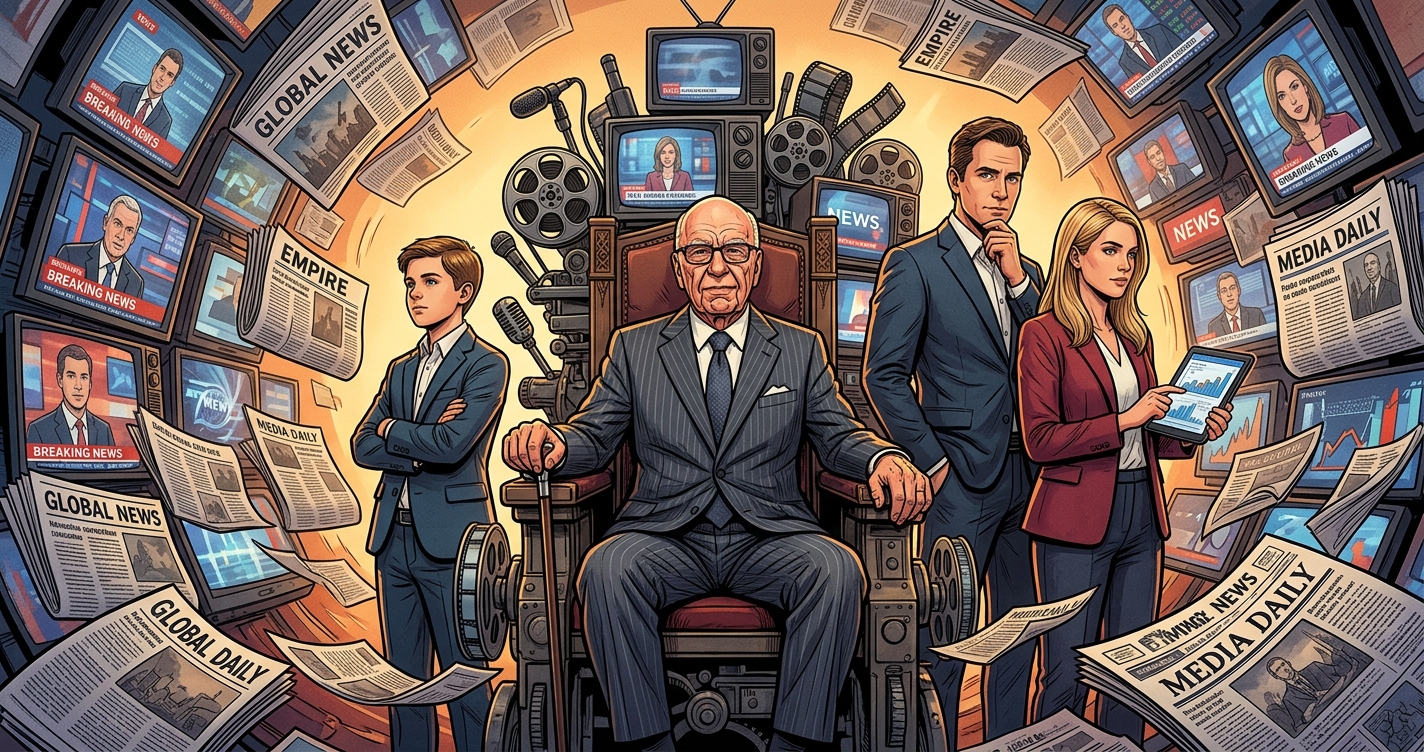
Welcome to the real-life 'Succession,' but with higher stakes, sharper elbows, and a patriarch who makes Logan Roy look like a gentle philanthropist. This is the story of Rupert Murdoch, his sprawling media empire, and the brutal, decades-long family battle for control that has reshaped global media and politics.
View all stories about this mogul
🦅 Prologue: The Shadow of the Patriarch

Picture this: You’re at a dimly lit bar, the clinking of glasses a low hum, and someone leans in, eyes wide, to tell you the most insane business story you’ve ever heard. It’s got all the makings of a Greek tragedy, a Shakespearean drama, and a reality TV show produced by a mad genius. It’s the kind of story that makes HBO’s Succession look like a heartwarming sitcom about a quirky family selling artisanal cheeses. Because for all the fictional intrigue of the Roys, the real-life saga of the Murdoch family makes their on-screen drama feel like a dress rehearsal.
At the heart of it all is a man carved from granite and ambition: Rupert Murdoch. A name that conjures images of newspaper ink, satellite dishes, and political king-making. He didn’t just build a media empire; he willed it into existence, brick by bloody brick, across continents and generations. He bought, he sold, he bullied, he charmed, he outmaneuvered. He was a force of nature, a capitalist Godzilla stomping through the global media landscape, leaving a trail of shattered competitors and unwavering loyalists.
But even a titan like Murdoch couldn’t escape the most ancient and vexing problem of all: who takes the throne when the king finally, inevitably, steps down? And what happens when the king, even in his twilight years, still casts a shadow so long and dark that it smothers any successor’s light?
This isn’t just a story about billions of dollars and vast media holdings. This is a visceral tale of blood, ambition, loyalty, betrayal, and the crushing weight of expectation. It’s about siblings locked in a gladiatorial arena, vying for the approval of a father who demanded absolute fealty and offered only conditional love. It’s about the very soul of a media dynasty, and the profound impact it has had on the way the world consumes news, entertainment, and even its political realities.
So, grab another drink. Settle in. Because this is the real deal. This is the brutal, unvarnished truth of the Murdoch family’s fight for control. And it’s far wilder than anything you’ve seen on TV.
🔥 Chapter 1: The Architect of Empires – Young Rupert’s Roar

Every empire has its origin story, a mythical moment when a spark ignites into an inferno. For the Murdoch empire, that spark was struck not in a gleaming New York skyscraper, but in the dusty, sun-baked landscape of Australia. Our protagonist, Keith Rupert Murdoch, was born in 1931, the only son of Sir Keith Murdoch, a powerful newspaper magnate in his own right. But Rupert, even as a privileged child, was never content to merely inherit. He wanted to build something bigger, something his.
When his father died in 1952, young Rupert, then just 21 and fresh out of Oxford, inherited a modest Adelaide newspaper, The News. Most young men might have seen it as a comfortable sinecure. Rupert saw it as a launching pad. He didn’t just want to run a newspaper; he wanted to own the conversation. He wanted to shape narratives, stir passions, and, above all, win.
He was a whirlwind of restless energy, a journalistic buccaneer with a nose for a good story and an even better deal. He bought struggling papers, infused them with sensationalist headlines and populist appeal, and turned them into cash cows. He understood, implicitly, that news wasn’t just information; it was entertainment, a product to be sold aggressively. His early playbook was simple: find a niche, dominate it, then expand. From Adelaide, he conquered Melbourne, then Sydney. He didn’t just buy newspapers; he bought influence. He bought power.
His methods were often ruthless. Competitors were outmaneuvered, staff were worked relentlessly, and balance sheets were squeezed until they bled profit. He was known for his hands-on approach, famously tearing apart newspaper layouts to demand bolder headlines and more provocative angles. He was a force of nature in the newsroom, a man who saw no distinction between the editorial and the commercial, only the bottom line and the next acquisition.
By the 1960s, Australia was too small for Rupert’s ambition. He set his sights on the venerable, tradition-bound shores of Fleet Street, the beating heart of British journalism. He bought the struggling News of the World in 1969, transforming it into a Sunday tabloid sensation. Then came The Sun, which he famously made into a daily powerhouse with a potent mix of sensationalism, sports, and bare-chested women on Page 3. He democratized news, or some would say, debased it, but there was no denying its popular appeal and profitability.
This was the template for his future conquests: identify undervalued assets, inject them with his unique brand of populist journalism, and watch the profits soar. He was a master of leveraging debt, of seeing potential where others saw only decline. He understood the power of mass media long before the internet made it fashionable. He was a man with a singular vision: to be the most powerful media mogul on the planet. And he was just getting started. The world, and his future children, had no idea what was coming.
🐍 Chapter 2: The Invasion of America – A Global Chess Game Begins
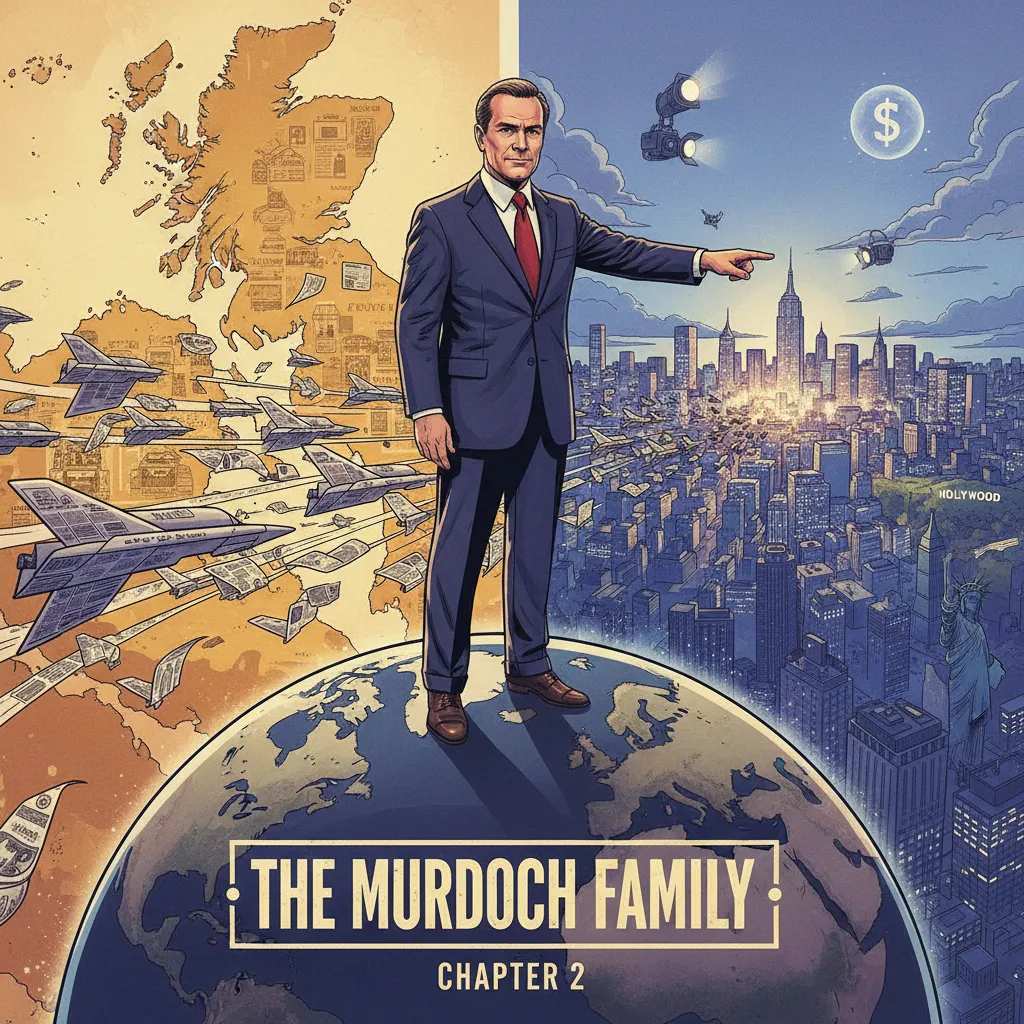
Having conquered Australia and stirred up the staid British press, Rupert Murdoch turned his gaze westward, towards the promised land of America. This wasn’t just another acquisition; it was an invasion. The stakes were higher, the competition fiercer, and the cultural landscape far more complex. But Murdoch, ever the gambler, saw opportunity.
His American odyssey began in 1973 with the purchase of the San Antonio Express-News, quickly followed by the New York Post in 1976. The Post became his American Sun, a vibrant, often controversial tabloid that epitomized his brand of aggressive, attention-grabbing journalism. He reveled in its sensational headlines, its bare-knuckle political commentary, and its ability to stir the pot in the media capital of the world. He was an outsider, an Australian storming the gates of the American establishment, and he loved every minute of it.
But newspapers were just the appetizer. Murdoch had a grander vision: television. He saw the future in broadcasting, in reaching audiences directly in their living rooms. In 1985, he made his audacious move, acquiring 20th Century Fox film studio and a string of independent television stations from Metromedia. This was a pivotal moment, a declaration of intent. He didn’t just want to own content; he wanted to own the distribution.
This move, however, came with a catch. Federal Communications Commission (FCC) rules prohibited foreign ownership of more than 25% of a U.S. broadcast license, and also prevented the ownership of both newspapers and television stations in the same market. To circumvent these restrictions and truly integrate his burgeoning empire, Murdoch made the ultimate commitment: he became a naturalized U.S. citizen in 1985, renouncing his Australian citizenship. It was a pragmatic, calculating decision, shedding a part of his identity to gain an even greater prize.
With his new citizenship, he founded Fox Broadcasting Company in 1986, launching it as the fourth major broadcast network, challenging the long-established dominance of ABC, CBS, and NBC. Many dismissed it as a fool’s errand. How could a scrappy upstart compete with decades of entrenched power? But Murdoch, with his characteristic mix of audacity and shrewd business sense, built Fox into a force. He targeted a younger, edgier demographic, giving shows like The Simpsons and Married… with Children a platform, and later, through shrewd acquisitions of NFL broadcast rights, he elevated Fox Sports into a major player.
This wasn’t just about entertainment. It was about building a powerful platform for influence. Murdoch understood that controlling the flow of information and entertainment gave him an unparalleled leverage point, not just in business, but in politics. He cultivated relationships with political leaders across the spectrum, but increasingly, his empire became associated with conservative voices, a trend that would define its trajectory and the battles within his own family for decades to come.
He was no longer just a newspaper man. He was a global media baron, a kingmaker, a provocateur. And his children, watching from the sidelines, were about to be pulled into his orbit, into the gravity of an empire that was growing exponentially, casting a shadow that would define their entire lives. The chess game had gone global, and Rupert was playing for keeps.
👑 Chapter 3: The Golden Cage – Meet the Royal Heirs (and the Others)
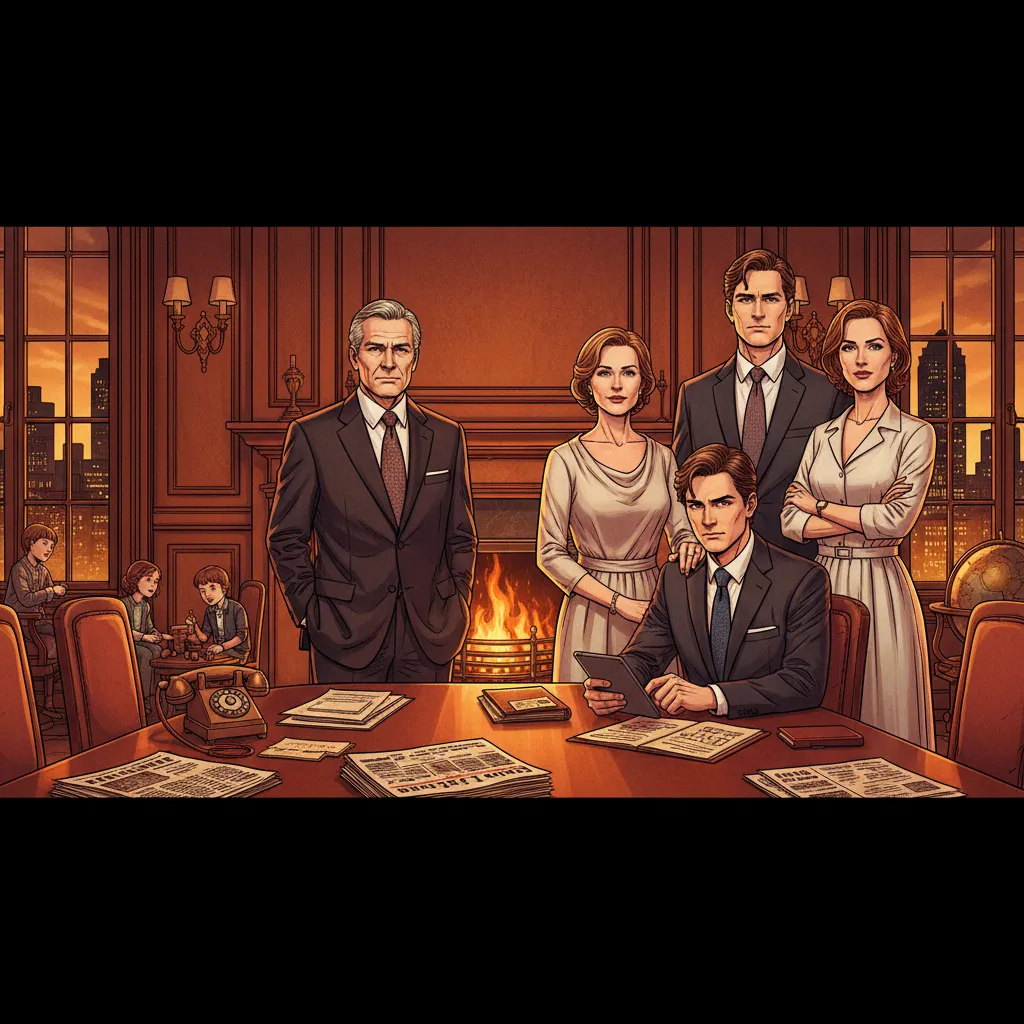
Every king needs an heir, or better yet, several, to ensure the continuity of the dynasty. Rupert Murdoch had six children across three marriages, but it was primarily the three from his second marriage to Anna Maria Torv – Elisabeth, Lachlan, and James – who were groomed, tested, and ultimately pitted against each other for control of the sprawling media kingdom. Then there was Prudence, the eldest from his first marriage, often seen as the “non-contender,” who chose a quieter life away from the cutthroat corporate arena, though she still held a valuable stake. Later, there would be Grace and Chloe, his daughters with Wendi Deng, whose stakes and roles would add another layer of complexity to the family trust.
Imagine growing up in that shadow. Not just any shadow, but the shadow of Rupert Murdoch, a man who ate ambition for breakfast and demanded nothing less than total dedication and brilliance from his offspring. Their childhoods were not normal. Boardrooms were as familiar as playgrounds, and dinner table conversations often revolved around ratings, circulation figures, and political machinations.
Lachlan Murdoch, born in 1971, was often seen as the crown prince, the eldest son, bearing a physical resemblance to his father and, initially, a similar conservative temperament. He was groomed early, sent to Australia to run the family’s newspaper operations there, and quickly rose through the ranks, becoming Deputy Chief Operating Officer of News Corp by 1997. He was the golden boy, the chosen one, seemingly destined to inherit the throne.
Elisabeth Murdoch, born in 1968, was the fiercely independent one. Sharp, intelligent, and driven, she bristled against the patriarchal constraints of the family business. She wanted to prove herself on her own terms, starting her own production company, Shine Group, which she later sold to News Corp, bringing her back into the fold but on her own terms. She was a formidable force, respected for her business acumen, but often seen as too independent, too willing to challenge the old guard.
James Murdoch, born in 1972, was the intellectual, the liberal-leaning outlier. He initially carved out his own path in the music industry before being pulled into the family orbit. He was often seen as the most strategically minded, with a keen understanding of digital trends and a desire to modernize the empire. He climbed the ranks quickly, running Star TV in Asia and later BSkyB in the UK, demonstrating a ruthless streak that surprised many.
Then there was Prudence Murdoch, born in 1958, Rupert’s eldest. She famously told her father she didn’t want to work for him, preferring to live a life outside the corporate pressure cooker. While she held voting shares in the family trust, she largely stayed out of the operational battles, a quiet observer of the epic drama unfolding around her.
This wasn’t a benevolent monarch preparing his children for shared leadership. This was a king, testing his heirs in a series of grueling trials, constantly shifting the goalposts, and subtly, or not so subtly, encouraging rivalry. Rupert believed in Darwinian capitalism, and he applied the same philosophy to his family. Only the strongest, the most ruthless, the most loyal, would survive. The golden cage was indeed golden, filled with unimaginable wealth and privilege, but it was also a prison of expectation, a pressure cooker designed to forge successors or break them. The stage was set for a generational clash that would shake the foundations of one of the world’s most powerful media empires.
💔 Chapter 4: The First Bloodletting – Lachlan’s Exodus and the Shifting Sands
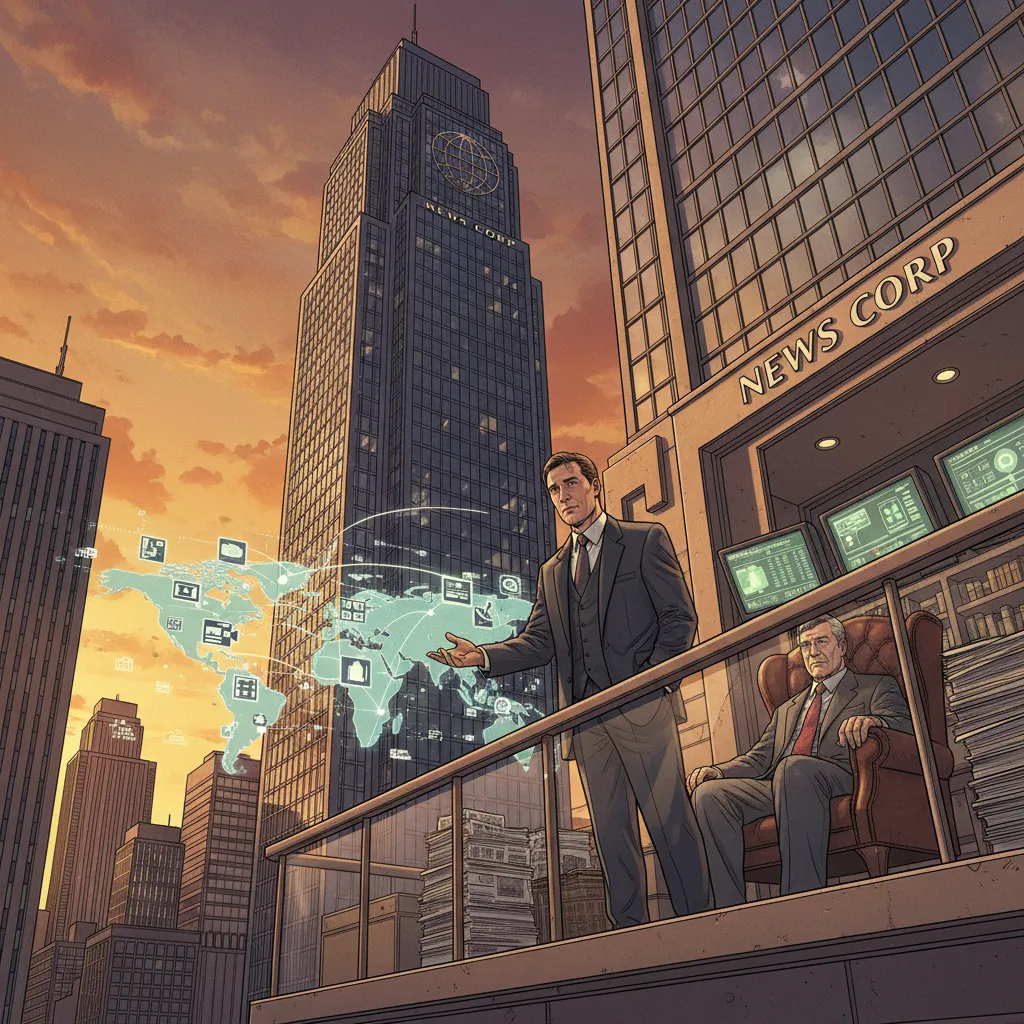
The year is 2005. The scene: a sprawling News Corp empire, a global behemoth spanning print, television, and film. And at the very top, beneath the omnipotent Rupert Murdoch, the designated heir, Lachlan Murdoch, was supposed to be consolidating his power. He was Deputy Chief Operating Officer, seemingly on the fast track to the throne. But beneath the surface, cracks were forming.
Lachlan, despite his initial ascent, found himself increasingly at odds with key lieutenants of his father, particularly Peter Chernin, the long-serving and highly influential President and COO of News Corp. Chernin was a loyalist, a gatekeeper, and a formidable power broker in his own right. Lachlan, keen to assert his authority and make his own mark, frequently clashed with Chernin over strategy, acquisitions, and the direction of various divisions.
The tension escalated, eventually reaching a boiling point. Lachlan felt his authority was being undermined, that Chernin was bypassing him and reporting directly to Rupert. He wanted more direct control, more autonomy. He wanted to be the sole heir apparent, not just one among several powerful executives. He sought his father’s unequivocal backing.
But Rupert, ever the master manipulator, often played his lieutenants against his children, and his children against each other. He believed in competition, in testing loyalty and resolve. When faced with the escalating conflict between Lachlan and Chernin, Rupert, in a move that stunned many, sided with Chernin, or at least failed to unequivocally support Lachlan in the way his son expected.
For Lachlan, it was a profound betrayal. He saw it as a clear signal that his father was not yet ready to relinquish true power, nor was he willing to clear the path for his son without reservations. The golden boy, the presumptive heir, felt his wings clipped, his ambitions stifled. In a dramatic and unexpected move, Lachlan Murdoch resigned from his executive positions at News Corp in July 2005, stepping down from all his operational roles and even his board seat.
“Rupert never truly lets go. He might delegate, he might empower, but the final say, the ultimate veto, always remains with him. Lachlan learned that the hard way. It wasn’t just about business; it was about the psychological warfare of a patriarch who refused to be replaced.”
This was the first major public rupture in the Murdoch succession saga. It sent shockwaves through the media world. The designated heir had walked away from the empire, seemingly leaving the path open for his younger brother, James, or potentially his sister, Elisabeth, to step into the void. Lachlan retreated to Australia, focusing on his own independent ventures, a wounded prince in self-imposed exile.
His departure highlighted a crucial, brutal lesson about working for Rupert Murdoch: loyalty was paramount, but true independence was rarely tolerated. Rupert wanted strong leaders, but only if they were ultimately his leaders. The empire was an extension of his will, and anyone who challenged that, even his own flesh and blood, faced the consequences. The “Succession” drama had just claimed its first major casualty, and the battle for the throne was far from over; it had merely shifted its battleground.
📉 Chapter 5: James’s Ascent and the Phone Hacking Inferno
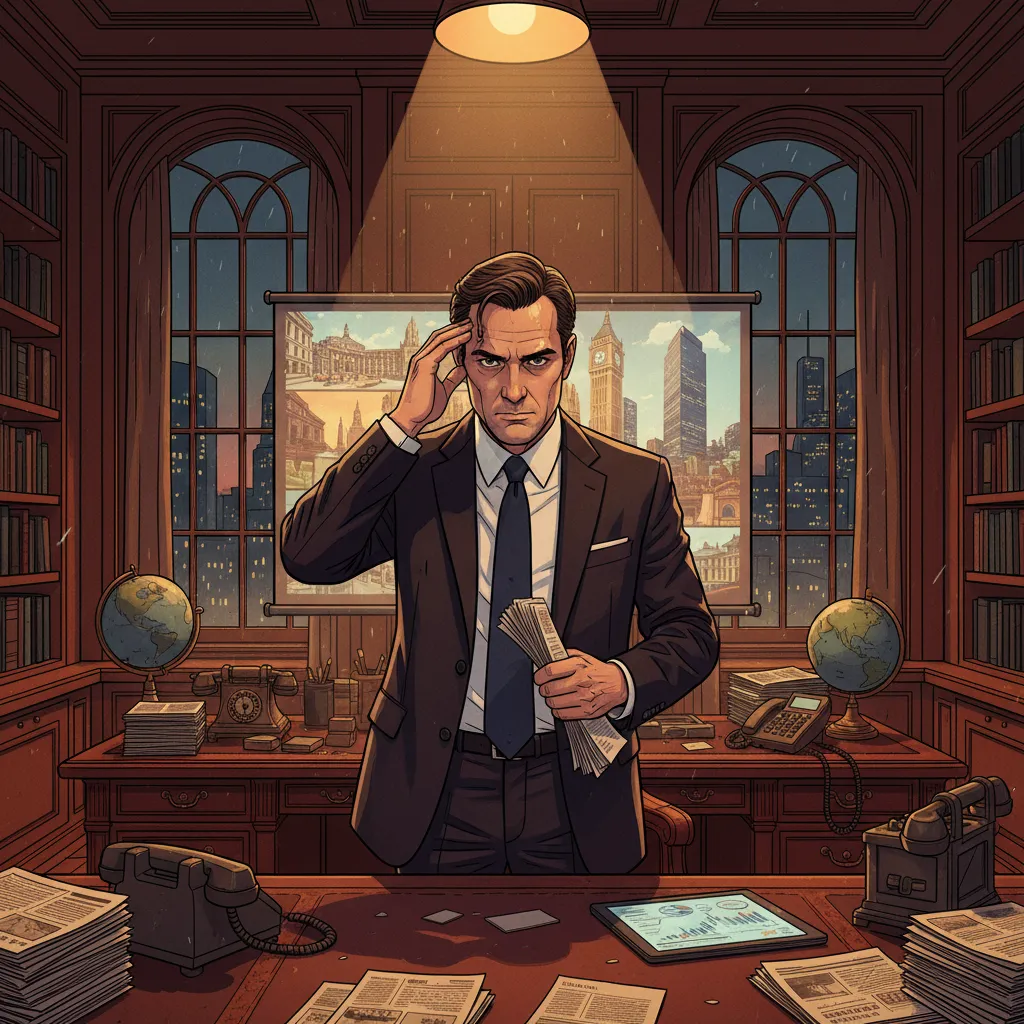
With Lachlan in exile, the spotlight, and the immense pressure, shifted squarely onto James Murdoch. He had been making a name for himself, proving his mettle in various international roles. From running Star TV in Asia, expanding its reach across a vast and complex market, to taking the reins at BSkyB (now Sky) in the UK, transforming it into a dominant pay-TV operator, James demonstrated a sharp intellect, a strategic mind, and a ruthless efficiency. He was seen as the modernizer, the one who understood the digital future and could drag the Murdoch empire, kicking and screaming, into the 21st century.
By 2007, James was appointed Chairman and Chief Executive of News International, the British newspaper arm of News Corp, and also Chairman of BSkyB. He was effectively running the European and Asian operations, a vast chunk of the empire, positioning him as the leading contender for the eventual top job. He implemented cost-cutting measures, pushed for digital innovation, and seemed poised to consolidate his power.
Then, the ground beneath his feet began to crumble. The News of the World phone hacking scandal, a simmering issue for years, exploded into a full-blown public and political crisis in 2011. It was revealed that journalists at the tabloid, owned by News International, had engaged in widespread illegal phone hacking, including the voicemail of a murdered teenage girl, Milly Dowler. The public outcry was immense, the political fallout catastrophic.
The scandal was a perfect storm of journalistic malpractice, corporate cover-up allegations, and a lack of oversight that reached to the highest levels. James, as the head of News International at the time, found himself directly in the line of fire. He was accused of knowing about the extent of the hacking much earlier than he claimed, of misleading Parliament, and of presiding over a culture that allowed such egregious behavior to flourish.
“The phone hacking scandal was more than just a legal nightmare; it was an existential crisis for the Murdoch brand. It exposed the raw, ugly underbelly of their populist journalism and forced a reckoning with the very ethics of their empire. James was caught in the blast radius, and it nearly ended his career.”
The scandal forced the closure of the 168-year-old News of the World, a shocking admission of culpability and a desperate attempt to contain the damage. Rupert Murdoch himself was called to testify before a parliamentary committee, famously stating it was the “most humble day of my life.” But the damage to James’s reputation was severe, perhaps irreparable in the eyes of many, including segments of the family and external stakeholders.
His image as the capable, forward-thinking leader was tarnished. The scandal highlighted the darker side of the Murdoch empire’s aggressive pursuit of scoops and profits, and James, despite his attempts to distance himself, was inextricably linked to it. While he was eventually cleared of intentionally misleading Parliament, the episode cost him much of his momentum and significantly weakened his position in the succession race.
This crisis was a stark reminder of the immense liabilities that came with inheriting the Murdoch name and the power that wielded. It was a brutal lesson in accountability, demonstrating that even the presumptive heir could be tripped up by the deep-seated cultural issues of an empire built on the very edge of ethical boundaries. James had been close to the throne, but the phone hacking scandal pushed him back, opening the door for a surprising return.
🌬️ Chapter 6: Elisabeth’s Independent Spirit and the Prodigal Son’s Return

While Lachlan was in self-imposed exile and James was grappling with the fallout of the phone hacking scandal, Elisabeth Murdoch was quietly, yet forcefully, building her own media empire. She had always been the most independent of the siblings, fiercely determined to prove herself outside her father’s shadow. After leaving her executive role at News Corp in 2000, she founded Shine Group, a television production company that quickly became a major player in the global entertainment industry.
Shine Group was a success story, producing popular shows like MasterChef, The Biggest Loser, and Broadchurch. Elisabeth proved her business acumen, her creative vision, and her ability to thrive without the immense machinery of News Corp behind her. She was not just a Murdoch; she was a legitimate media mogul in her own right.
In 2011, in a move that brought her back into the family orbit but on her own terms, News Corp acquired Shine Group for a staggering £415 million (approximately $674 million USD). This was not a passive inheritance; it was a strategic acquisition that validated Elisabeth’s entrepreneurial success and brought her formidable talents back into the broader family enterprise. She joined the board of News Corp, but her operational role remained tied to Shine, maintaining a degree of independence.
However, despite her undeniable success and her strong voice, Elisabeth was always seen as an outsider in the ultimate succession race, perhaps due to her gender in a deeply patriarchal structure, or her consistent desire to forge her own path. She had the business chops, the vision, and the drive, but the traditional lines of succession within the Murdoch empire, heavily influenced by Rupert’s own preferences, often favored the sons.
Meanwhile, a seismic shift was occurring. Rupert Murdoch, still reeling from the phone hacking scandal and the damage it inflicted on James’s standing, began to look for new leadership. And who better than the son who had left, gained experience outside, and perhaps matured? The prodigal son, Lachlan Murdoch, began his slow, deliberate return to the fold.
After nearly a decade away, during which he built his own investment company and ran various ventures in Australia, Lachlan started to re-engage with the family business. He rejoined the board of News Corp in 2014, initially in a non-executive capacity. This was no small gesture; it signaled a potential shift in Rupert’s thinking, a re-evaluation of his eldest son’s potential.
“The return of Lachlan was Rupert’s masterstroke. He let his sons fight, let one be humbled, and then brought back the original heir, ostensibly stronger for his time in the wilderness. It was a classic Murdoch move: maintain control, stir competition, and choose the most pliable, yet capable, successor.”
The following year, in 2015, the landscape of the Murdoch empire was dramatically reshaped. Rupert Murdoch announced he would step down as CEO of 21st Century Fox, his film and television behemoth, and also as Chairman of News Corp. James Murdoch was appointed CEO of 21st Century Fox, seemingly a major victory for him. But crucially, Lachlan Murdoch was simultaneously appointed Co-Chairman of 21st Century Fox, alongside his father, and also Co-Chairman of News Corp.
This arrangement was a classic Rupertian move: a delicate balancing act, a clear message that neither son was in sole charge, and that the patriarch still held ultimate sway. It created a dual leadership structure, ripe for further internal competition and subject to Rupert’s overarching authority. The prodigal son had returned, not to conquer alone, but to share the throne, at least for now, in a complex power-sharing agreement that was destined to be tested. The stage was set for the next, even more intense, round of the succession battle.
🤝 Chapter 7: The Disney Deal – Shrinking the Empire, Solidifying Control
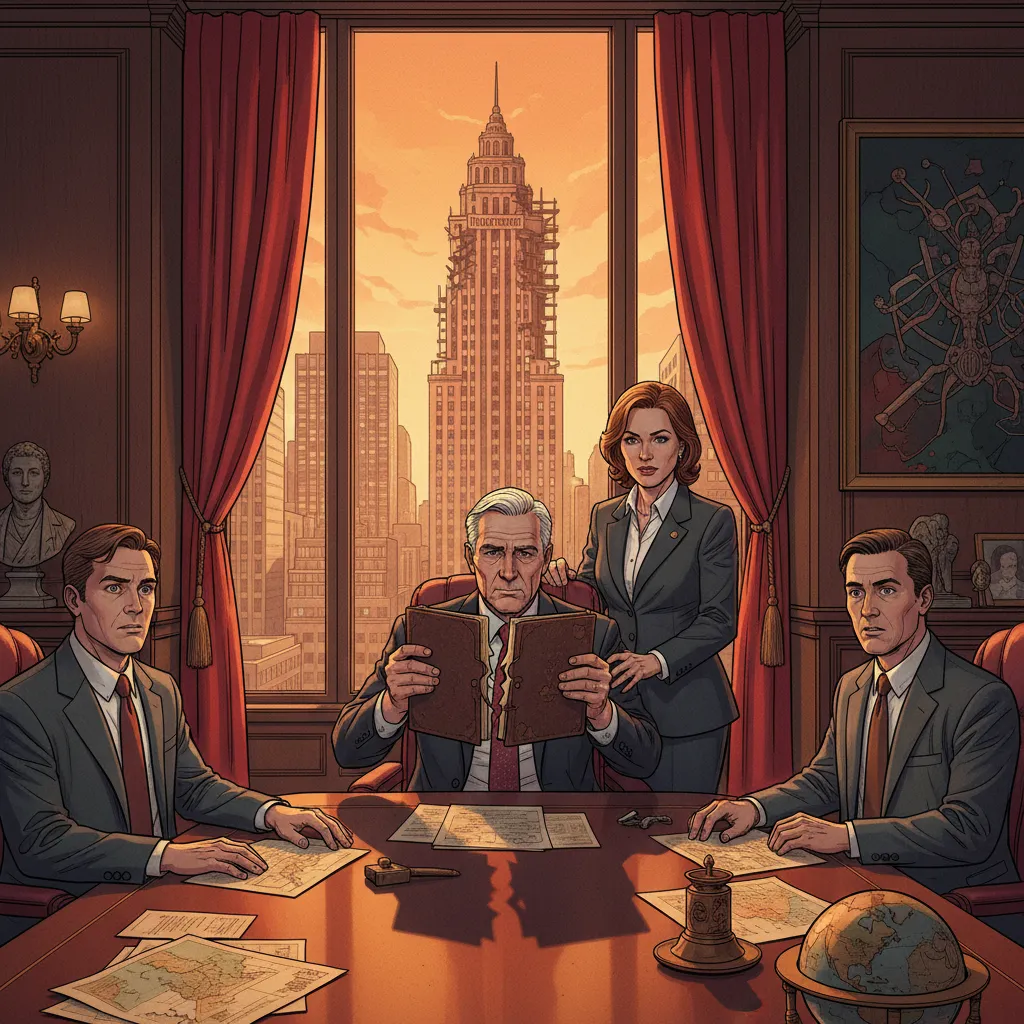
For decades, the Murdoch empire had been defined by relentless expansion, a ravenous appetite for more. But in a stunning reversal that signaled a profound shift in strategy and the ultimate re-sculpting of the succession landscape, Rupert Murdoch initiated one of the biggest media deals in history: the sale of a significant portion of 21st Century Fox to The Walt Disney Company.
The rumors began swirling in late 2017. The idea of Rupert Murdoch, the ultimate acquirer, becoming a seller, was almost unthinkable. But the media landscape was changing at warp speed. The rise of streaming giants like Netflix, Amazon, and eventually Disney+ itself, meant that traditional linear television and film studios were facing unprecedented challenges. Scale was becoming paramount, and competing with the tech behemoths required either massive investment or strategic consolidation.
Rupert, ever the pragmatist, recognized the writing on the wall. He saw the value in shedding traditional entertainment assets to focus on what he believed were the core, defensible parts of his empire: news and sports. The deal, finalized in March 2019 for a staggering $71.3 billion, saw Disney acquire 20th Century Fox film studio, its television production assets, cable networks like FX and National Geographic, and Fox’s stake in Hulu.
What remained of the Murdoch empire, post-Disney deal, was a leaner, more focused entity: Fox Corporation. This new entity comprised Fox News, Fox Business, Fox Sports, and the Fox Broadcasting Company, along with the separate News Corp, which held newspapers like The Wall Street Journal and The New York Post, as well as HarperCollins publishers and REA Group.
This strategic divestment had massive implications for the succession battle. For James Murdoch, who had been CEO of 21st Century Fox and was heavily involved in the film and television parts of the business, the sale effectively stripped him of his primary power base. His vision for a globally integrated entertainment company was largely dismantled. He had championed a more global, diversified media strategy, often clashing with his father’s focus on conservative news and sports. With these entertainment assets gone, James’s influence within the new Fox Corp was significantly diminished.
“The Disney deal wasn’t just a business transaction; it was a succession maneuver masquerading as a strategic pivot. By selling off the parts James excelled in, Rupert effectively cleared the path for Lachlan, who was more aligned with the core conservative news and sports vision that remained. It was a brutal, brilliant move.”
For Lachlan Murdoch, the deal solidified his position. As Co-Chairman of 21st Century Fox leading up to the sale, he had been instrumental in the negotiations. More importantly, upon the completion of the deal, Lachlan was appointed Chairman and CEO of the newly formed Fox Corporation. This was it. This was the moment. He was finally, unequivocally, at the helm of a significant portion of the Murdoch empire, specifically the part that Rupert valued most: the powerful, politically influential news and sports assets.
The Disney deal was a masterclass in strategic simplification and succession engineering. It allowed Rupert to crystallize value, adapt to a changing market, and, perhaps most importantly, to definitively choose his successor for the most politically potent parts of his domain. James, increasingly at odds with the conservative direction of Fox News, eventually resigned from the board of News Corp in 2020, citing “disagreements over certain editorial content published by the Company’s news outlets and certain other strategic decisions.” His path diverged sharply from his father’s and brother’s. The battle for the main throne was effectively over, with Lachlan the clear victor.
🌍 Chapter 8: The Political Beast – Influence, Ideology, and Internal Dissent
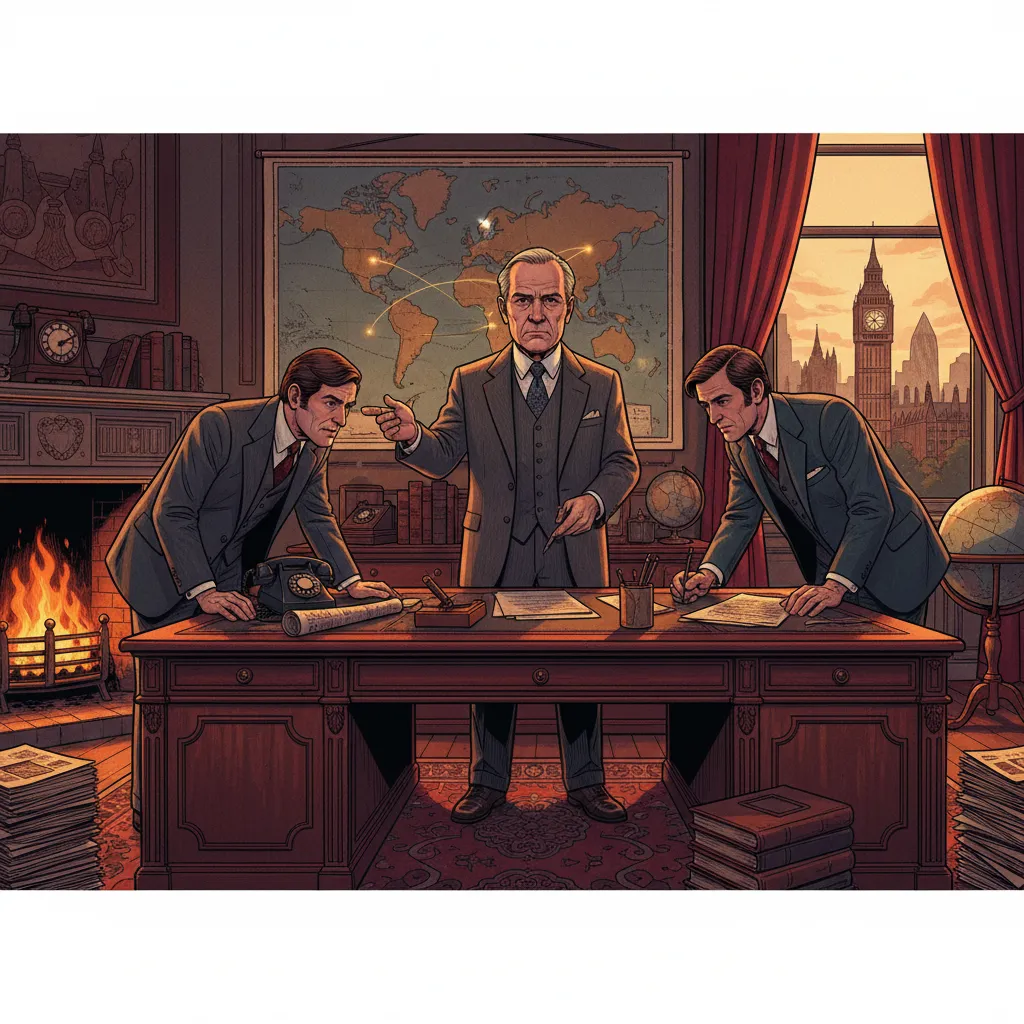
The Murdoch empire was never just about profits; it was about power and influence, especially in the political arena. From his early days in Australia to his dominance in Britain and then the United States, Rupert Murdoch understood that media ownership was a potent weapon in shaping public discourse and backing political candidates. His outlets, particularly Fox News in the US and The Sun in the UK, became formidable forces in conservative politics, capable of mobilizing voters and setting national agendas.
This political alignment, however, became a major point of contention within the Murdoch family, particularly between Rupert and his sons, Lachlan and James. While Rupert and Lachlan largely shared a conservative worldview and a willingness to use their media platforms to advance it, James grew increasingly uncomfortable with the editorial direction, particularly of Fox News.
Fox News, launched in 1996, quickly became a juggernaut, a 24-hour conservative news channel that reshaped the American political landscape. Under Rupert’s watchful eye, and later Lachlan’s leadership, it became a powerful voice for Republican politics, fiercely critical of Democrats and often supportive of right-wing populism. Its influence was undeniable, helping to propel figures like Donald Trump to power and shaping the narratives around crucial elections and social issues.
But for James Murdoch, a self-proclaimed liberal, the editorial stance of Fox News became a source of increasing discomfort and, eventually, outright disagreement. He believed in journalistic integrity, even if it was conservative, but he often felt that Fox News veered into partisan advocacy, misinformation, and divisive rhetoric. His wife, Kathryn Hufschmid Murdoch, was also a vocal environmental activist and critic of certain right-wing media narratives, adding another layer of tension to the family dynamic.
The divergences became particularly pronounced during the Trump presidency. While Fox News largely supported Trump, James and Kathryn were openly critical of his policies and rhetoric. The January 6th Capitol attack in 2021, and Fox News’s coverage leading up to and after it, was reportedly a breaking point for James. His resignation from the board of News Corp in 2020, citing “disagreements over certain editorial content,” was a public declaration of this ideological split.
“The Murdoch family saga isn’t just a corporate battle; it’s a profound examination of the intersection of media, power, and ideology. Rupert built an empire on populist instincts, but those very instincts, amplified by Fox News, created an ideological chasm that ultimately splintered his own family.”
Elisabeth Murdoch, while maintaining a more private political stance, also appeared to lean more liberal than her father and Lachlan. Her focus on entertainment and her own independent ventures often kept her out of the direct political fray, but the family dinners must have been legendary, a microcosm of the polarized world their media empire helped to create.
Lachlan, on the other hand, was seen as more aligned with his father’s political instincts. As Chairman and CEO of Fox Corporation, he took responsibility for Fox News and its programming, navigating the complex political landscape and defending its editorial choices. He became the custodian of the empire’s political legacy, a role that James could no longer stomach.
The political beast that Rupert Murdoch unleashed and nurtured had, in many ways, come home to roost. It had delivered immense power and influence, but it had also created an ideological fault line that ran directly through the heart of his family, forcing one of his most talented sons to abandon the family business altogether rather than compromise his principles. The empire’s political identity, once a source of strength, became a source of irreconcilable division.
🌐 Chapter 9: The Shifting Sands of Media – Digital Disruption and the Legacy Challenge
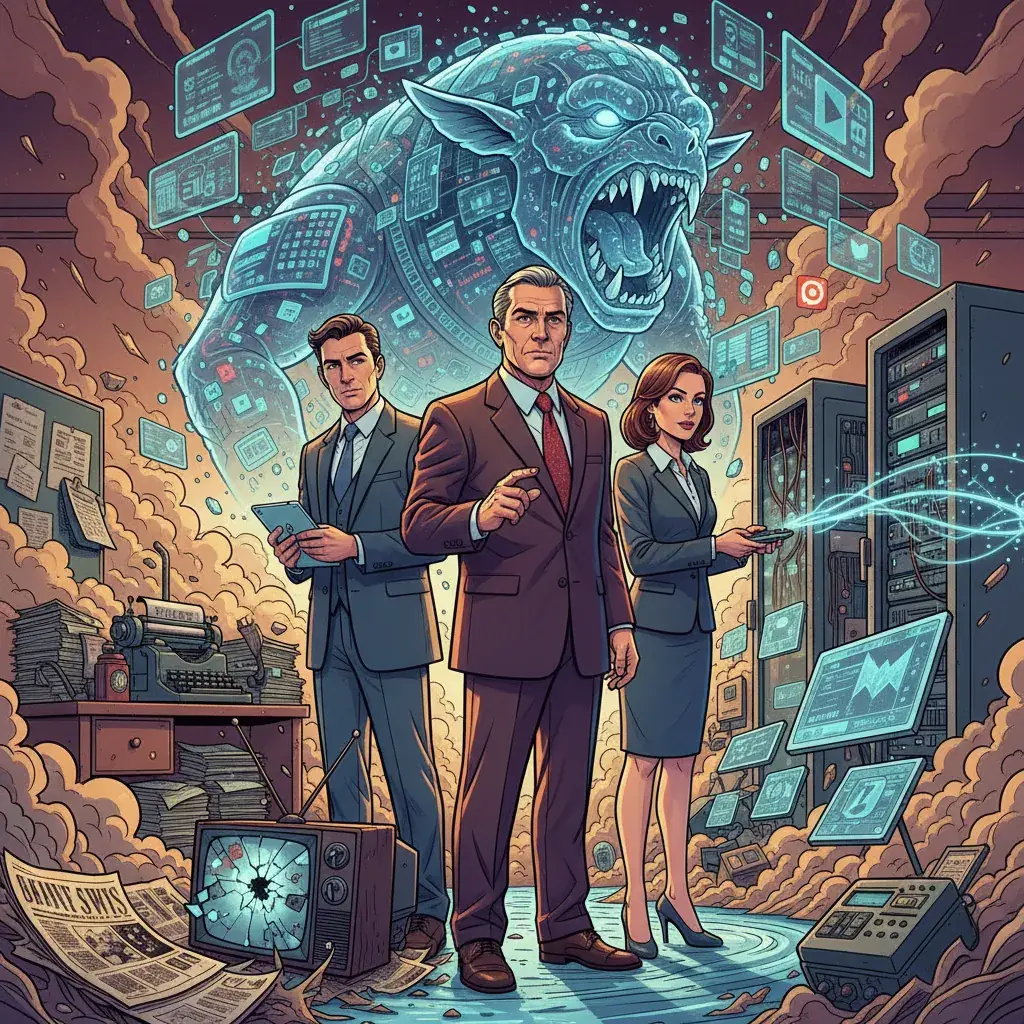
The media world is a restless beast, constantly evolving, constantly disrupting itself. For a legacy empire like the Murdochs, built on newspapers and linear television, navigating the digital revolution has been a perpetual challenge. While Rupert Murdoch was a pioneer in satellite television, he was often a late adopter or even a skeptic of the internet’s transformative power, famously quipping about Google “stealing” his content. This hesitancy, combined with the sheer inertia of a massive empire, created complex strategic dilemmas for his children.
The challenges were multifaceted:
-
The Decline of Print: The core of the original Murdoch empire, newspapers, has faced a relentless decline in advertising revenue and readership in the digital age. While prestigious titles like The Wall Street Journal have successfully pivoted to digital subscriptions, many others, including The New York Post, struggle to find sustainable models. News Corp, under Lachlan’s co-chairmanship and then independently, has had to constantly restructure, consolidate, and innovate to keep its print assets afloat.
-
The Rise of Streaming: The shift from linear television to on-demand streaming has fundamentally altered how audiences consume entertainment. The sale of 21st Century Fox’s entertainment assets to Disney was a direct response to this, acknowledging that competing with Netflix, Amazon, and Disney’s own streaming ambitions required scale that Fox no longer possessed in traditional entertainment. What remained in Fox Corporation was primarily news and sports, which still held value in live programming, but even these segments faced increasing fragmentation and competition from digital-first platforms.
-
The Advertising Exodus: Advertisers have followed eyeballs, moving from traditional media to digital platforms like Google, Facebook, and TikTok. This has squeezed revenue streams for legacy media companies, forcing them to find new revenue models, often through subscriptions or diversified content offerings.
-
The Information Overload and Misinformation: In an era of rampant misinformation and social media echo chambers, the Murdoch empire’s news outlets, particularly Fox News, have faced intense scrutiny over their editorial standards and their role in shaping political narratives. This has created brand challenges, legal liabilities (as seen in the Dominion Voting Systems lawsuit against Fox News), and internal ethical debates, especially for James Murdoch.
James Murdoch, with his background in digital music and his keen eye for tech trends, was often seen as the one most attuned to these digital shifts. He pushed for modernization, for a more global and diversified approach that embraced new technologies. His vision, however, often clashed with his father’s more traditionalist views and the empire’s entrenched focus on conservative news. His departure can, in part, be attributed to this fundamental disagreement over how to adapt the empire for the future, not just ideologically, but technologically and strategically.
Lachlan Murdoch, as the current Chairman and CEO of Fox Corporation, now bears the heavy responsibility of navigating these shifting sands. His strategy has been to double down on live news and sports, which are still valuable in a fragmented media landscape, and to explore new digital ventures within those core areas. He has overseen the launch of Fox Nation, a streaming service, and continues to invest in digital platforms for Fox Sports and news.
“An empire built on yesterday’s media faces an existential crisis every single day in the digital age. The Murdochs, for all their power, are not immune. Their ongoing challenge is to reinvent themselves without abandoning the core values – and political influence – that defined their rise, a tightrope walk that could still lead to a spectacular fall.”
The legacy challenge for the Murdochs is not just about who controls the empire, but what kind of empire it will be. Will it continue to be a dominant force in shaping public opinion, or will it slowly be eroded by the relentless tides of digital disruption and changing audience habits? The next generation of leaders, now primarily Lachlan, must grapple with Rupert’s legacy while simultaneously charting a path forward in a world that looks nothing like the one his father conquered. The sands are shifting, and even the most powerful media dynasties are not immune to the forces of change.
🏛️ Chapter 10: The Patriarch’s Last Stand – Rupert’s “Retirement” and the Ghost in the Machine
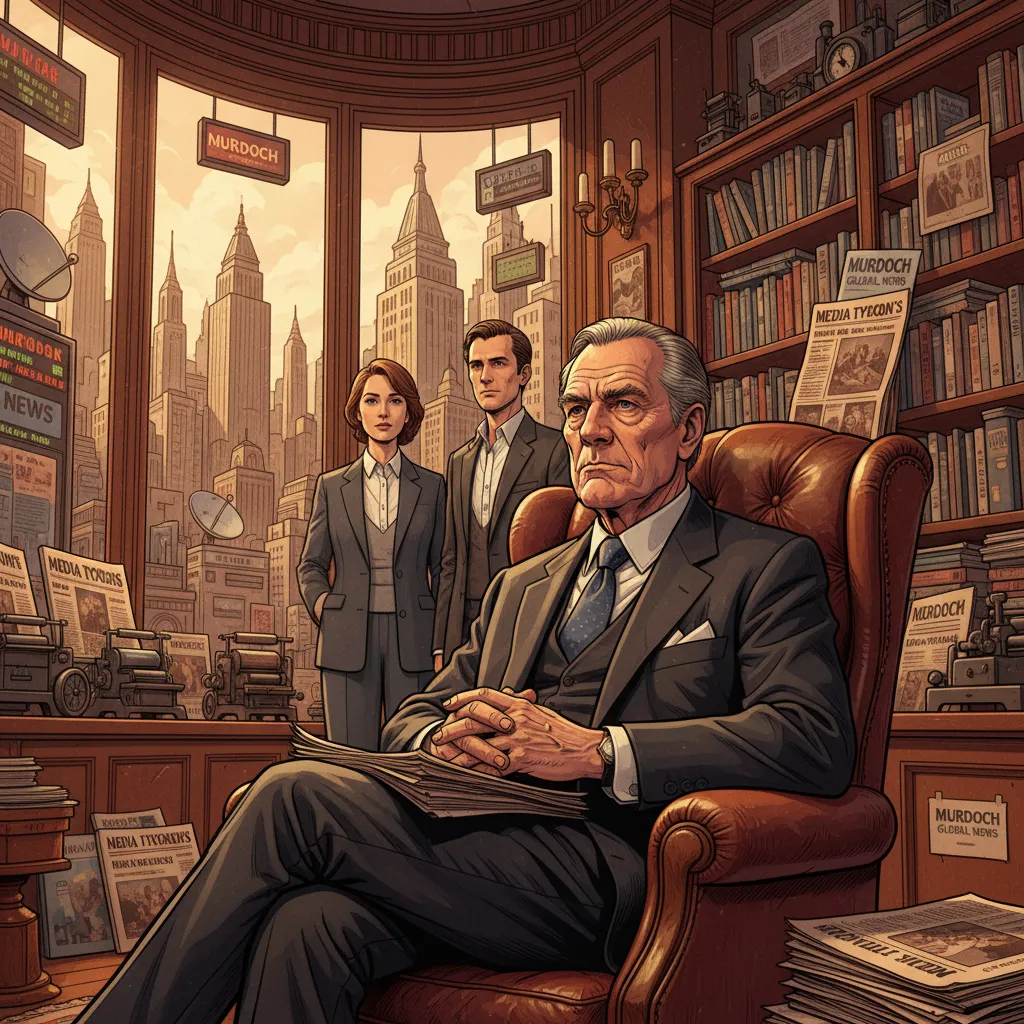
For a man who had spent over seven decades at the helm, whose identity was inextricably linked to the media empire he built, the concept of Rupert Murdoch truly “retiring” always seemed a contradiction in terms. He was a force of nature, a workaholic whose hands-on approach was legendary. The idea of him simply fading into the background, sipping martinis on a beach, was laughable to anyone who knew him.
Yet, in September 2023, at the formidable age of 92, Rupert Murdoch announced he would step down as Chairman of Fox Corporation and News Corp, transitioning to the role of Chairman Emeritus. The news, though anticipated for years, still sent a jolt through the media world. It was the end of an era, a formal acknowledgment that the undisputed king was finally, officially, relinquishing his operational crown.
But make no mistake: this was not a complete surrender of power. The title “Chairman Emeritus” is often a ceremonial one, but for Rupert Murdoch, it meant something else entirely. He still held immense sway through his control of the Murdoch Family Trust, which holds approximately 40% of the voting shares in both Fox Corp and News Corp. This trust, crucial to understanding the true power dynamics, is controlled by Rupert and his four adult children: Lachlan, James, Elisabeth, and Prudence. Each holds an equal vote, but Rupert historically held an outsized influence, and the trust structure means that no single child can unilaterally control the empire.
With Rupert’s step down, Lachlan Murdoch officially became the sole Chairman of News Corp and continued as Chairman and CEO of Fox Corporation. This solidified his position as the primary operational leader of the remaining Murdoch media empire. It was the culmination of a decades-long battle, a testament to his resilience, his alignment with his father’s vision, and his ability to outmaneuver his siblings.
But even with Lachlan firmly in charge, the shadow of the patriarch looms large. Rupert Murdoch, even in “retirement,” remains the spiritual and often de facto leader. His opinions, his phone calls, his quiet suggestions, still carry immense weight. He is the ghost in the machine, the ultimate arbiter, whose presence is felt in every major decision, every strategic pivot.
“You don’t truly retire when you’ve built something as vast and personal as the Murdoch empire. Rupert didn’t step down; he merely shifted his vantage point. He’s still watching, still influencing, still capable of pulling the strings. Lachlan may wear the crown, but the scepter still belongs to the old king.”
The immediate challenge for Lachlan is to lead the empire out of the shadow of its founder. Can he truly carve out his own legacy, implement his own vision, and adapt the empire for the future without constantly looking over his shoulder? The market demands innovation, but the internal culture, steeped in Rupert’s aggressive, often controversial, methods, may resist radical change.
Furthermore, the family trust remains a potential point of contention. While James has largely distanced himself, and Elisabeth pursues her own ventures, the equal voting rights of the four children mean that any major strategic decision could still be subject to internal debate and potential deadlock, especially if Rupert’s influence wanes further. The ghost of family conflict is never far from the boardroom table.
Rupert Murdoch’s “retirement” is not an ending; it is merely a new chapter in the ongoing saga of the Murdoch empire. It marks the formal transfer of operational power, but the true power, the ultimate control, remains tethered to the man who built it all. Lachlan has won the battle for the throne, but the war for control, and for defining the future of the Murdoch legacy, continues. The ghost of the patriarch will haunt the empire for generations to come.
🎭 Chapter 11: The Shakespearean Echoes – Blood, Power, and Legacy
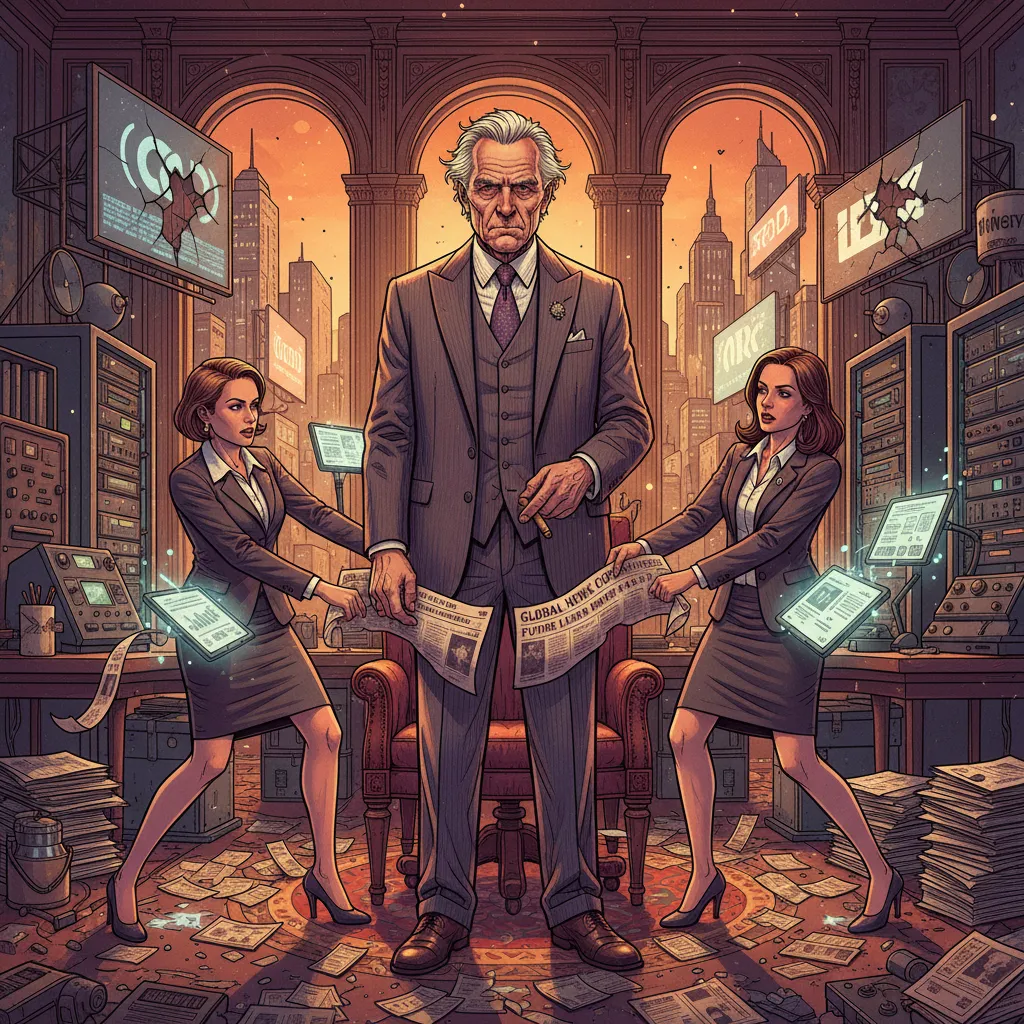
The story of the Murdoch family is more than just a business case study; it’s a modern epic, a corporate tragedy penned in newspaper ink and broadcast pixels. It echoes the grand themes of Shakespearean drama: the ambitious king, the vying heirs, the lust for power, the whispers of betrayal, and the crushing weight of legacy.
Rupert Murdoch is the ultimate Lear, a titan who built an unparalleled kingdom, yet struggled to truly cede control, constantly testing his children, perhaps even delighting in their competition. His love, if it could be called that in a corporate context, was conditional, earned through ruthless efficiency and unwavering loyalty to his vision. He wanted his children to be strong, but never stronger than him. He wanted them to lead, but only under his ultimate direction.
Lachlan, the eldest son, initially the favored one, then banished, and finally returned to claim the throne, embodies the prodigal son, albeit one who had to fight tooth and nail for his redemption and ascension. He proved his mettle, aligned himself with his father’s core vision, and ultimately outlasted his siblings in the brutal game of succession.
James, the intellectual, the modernizer, the one who dared to challenge the patriarch’s ideology, represents the tragic figure who, despite immense talent and drive, found himself on the wrong side of the family’s political direction. His departure was a principled stand, but it came at the cost of the ultimate prize. He chose conscience over corporation, a rare and profound choice in such a dynasty.
Elisabeth, the fiercely independent daughter, represents the power of forging one’s own path. She proved her capabilities outside the family apparatus, creating her own success, only to be drawn back in, albeit on her own terms. She navigated the male-dominated world of media with grace and strength, but ultimately, the patriarchal nature of the empire’s succession plan kept her from the ultimate leadership role.
And Prudence, the quiet observer, reminds us that not all children of titans crave the throne. She chose a life away from the cutthroat corporate battles, content to hold her shares and watch the drama unfold from a distance, perhaps the wisest of them all.
The family’s drama wasn’t just confined to the boardrooms; it played out on the global stage, impacting political elections, shaping public opinion, and influencing the very fabric of democratic societies. The phone hacking scandal, the political endorsements of Fox News, the massive Disney deal – each event was a chapter in this ongoing saga, reflecting both the brilliance and the brutality of the Murdoch way.
“The Murdoch saga is a stark reminder that even the most powerful business empires are, at their core, human institutions. Driven by ambition, fraught with rivalry, and shaped by deeply personal relationships, they are as much about the blood that binds them as the balance sheets that define them. It’s a story as old as time, played out on a modern, global stage.”
The legacy of Rupert Murdoch is complex and deeply polarizing. He built an empire that connected millions, provided news and entertainment, and challenged established norms. But he also created institutions that critics argue contributed to political polarization and the erosion of journalistic standards. His children now inherit not just assets, but this complicated legacy, grappling with its power and its pitfalls.
The struggle for control of the Murdoch empire is a testament to the enduring human fascinations with power, family, and the quest for immortality through legacy. It’s a story that will continue to evolve, even with Rupert in his “emeritus” role, because the forces he unleashed, both within his family and within the global media landscape, are still very much alive. The curtain may have fallen on one act, but the drama is far from over.
🚀 Chapter 12: Mogul Lessons from the Dynasty – What Entrepreneurs Can Learn
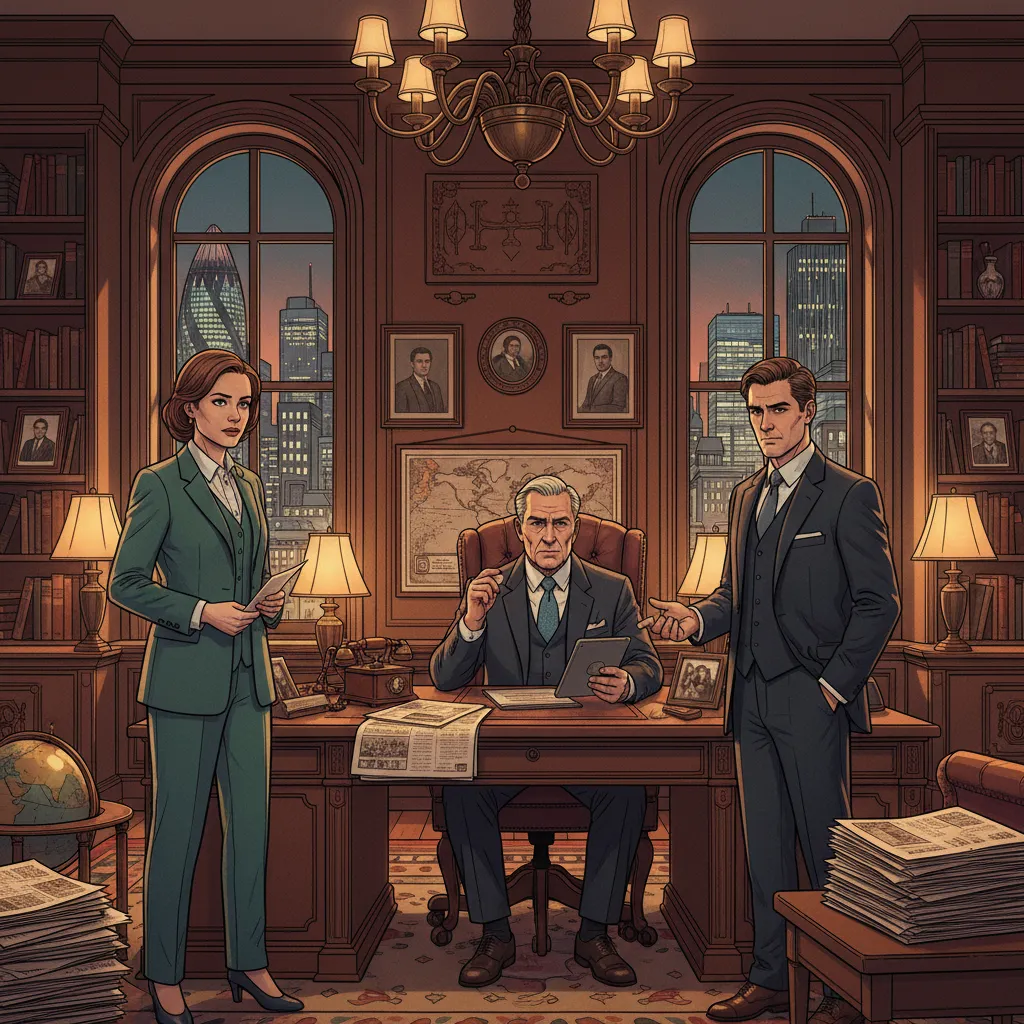
The Murdoch saga is not just a gripping tale; it’s a brutal, illuminating masterclass in entrepreneurship, empire-building, and the perilous art of succession. For any aspiring mogul, investor, or leader, the lessons embedded in this family’s decades-long battle are as sharp as a Murdoch tabloid headline.
1. The Founder’s Shadow: A Blessing and a Curse
Rupert Murdoch built his empire on sheer will, a singular vision, and relentless ambition. This founder-driven intensity is often essential for initial success. However, it also creates an impossibly long shadow that can stifle the next generation. His children, particularly Lachlan and James, spent their lives trying to prove themselves to a man who measured success by his own impossibly high, constantly shifting standards.
- Lesson: As a founder, build systems and a culture that can evolve beyond your personal genius. Empower your successors, not just with titles, but with genuine autonomy and the space to make their own mistakes and forge their own identities. A true legacy isn’t just about what you build, but what you enable others to build. Don’t be the ghost in the machine; be the blueprint.
2. Succession is Not a Single Event, But a Decades-Long Process
The idea of a clean, single-point succession is a myth, especially in family businesses. The Murdoch story shows it’s a dynamic, often brutal, process of testing, retesting, and constant re-evaluation, driven by internal politics, external market forces, and the founder’s own evolving preferences. Lachlan’s journey from heir apparent, to exile, to triumphant return is a testament to this.
- Lesson: Approach succession as an ongoing strategic imperative, not a one-off decision. Clearly define criteria, provide structured development paths, and be transparent (as much as possible) about the process. Recognize that the chosen path may change, and flexibility is key. Involve key stakeholders, including non-family executives, to ensure a smooth transition and maintain organizational stability.
3. The Perils of Internal Competition (and the Founder’s Role in it)
Rupert often fostered competition among his children, believing it would sharpen their skills and reveal the strongest leader. While competition can drive performance, in a family context, it can morph into destructive rivalry, leading to resignations, public spats, and ideological schisms that weaken the entire enterprise. James’s departure is a stark example of the cost of irreconcilable differences.
- Lesson: While healthy competition is good, destructive sibling rivalry is toxic. Founders must actively manage family dynamics, setting clear boundaries and fostering collaboration over cutthroat internal warfare. Understand that pitting your children against each other might produce a winner, but it often leaves a trail of resentment and division that can fracture the family and destabilize the business for generations.
4. Strategic Divestment as a Succession Tool
The Disney deal wasn’t just a smart business move; it was a masterclass in succession engineering. By divesting the entertainment assets, Rupert not only unlocked value and streamlined the empire for the digital age but also effectively removed James’s primary power base, clearing the path for Lachlan, who was more aligned with the remaining core news and sports assets.
- Lesson: Major strategic decisions, especially divestitures or acquisitions, can be powerful tools in shaping future leadership structures. Don’t just think about market fit or financial returns; consider how such moves will empower or disempower potential successors and how they align with your long-term vision for the leadership of the company.
5. The Intertwined Nature of Media, Power, and Public Trust
The Murdoch empire’s saga highlights the unique challenges and responsibilities of media companies. Their influence on public discourse, political outcomes, and societal values is immense. The phone hacking scandal and the ongoing scrutiny of Fox News demonstrate that this power comes with significant risks to reputation, legal standing, and public trust.
- Lesson: For any business, but especially media, maintaining public trust and ethical standards is paramount. Short-term gains from aggressive or controversial tactics can lead to long-term damage to brand equity and invite regulatory and legal repercussions. Understand the broader societal impact of your business decisions and build a culture of accountability from the top down.
6. Adapting to Disruption: Legacy Empires vs. Digital Natives
The Murdoch empire, for all its power, has struggled to fully adapt to the digital revolution. While it made some successful pivots (e.g., WSJ digital subscriptions), its core identity remained rooted in traditional media, often clashing with the rapid pace of digital disruption.
- Lesson: Continuous innovation and a willingness to cannibalize your own successful products are crucial for long-term survival. Don’t let legacy mindsets or past successes blind you to future threats. Embrace disruption, invest aggressively in new technologies, and foster a culture that values experimentation and agility, even if it means challenging the very foundations of your empire.
The Murdoch story is a cautionary tale and an inspiring one, a brutal symphony of ambition, family, and power. It reminds us that even the most formidable empires are ultimately human constructs, subject to the same dramas and frailties that define us all. But for those with the courage to learn from its epic sweep, it offers invaluable insights into the high-stakes game of building, maintaining, and, eventually, relinquishing control of a powerful dynasty. The game never truly ends; it merely changes players.
💡 Key Insights
- ▸ Succession planning in family-controlled empires is rarely a clean transfer; it's often a crucible that tests loyalty, competence, and ambition. Leaders must anticipate and manage the inevitable friction points, clearly delineating roles and responsibilities long before the transition, or risk internal wars that destabilize the entire organization.
- ▸ The power of a founder's vision can be both a blessing and a curse. While it builds the empire, it can also cast an impossibly long shadow, hindering the next generation's ability to forge their own path or adapt to new market realities. Entrepreneurs should build systems and cultures that can evolve beyond their individual genius, fostering innovation and distributed leadership.
- ▸ Media companies, particularly those with strong political leanings, face unique challenges in navigating public perception, regulatory scrutiny, and the digital transformation. The Murdoch empire's saga highlights how intertwined business interests, family dynamics, and political influence can become, offering a stark lesson in managing a brand's reputation and strategic direction in an increasingly polarized world.