Lim Goh Tong: The Mountain Bet That Built Genting Highlands
Lim Goh Tong carved a road through Malaysian rainforest and turned an improbable highland resort into the foundation of a diversified group.
View all stories about this mogul
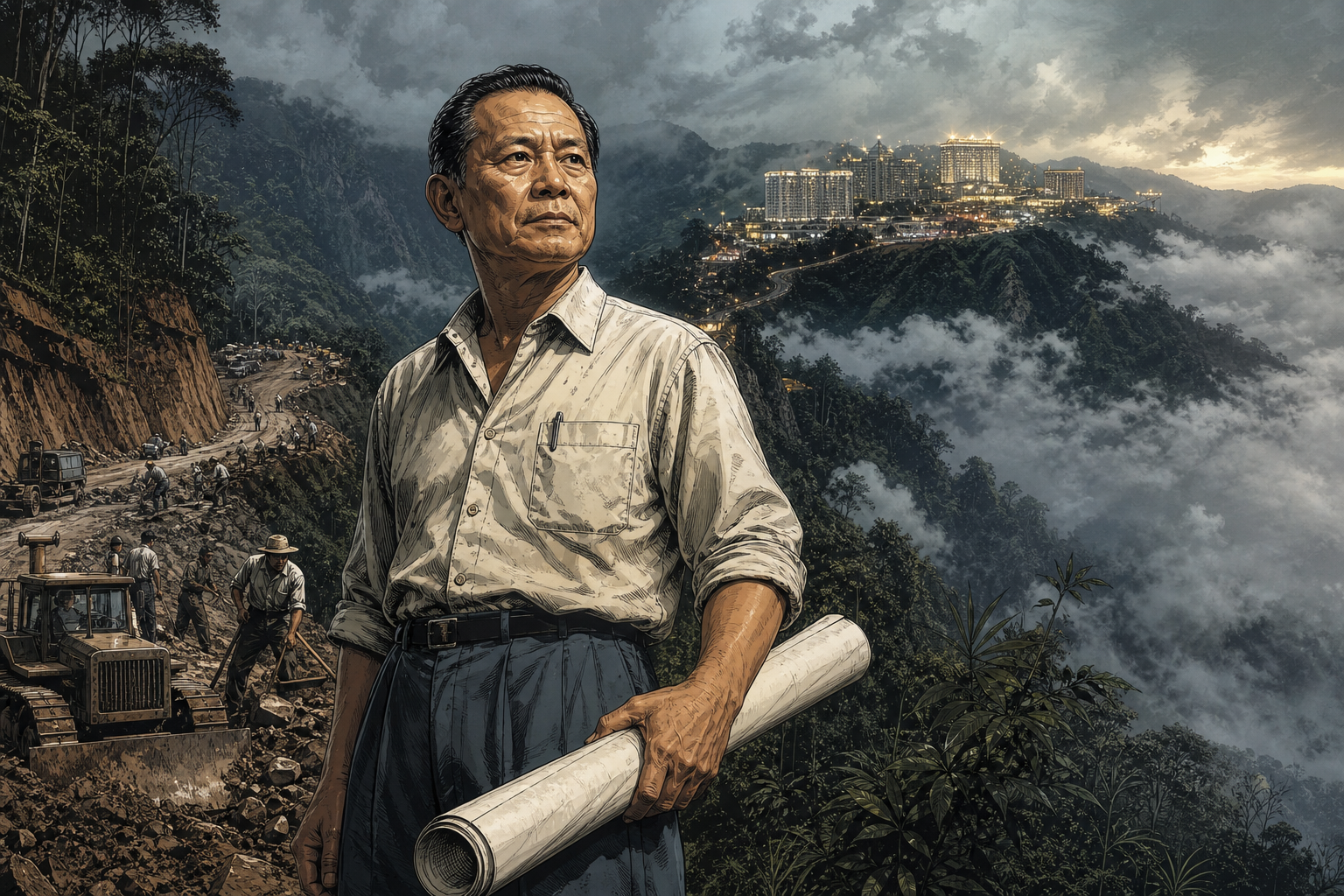
Lim Goh Tong looked at a cold, forested ridge above Kuala Lumpur and imagined a resort where others saw inaccessible terrain. The idea sounded extravagant in 1960s Malaysia. The site needed a mountain road, power, water, buildings, and enough attractions to persuade people to make the climb.
Lim did not begin as a leisure visionary. He had built experience and capital through contracting, machinery, and infrastructure. That background explains why the mountain dream became more than a sketch: he understood that the first product was not a hotel. It was access.
An Immigrant Learns to Build in Malaya
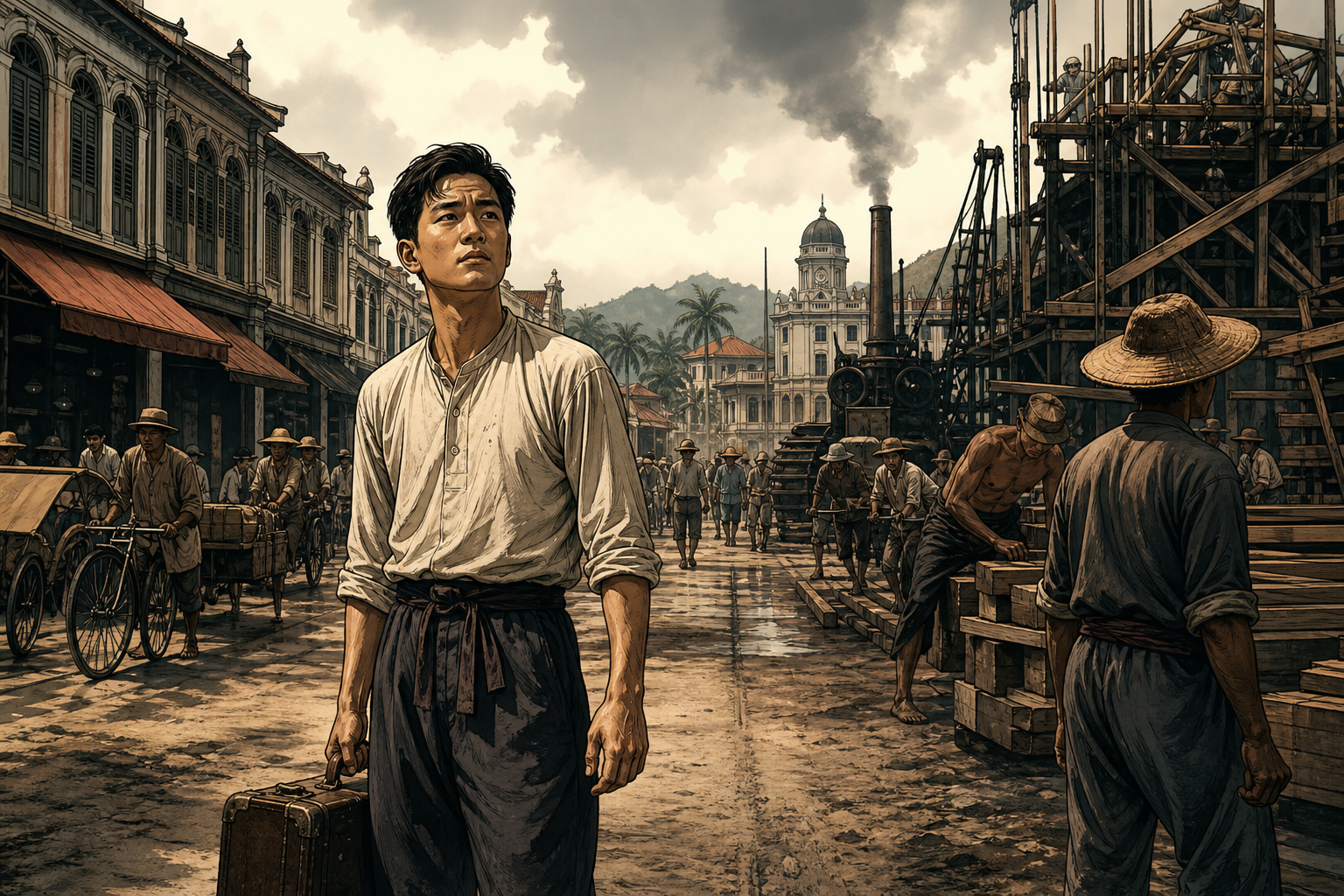
Born in Fujian, China, in 1918, Lim migrated to Malaya as a young man. He worked in trading and construction-related businesses, learning how equipment, labor, contracts, and political change shaped opportunity. The Japanese occupation disrupted commercial life, but the postwar period created demand for roads, utilities, mining, and development.
Contracting taught Lim a style of entrepreneurship grounded in assets and execution. A construction promise is visible: either the road reaches its destination or it does not. Machinery must work, crews must be paid, and weather does not care about a business plan.
By the time he considered the highlands, Lim had accumulated more than money. He understood how to assemble crews, secure equipment, negotiate permissions, and keep a long project moving before revenue arrived. Those capabilities were the hidden prerequisites of his famous gamble.
The origin story is often told as a flash of inspiration during a visit to the cooler Cameron Highlands. The more useful interpretation is that Lim recognized an unmet urban desire—an accessible mountain escape near Kuala Lumpur—and possessed unusual confidence in the infrastructure needed to serve it.
Building the Road Before the Market Existed

The ridge that became Genting Highlands was steep, wet, and covered in dense forest. Building an access road required years of work through difficult terrain. Lim reportedly committed substantial personal resources and faced skepticism that visitors would travel to an undeveloped summit.
This was a sequencing problem. Hotels could not operate without utilities and transport. Visitors would not come without attractions. Attractions could not justify themselves without visitors. Lim had to advance several parts of the system before any single part looked economically secure.
Government approvals, including a casino license, changed the project’s economics, but the license did not build the mountain. Roads, power, water, slope management, logistics, and staff accommodation created the operating base. The first hotel opened in 1971, anchoring a destination that expanded over subsequent decades.
The mountain itself became a moat. Replicating the destination required not just capital but permissions, geography, time, and tolerance for construction risk. Yet that moat carried permanent costs. Monsoon weather, access capacity, maintenance, and safety could never be treated as solved once and for all.
Turning a Personal Bet Into an Institution

Genting grew beyond a single Malaysian resort into a group with leisure, hospitality, plantations, energy, and international operations. Diversification reduced dependence on one property, but it also demanded professional management and capital allocation across very different businesses.
Lim handed leadership to his son Lim Kok Thay before his death in 2007. Succession is the final test of founder-built infrastructure: can the organization renew assets, manage regulation, and make disciplined investments without relying on the original force of personality?
The most romantic version of the story celebrates a man who refused to accept that a mountain was unreachable. The more instructive version celebrates sequencing and endurance. Lim found a differentiated location, built the enabling infrastructure first, accepted a long period of uncertainty, and gradually turned a destination into a system.
For entrepreneurs, the warning is as important as the inspiration. Boldness does not excuse weak economics. Lim’s bet worked because audacity was paired with contracting skill, access to capital, regulatory navigation, and decades of operational follow-through.
💡 Key Insights
- ▸ Contrarian vision is useful only when paired with the ability to finance and execute difficult infrastructure.
- ▸ A destination business can create its own demand by bundling access, accommodation, and entertainment.
- ▸ Physical moats are expensive: roads, utilities, maintenance, and safety remain permanent obligations.
- ▸ Founder persistence becomes institutional value only when operations can outlive the founder.