Morris Chang: The Foundry Revolution That Made TSMC Indispensable
Morris Chang separated chip design from chip manufacturing and built TSMC into the trusted factory behind the digital economy.
View all stories about this mogul
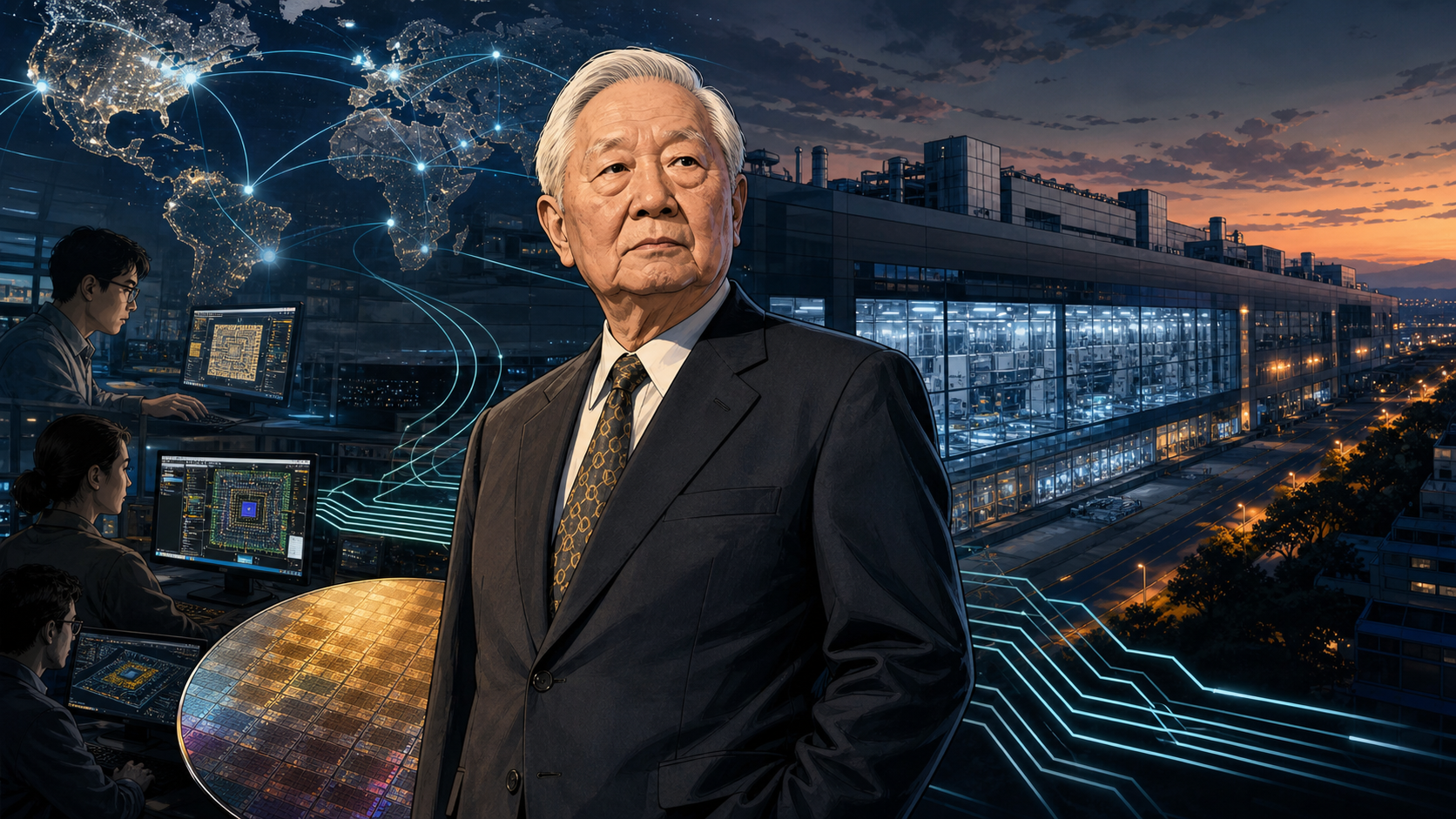
Morris Chang built one of the world’s most important companies by choosing not to design the products it manufactured. In the semiconductor industry of the 1980s, that sounded like a limitation. Leading chip companies typically designed and fabricated their own devices.
Chang saw a different future. If a manufacturer could remain neutral, invest relentlessly in process technology, and serve many designers, startups would no longer need to build multibillion-dollar factories before proving their ideas. The dedicated foundry model turned manufacturing into infrastructure for an entire ecosystem.
A Long Apprenticeship Inside the Chip Industry
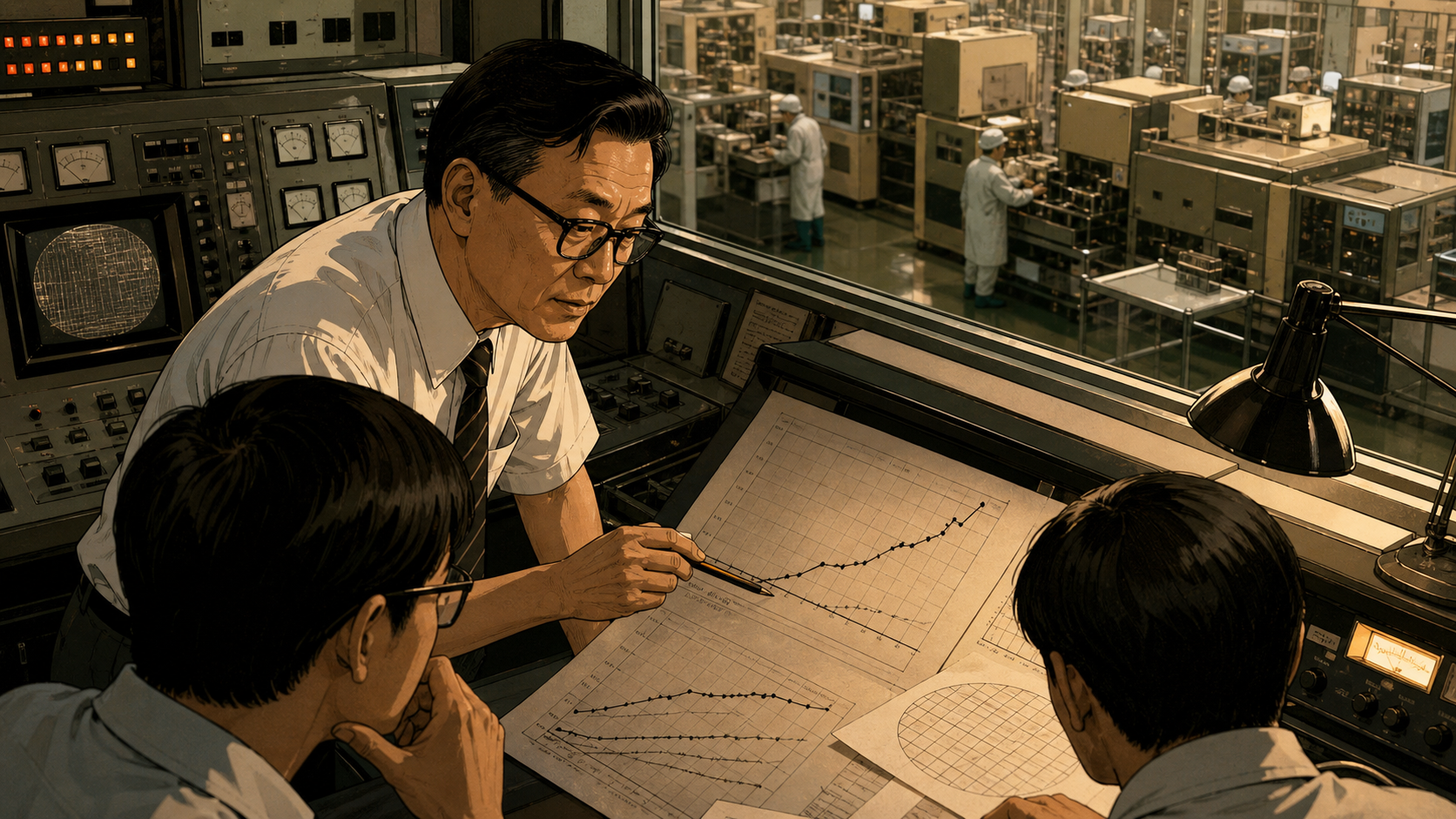
Chang was born in China in 1931 and moved through Hong Kong before studying in the United States. His career at Texas Instruments gave him a deep education in semiconductor manufacturing, pricing, quality, and the economics of scale.
He learned that a chip factory is not simply a building filled with expensive tools. Its performance depends on yield: the percentage of usable chips produced from each wafer. Small improvements in process control can determine whether a product is profitable. Knowledge accumulates across thousands of production decisions, and that learning becomes difficult for a newcomer to copy.
Chang also saw the tension inside integrated chip companies. Manufacturing capacity had to be allocated among internal product teams. Outside customers could never be certain they would receive equal priority, and a factory owned by a chip designer might eventually compete with the very customer sharing its plans.
When Taiwan recruited Chang to help develop its technology industry, he arrived with decades of operating experience and a thesis that the established companies had little incentive to pursue.
Building a Factory That Would Not Compete With Customers
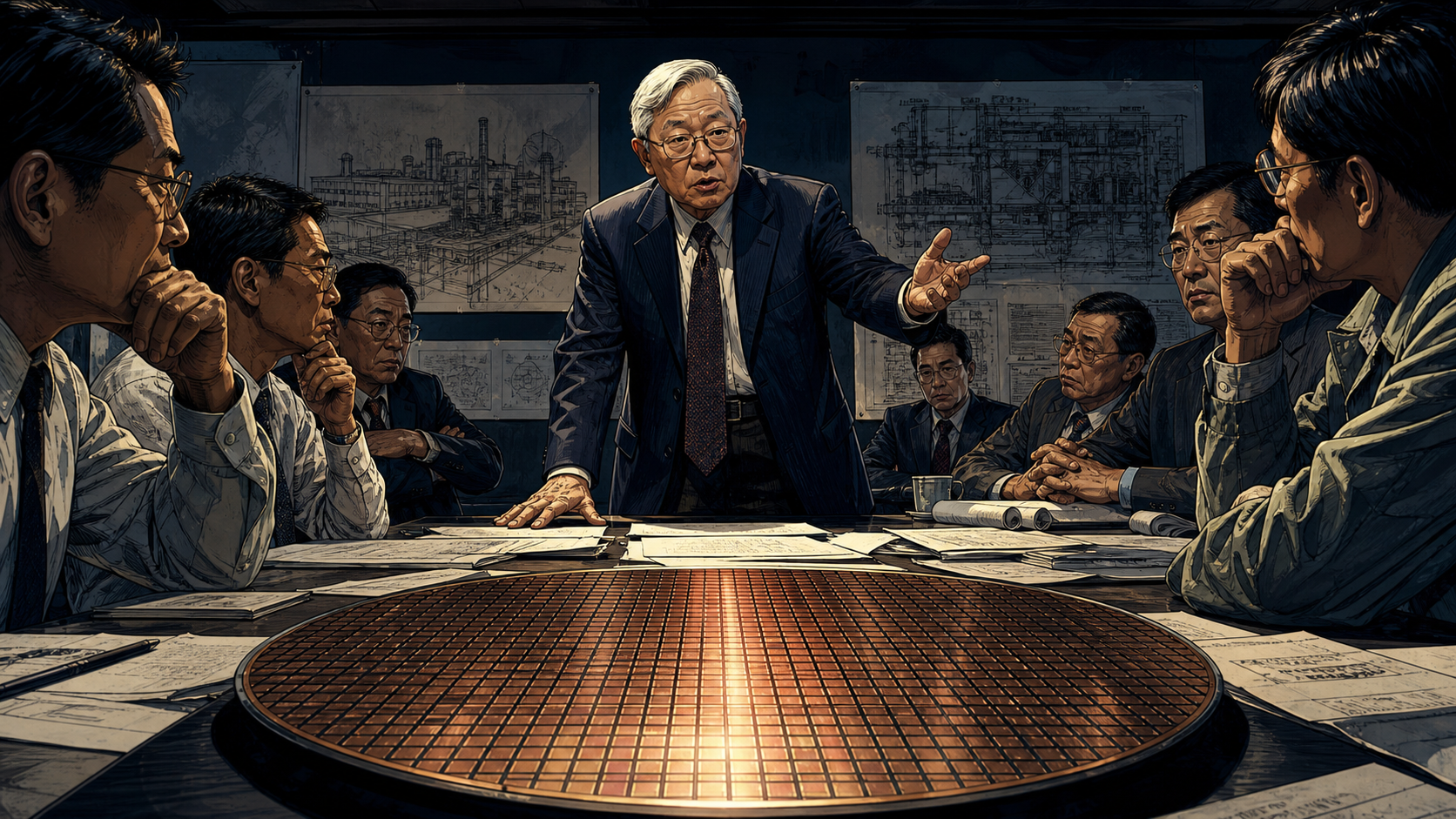
TSMC was founded in 1987 with support from Taiwan’s government and Philips. Its defining promise was structural neutrality: it would manufacture chips for customers without launching a competing portfolio of its own.
That promise changed the startup equation. A new chip company could concentrate capital and talent on architecture, software, and markets while renting access to advanced production. The “fabless” model expanded, and TSMC grew alongside customers whose success increased demand for better manufacturing.
Neutrality alone was not enough. TSMC had to deliver reliable yields, protect confidential designs, coordinate with equipment and materials suppliers, and keep investing through brutal industry cycles. Leading-edge fabrication requires enormous capital before demand is certain. Falling behind one process generation can weaken customer confidence and make catching up even more expensive.
The model created a learning flywheel. More customers brought more designs. More designs exposed the factories to more manufacturing problems. Solving those problems improved the platform and attracted more demanding customers.
The Power and Burden of Becoming Infrastructure

As smartphones, cloud computing, and artificial intelligence increased demand for advanced chips, TSMC became central to products sold by companies around the world. Its importance reflected decades of accumulated engineering rather than one consumer brand or viral launch.
That position also concentrated risk. Semiconductor supply chains depend on specialized equipment, chemicals, energy, water, logistics, and highly trained workers. Geographic tension around Taiwan made manufacturing resilience a boardroom and government issue far beyond the chip industry.
TSMC responded with international expansion while maintaining its most mature ecosystem in Taiwan. New factories can add geographic capacity, but they cannot instantly reproduce the dense network of suppliers, routines, and talent built over decades.
Chang’s enduring lesson is about business-model architecture. He did not merely build a better factory. He changed who needed to own a factory at all. By making neutrality credible and manufacturing excellence reusable, TSMC allowed thousands of designers to attempt products that would otherwise have been financially impossible.
The result is a paradox of modern technology: some of the most powerful innovation platforms are nearly invisible to the people who use their output every day.
💡 Key Insights
- ▸ A neutral supplier can unlock an industry when customers no longer need to fund the hardest infrastructure themselves.
- ▸ Trust became TSMC's commercial moat because the company promised not to compete with the chip designers it served.
- ▸ Manufacturing leadership compounds through process knowledge, supplier coordination, and customer learning.
- ▸ Strategic importance creates obligations: resilience, geographic risk, and capital discipline grow with scale.