Phil Knight: How a Shy Accountant Sold Japanese Shoes From His Car Trunk and Built a $150 Billion Empire Called Nike
He was a mediocre middle-distance runner with a crazy idea from a college paper. Five decades later, the Swoosh is the most recognized brand on Earth and Phil Knight is worth $47 billion.

View all stories about this mogul
In January 1964, a 26-year-old accountant named Phil Knight sat in the living room of his parents’ house in Portland, Oregon, and opened a box of shoes that had arrived by ship from Kobe, Japan. The shoes were called Tigers, made by a company called Onitsuka. Knight had traveled to Japan the previous year, walked into the Onitsuka factory unannounced, and convinced the executives that he ran a thriving American shoe distribution company called Blue Ribbon Sports. He didn’t. Blue Ribbon Sports didn’t exist. He had made it up on the spot.
Now the shoes were here — twelve pairs — and Knight had no store, no employees, no warehouse, and no distribution network. He put the shoes in the trunk of his green Plymouth Valiant and drove to track meets around the Pacific Northwest, selling them one pair at a time to runners who were willing to listen to a skinny, shy guy mumble about Japanese manufacturing quality.
Sixty-two years later, the company that started in that car trunk — now called Nike — is worth over $150 billion. It is the largest athletic apparel company on Earth. Its logo, the Swoosh, is recognized by more people worldwide than the Christian cross. Phil Knight, the shy accountant who couldn’t give a sales pitch without stammering, is worth approximately $47 billion.
This is the most improbable origin story in American business. And unlike most origin stories, this one is almost entirely true — because Knight himself wrote it down in a memoir so honest it reads like a confession.
🏃 Chapter 1: The Mediocre Runner With a Big Idea
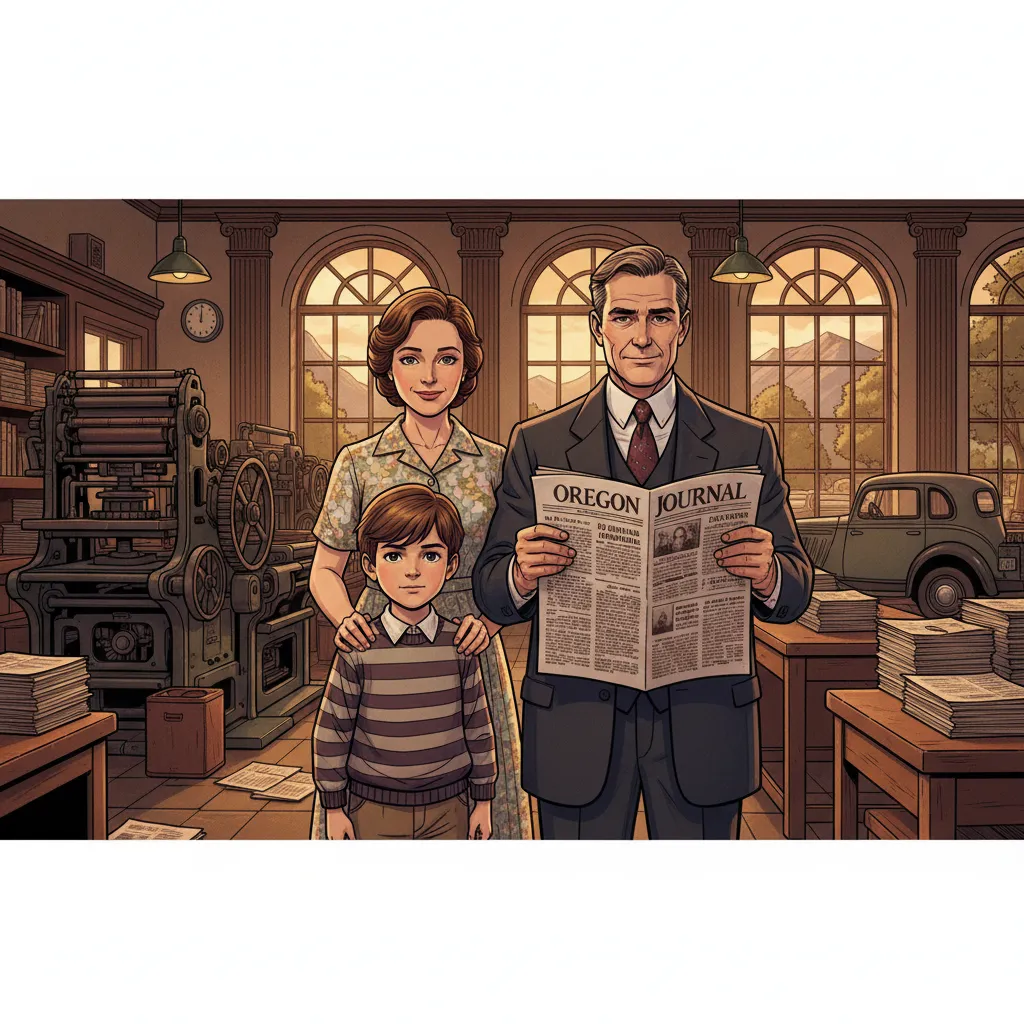
Philip Hampson Knight was born on February 24, 1938, in Portland, Oregon. His father, William Knight, was a newspaper publisher — the editor of the Oregon Journal. His mother, Lota, was a homemaker. Phil was a quiet, introverted kid who found his identity on the track.
He ran for Cleveland High School and then for the University of Oregon, where he competed as a middle-distance runner under a legendary coach named Bill Bowerman. Knight wasn’t a star. His best mile time was 4:13 — respectable but not remarkable. He was, in his own words, “a mediocre runner on a great team.”
But Bowerman was more than a coach. He was an obsessive tinkerer — a man who spent his evenings in his workshop, cutting apart shoes and reassembling them with different materials, trying to shave grams off their weight. Bowerman believed that lighter shoes made faster runners, and he was constantly dissatisfied with what the major shoe companies — all German, primarily Adidas and Puma — were offering.
After graduating from Oregon in 1959, Knight enrolled in the MBA program at Stanford Graduate School of Business. In a seminar on small business, he wrote a paper titled “Can Japanese Sports Shoes Do to German Sports Shoes What Japanese Cameras Did to German Cameras?” The paper argued that Japan’s low labor costs and improving manufacturing quality would allow Japanese shoe companies to undercut the dominant German brands — just as Nikon and Canon had decimated Leica and Zeiss in the camera market.
It was a B-minus paper. But it was a billion-dollar idea.
✈️ Chapter 2: The Trip to Japan
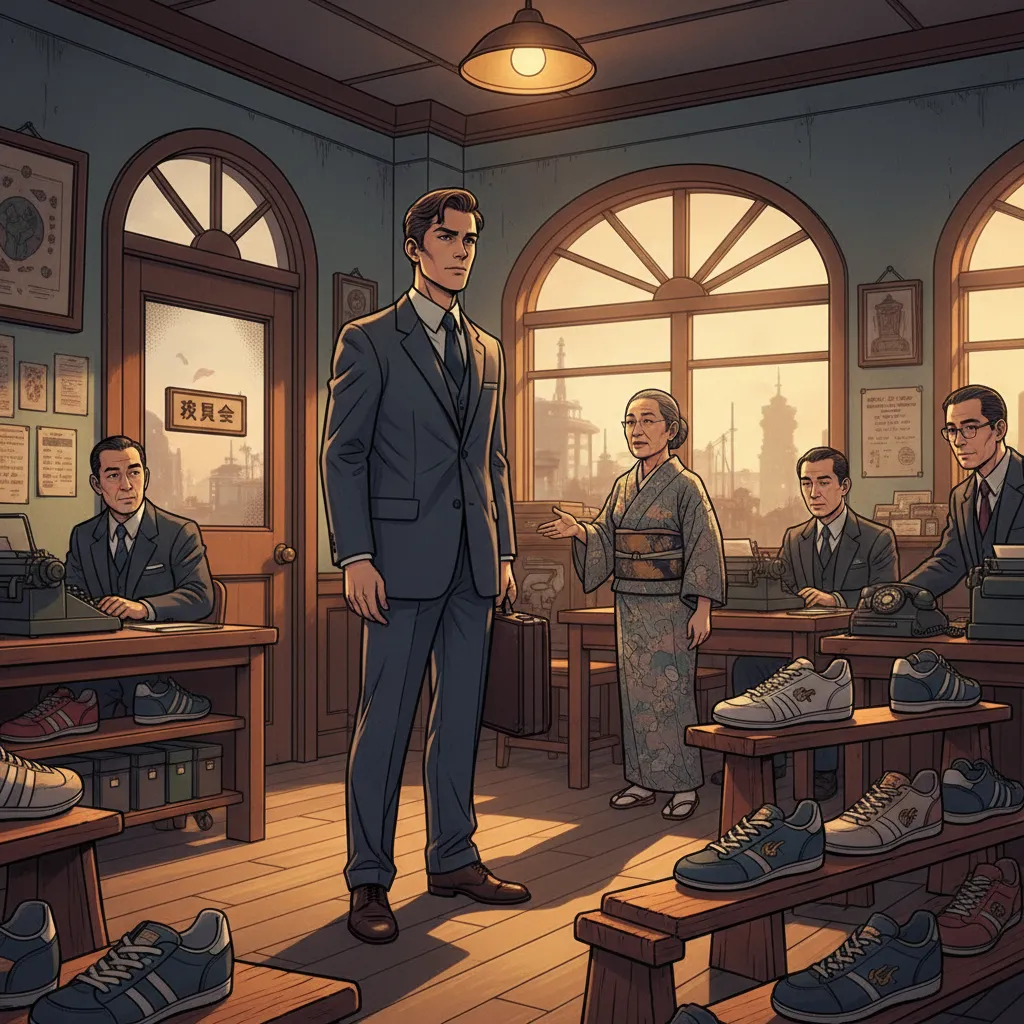
In November 1962, Knight embarked on a trip around the world. When he reached Kobe, Japan, he walked into the offices of Onitsuka Co., the maker of Tiger brand running shoes. He requested a meeting with the executives.
When they asked what company he represented, Knight panicked. He couldn’t say he was a random American tourist with no business. So he invented one. “Blue Ribbon Sports,” he said. “Based in Portland, Oregon.”
The Onitsuka executives were interested. The American market was enormous, and they had no presence there. They agreed to let Blue Ribbon Sports distribute Tiger shoes on the West Coast of the United States. Knight ordered samples — and then flew home to figure out how to actually start a company.
He needed a partner. He called Bill Bowerman, his old coach at Oregon, and proposed a 50-50 partnership. Each would put up $500. Bowerman agreed — but with a condition: he wanted to be involved in the shoe design, not just the sales. He wanted to tinker.
It was the founding partnership that defined Nike: Knight handled the business, Bowerman handled the product. The businessman and the mad scientist. The introvert who understood margins and the obsessive who understood midsoles.
Blue Ribbon Sports was officially incorporated on January 25, 1964. Total initial capital: $1,000.
🚗 Chapter 3: The Car Trunk Years

For the next several years, Knight ran Blue Ribbon Sports out of his parents’ house while working full-time as an accountant at Price Waterhouse and later as an assistant professor at Portland State University. He sold Tiger shoes at track meets, at gyms, and out of the trunk of his car.
His first employee was Jeff Johnson, a fellow runner who sold shoes in California with an almost evangelical passion. Johnson kept meticulous customer records, followed up with buyers by letter, and maintained a catalog of product feedback. He was, in essence, building what would now be called a CRM system — by hand, in the 1960s.
Johnson was also the one who came up with the name Nike. In 1971, when the company was preparing to launch its own brand of shoes (rather than just distributing Onitsuka’s), Knight held a meeting to discuss names. He was partial to “Dimension Six.” Johnson had dreamt of the name Nike — the Greek goddess of victory — and proposed it. Knight didn’t love it. But the deadline for the shoe boxes was the next morning. “I guess we’ll go with Nike,” he said. “I don’t love it. But maybe it’ll grow on me.”
The Swoosh logo was designed by a Portland State University graphic design student named Carolyn Davidson, whom Knight was paying $2 per hour for freelance work. She presented several options. Knight picked the Swoosh. “I don’t love it,” he said — a recurring theme — “but maybe it’ll grow on me.” Davidson was paid $35 for the logo. (Knight later gave her a diamond ring and 500 shares of Nike stock, which would eventually be worth over $1 million.)
🧇 Chapter 4: The Waffle Iron

In 1971, Bill Bowerman did something that would become Nike legend: he poured liquid urethane into his wife’s waffle iron.
Bowerman had been obsessing over the idea of a shoe sole that would grip any surface — track, grass, pavement — without the heavy spikes used by traditional running shoes. Looking at his wife Barbara’s waffle iron one morning, he saw the gridded pattern and had an epiphany: what if a shoe sole had the same waffle-like nubs?
He ruined the waffle iron (Barbara was reportedly not pleased), but the prototype worked. The Waffle Trainer, launched in 1974, was lighter, more versatile, and more comfortable than anything on the market. It became Nike’s first massive commercial hit — and the product that established Nike as an innovator, not just an importer.
The timing was perfect. America was in the middle of a jogging boom. Millions of people who had never run competitively were taking up running for health and recreation. They didn’t need spikes or racing flats. They needed comfortable, lightweight shoes for the road. The Waffle Trainer was exactly that.
By 1974, Blue Ribbon Sports — now doing business as Nike — had revenue of $4.8 million. By 1976, it was $14 million. By 1978, it was $71 million. The company was doubling every year, and Knight was perpetually one bad shipment or one bank call away from bankruptcy.
💸 Chapter 5: Dancing on the Edge

The early years of Nike were defined by financial terror. Knight was growing the company faster than his cash flow could support. He was constantly borrowing against future inventory, negotiating desperately with banks, and floating checks between accounts to cover payroll.
In his memoir Shoe Dog, Knight describes the period from 1972 to 1980 as one long anxiety attack. The Japanese yen was strengthening against the dollar, which raised his manufacturing costs. His bank, First National Bank of Oregon, was growing increasingly nervous about his ballooning credit line. At one point, the bank threatened to call in his loans, which would have killed the company overnight.
Knight survived by finding alternative financing — including a crucial relationship with Nissho Iwai, a Japanese trading company that provided letters of credit for his shoe orders from Asia. Without Nissho Iwai’s backing, Nike would have died in the mid-1970s.
The company went public on December 2, 1980, at $22 per share. The IPO raised $178 million and finally gave Knight the financial cushion he’d been desperate for. But the public markets brought new pressures. For the first time, Knight had to answer to shareholders, analysts, and the quarterly earnings cycle.
🏀 Chapter 6: The Jordan Bet
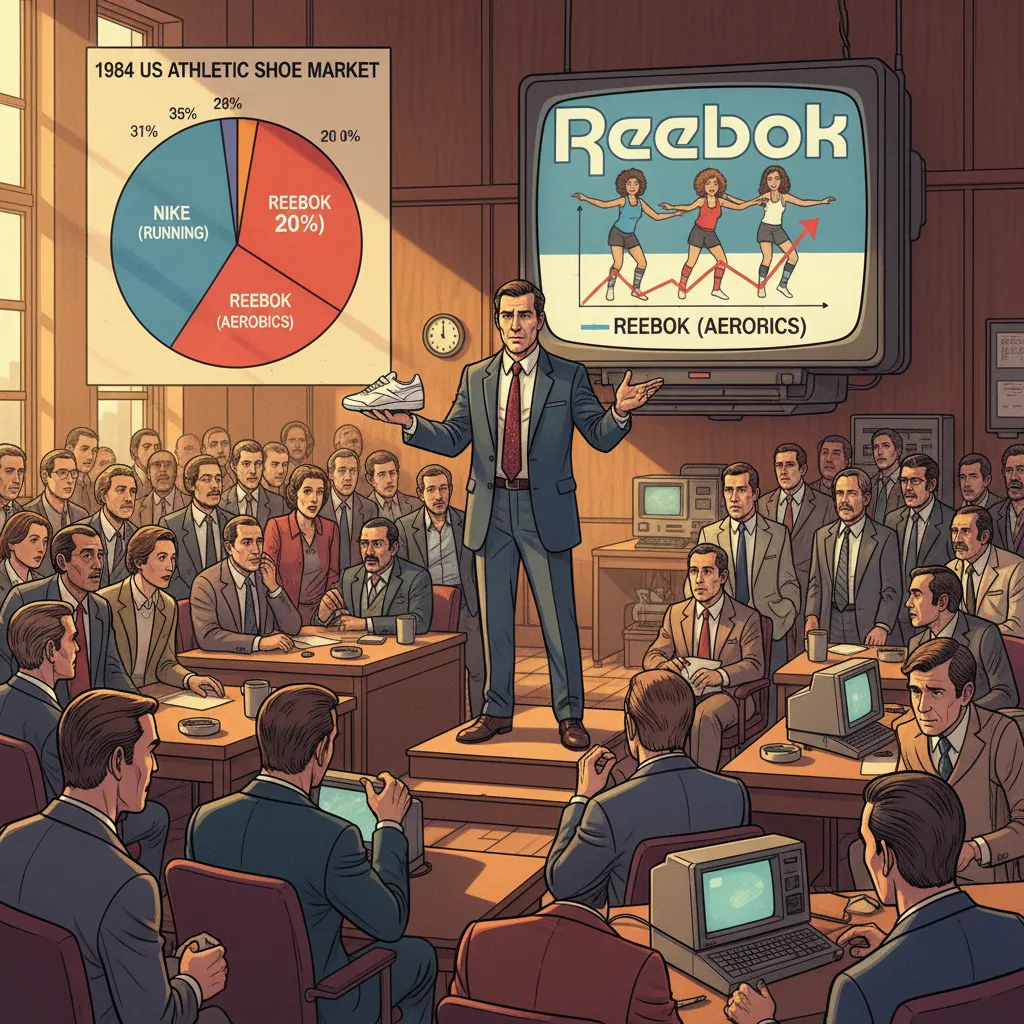
By 1984, Nike was the largest running shoe company in America but was losing ground in the broader athletic shoe market. The fitness boom was shifting from running to aerobics, and Reebok — with its soft leather aerobics shoes — was eating Nike’s lunch. Nike’s revenue had flatlined at around $900 million, and for the first time, the company’s growth story looked finished.
Knight needed something dramatic. His team, led by the young marketing executive Sonny Vaccaro, proposed signing a rookie basketball player from the University of North Carolina: Michael Jordan.
Jordan didn’t want to sign with Nike. He was an Adidas fan. His agent, David Falk, wanted him to sign with Adidas or Converse. But Adidas wasn’t interested in giving Jordan his own signature line, and Converse already had Magic Johnson and Larry Bird under contract. Nike offered Jordan something no other company would: his own brand within the brand. His own shoe. His own logo.
The contract: $2.5 million over five years, plus royalties on every pair of Air Jordans sold. Nike’s internal target was $3 million in Air Jordan revenue over four years. They reached $162 million in the first year.
The Air Jordan 1, released in April 1985, was red and black — the colors of Jordan’s Chicago Bulls. The NBA banned the shoe for violating the league’s uniform policy, which required shoes to be at least 51% white. Nike paid the $5,000 fine for every game Jordan wore them and turned the ban into a marketing campaign: “Banned by the NBA.” Sales went through the roof.
The Jordan deal didn’t just save Nike. It reinvented the entire athletic shoe industry. Before Jordan, athletic shoes were functional products marketed to athletes. After Jordan, they were cultural products marketed to everyone. A pair of Air Jordans wasn’t about basketball performance. It was about identity, aspiration, and cool. Knight understood this instinctively: “People don’t buy shoes,” he told his team. “They buy what the shoes mean.”
🌏 Chapter 7: The Sweatshop Reckoning
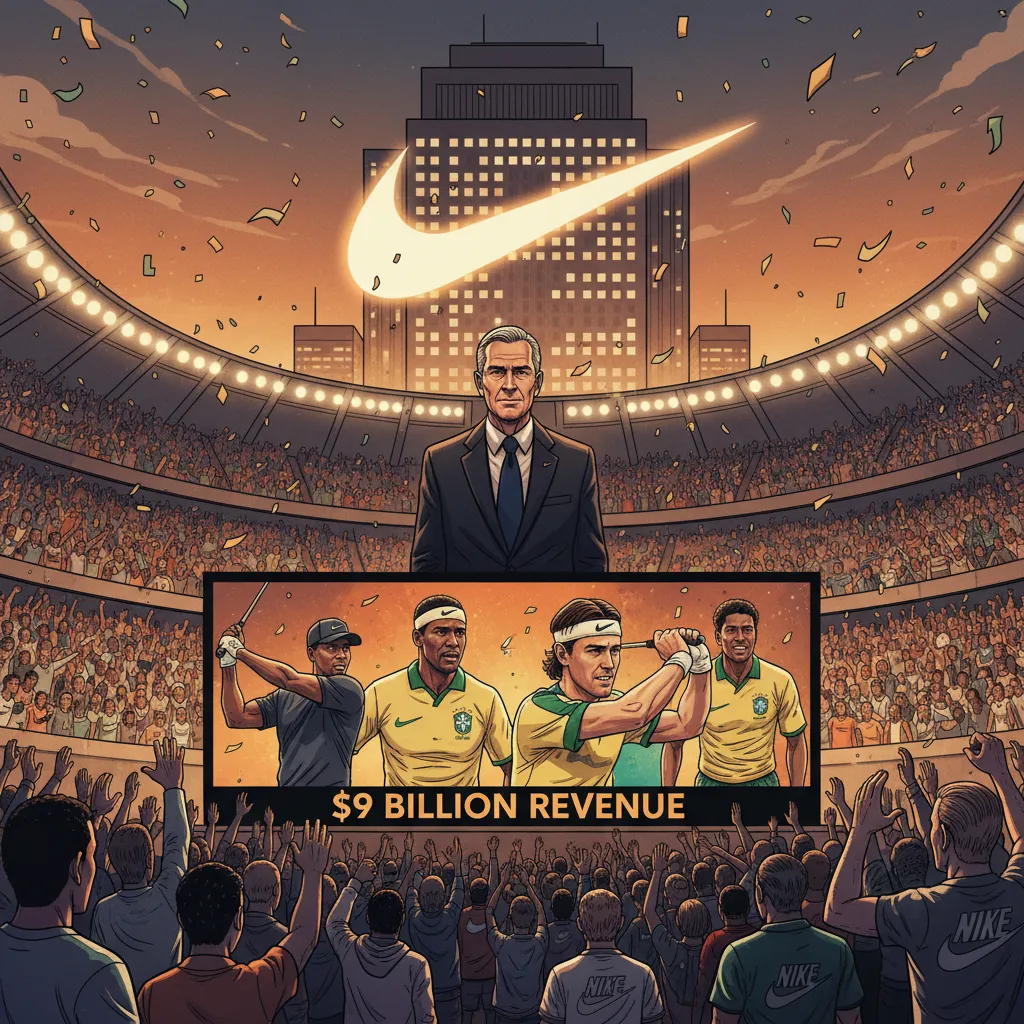
In the mid-1990s, Nike was the most valuable athletic brand on the planet. Revenue had surpassed $9 billion. The Swoosh was ubiquitous. Tiger Woods, Andre Agassi, and the Brazilian national soccer team all wore Nike.
And then the sweatshop stories hit.
In 1996, Life magazine published a photograph of a 12-year-old Pakistani boy stitching a Nike soccer ball. The image went viral before “going viral” was a phrase. CBS News, The New York Times, and documentary filmmakers descended on Nike’s supply chain in Indonesia, Vietnam, and China. They found workers — many of them teenage girls — earning less than $2 per day, working 12-hour shifts in poorly ventilated factories, exposed to toxic adhesives and solvents.
Nike’s initial response was disastrous. Knight and his executives argued that Nike didn’t own the factories — it contracted with independent manufacturers — and therefore wasn’t responsible for working conditions. The defense was technically accurate and morally bankrupt. Consumers didn’t care about the legal structure of Nike’s supply chain. They cared that the $150 shoes on their feet were made by children earning poverty wages.
The backlash was severe. College campuses organized boycotts. Protesters showed up at Nike stores. Doonesbury ran a series of strips mocking Nike’s labor practices. The company’s reputation, painstakingly built over three decades, was being shredded.
Knight eventually capitulated. In May 1998, he gave a speech at the National Press Club in Washington, D.C., that amounted to a public surrender. “The Nike product has become synonymous with slave wages, forced overtime, and arbitrary abuse,” he said. “I truly believe the American consumer doesn’t want to buy products made under abusive conditions.”
He announced a series of reforms: raising the minimum age for factory workers, adopting U.S. OSHA air quality standards in overseas factories, allowing independent monitoring of labor conditions, and expanding micro-lending programs for factory workers.
The reforms were real, but they took years to implement. Nike published its first Corporate Responsibility Report in 2001, disclosing the names and locations of its contract factories — the first major apparel company to do so. The move set the template for supply chain transparency that the rest of the industry eventually followed.
The sweatshop crisis taught Nike — and the business world — a lesson that is still being learned: global supply chains create global responsibilities. You can’t outsource manufacturing and insource the credit. If your logo is on the product, the conditions under which it was made are your brand’s problem.
👟 Chapter 8: The Later Years and Legacy
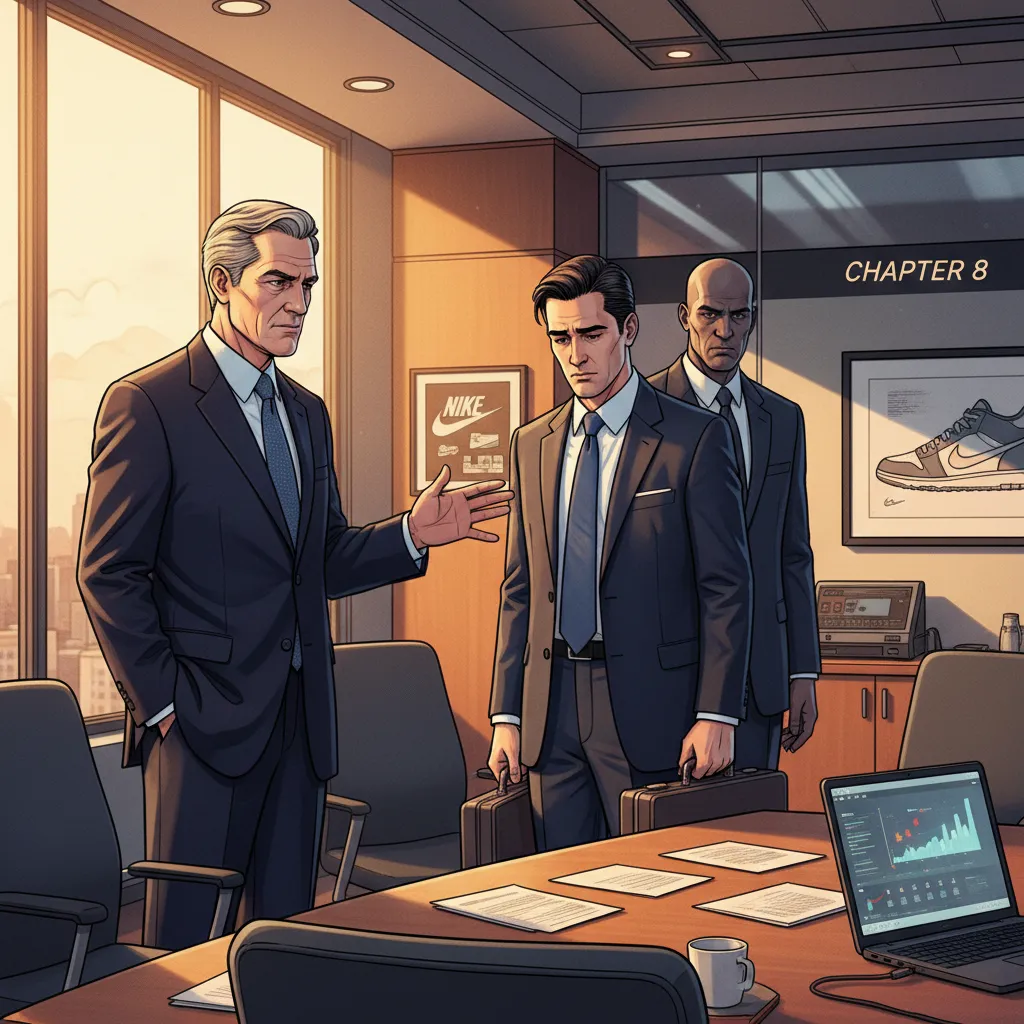
Knight stepped down as CEO in 2004, handing the role to William Perez, an outsider from S.C. Johnson. It lasted 13 months. Knight found Perez’s style incompatible with Nike’s culture and replaced him with Mark Parker, a longtime Nike insider and shoe designer. Parker ran the company for 14 years, growing revenue from $14 billion to $39 billion.
In January 2020, Parker was succeeded by John Donahoe, the former CEO of eBay. The transition was rocky — Donahoe’s strategy of emphasizing direct-to-consumer sales and digital transformation alienated wholesale partners and some longtime Nike employees. In late 2024, Elliott Hill, a 32-year Nike veteran, was named CEO, signaling a return to the company’s roots.
Through all the leadership changes, Knight remained Nike’s spiritual center. As chairman emeritus, he attended board meetings, weighed in on major decisions, and maintained the culture of competitive intensity that he’d built from the beginning.
Knight’s philanthropy, much of it directed through the Knight Foundation and personal donations, has totaled well over $2 billion. He donated $500 million to Stanford, $500 million to the University of Oregon, and hundreds of millions more to cancer research, education, and conservation. In 2016, he and his wife Penny donated $400 million to the Oregon Health & Science University — one of the largest single donations to a medical institution in history.
🏆 Chapter 9: The Numbers
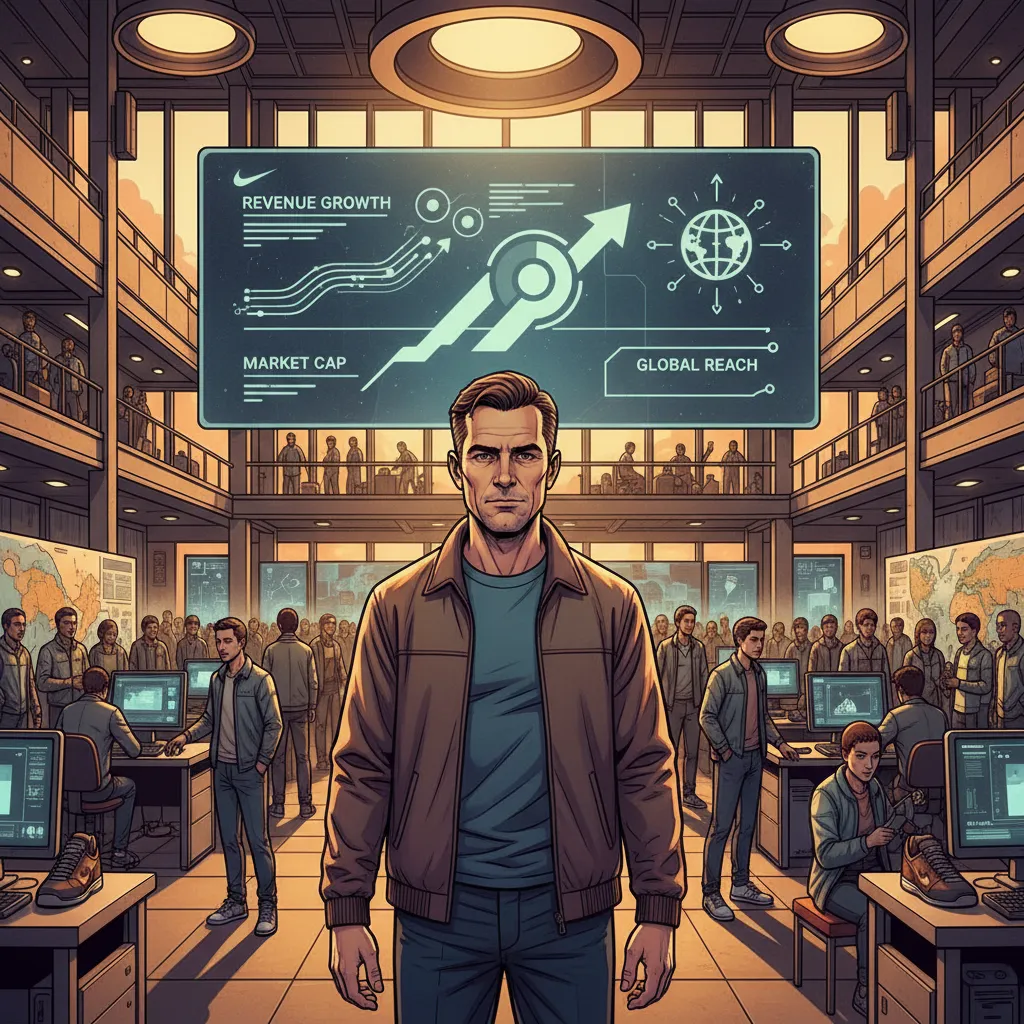
Nike’s fiscal year 2025 revenue: approximately $46 billion. Market capitalization: approximately $150 billion. Employees: roughly 80,000. Number of countries where Nike products are sold: 190. Estimated number of Nike shoes sold per year: over 900 million pairs.
The Jordan Brand alone generates over $7 billion in annual revenue — more than the entire revenue of most athletic shoe companies. Michael Jordan, who never worked a day at Nike headquarters, has earned over $1.5 billion from the partnership. It is the most lucrative athlete endorsement in history by a factor of ten.
Phil Knight’s personal net worth as of early 2026: approximately $47 billion. He is 87 years old. He lives in the Portland area. He still watches Oregon Ducks football from the luxury suite he funded. He still wears Nike shoes.
The Swoosh started as a $35 sketch by a college student. The company started with $1,000 split between a shy accountant and a coach who ruined his wife’s waffle iron. The first inventory was twelve pairs of shoes in the trunk of a Plymouth Valiant.
Now it is everywhere. On the feet of Olympic sprinters and inner-city teenagers. On the jerseys of the NFL, the NBA, and the English Premier League. On billboards in Times Square and market stalls in Lagos. Three words that started as a throwaway advertising tagline — conceived by an agency copywriter named Dan Wieden in 1988, inspired by the last words of a convicted murderer facing execution — became the most famous slogan in commercial history.
Just Do It.
Knight didn’t love the slogan at first. He didn’t love the name Nike. He didn’t love the Swoosh. He didn’t love anything until it started working. And then he loved it with the quiet, stubborn, unreasonable intensity of a man who had sold shoes out of his car trunk and refused — against all evidence and all odds — to stop.
That refusal is the whole story. Everything else is just details.
🥊 Chapter 10: The Battle of the Brands (1970s-1990s)
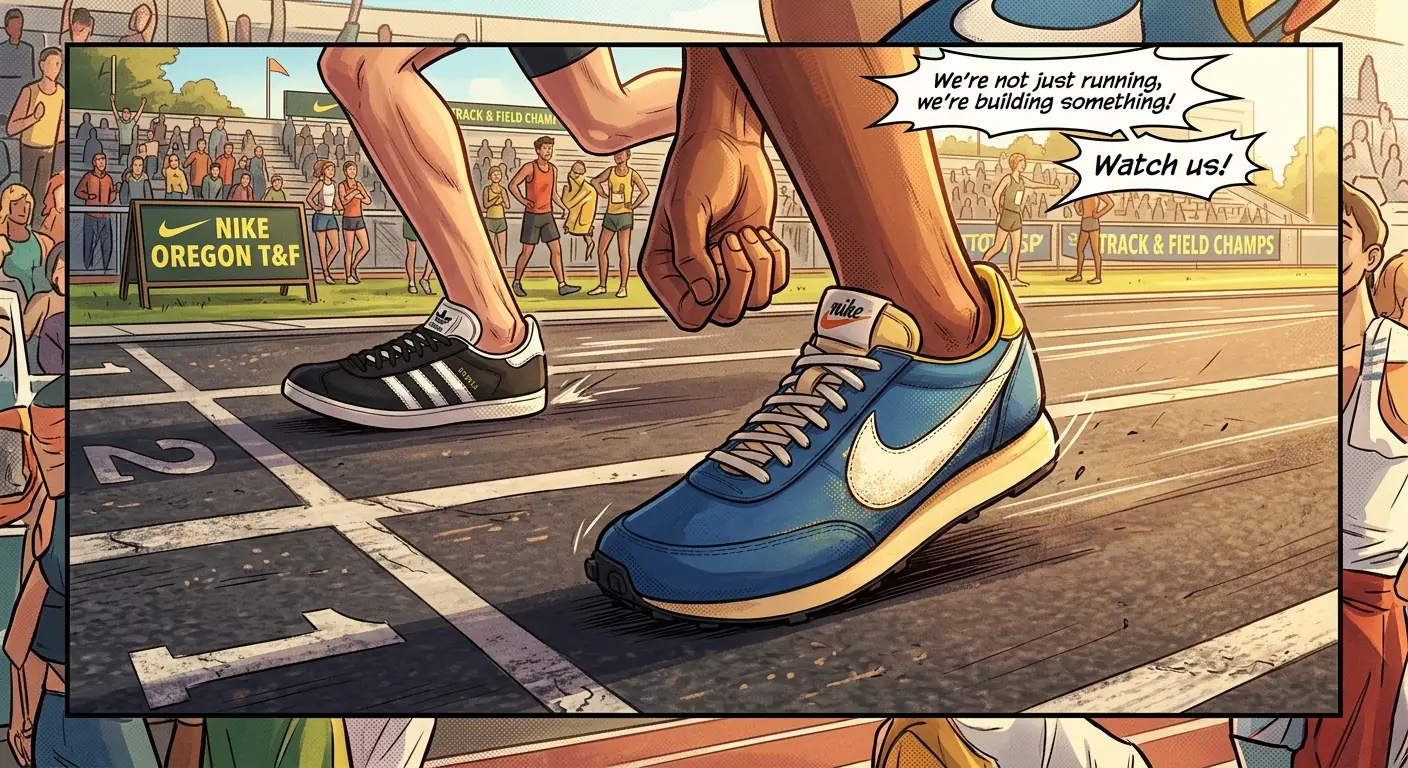
By the late 1970s, Blue Ribbon Sports had officially become Nike, and the little upstart was no longer just selling shoes out of a car trunk. They were a legitimate player, but the field was still dominated by the titans: Adidas and Puma. These German giants had a stranglehold on the athletic world, sponsoring entire Olympic teams and boasting decades of heritage. Nike, with its funny-looking Waffle Trainers and upstart attitude, was the plucky underdog. But as we know, Phil Knight had a knack for turning underdog status into an advantage.
The German Goliath: Taking on Adidas and Puma
In the early days, if you were a serious athlete, you wore Adidas. Period. They had Jesse Owens, they had the World Cup, they had a family feud that powered two separate empires. Nike’s strategy wasn’t to beat them at their own game initially; it was to innovate faster and connect more directly with runners. While Adidas was focused on heavy leather shoes, Nike was pushing lighter, more flexible designs like the Cortez and the Tailwind. They sponsored individual athletes, often college runners, rather than entire federations, creating a grassroots loyalty that the big Germans, with their more corporate approach, simply couldn’t replicate.
It was a classic David-and-Goliath story, except David was armed with lighter materials and a tireless sales force. Nike’s reps were often former runners themselves, speaking the language of the athletes, something the established brands often missed. They understood that the emotional connection to sport was just as important as the technical specs of the shoe. This laser focus on the runner – their pain, their ambition, their desire for speed – allowed Nike to chip away at the German dominance, one pair of shoes at a time. By the end of the 70s, they weren’t just a niche brand; they were a legitimate threat, and the industry knew it.
The Reebok Challenge: Aerobics and the 80s
Just when Nike thought they had the German giants on the ropes, a new challenger emerged from an unexpected corner: Reebok. In the early 1980s, while Nike was still focused on running and basketball, Reebok smartly pivoted to the burgeoning aerobics craze. With shoes like the Freestyle, explicitly designed for women’s fitness, Reebok became the brand for the fitness boom, literally flying off the shelves. For a moment, it looked like Nike had missed the boat, clinging to its running roots while the world danced its way to fitness.
By 1987, Reebok actually surpassed Nike in sales, a truly jarring moment for the company that prided itself on dominance. Phil Knight himself admitted it was a wake-up call, a moment of corporate humility. Nike’s response wasn’t to copy Reebok directly, but to double down on its own identity and expand strategically. They launched their own cross-training lines, yes, but more importantly, they unleashed a marketing blitz that would change the advertising landscape forever.
Marketing Blitz: Advertising as a Weapon
In 1988, Nike launched the “Just Do It” campaign, a three-word slogan that somehow encapsulated everything the brand stood for: grit, determination, and the sheer audacity to try. It was famously inspired by the last words of convicted murderer Gary Gilmore (“Let’s do it”), but Nike repurposed it into a mantra for athletes everywhere. This campaign, along with their groundbreaking use of celebrity endorsements (hello, Michael Jordan!), wasn’t just about selling shoes; it was about selling a lifestyle, an attitude.
“The Nike campaign was not about the product, it was about connecting with people on an emotional level,” says legendary adman Dan Wieden, whose agency Wieden+Kennedy created the slogan. “We wanted to inspire them.”
They did. “Just Do It” resonated globally, transforming Nike from a shoe company into a cultural phenomenon. It allowed them to reclaim their lead from Reebok and cement their position as the undisputed heavyweight champion of athletic apparel, proving that sometimes, the best defense is an unforgettable offense.
✨ Chapter 11: The Swoosh and the Soul (1971-Present)
You know it, you see it everywhere, and for many, it’s as recognizable as the alphabet. We’re talking about the Swoosh. It’s arguably one of the most iconic logos in history, a simple curve that embodies speed, movement, and the wing of a Greek goddess. But its origin story is far less glamorous than its current stature might suggest, proving that even billion-dollar brands can start with pocket change and a stroke of luck.
Birth of a Logo: The Humble Swoosh
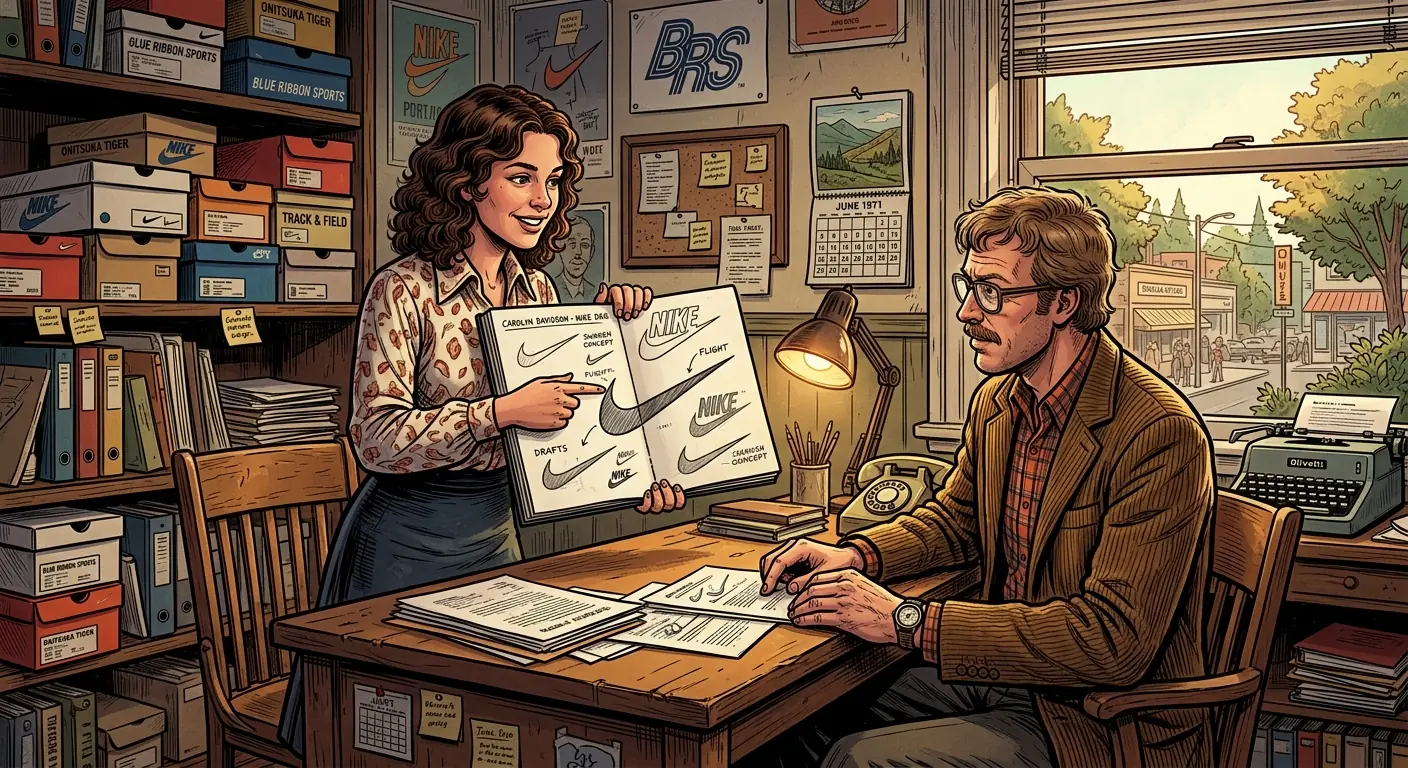
In 1971, Phil Knight and his team were gearing up to launch their own branded shoes, finally shedding the Onitsuka Tiger skin. They needed a logo, and fast. Knight, ever the frugal businessman, approached Carolyn Davidson, a graphic design student at Portland State University, who he knew through an accounting class he taught. He offered her a princely sum: $2 per hour. Davidson, needing the cash, took the gig.
She presented several designs, and Knight, famously unimpressed, picked one almost begrudgingly. “Well, I don’t love it,” he reportedly said, “but maybe it will grow on me.” That “it” was the Swoosh. For her efforts, Davidson was paid a grand total of $35. Yes, you read that right. Thirty-five dollars for a logo that would one day be worth billions. Later, in 1983, Knight would make amends, gifting her a gold Swoosh ring embedded with a diamond and a significant, undisclosed amount of Nike stock. A good thing, too, because that $35 now sounds like the biggest bargain in corporate history. The name “Nike” itself was suggested by Jeff Johnson, the company’s first full-time employee, inspired by the Greek goddess of victory. It certainly felt prophetic.
Beyond the Track: Nike as a Cultural Icon
While the Swoosh and the name were born, their true power lay in how they were woven into the fabric of culture. Nike didn’t just sell shoes; it sold aspiration. By the 1980s and especially into the 90s, Nike transcended its athletic roots. It became a staple in street culture, hip-hop, and fashion. Rappers rhymed about their Jordans, B-boys broke in their Blazers, and suddenly, Nike was everywhere – not just on the feet of elite athletes, but on every kid who wanted to feel cool, confident, and connected to something bigger.
This wasn’t an accident. Nike understood the power of youth culture and invested heavily in marketing that spoke directly to it. They embraced bold colors, innovative designs, and collaborations that blurred the lines between sport and style. They made it cool to wear sneakers with everything, democratizing fashion in a way few brands had before. The Swoosh became a badge of honor, a symbol of belonging, and a statement of individuality all at once. It was a masterclass in brand building, transforming a functional item into a cultural artifact.
The Power of Storytelling: Elevating Athletes and Aspiration
Nike’s enduring genius lies in its ability to tell stories. They don’t just endorse athletes; they elevate them to heroic status. Think about the iconic ads: Michael Jordan soaring, Tiger Woods breaking barriers, Serena Williams dominating. These weren’t just product placements; they were mini-narratives of human struggle, triumph, and the relentless pursuit of greatness. Nike understood that people buy into stories, not just products.
“The goal is not to sell a specific shoe,” Knight has often implied through his actions, “but to sell the spirit of sport.”
They tapped into universal themes of ambition, resilience, and personal best. By associating their brand with these powerful narratives, Nike imbued the Swoosh with emotional resonance far beyond its simple design. It became a symbol for anyone pushing their limits, whether on the track, in the boardroom, or just trying to get out of bed on a Monday morning. The Swoosh isn’t just a logo; it’s a promise, an invitation, and a quiet challenge to “Just Do It.”
💔 Chapter 12: A Father’s Grief and a Legacy of Giving (1990s-2000s)
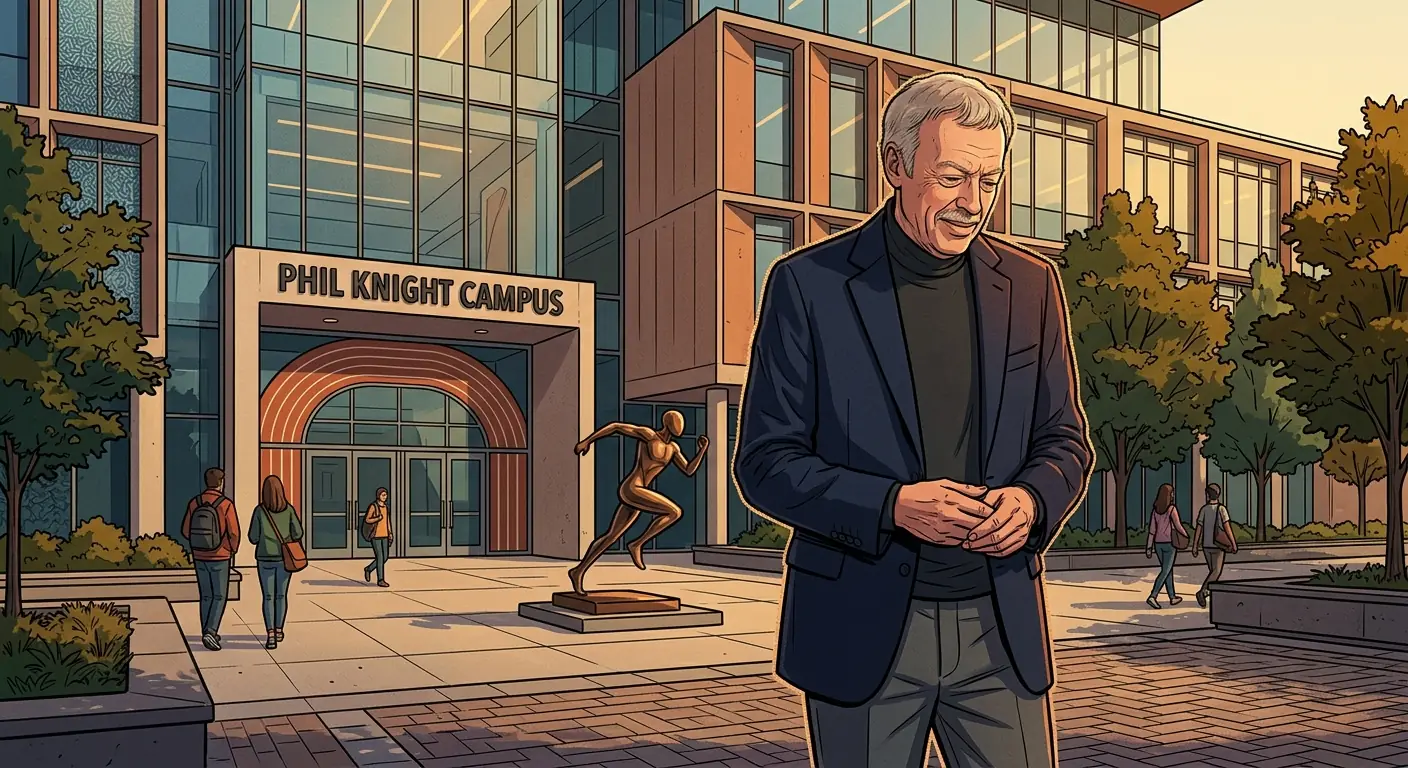
For all the billions, the global recognition, and the seemingly impenetrable corporate exterior, Phil Knight has always been a deeply private man. He shies away from the spotlight, preferring the quiet hum of his Oregon home to the glare of public life. This quietude, however, was shattered by a personal tragedy that would forever mark him, and ultimately, redirect a significant portion of his staggering wealth towards causes close to his heart.
The Private Man: Behind the Billionaire Persona
Phil Knight might be one of the richest men on the planet, but he never truly shed his shy, introverted accountant persona. Unlike many larger-than-life CEOs, he rarely sought media attention, preferring his shoes (and his athletes) to do the talking. His memoir, “Shoe Dog,” was a rare glimpse into his inner world, revealing a man driven by relentless ambition but also plagued by self-doubt and personal struggles. He guarded his family life fiercely, keeping his wife, Penny, and their two sons, Matthew and Travis, largely out of the public eye.
This intensely private nature made the public nature of his eventual philanthropic endeavors all the more remarkable. It wasn’t about ego or public adoration; it was about a profound desire to make an impact, often in the places that shaped him most: Oregon and its institutions. But before the grand gestures, there was a deeply personal crucible that tested the very fabric of his being.
An Irreparable Loss: The Death of Matthew Knight
In 2004, tragedy struck the Knight family when Phil’s elder son, Matthew Knight, died at the age of 34 from a heart attack while scuba diving in El Salvador. Matthew, a filmmaker, had been traveling the world, living a life distinct from the corporate empire his father built. His death was a devastating blow to Phil, who described it as the worst moment of his life.
“I still miss Matt every day,” Knight wrote in “Shoe Dog.” “I still have conversations with him. I still wonder what he’d think, what he’d say, what he’d do.”
The grief was immense and profound, a reminder that even immense wealth cannot shield one from the deepest human sorrows. This period of intense personal loss undoubtedly shaped Knight’s perspective on life, legacy, and the true purpose of accumulated fortune. It’s a poignant counterpoint to the relentless pursuit of business success, highlighting the fragile humanity at the core of even the most formidable tycoons.
Giving Back: The OHSU and University of Oregon Benefactor
In the wake of his son’s death, and as he began to step back from the day-to-day operations of Nike, Phil Knight, along with his wife Penny, turned increasingly to philanthropy. Their giving has been nothing short of transformative, particularly for institutions in their home state of Oregon. In 2016, the Knights announced a staggering $500 million donation to the Oregon Health & Science University (OHSU) for cancer research, with the condition that OHSU raise an additional $500 million in ten years – a challenge they swiftly met. This unprecedented gift was spurred by Phil’s personal experience with cancer within his family.
Beyond healthcare, the University of Oregon, Knight’s alma mater, has been a major beneficiary. The Knights have poured hundreds of millions into the university, funding everything from state-of-the-art athletic facilities (including the iconic “Autzen Stadium” and “Knight Arena”) to academic programs and campus infrastructure. Their donations, totaling well over $1 billion to the university alone, have reshaped the campus and significantly elevated its profile. These acts of immense generosity, often made with minimal fanfare, paint a picture of a man who, after building an empire from nothing, found a profound new purpose in giving back, leaving a legacy not just of athletic prowess, but of profound societal impact.
🚀 Chapter 13: The Ever-Evolving Empire (2000s-Present)
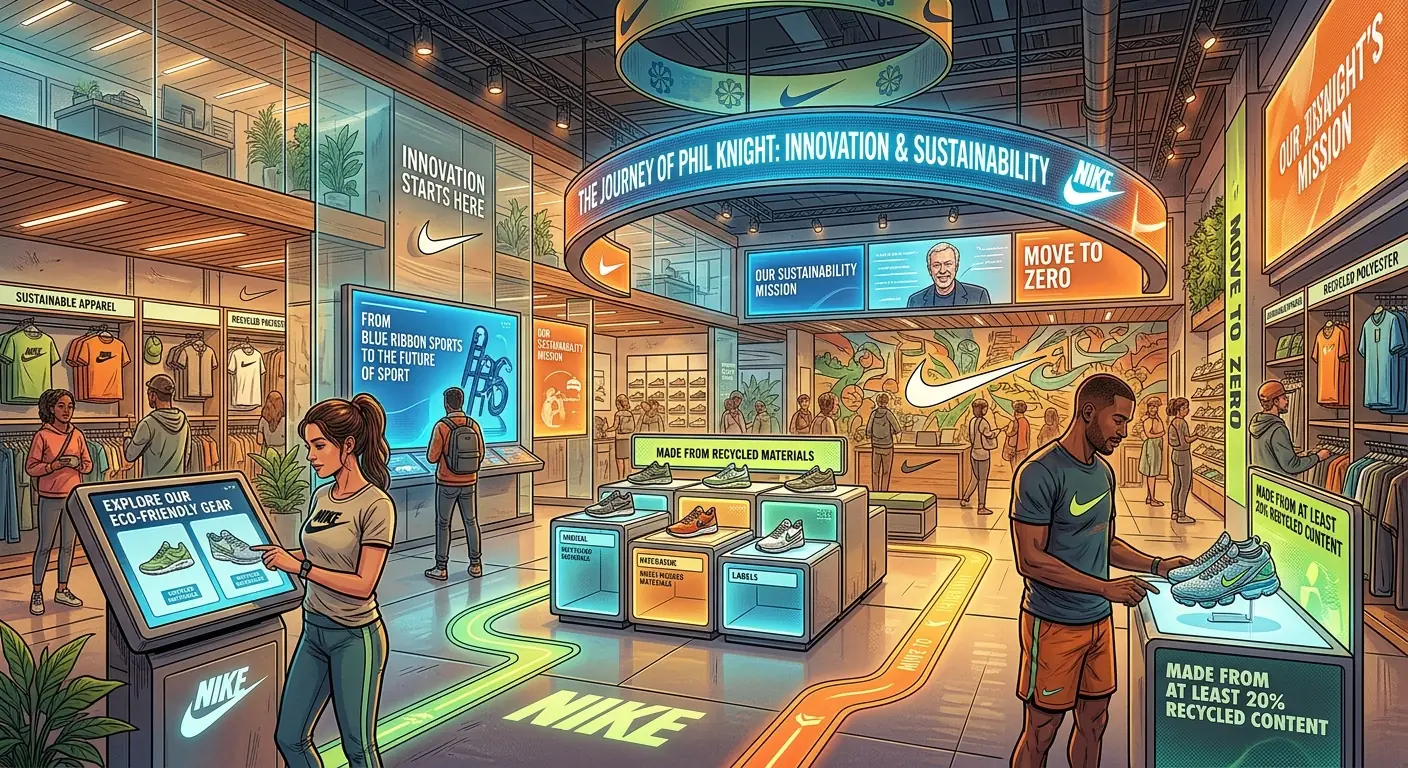
Phil Knight officially stepped down as CEO of Nike in 2004 and as chairman in 2016, marking the end of an era. The shy accountant who dreamt of Japanese shoes had built a global behemoth. But empires don’t sustain themselves on past glories alone. The 21st century brought new challenges: the rise of digital commerce, shifting consumer values, and an ever-more-crowded athletic market. Nike, under new leadership, had to continue to innovate, adapt, and occasionally, reinvent itself.
Passing the Baton: Life After Phil Knight
When Phil Knight retired as CEO, he handed the reins to William D. Perez, a former S.C. Johnson & Son executive. This transition was short-lived, with Perez departing in 2006. Knight then brought in Mark Parker, a Nike veteran who had been with the company since 1979 and served as co-president. Parker, known for his deep understanding of product and design, led Nike through a period of significant growth and innovation for over a decade. He understood that while the “Shoe Dog” was gone from day-to-day operations, his philosophy of relentless innovation and athlete-centric design had to endure.
Under Parker, Nike expanded into new categories, deepened its digital presence, and navigated the complex waters of global supply chains and evolving consumer demands. In 2020, Parker stepped down as CEO, becoming Executive Chairman, and John Donahoe, a tech veteran from ServiceNow and eBay, took over. This marked a significant shift, signaling Nike’s increasing focus on digital transformation and direct-to-consumer sales, recognizing that the future of retail wasn’t just in brick-and-mortar stores. The legacy of Knight’s entrepreneurial spirit lives on, but the company is now helmed by leaders with a distinct vision for a new era.
Digital Dominance and Direct-to-Consumer
One of the most crucial strategic shifts for Nike in the 21st century has been its aggressive pivot towards digital innovation and a direct-to-consumer (DTC) model. Recognizing the power of e-commerce and the desire for personalized experiences, Nike has invested heavily in its own digital platforms. The Nike SNKRS app, for instance, has become a cultural phenomenon for sneakerheads, creating hype and exclusive drops that drive engagement and sales.
They also developed the Nike+ ecosystem, merging athletic performance with technology through apps like Nike Run Club and Nike Training Club, collecting invaluable data and building a stronger community around the brand. This DTC strategy, which involves reducing reliance on wholesale partners and selling directly to customers online and through Nike-owned stores, has allowed them greater control over branding, pricing, and the customer experience. In 2023, Nike reported that its DTC revenue accounted for over 40% of its total brand revenue, a testament to the success of this strategic gamble. It’s a bold move, cutting out the middleman, but for a brand as powerful as Nike, it has proven to be incredibly lucrative, offering higher margins and a deeper relationship with its vast consumer base.
The Next Frontier: Sustainability and Social Responsibility
As the world grapples with climate change and social inequality, Nike, like all global corporations, faces increasing pressure to demonstrate its commitment to sustainability and social responsibility. The sweatshop controversies of the 1990s (Chapter 7) were a harsh lesson, and the company has since made concerted efforts to improve its labor practices and environmental footprint.
Under initiatives like “Move to Zero,” Nike aims for zero carbon and zero waste, utilizing recycled materials like Flyknit and Space Hippie shoes made from factory floor scraps. They’re investing in renewable energy, reducing water usage, and designing products with their end-of-life in mind. While criticisms persist, the shift is undeniable. The company also continues to engage in social justice initiatives, using its powerful platform to advocate for diversity, inclusion, and equality in sports and beyond. This isn’t just good PR; it’s becoming a fundamental expectation from consumers, especially younger generations. Phil Knight might have built Nike on speed and innovation, but the next chapter of its empire will undoubtedly be written on the pillars of purpose and planet, ensuring the Swoosh continues to fly high in a rapidly changing world.
💡 Key Insights
- ▸ Knight's founding insight — written in a Stanford MBA paper — was that Japanese manufacturers could do to German athletic shoes what Japanese camera makers had done to German cameras: produce equivalent quality at a fraction of the cost. He didn't invent a new product. He identified an arbitrage between manufacturing costs and consumer willingness to pay.
- ▸ The partnership between Knight (the businessman) and Bill Bowerman (the coach/innovator) created a company that was simultaneously obsessed with product performance and commercial scale. Most companies lean one way or the other. Nike's dual DNA — half lab, half trading floor — was its structural advantage.
- ▸ The decision to sign Michael Jordan in 1984 for $2.5 million over five years — when Jordan was an unproven rookie and Nike was the third-largest shoe company — is the greatest endorsement deal in business history. Air Jordan generated $162 million in revenue in its first year alone. Knight understood that athletic shoes aren't technical products. They're identity products. And identity is sold through heroes.
- ▸ Knight nearly destroyed Nike multiple times through financial recklessness — taking on dangerous levels of debt, fighting with banks, and growing faster than his cash flow could support. His memoir, Shoe Dog, is remarkably honest about how close the company came to bankruptcy in its first 15 years. The lesson: many of the world's greatest companies were one bad quarter away from death.
- ▸ The sweatshop crisis of the late 1990s — when Nike was exposed for using child labor and paying poverty wages in Asian factories — is a case study in how brand value can become a liability. The same cultural visibility that made Nike desirable made it the primary target for anti-globalization activists. Knight's eventual response — transparency, factory audits, and wage improvements — became the template for corporate supply chain accountability.