Radhakishan Damani: The Quiet Retail Discipline Behind DMart
Radhakishan Damani left trading to build DMart, using ownership, low costs, fast inventory turns, and patient expansion to challenge India's retail giants.
View all stories about this mogul
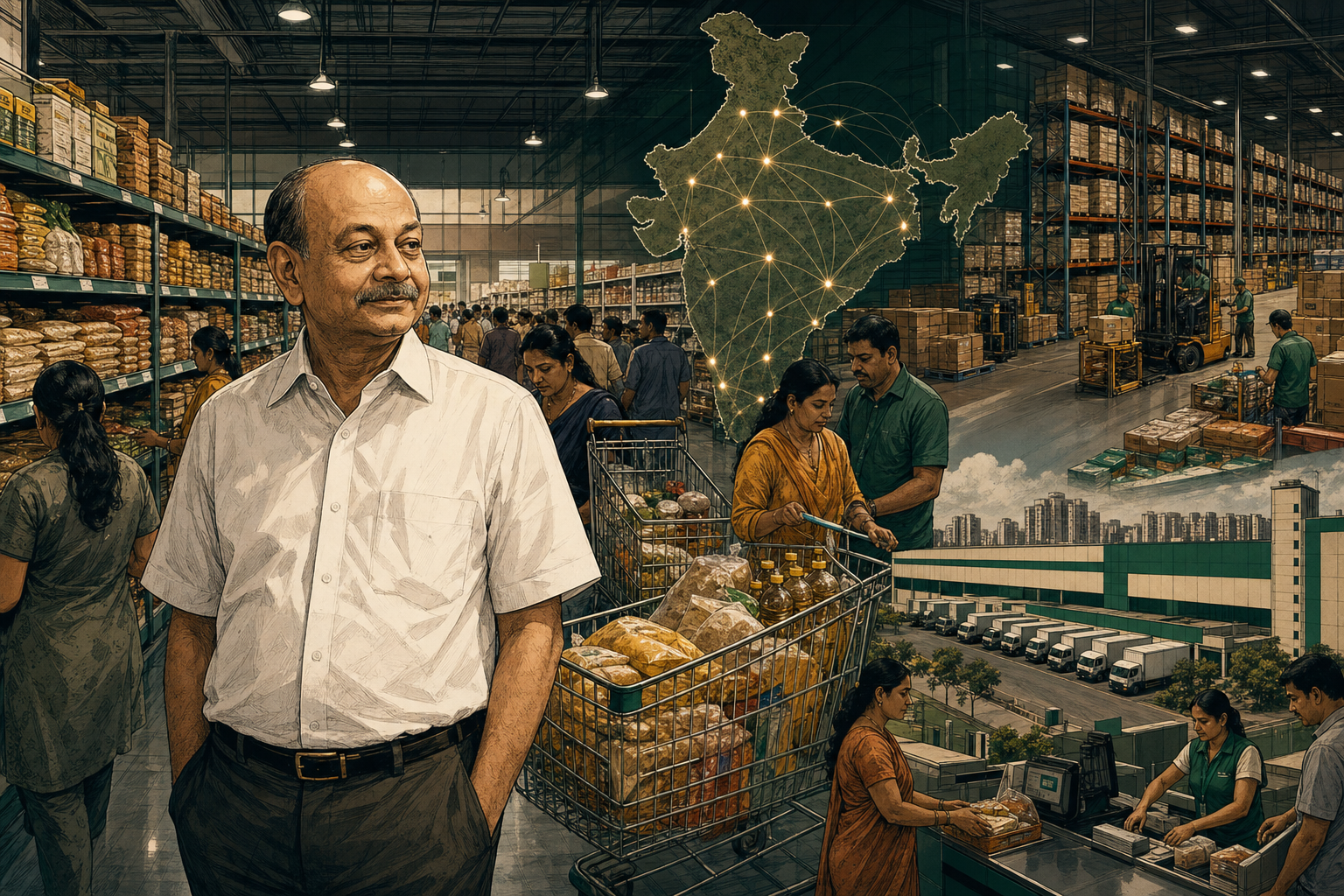
Radhakishan Damani built one of India’s most valuable retailers by making patience look aggressive.
DMart stores were not designed as monuments. They were designed to move everyday goods through a low-cost box, turn inventory quickly, and give households a reason to return. Behind that simplicity sat an unusual combination: a former stock-market investor applying capital discipline to physical retail.
Why Did Damani Leave Trading for Grocery Aisles?
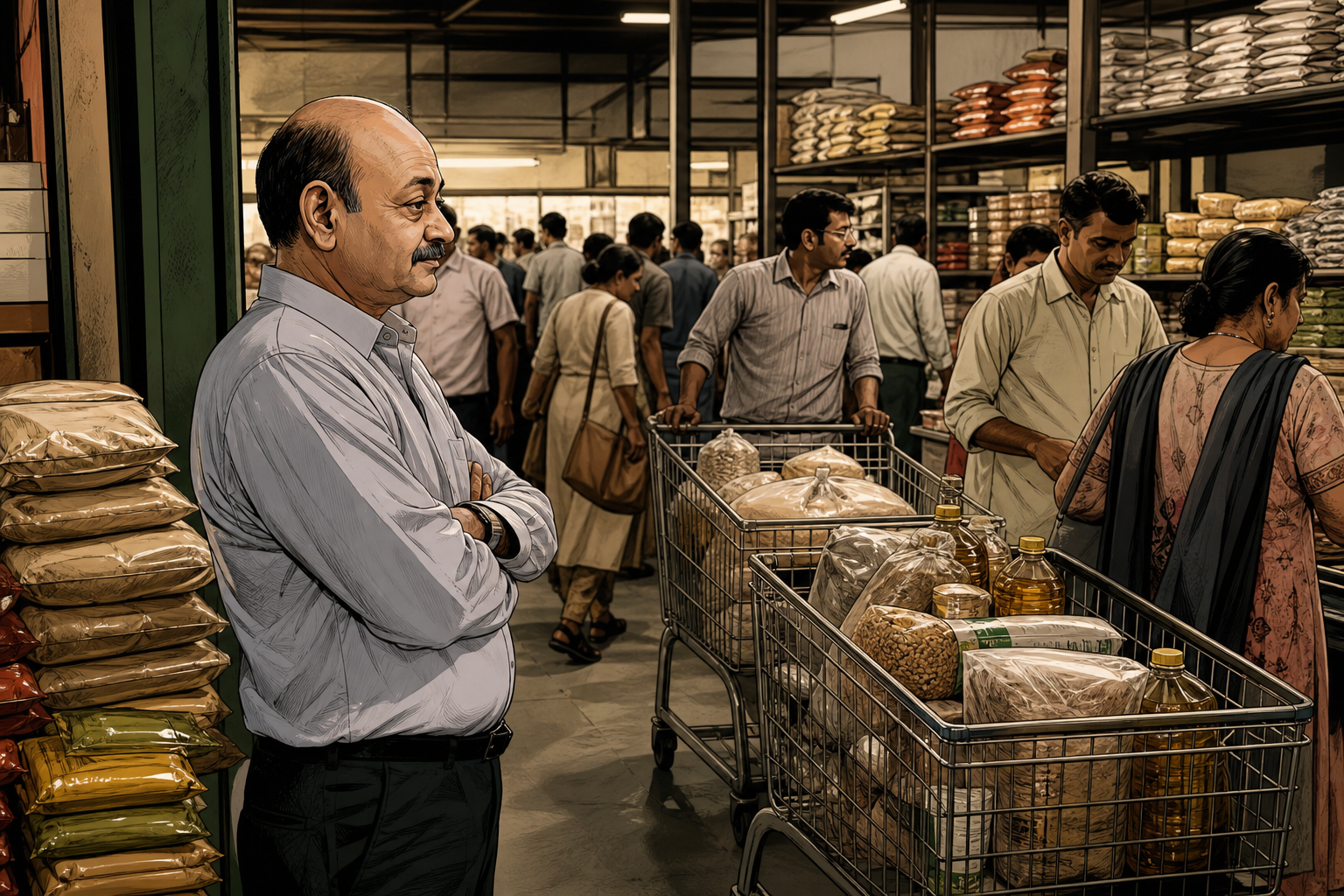
Damani became known in Indian markets as a disciplined investor before he became a retailer. That background shaped the move into Avenue Supermarts, the company behind DMart. He understood that a business is not attractive because its stores are busy; it is attractive when unit economics, working capital, and reinvestment produce durable returns.
The first DMart store opened in the Mumbai region in 2002. Organized retail in India faced hard constraints: expensive real estate, fragmented distribution, price-sensitive customers, and regional differences that punished copy-and-paste expansion.
DMart focused on food, household products, and other repeat purchases. The promise was straightforward value rather than a theatrical shopping experience. A customer who believed the basket would be cheaper had a reason to return weekly without a new campaign.
Damani’s investor temperament mattered. Retail failures often begin when expansion becomes a substitute for proof. DMart expanded deliberately, learning store economics and building density before chasing a national map.
How Did DMart Turn Frugality Into a Moat?
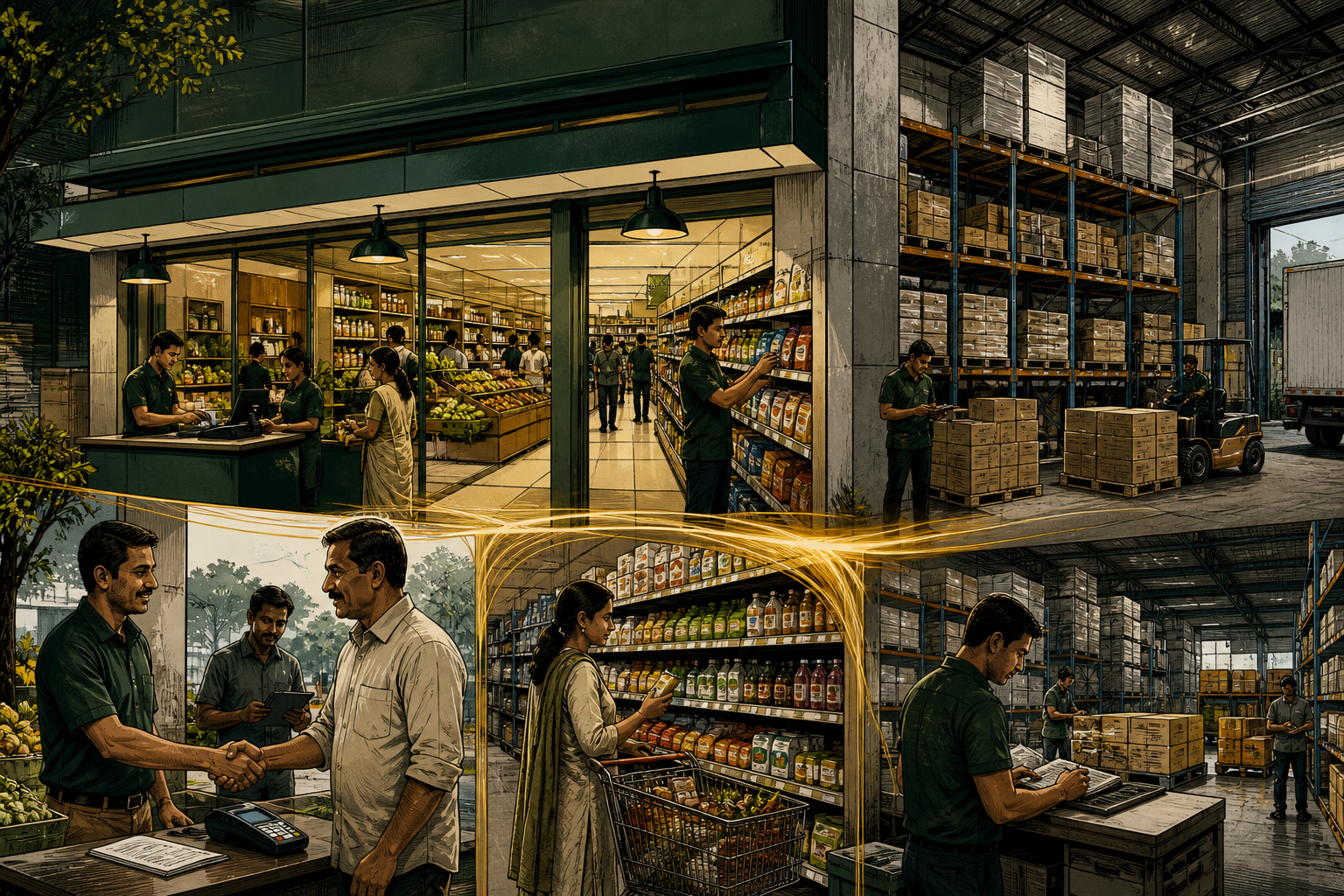
Everyday-low-price retail is an operating system. Low prices must be funded by lower costs, better purchasing, faster turns, or thinner margins that competitors cannot tolerate.
DMart became associated with owning many store properties rather than relying entirely on leases. Ownership requires more capital and can slow growth, but it reduces exposure to rent escalation and gives the company control over locations. In a long-duration model, occupancy economics can matter more than launch speed.
Supplier relationships were another lever. Faster payment can earn better terms, reliable allocation, and trust. Inventory discipline keeps less cash trapped in products that do not move. A limited, practical assortment can simplify operations while still serving the household basket.
None of these advantages looks spectacular in isolation. Together they reinforce one another. Lower occupancy pressure supports lower prices; lower prices drive volume; volume improves purchasing power; fast turns free cash for the next store.
What Is the Real Lesson of the DMart Machine?

Avenue Supermarts’ 2017 public listing made Damani’s fortune and the market’s admiration visible. It also raised expectations. Public investors can reward discipline until growth slows, then demand the speed that discipline was designed to resist.
DMart now faces a changed retail landscape. Quick-commerce platforms promise delivery in minutes, national chains compete for scale, and digital shopping changes which categories need a large physical trip. Property ownership is protection when a store is productive and a burden when catchments shift.
The strategic challenge is to adapt without dismantling the economics. Digital fulfillment can add convenience but also picking, delivery, and technology costs. The DMart model cannot simply move online and assume the margin structure follows.
Damani’s deepest lesson is that low price is an outcome, not a slogan. It comes from thousands of choices about land, suppliers, inventory, assortment, and expansion. His quiet empire proves that patience can be a competitive weapon—provided the company keeps learning faster than the market around it changes.
💡 Key Insights
- ▸ Everyday-low-price retail depends on cost structure, not advertising alone.
- ▸ Owning stores can protect occupancy economics while slowing expansion.
- ▸ Fast supplier payment can improve terms and product availability.
- ▸ Geographic density can be more valuable than a headline store count.