Renuka Jagtiani: The Operator Who Carried Landmark Group Into Its Next Era
Renuka Jagtiani helped turn Landmark Group into a regional retail platform, then faced the harder test: carrying a founder-built company through succession.

View all stories about this mogul
Renuka Jagtiani inherited no easy finish line. She inherited a moving retail system spread across countries, brands, malls, warehouses, websites, and generations.
Landmark Group began with her late husband Micky Jagtiani’s single Bahrain store in 1973. Renuka helped transform that entrepreneurial base into a major Middle Eastern and Indian retail platform. After his death in 2023, the central question changed from growth to continuity: could a founder-shaped group become an institution?
How Did Landmark Build a Regional Retail Platform?
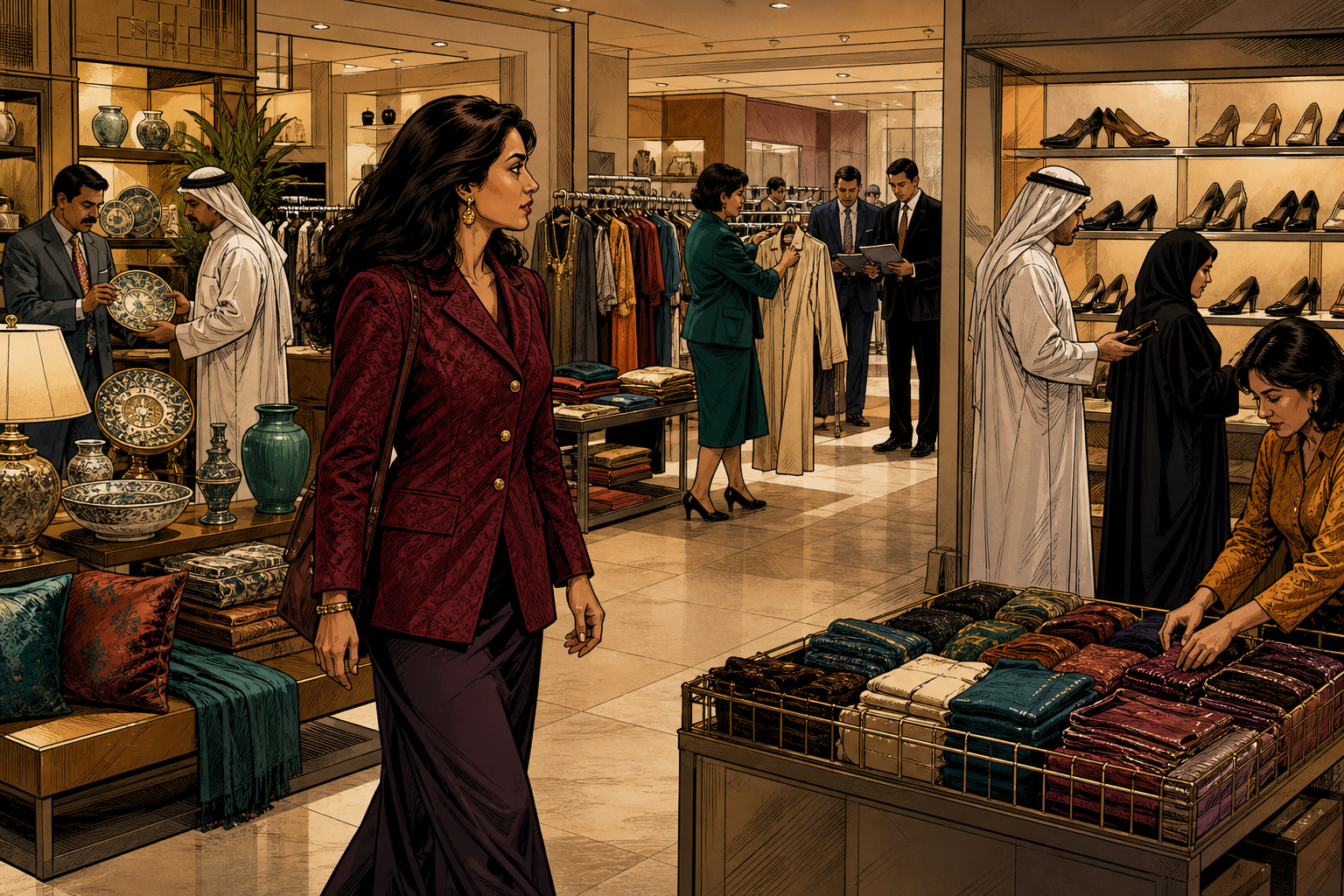
The Gulf’s retail boom created opportunity, but it did not reward simple replication. Consumers, climates, family shopping patterns, property markets, and import logistics differed across countries. Landmark built concepts for value-conscious regional demand rather than relying only on licensing Western names.
Renuka joined the business in the 1990s and became closely associated with strategy and the development of the portfolio. Fashion, footwear, children’s products, home goods, hospitality, and other categories created multiple reasons for a household to remain inside the group’s ecosystem.
The portfolio produced leverage. Brands could share real-estate relationships, sourcing knowledge, distribution infrastructure, technology, and customer data. It also created complexity: every concept needed a clear price position, merchandise rhythm, and reason to occupy physical space.
The Jagtianis’ advantage was regional operating memory. They knew which formats traveled, which categories needed localization, and how mall economics interacted with store productivity.
What Did Renuka Add to the Founder-Built Machine?
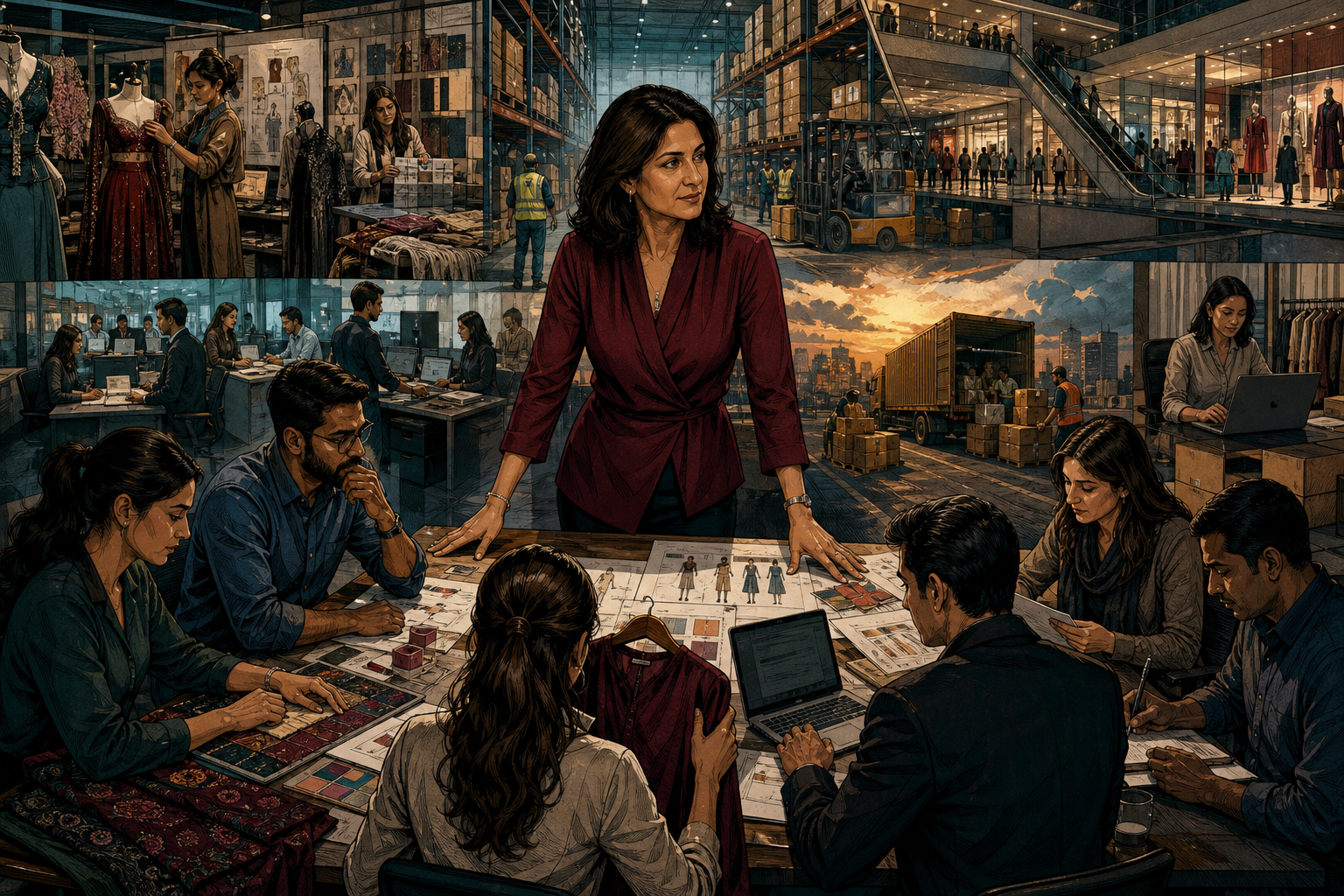
Founder stories often compress a company into one charismatic person. Landmark’s scale required a broader operating architecture. Renuka’s role became visible in how the group professionalized, expanded concepts, and navigated the shift from store-led retail to omnichannel expectations.
Fashion retail punishes slow feedback. Buyers commit capital months before customers decide. Unsold inventory must be discounted; missed demand sends shoppers elsewhere. A multi-brand group can use shared data and sourcing power, but centralization can also make decisions distant from the customer.
Digital commerce added a second store inside every store. Inventory needed to be visible across channels, fulfillment needed speed, and promotions needed consistency. The physical network remained an advantage only if technology could turn locations into useful inventory and pickup points rather than fixed overhead.
Renuka’s operating challenge was balance: preserve the local judgment that built the group while standardizing enough systems to manage scale.
What Is the Real Lesson of Landmark’s Succession?

Micky Jagtiani’s death forced private succession into public view. Renuka became chairwoman and the next generation already held leadership roles. Family continuity can protect long-term thinking, but it does not automatically create clear accountability.
The strongest succession plans transfer decision rights before a crisis, develop leaders through real operating responsibility, and build governance that can challenge family members. A title without authority creates paralysis; authority without controls creates concentration risk.
Landmark also faces structural pressure. Fast-fashion specialists shorten product cycles, global marketplaces widen choice, quick delivery raises service expectations, and mall traffic no longer guarantees conversion. A broad portfolio can diversify risk, yet weak concepts can hide behind group scale.
Renuka Jagtiani’s legacy will be judged less by whether Landmark preserves every old format than by whether it preserves the ability to adapt. She helped turn one founder’s opportunity into a platform. The next era depends on turning family memory into institutional learning—so the group can change without forgetting why customers entered its stores in the first place.
💡 Key Insights
- ▸ Regional retail scale depends on local operating knowledge, not just imported brands.
- ▸ A portfolio of concepts can share infrastructure while multiplying complexity.
- ▸ Succession succeeds when authority transfers with systems, not titles alone.
- ▸ Private family ownership supports patience but raises governance stakes.