Su Zhu and Kyle Davies: How Two Friends Blew Up a $10 Billion Crypto Fund
Three Arrows Capital was crypto's smartest hedge fund — until it became crypto's biggest disaster. Two former classmates leveraged billions on a thesis that couldn't survive reality.
View all stories about this mogul
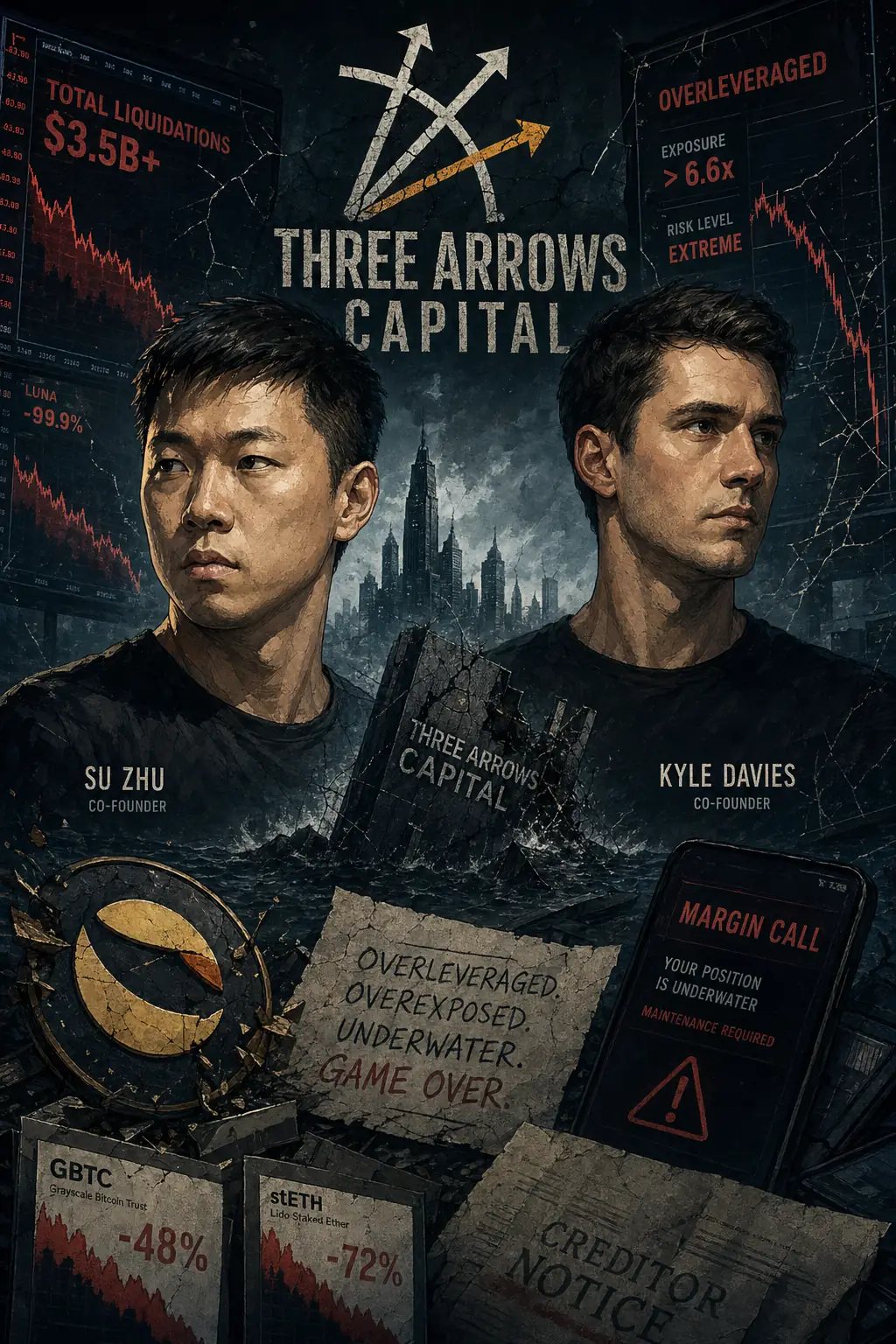
Su Zhu and Kyle Davies were childhood friends who became crypto billionaires, then became crypto’s most spectacular failures. Their hedge fund, Three Arrows Capital — known universally as 3AC — managed roughly $10 billion at its peak. When it collapsed in June 2022, it left behind $3.5 billion in claims from creditors, triggered a cascade of bankruptcies across the crypto industry, and sent both founders fleeing to jurisdictions without extradition treaties. One of them didn’t flee fast enough.
This is the story of how two smart, well-educated men convinced an entire industry to lend them billions of dollars with almost no collateral, bet it all on the belief that crypto prices could only go up, and then disappeared when they were wrong.
Chapter 1: The Phillips Academy Connection (1987–2008)

Su Zhu and Kyle Davies met as teenagers at Phillips Academy in Andover, Massachusetts — one of the most prestigious prep schools in America. Andover has educated presidents (both George Bushes), Fortune 500 CEOs, and generations of American elites. Tuition runs over $60,000 a year. It’s the kind of place where connections made at sixteen shape careers for decades.
Zhu was born in China and raised in various countries as his family moved for work. Davies was American, raised in an upper-middle-class family. They bonded over math, competitive drive, and a shared interest in finance. Both were brilliant with numbers — the kind of students who found calculus boring and wanted to jump straight to derivatives and probability theory.
After Andover, their paths temporarily diverged. Zhu studied at Columbia University; Davies attended other institutions. But they stayed in touch and shared a common ambition: they wanted to trade. Not the casual, retail investing kind of trading — the institutional, leverage-everything, make-millions-before-thirty kind of trading. Finance was their sport, and they wanted to play in the big leagues.
Chapter 2: The Traditional Finance Apprenticeship (2008–2012)

Both men started their careers in traditional finance. Zhu worked at Deutsche Bank and then Flow Traders, a quantitative trading firm in Singapore. Davies worked at Credit Suisse. They learned the mechanics of institutional trading: how to use leverage, how to manage risk (in theory), how to identify mispricings, and how to move large amounts of capital through global markets.
Singapore became their base. The city-state was emerging as Asia’s financial hub — low taxes, sophisticated regulation, proximity to both Chinese and Southeast Asian markets, and a government that actively courted financial firms. For two ambitious young traders who wanted to build something of their own, Singapore was ideal.
In 2012, they founded Three Arrows Capital with a modest amount of starting capital. The name came from a Japanese samurai parable about how three arrows bundled together are stronger than one alone. The fund initially traded emerging market currencies and fixed income — bread-and-butter institutional strategies that generated steady, unspectacular returns. But Zhu and Davies weren’t interested in steady and unspectacular. They were looking for something bigger. They found it in cryptocurrency.
Chapter 3: The Crypto Conversion (2018–2020)
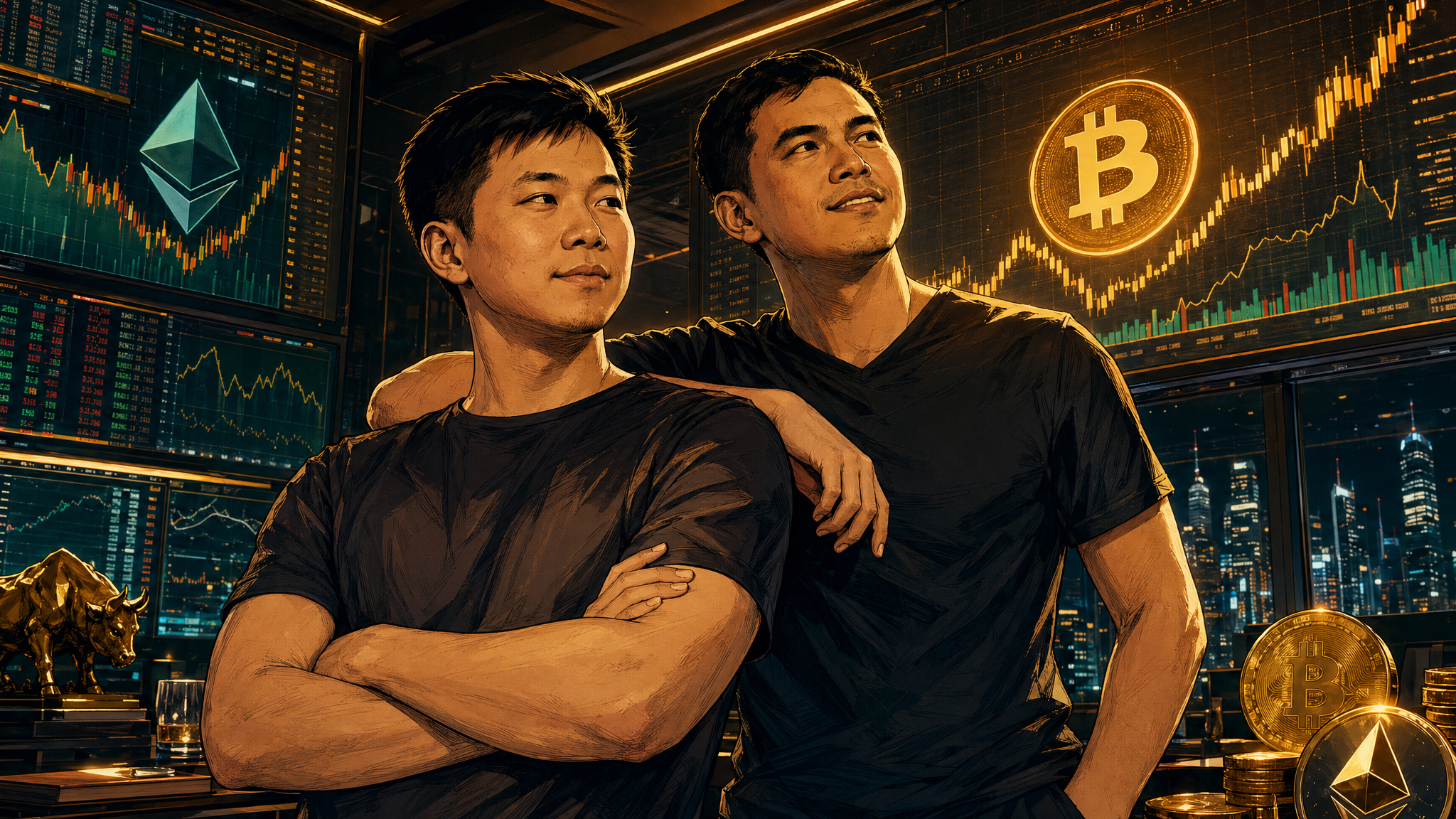
Three Arrows Capital’s pivot to cryptocurrency began around 2018 and accelerated through 2019 and 2020. Zhu, in particular, became a vocal crypto believer on Twitter, developing a following for his market commentary and bold predictions. His thesis was straightforward: Bitcoin and other cryptocurrencies were being systematically undervalued by traditional markets. The total addressable market for crypto was the entire global financial system. Prices had nowhere to go but up.
3AC started accumulating massive positions in Bitcoin, Ethereum, and various altcoins. They also became the largest single investor in Grayscale Bitcoin Trust (GBTC), which traded at a premium to the underlying Bitcoin — meaning 3AC could buy Bitcoin, deposit it with Grayscale, receive GBTC shares, and profit from the premium. It was essentially free money as long as the premium persisted.
The fund’s returns were extraordinary. In 2020 and early 2021, as crypto prices surged, 3AC’s portfolio ballooned. The fund reportedly managed between $3 billion and $10 billion in assets at various points. Zhu and Davies were treated as geniuses — the hedge fund managers who had figured out crypto before everyone else. Lenders lined up to offer them capital. The crypto industry’s biggest companies — Genesis, Voyager, BlockFi, Celsius — extended billions in loans, often with little or no collateral. 3AC’s reputation was their collateral.
Chapter 4: The Lifestyle of Crypto Billionaires (2020–2022)
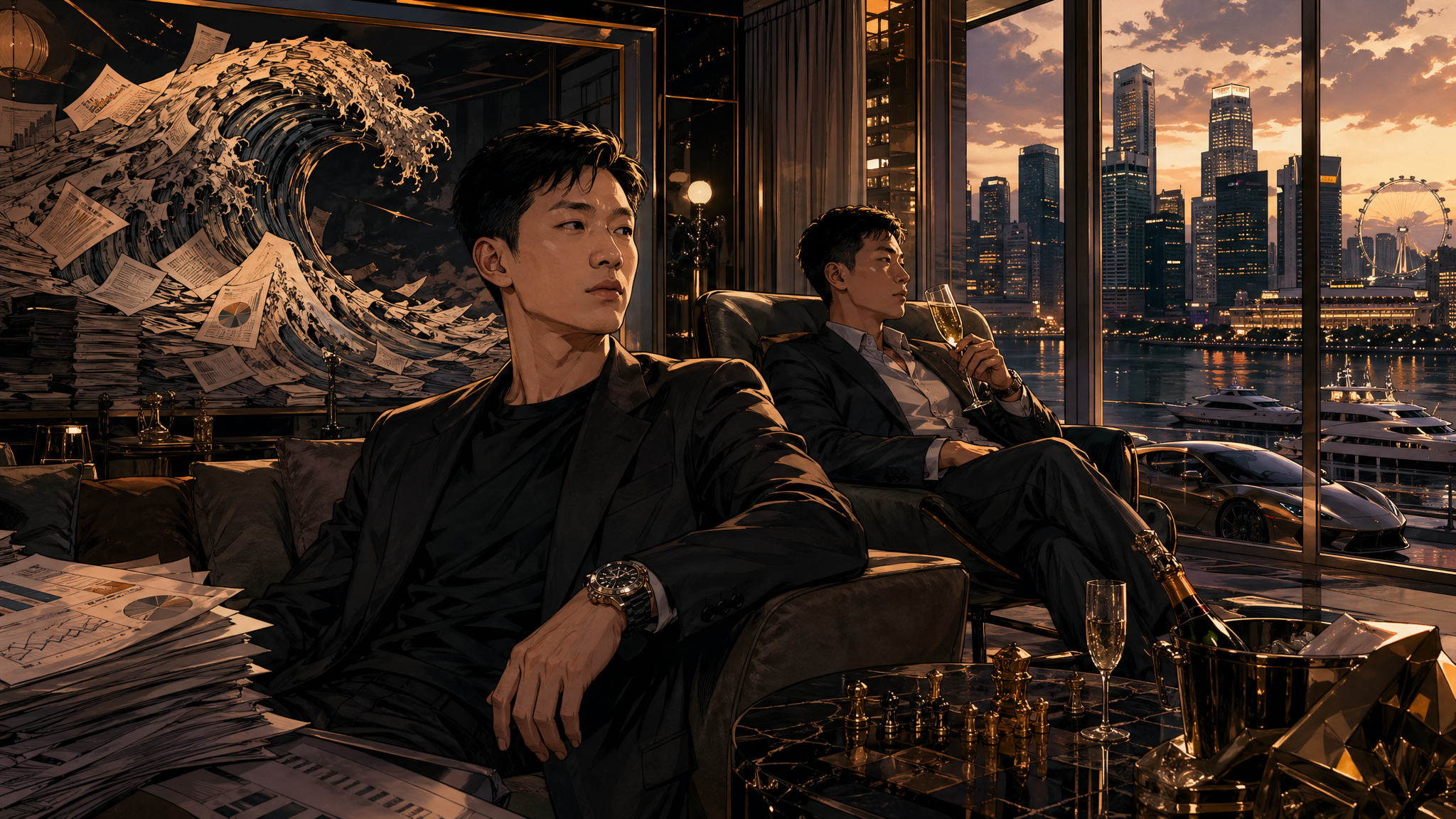
As 3AC’s paper wealth exploded, Zhu and Davies began living like the billionaires they believed they were. They reportedly purchased luxury properties in Singapore, including a Good Class Bungalow (Singapore’s most exclusive residential category) worth tens of millions of dollars. They acquired yachts, cars, and other trappings of extreme wealth.
Zhu became a prominent figure in crypto Twitter — posting market analysis, philosophical musings about the future of finance, and occasionally trolling competitors. He developed a persona as the thoughtful, strategic investor — the man who saw the big picture while others were trading noise. His followers hung on every tweet. When Zhu said he was bullish, people bought.
The lifestyle spending was notable because it suggested that Zhu and Davies were treating unrealized gains as real wealth. In a volatile market like crypto, where prices could drop 50% in weeks, spending as if the portfolio’s current value was permanent was reckless. But in the euphoria of 2020–2021, when Bitcoin went from $10,000 to $69,000, recklessness felt like courage.
Chapter 5: The Fatal Leverage (2021–2022)
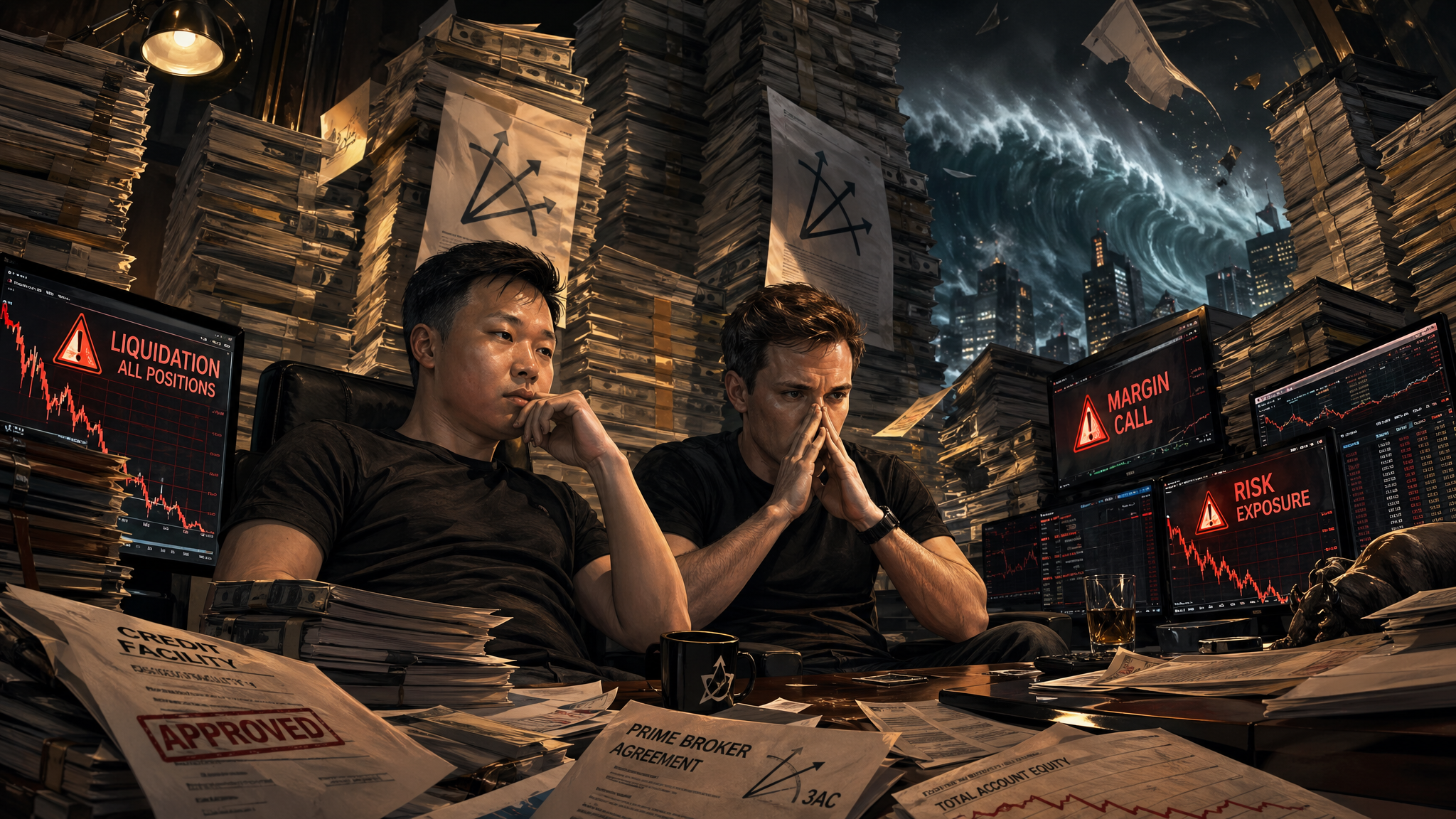
Three Arrows Capital’s strategy depended on leverage — borrowing money to amplify returns. In a rising market, leverage is magical: if you put up $1 billion of your own money and borrow $4 billion more, a 20% gain on a $5 billion portfolio gives you $1 billion in profit — a 100% return on your original capital. Leverage transforms good returns into spectacular ones.
But leverage works in reverse too. A 20% loss on a $5 billion portfolio means $1 billion in losses — which wipes out your entire original investment. And in crypto, 20% drops happen on random Tuesdays.
By late 2021 and early 2022, 3AC was leveraged to a degree that would have terrified any traditional risk manager. The fund had borrowed billions from multiple lenders, often pledging the same collateral to different parties. They had massive positions in LUNA, the algorithmic stablecoin that was yielding 20% annual returns through its Anchor Protocol. They had enormous GBTC holdings that were now trading at a discount to Bitcoin (the premium had flipped), trapping capital they couldn’t easily liquidate. And they had no meaningful hedges against a market downturn.
Chapter 6: The LUNA Catastrophe (May 2022)
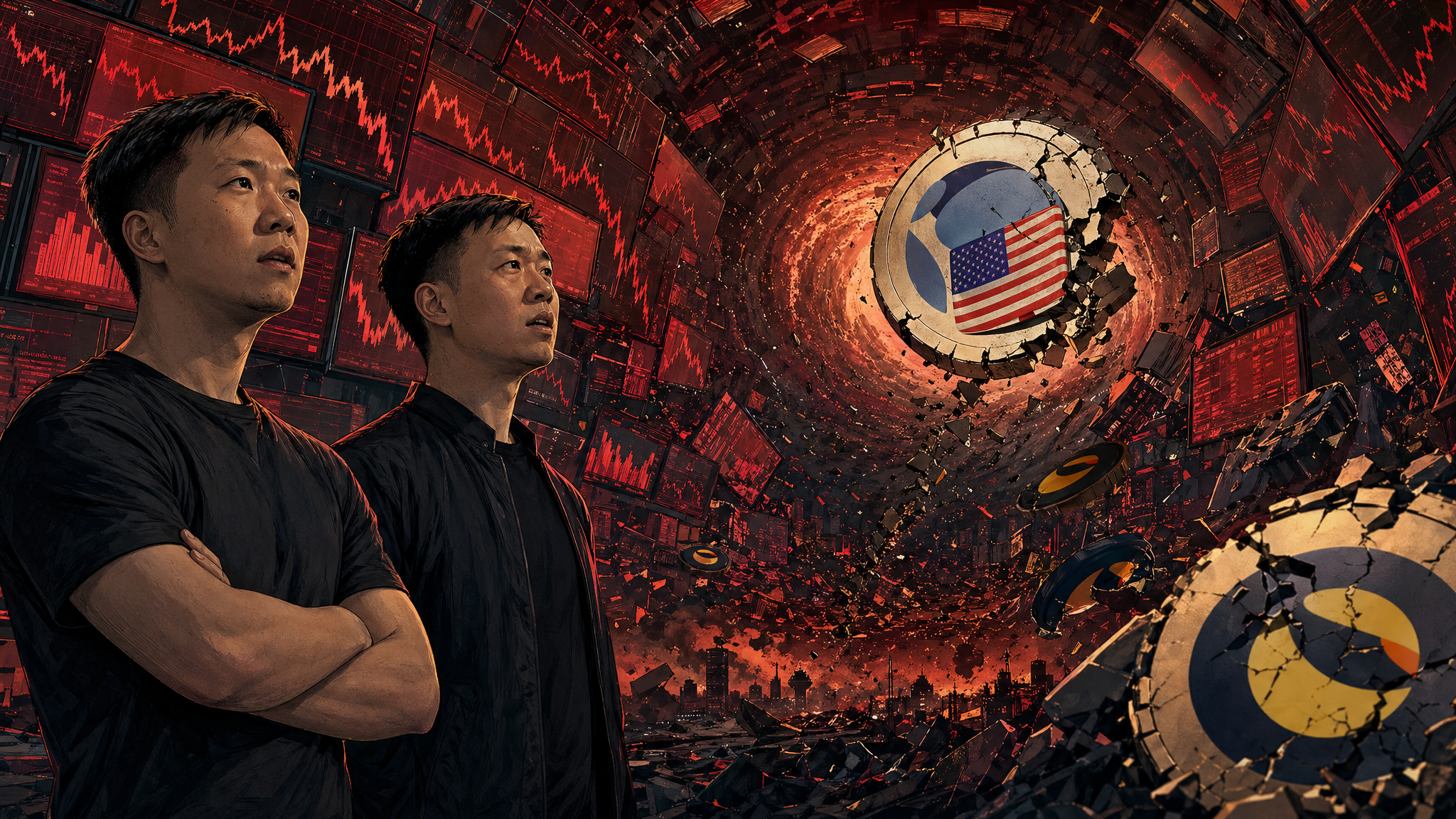
In May 2022, the LUNA/TerraUSD ecosystem collapsed in what became one of the most spectacular failures in financial history. TerraUSD, an algorithmic stablecoin that was supposed to maintain a $1 peg through its relationship with the LUNA token, lost its peg and entered a death spiral. LUNA’s price fell from over $80 to effectively zero in a matter of days. Approximately $40 billion in value was destroyed.
Three Arrows Capital had an estimated $200–600 million invested in LUNA. The exact figure is disputed, but the loss was catastrophic relative to the fund’s risk capacity. More importantly, the LUNA collapse triggered a broader crypto market selloff. Bitcoin dropped below $30,000, then below $25,000. Ethereum fell proportionally. Every asset in 3AC’s portfolio was declining simultaneously.
For a fund as leveraged as 3AC, this was an extinction-level event. Lenders who had extended credit to 3AC started making margin calls — demands for additional collateral to cover the declining value of the positions. 3AC didn’t have the collateral. The fund’s strategy had assumed that crypto markets would remain elevated enough to service its debt. That assumption had just been demolished.
Chapter 7: The Cascade of Failures (June 2022)
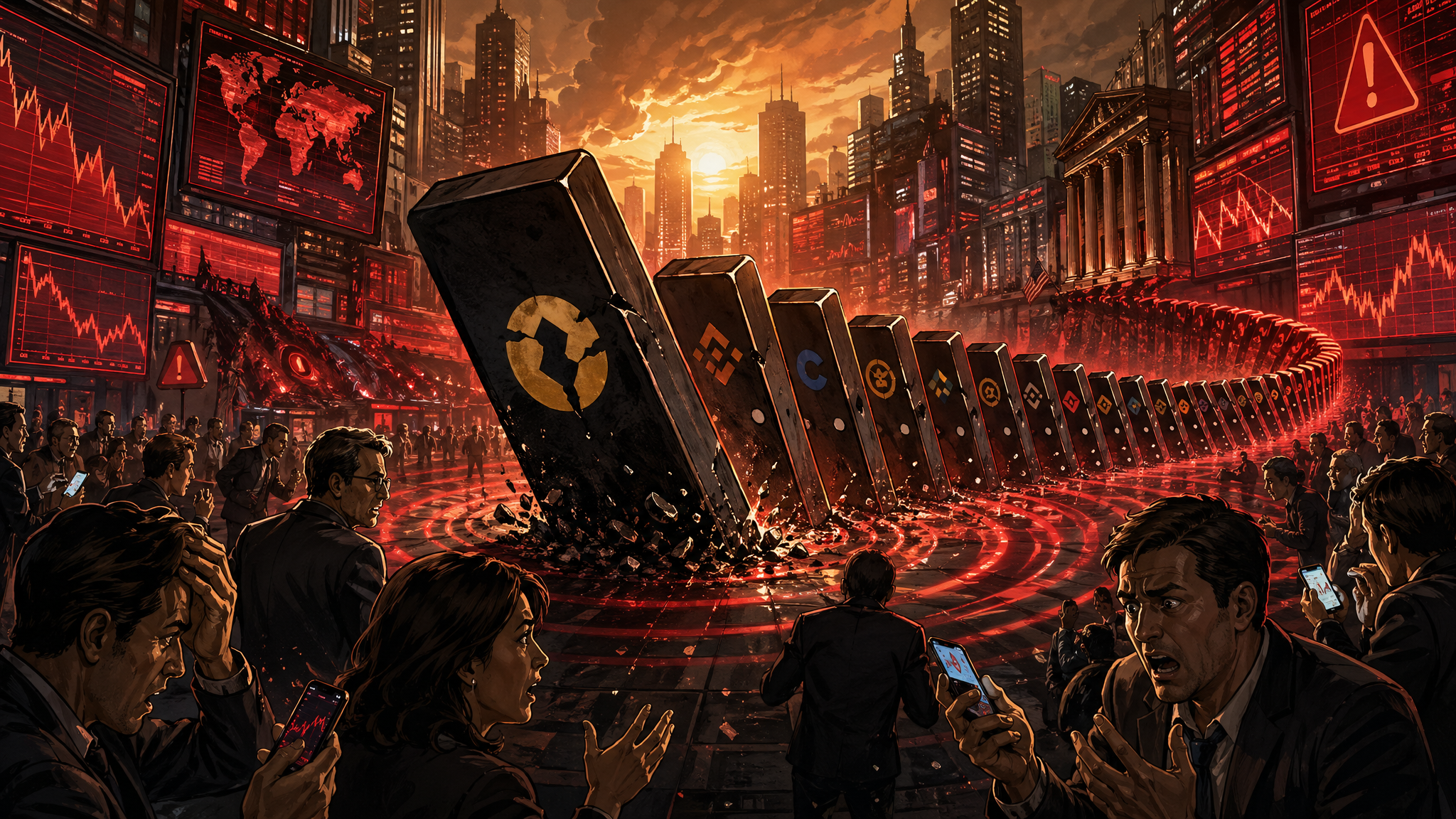
What happened next was a financial contagion that spread through the crypto industry like a virus. 3AC couldn’t meet its margin calls. Lenders who had extended billions in credit started realizing they might never get their money back. Those lenders had their own obligations — deposits from customers, loans from other institutions — and 3AC’s failure threatened their solvency too.
Genesis Global Trading, one of the largest crypto lenders, had over $2 billion in exposure to 3AC. Voyager Digital had lent $650 million. BlockFi had significant exposure. Celsius Network, which had already frozen customer withdrawals, had lent to 3AC as well. Each of these companies would eventually file for bankruptcy, citing 3AC’s default as a contributing factor.
The human cost was enormous. Voyager had over 3.5 million customers who had deposited their savings on the platform, believing it was safe. Celsius had hundreds of thousands of retail depositors. These weren’t sophisticated institutional investors who understood the risks — they were ordinary people who had been told crypto lending was a safe way to earn yield on their savings. When the dominoes fell, their money was gone.
Chapter 8: The Disappearing Act (June–September 2022)

As 3AC’s collapse became public, Zhu and Davies did something that enraged creditors and fascinated observers: they vanished. They stopped responding to lender communications. They stopped posting on social media. They reportedly closed their Singapore office. The liquidators appointed by a British Virgin Islands court — where 3AC was incorporated — couldn’t locate them.
In a rare interview with Bloomberg in late June 2022, conducted remotely, Zhu and Davies acknowledged that the fund had suffered catastrophic losses but were vague about the details. They expressed regret and said they were cooperating with the liquidation process. Then they went silent again.
Reports trickled in about their movements. Zhu was reportedly in Dubai, then Indonesia, then other jurisdictions. The fund’s assets were being scattered and hidden, according to liquidators. A yacht that 3AC had purchased — reportedly named “Much Wow” in a reference to the Dogecoin meme — was located and seized. The liquidation team described the founders’ cooperation as nonexistent and accused them of obstructing the recovery of assets that rightfully belonged to creditors.
Chapter 9: Su Zhu’s Arrest (September 2023)
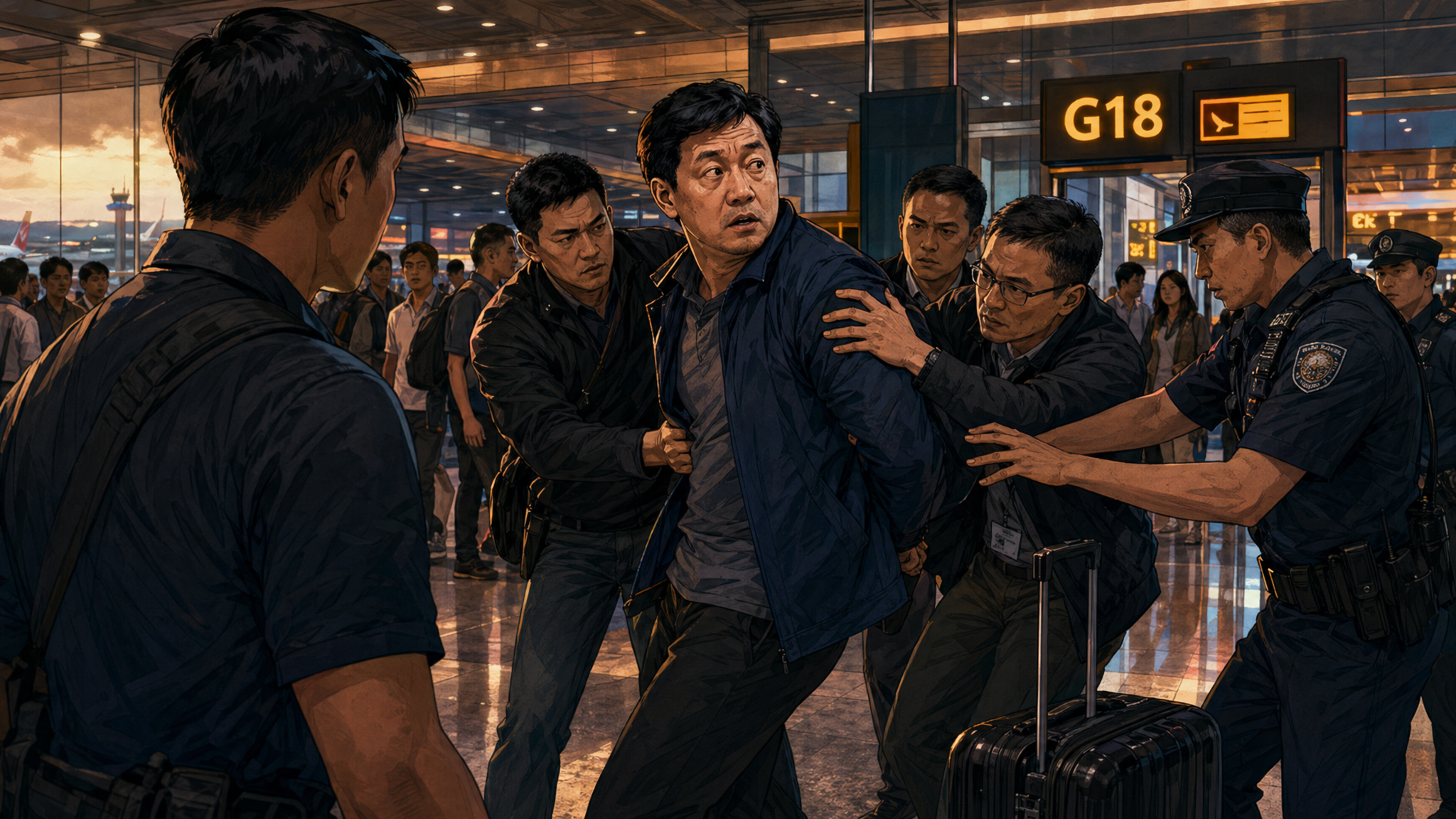
The running ended on September 29, 2023, when Su Zhu was arrested at Changi Airport in Singapore while attempting to board a flight. He had been sentenced in absentia to four months in prison for contempt of court — he had refused to cooperate with the liquidation proceedings despite being ordered to do so by a Singapore court.
The arrest was rich with irony. Singapore — the city-state that 3AC had chosen for its favorable financial regulations and international connectivity — was now the place where its co-founder was caught trying to escape justice. Zhu was taken to Changi Prison, one of the world’s most modern correctional facilities but a prison nonetheless. The crypto Twitter commentariat, many of whom had lost money because of 3AC’s collapse, was unsympathetic.
Kyle Davies remained at large. His whereabouts were unclear, though reports placed him in various locations in Southeast Asia and the Middle East. The liquidation proceedings continued, with creditors claiming approximately $3.5 billion in losses. The recovery of assets was slow and incomplete — much of 3AC’s wealth had been in crypto assets that had declined in value, and the founders’ personal assets were difficult to trace across multiple jurisdictions.
Chapter 10: OPNX — The Audacious Comeback Attempt (2023)
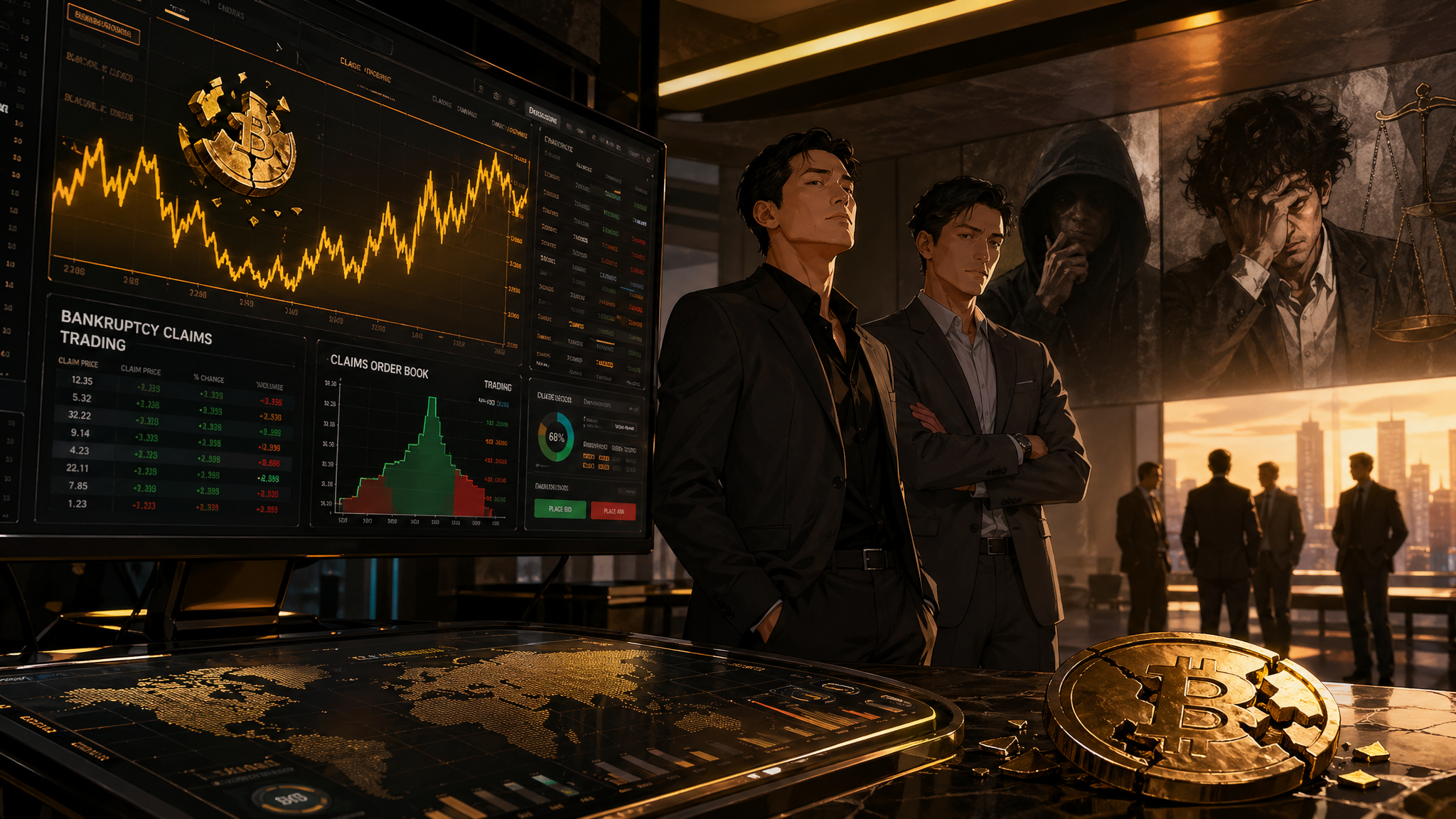
In one of the most brazen moves in crypto history, Zhu and Davies — while under investigation and in the midst of liquidation proceedings — launched a new venture. OPNX (Open Exchange) was a cryptocurrency exchange that would, among other things, allow trading of bankruptcy claims. The idea was that creditors of failed crypto companies could trade their claims on OPNX instead of waiting years for liquidation proceedings to distribute whatever assets remained.
The audacity was breathtaking. Two men who had allegedly caused billions in losses were now proposing to profit from the aftermath of those losses. The crypto community’s reaction was a mixture of outrage and dark amusement. Regulators were less amused — Dubai’s Virtual Assets Regulatory Authority fined OPNX for operating without proper licensing. The exchange struggled to gain traction and was widely seen as a desperate attempt to generate new income rather than a legitimate business.
OPNX’s failure to launch successfully was one of the rare instances where the crypto industry’s tolerance for scandal and reinvention reached its limit. Even in an industry that celebrated second chances and laughed off regulatory violations, the combination of massive creditor losses and an apparently unrepentant attitude proved too much.
Chapter 11: The Liquidation and What Was Recovered (2022–2025)

The court-appointed liquidators of Three Arrows Capital — Teneo, a restructuring firm — faced a monumental task. 3AC’s records were incomplete, its assets were scattered across multiple blockchains and jurisdictions, and its founders were uncooperative. Tracing crypto assets is possible but enormously complex, requiring blockchain forensics and international legal cooperation.
By 2025, the liquidators had recovered a fraction of the $3.5 billion in creditor claims. The yacht was sold. Some real estate was recovered. Some crypto assets were traced and clawed back. But the bulk of the losses were permanent. Many of the assets 3AC had held — LUNA tokens, GBTC shares, various altcoins — had declined so dramatically that even full recovery of the tokens wouldn’t have covered the debt.
The 3AC liquidation became a case study in the inadequacy of existing legal frameworks for dealing with crypto fund failures. Traditional bankruptcy processes assume that assets are identifiable, locatable, and denominated in established currencies. Crypto assets can be moved instantly, stored in anonymous wallets, and denominated in tokens that didn’t exist five years ago and may not exist five years from now. The legal system is still catching up.
Chapter 12: Lessons From the Wreckage
The Three Arrows Capital saga contains almost every warning sign that exists in finance, all concentrated into one catastrophe. Excessive leverage. Concentrated positions. Correlated risks. Lack of hedging. Commingled assets. Inadequate disclosure. Counterparty risk. And underneath all of it, the oldest mistake in finance: confusing a bull market with genius.
Zhu and Davies were smart. They had elite educations, institutional training, and genuine insight into crypto markets. But intelligence without risk management is just a more sophisticated way to blow up. Their conviction that crypto prices would keep rising wasn’t based on analysis — it was faith. And when faith meets leverage, the result is always the same: catastrophe.
The broader lesson is about the crypto industry’s structural vulnerabilities. 3AC didn’t operate in a vacuum. It operated in an ecosystem where lenders extended billions in credit without proper collateral, where risk management was primitive, and where the regulatory framework was nonexistent or unenforced. 3AC exploited those weaknesses, but it didn’t create them. Until the crypto industry builds the risk management infrastructure that traditional finance developed over centuries of painful failures, the next 3AC is always just one bull market away.
💡 Key Insights
- ▸ Three Arrows Capital's collapse shows what happens when conviction becomes delusion. Zhu and Davies were so certain crypto would only go up that they borrowed billions against that assumption — with no hedging and no exit plan.
- ▸ The crypto lending ecosystem that 3AC exploited was built on trust and handshake deals, not proper risk management. When 3AC failed, it took down lenders who had extended credit based on reputation rather than collateral.
- ▸ Zhu's arrest in Singapore while trying to flee the country is the perfect metaphor for 3AC's entire strategy: an elaborate escape plan that worked right up until the moment it didn't.