Truett Cathy: The Franchise System That Made Chick-fil-A Different
Truett Cathy turned a small diner and a chicken sandwich into a tightly controlled restaurant system built on operator incentives, consistency, and deliberate constraints.
View all stories about this mogul
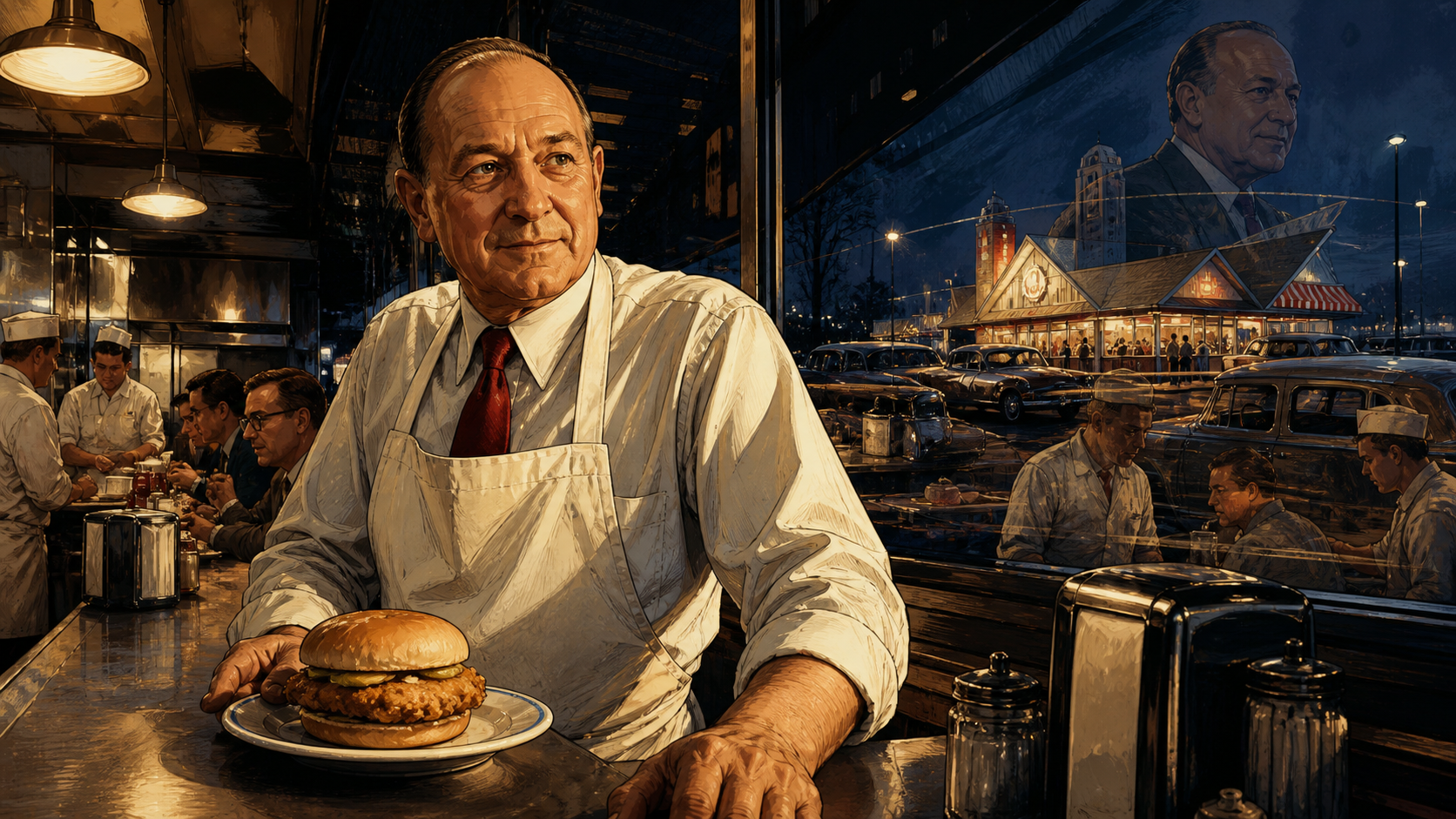
Truett Cathy did not build Chick-fil-A by selling thousands of conventional franchises. He built a company-owned system that made local operators behave like owners while denying them many of the freedoms ordinary franchisees expect.
That tension became the machine. Chick-fil-A financed and retained control of locations, selected operators with unusual intensity, limited most to a single restaurant, and tied their economics closely to store performance. The model reduced the capital barrier for operators while giving the company leverage over standards, expansion, and succession.
How did Truett Cathy turn a diner into Chick-fil-A?
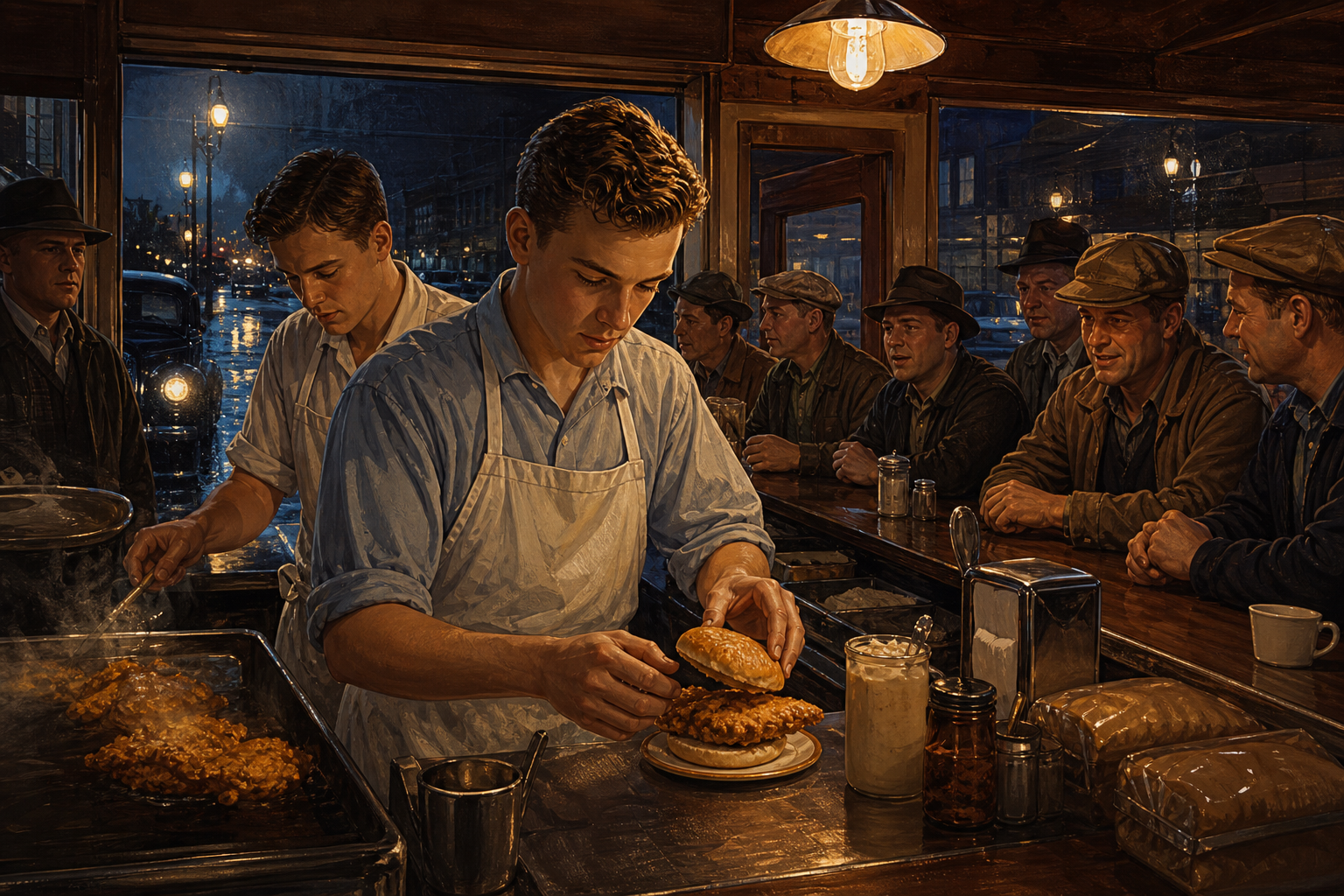
Cathy and his brother Ben opened the Dwarf Grill, later called the Dwarf House, in Hapeville, Georgia, in 1946. The restaurant sat near factories and the Atlanta airport. It was not a branding laboratory. It was a place where missed shifts, food waste, slow service, and a weak lunch could ruin the week.
The diner taught Cathy to watch behavior at close range. Customers wanted speed but noticed quality. Workers needed systems that could survive a rush. A restaurant could attract people with a product, but it kept them through repetition: the same experience on an ordinary Tuesday.
Cathy’s signature product emerged from experiments with boneless chicken breast, pressure cooking, seasoning, and a buttered bun with pickles. Chick-fil-A dates the sandwich’s creation to the 1960s. The important business move was not claiming to have invented chicken. It was turning a prepared chicken sandwich into a repeatable quick-service format.
In 1967, the first Chick-fil-A branded unit opened in Atlanta’s Greenbriar Mall. Shopping malls offered concentrated foot traffic and a controlled environment. They also imposed constraints: compact kitchens, shared schedules, and intense competition for impulse purchases. The format forced operational clarity.
The mall strategy expanded through the 1970s and 1980s. Chick-fil-A could enter growing suburban retail centers without immediately fighting the established burger chains on identical roadside territory. The chicken sandwich was familiar enough to understand and distinct enough to remember.
Cathy also made a decision that looked like lost revenue: restaurants would close on Sundays. The practice reflected his religious convictions and desire to give operators and employees a predictable day away. It became inseparable from the brand. Whether customers shared the conviction or not, the constraint signaled that the company would leave money on the table to preserve an operating principle.
The strategic cost was real. Restaurants surrendered one day of weekly sales while rent and other fixed costs continued. The benefit was also real: a clear cultural promise, simpler scheduling expectations, and a brand behavior competitors could not copy without changing their economics.
Why is the Chick-fil-A operator model so unusual?
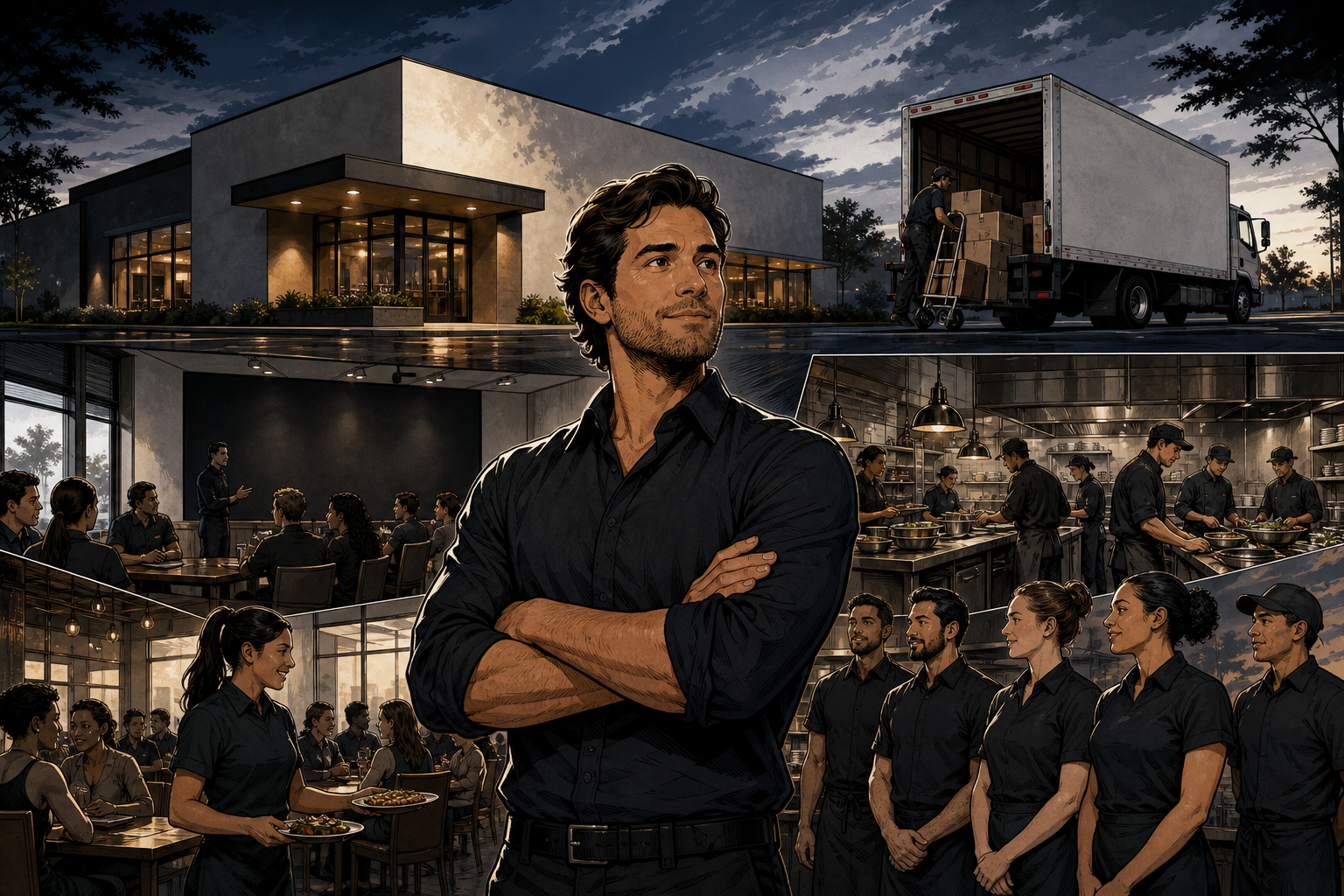
Most franchise systems ask a franchisee to invest substantial capital, secure a site, and operate with meaningful ownership rights. Chick-fil-A’s published franchise materials describe a different arrangement. The company selects an operator, invests in the restaurant, and charges a relatively modest initial fee. The operator runs the business under a contract and shares in results but does not own the location like a conventional franchise asset.
That trade changes incentives. The operator can enter without millions in personal capital, widening the candidate pool beyond wealthy investors. Chick-fil-A can prioritize operating temperament, leadership, and full-time commitment. In return, the operator accepts heavy company control and limited transfer value.
| Year | Turning point | Business meaning |
|---|---|---|
| 1946 | Dwarf Grill opens in Hapeville | Cathy learns restaurant economics at counter distance |
| 1960s | Chicken sandwich is refined | One repeatable product becomes the wedge |
| 1967 | First Chick-fil-A opens in Greenbriar Mall | The brand moves from diner to scalable format |
| 1986 | First freestanding restaurant opens | Chick-fil-A expands beyond mall dependence |
| 2000s | National expansion accelerates | Operator selection and supply systems become the moat |
| 2014 | Truett Cathy dies | A private family company tests institutional continuity |
The single-store emphasis matters. An operator with one location is expected to be present, visible, and accountable. Conventional multi-unit franchisees often build management layers and treat stores as a portfolio. Chick-fil-A largely optimized for the opposite: one local leader with intense attention.
This arrangement can produce strong execution, but it is not entrepreneurial ownership in the usual sense. Operators generally cannot sell the restaurant as an appreciating asset. The company retains the infrastructure and much of the control. Prospective operators must judge the opportunity as an operating role with variable economics, not as the purchase of independent property.
For Chick-fil-A, control supported consistency. Menu changes, store design, technology, supply arrangements, and service standards could move through a centrally governed system. The company could close weak locations or replace operators without negotiating with a property-owning franchisee who held durable territorial rights.
Selection became a bottleneck by design. The company publicly reports intense interest in operator opportunities. Rejecting many applicants is expensive, but a bad operator can damage staff culture and customer trust every day. Chick-fil-A treated human selection as infrastructure.
The model also aligned with private ownership. Without public shareholders demanding maximum near-term unit growth, the company could expand at the pace its capital and operator pipeline supported. That patience was a competitive weapon disguised as conservatism.
What is Truett Cathy’s real business legacy?
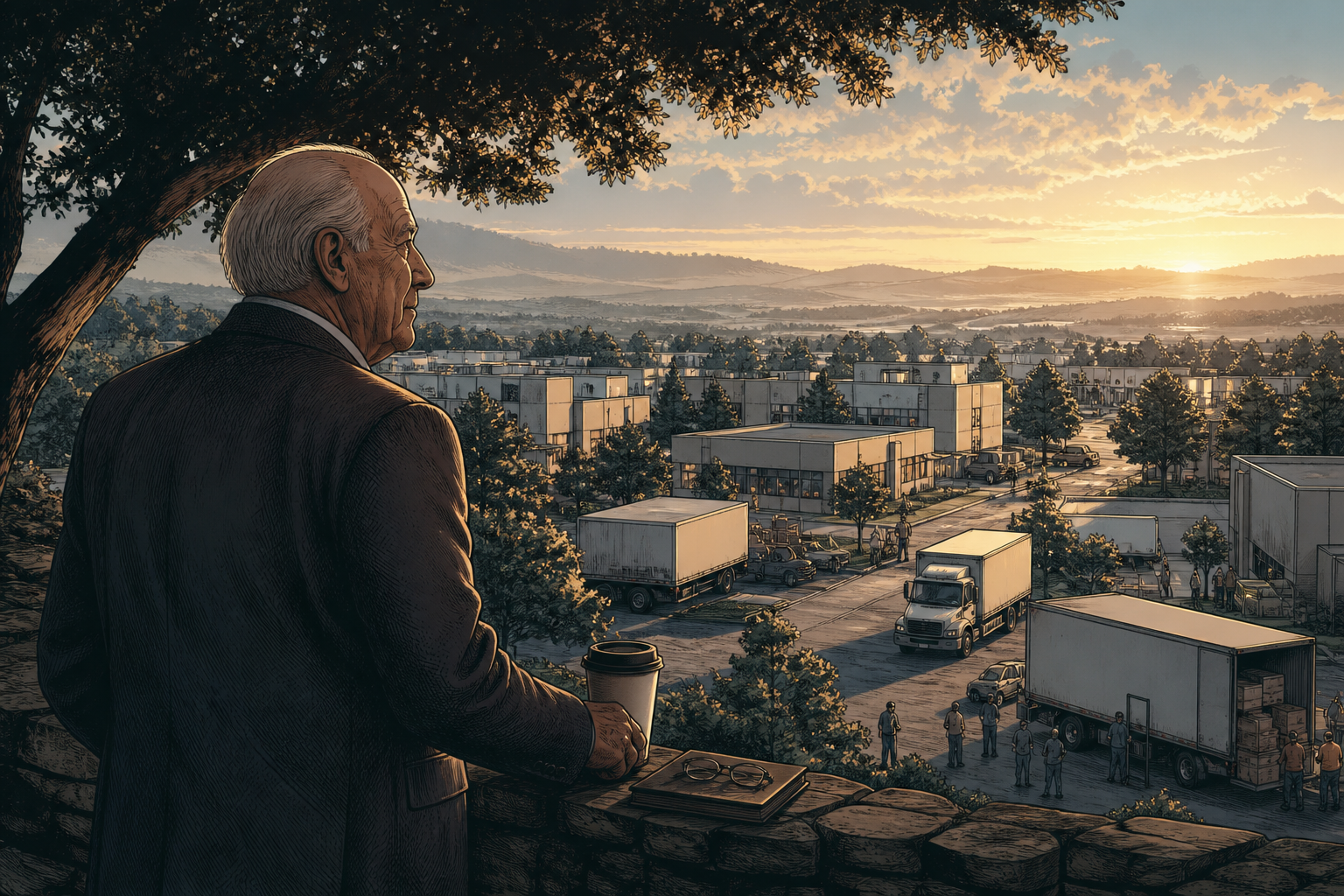
Cathy’s legacy is not simply a sandwich or a slogan. It is an incentive architecture.
He separated capital ownership from local operating intensity. The company supplied the site, system, and brand; the operator supplied focused leadership. Neither side received everything a conventional franchise arrangement offered. Together they produced a format that proved difficult to imitate piecemeal.
The system still faces hard questions. Tight control concentrates responsibility at headquarters. Brand identity can attract loyalty and controversy at the same time. Labor conditions, supply-chain practices, food quality, and operator economics require ongoing scrutiny. A strong culture is not an exemption from accountability.
Yet the operating lesson is durable: constraints can create coherence. One store per operator, a narrow menu, centralized ownership, and Sunday closure all reduced certain options. Those reductions made the remaining promise easier to understand and execute.
Who founded Chick-fil-A?
S. Truett Cathy founded the business that became Chick-fil-A after opening the Dwarf Grill with his brother Ben in 1946. The first restaurant carrying the Chick-fil-A name opened in 1967.
How does a Chick-fil-A franchise differ from a typical franchise?
Chick-fil-A generally funds and owns the restaurant assets while selecting an operator to run the location under contract. The operator’s entry cost is comparatively low, but control and transfer rights are also much narrower than in many conventional franchises.
Why is Chick-fil-A closed on Sundays?
The policy began with Cathy’s religious convictions and his preference for a consistent day of rest. It became a permanent operating and brand constraint.
What made Chick-fil-A scale?
The sandwich created demand, but the deeper scaling system combined centralized capital, strict operator selection, local accountability, menu discipline, and supply-chain consistency.
What is the real lesson?
Do not copy an isolated tactic. Chick-fil-A’s low operator fee works because the company retains ownership and control; its one-store focus works because selection is rigorous; its cultural rules work because the private company accepts their costs. The advantage lives in the whole system.
💡 Key Insights
- ▸ A low entry fee can work when the parent company keeps ownership, control, and most capital obligations.
- ▸ Operator selection became a core operating capability rather than a paperwork step.
- ▸ Constraints such as one-store focus and Sunday closure reinforced a distinctive system.
- ▸ Private ownership gave the company room to optimize for continuity instead of quarterly theater.