Uğur Şahin: The Platform Bet That Turned BioNTech Into a Vaccine Powerhouse
Uğur Şahin spent decades treating mRNA as a programmable medicine platform before a global emergency turned BioNTech's patient science into industrial scale.
View all stories about this mogul
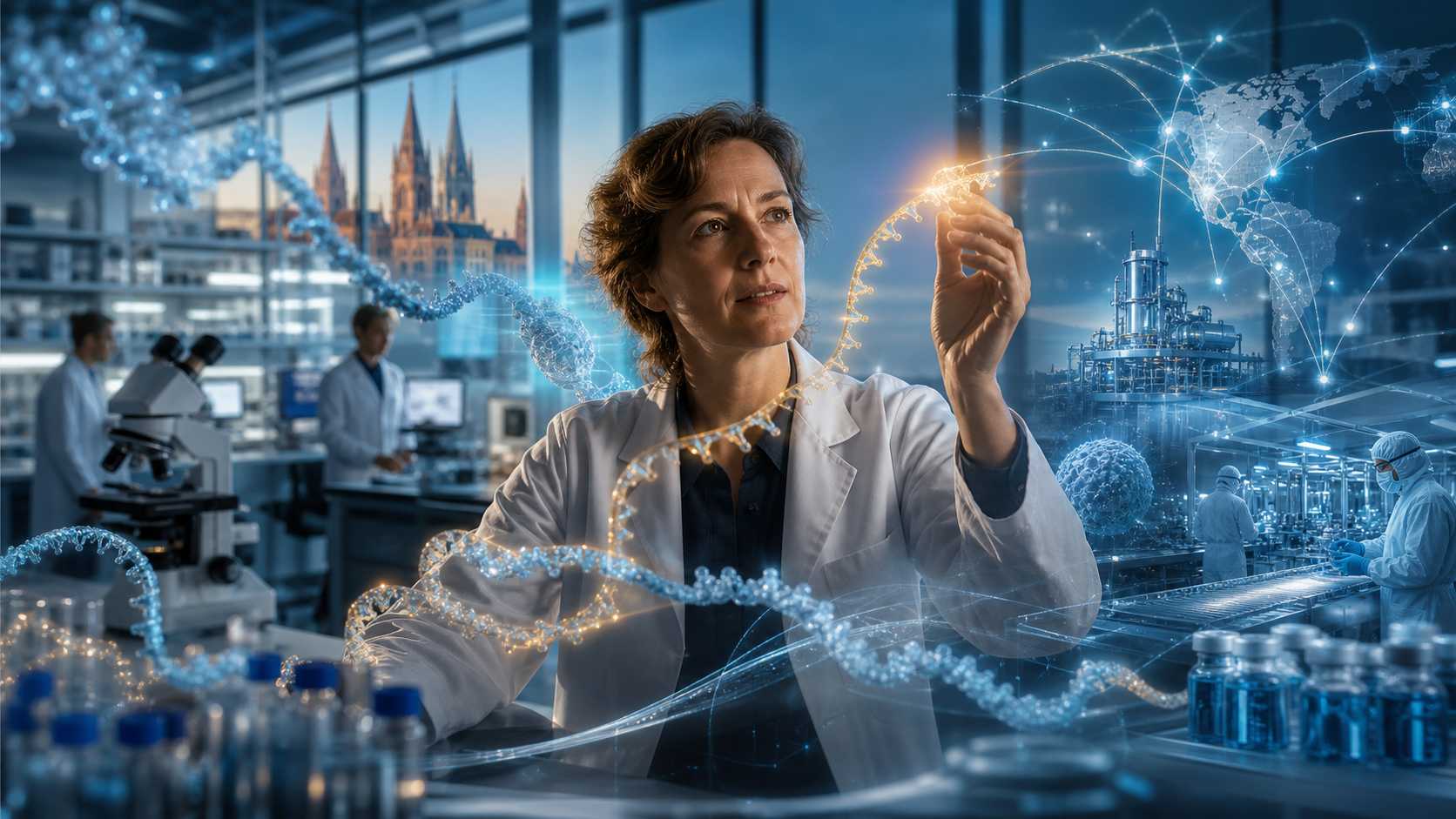
When the genetic sequence of a new coronavirus was released in January 2020, Uğur Şahin did not see only a public-health threat. He saw a test of a platform he and Özlem Türeci had spent decades building: use messenger RNA as programmable instructions, redesign the sequence quickly, and let cells produce the target that trains the immune system.
BioNTech became globally famous in months. The capability behind that moment was built through years of cancer research, financing risk, manufacturing work, and partnerships that rarely made front pages.
How did Uğur Şahin turn cancer research into a platform company?
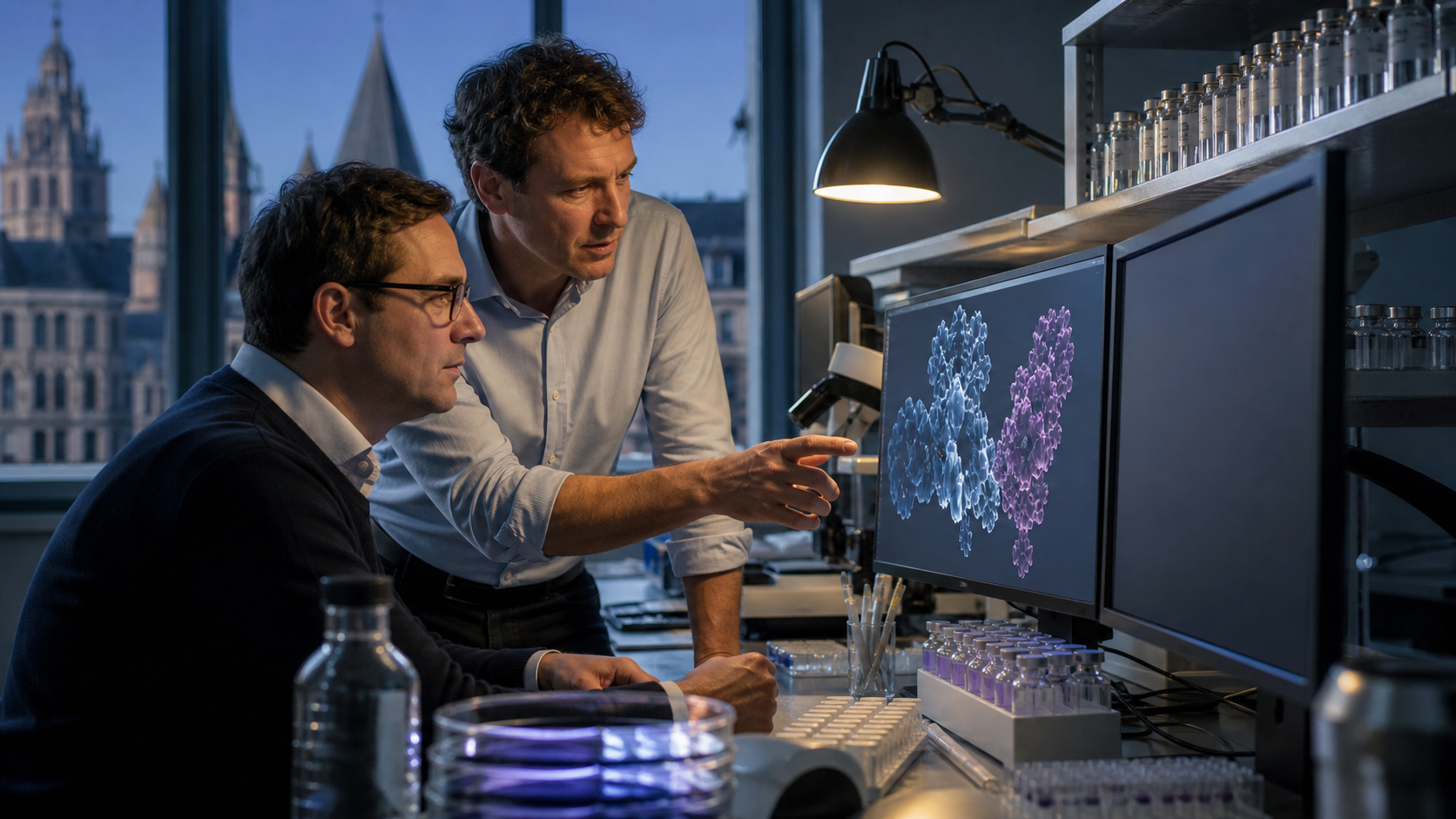
Şahin was born in Turkey and grew up in Germany, later training as a physician and immunologist. His research centered on how the immune system recognizes disease. With Türeci and collaborators, he pursued technologies that could direct immune responses against cancer targets.
The pair helped found Ganymed Pharmaceuticals before establishing BioNTech in Mainz in 2008. BioNTech was conceived as more than one drug company. It developed several therapeutic platforms, including mRNA vaccines, engineered cell therapies, antibodies, and small-molecule immunomodulators.
The mRNA thesis was powerful but difficult. Messenger RNA is fragile, innate immunity can react to it, delivery into cells is hard, and manufacturing must be precise. A platform pitch does not solve these constraints. Years of formulation, sequence design, analytics, clinical operations, and regulatory work do.
Cancer made the challenge even harder because each tumor can carry different mutations. BioNTech explored individualized neoantigen vaccines designed from a patient’s tumor profile. That required a production system capable of turning biological data into a bespoke treatment candidate—a demanding rehearsal for rapid sequence-based development.
Why did BioNTech partner instead of building everything alone?
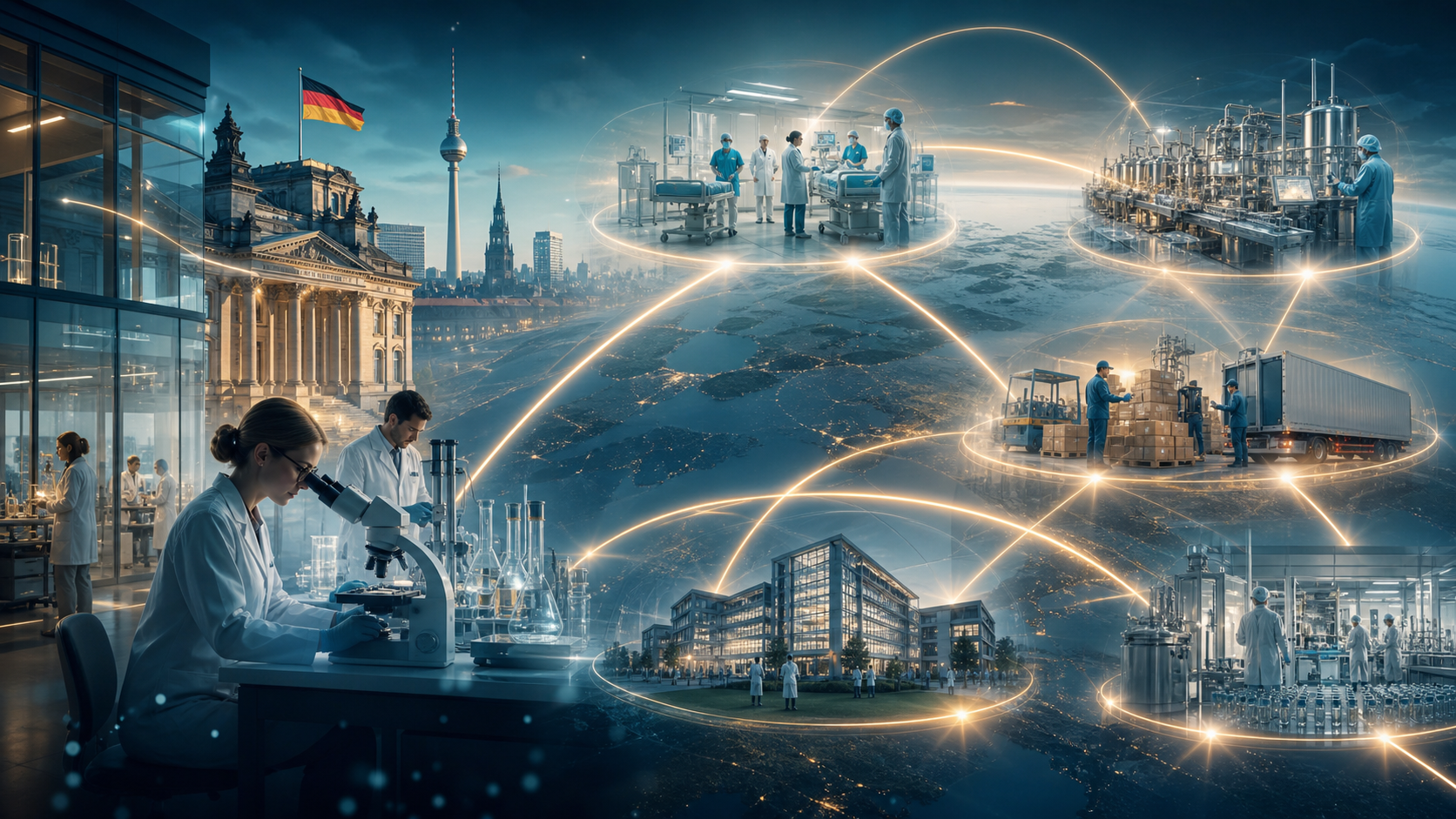
Biotechnology companies often face a brutal capital problem: discovery consumes cash years before a product generates revenue. BioNTech used partnerships to share cost, access specialized capabilities, and validate its platforms. Collaborations with large pharmaceutical companies supported programs in influenza, cancer, and infectious disease.
The logic was not to outsource the core. BioNTech retained deep expertise in mRNA design and immunology while partners contributed scale, clinical infrastructure, manufacturing, or commercial reach.
That architecture proved decisive in 2020. BioNTech began Project Lightspeed to develop a COVID-19 vaccine candidate. Pfizer brought global trial capacity, manufacturing, regulatory experience, and distribution. The partnership compressed work that might normally unfold sequentially into overlapping streams while regulators reviewed accumulating data.
Speed did not remove standards. Large randomized trials still had to evaluate safety and efficacy, factories had to reproduce quality, and cold-chain systems had to move doses across borders.
How did Project Lightspeed change BioNTech’s scale overnight?

The Pfizer-BioNTech vaccine received emergency authorization in multiple countries in late 2020, followed by full approvals in some markets. It became one of the central tools in the global response and produced extraordinary revenue for the partners.
| Milestone | Business meaning |
|---|---|
| 2008 BioNTech founded | Platform strategy begins |
| 2019 Nasdaq listing | Public capital supports a broad pipeline |
| January 2020 Project Lightspeed | Platform redirected toward a new pathogen |
| Late 2020 authorizations | Science becomes global industrial operation |
| Post-pandemic reinvestment | Vaccine cash funds oncology and infectious-disease programs |
BioNTech suddenly had resources far beyond those of a typical research-stage biotech. It expanded manufacturing, hired staff, advanced trials, and invested in new technologies. Şahin’s role also changed: the scientist-founder now led an institution carrying enormous expectations.
The public narrative sometimes portrayed the vaccine as an overnight invention. That misses the accumulated work in nucleoside chemistry, lipid nanoparticles, immunology, clinical development, and manufacturing across the field. BioNTech’s achievement was to integrate those advances into a functioning product at historic speed.
What is the hardest part of BioNTech’s post-pandemic transition?

One blockbuster can distort a company’s identity. Pandemic vaccine demand created exceptional revenue, then declined as population immunity, recommendations, competition, and purchasing patterns changed. Investors began judging whether BioNTech could turn temporary abundance into a durable multi-product business.
Cancer remains the central test. Oncology trials are slow, heterogeneous, and failure-prone. A platform can generate many candidates, but it cannot guarantee that any candidate improves survival or quality of life. Personalized products also create difficult economics: sequencing, manufacturing, logistics, and treatment must coordinate for each patient.
BioNTech has used acquisitions and partnerships to expand antibodies, cell therapies, and other modalities. That diversification can strengthen the pipeline, but it can also make the organization harder to focus. Cash creates options; it does not create clinical proof.
What is the real lesson of Uğur Şahin’s BioNTech rise?

The real lesson is that crisis speed is stored preparation. BioNTech could move quickly because it had already built people, processes, assays, manufacturing knowledge, and partnership relationships around a programmable technology.
Şahin also showed the leverage of a platform paired with a larger distributor. BioNTech did not need to own every commercial asset to influence global medicine. It needed to own something scientifically distinctive and know where partnership accelerated the mission.
What is Uğur Şahin’s net worth?
Public estimates move with BioNTech’s share price and reported ownership. They should be treated as approximations rather than a fixed balance sheet.
How did Uğur Şahin make his money?
His wealth is largely associated with founding and holding equity in biotechnology companies, particularly BioNTech.
Did BioNTech invent mRNA vaccines alone?
No. The field rests on decades of work by many researchers and companies. BioNTech’s contribution was developing its platform and, with Pfizer and other partners, translating it into a globally deployed product.
Is BioNTech only a vaccine company?
No. Its long-term strategy includes oncology and multiple therapeutic technologies, though those programs still require clinical validation.
What will determine BioNTech’s future?
The decisive question is whether its research portfolio can produce repeatable clinical and commercial successes after the exceptional pandemic period.
💡 Key Insights
- ▸ A platform becomes valuable when the same scientific engine can generate many product candidates.
- ▸ Partnerships can supply manufacturing and distribution without surrendering the core discovery capability.
- ▸ Crisis speed is usually built on years of unglamorous preparation.
- ▸ Windfall capital creates a second challenge: converting one extraordinary product into a durable pipeline.